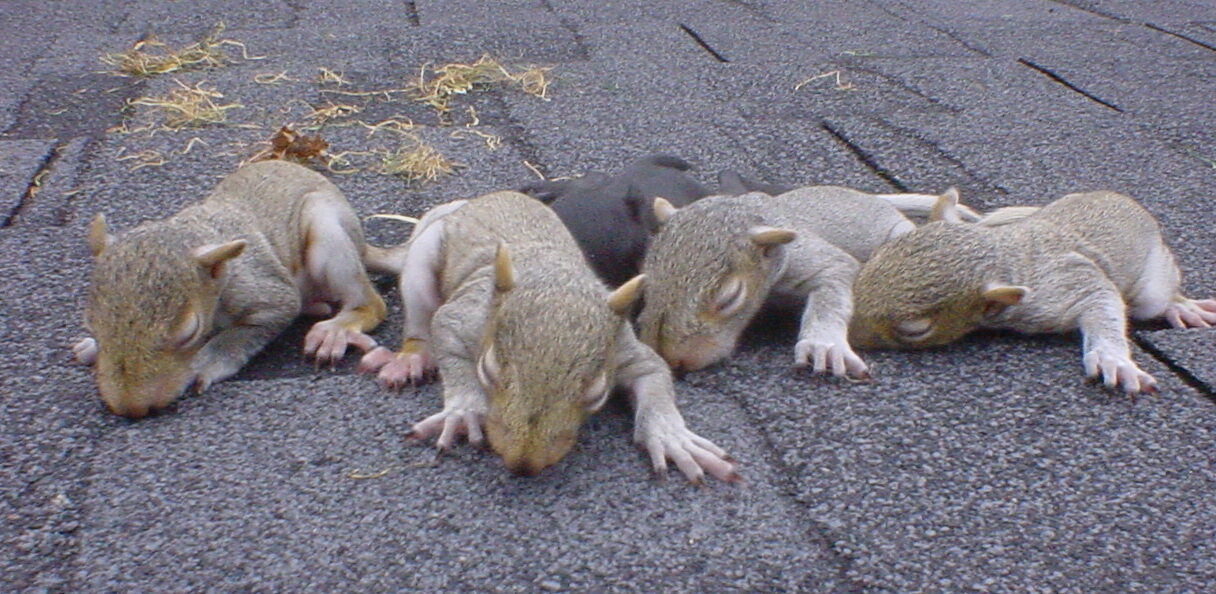
You might love watching wildlife play in the yard, but seeing them up high is a different story. If you are spotting squirrels on your roof, should you worry? Yes, you absolutely should worry about this. These animals use your roof to chew into your home, causing massive structural damage and fire risks. They seek out warm, dry spaces like your attic to build nests and raise babies.
This information is for any homeowner who wants to protect their property from costly damage. When you ignore these quick creatures, a small problem turns into a huge disaster. That is where we step in to help. We are Skedaddle Humane Wildlife Control in Pickering, and our team handles all the hard work so you never have to lift a finger.
In this blog, we will explain exactly why these animals are dangerous to your property. You will learn what draws them to your house and the specific signs of a serious problem. You will also discover how our professional removal game plan keeps your home safe and secure.
What attracts squirrels to your house?
Food, warmth, and shelter are the main things that attract these animals to your house. If you have tall trees, bird feeders, or easy access to your roof, your home becomes a prime target. They are always looking for a safe, cozy spot away from predators to rest and raise their young.
You might not realize that open garbage cans and scattered seeds are like an open invitation. Once they find a steady food source in your yard, they look upward for a safe place to sleep. Your attic provides the perfect warm, dry environment, especially during the colder Canadian months.
Your home also offers great materials for building their nests. They love to tear up insulation, paper, and dry leaves. If your soffits or vents are weak, they easily chew right through them.
Serious Structural Damage
When these animals move in, your house takes a heavy beating. They have teeth that never stop growing, which forces them to chew constantly to keep them filed. Here is how they destroy the actual structure of your house:
- Chewing Through Materials: You will often find damage on the outside of your house first. They gnaw right through wood, plastic, and aluminum to keep their teeth trimmed down. This constant chewing creates large holes in your soffits and fascia boards, which open up easy entry points.
- Destroying Roofs: Your shingles and gutters are no match for their sharp claws and strong teeth. They tear up roofing materials to squeeze inside, leaving wide gaps exposed to the weather. Rain and snow then enter these holes, causing severe water damage and leaks in your ceiling.
- Contaminating Insulation: Once inside, they completely ruin the materials that keep your house warm. They shred your expensive insulation to use as soft bedding for their nests. They also trample down the remaining insulation, which destroys its ability to hold heat and spikes your energy bills.
Fire Hazards And Electrical Risks
One of the most terrifying risks of having these animals indoors is the threat of a house fire. They do not just chew on wood and plastic. They also chew on the electrical wires hidden inside your walls and ceilings.
You face a massive danger when bare wires are left surrounded by dry wood and shredded insulation. Many unexplained house fires are actually caused by animals chewing through electrical lines. You can never see this damage happening behind your walls, which makes it a silent, deadly threat to your family.
We know how scary it is to think about a fire starting in your attic. Homeowners should never ignore scratching noises or flickering power in certain rooms. Bringing in our team means we locate the damaged areas, remove the threat, and help ensure your house stays completely safe.
Health Hazards and Contamination
These creatures do not just destroy your property. They also carry severe health risks that threaten your family. Their presence creates a toxic environment right above your living space.
- Spreading Diseases: They leave large amounts of droppings and urine all over your attic floors. This waste builds up quickly and breeds hazardous bacteria like Salmonella. As the waste dries, toxic particles enter your air vents and spread foul odours throughout your house.
- Introducing Parasites: Wild creatures never travel alone because they bring tiny, unwanted guests with them. They are often covered in fleas, ticks, and mites that fall off into your insulation. These tiny bugs quickly multiply and eventually crawl down into your living areas to bite your family and pets.
- Infestation Growth: A single animal on your roof usually means more are on the way. They leave behind scent trails that attract others to your property. Before you know it, a small issue turns into a massive infestation that completely ruins your indoor air quality.
Rapid Breeding and Nesting
These animals reproduce very quickly, often having multiple litters every single year. A mother is highly motivated to find a warm, secure place like your attic to give birth. Once she gives birth, you are no longer dealing with one creature.
You will hear much more noise once the babies start growing and moving around. A mother is extremely protective and will cause even more destruction if she feels threatened or gets locked out. She will literally tear your shingles and vents apart to get back to her babies inside.
This rapid breeding is exactly why you must act fast when you hear noises above your ceiling. Waiting even a few weeks means the population in your roof doubles. Our professional team knows exactly how to handle mothers and babies humanely so your home is cleared out quickly and safely.
What To Watch For In Pickering
Living in Pickering means dealing with unique weather changes that drive squirrels indoors. The cold winters and wet springs make your warm house a prime target for squirrels. Here are the specific signs you should watch for around your local property:
- Scratching And Scurrying Noises: You will likely hear sounds coming from above during the early morning or late afternoon. They are very active during the day as they run back and forth building nests. If you hear loud rolling or scratching sounds above your bedroom, they have already moved in.
- Visible Holes In The Roofline: Take a walk around your property and look up at your eaves and vents. You might spot chewed plastic, broken vent covers, or missing shingles. These damaged areas are the exact doors they use to enter the warmth of your house.
- Water Stains On The Ceiling: You might think a brown spot on your ceiling is just a simple rain leak. However, these stains are often caused by large puddles of animal urine soaking through the drywall. If you see strange wet spots paired with bad smells, you have a major issue on your hands.
Our Humane Removal Game Plan
When you hire us, we handle the entire process from start to finish. Our game plan is built to protect your property without harming the squirrels. You get total peace of mind while we do all the heavy lifting.
We start by thoroughly inspecting your property to find every single entry point. Once we know where they are hiding, we install our specialized one-way doors. These clever devices allow the squirrel to exit your home safely, but they completely block them from getting back inside.
After your house is clear, we seal up all the weak spots so they can never return. We do not use live trapping, relocation, or harmful methods. Our team ensures your property is fully protected, clean, and secure for the long haul.
Frequently Asked Questions
Do squirrels hibernate in the winter?
No, they do not hibernate during the winter months. They stay active all year long and must constantly search for food and shelter. This is why they often move into warm attics when temperatures drop. Your home provides the perfect place for them to survive harsh Canadian winters.
Can squirrels chew through metal?
Yes, they can chew through softer metals like aluminum. Their teeth are very strong and grow continuously, so they need to gnaw on hard surfaces. This allows them to break through weak vent covers and other materials. Stronger, professional-grade barriers are needed to keep them out.
What time of day are squirrels most active?
They are mostly active during the day, especially in the early morning and late afternoon. This is when they leave to find food and return to their nests. You will often hear scratching, running, or chewing sounds during these times. Daytime noise is a strong sign that they are living in your attic.
Do squirrels bite humans?
They usually avoid people and will try to escape if they can. However, they will bite or scratch if they feel trapped or threatened. This can lead to injury or potential health risks. It is always safest to let our trained professionals handle the situation.
Will cutting down tree branches keep them away?
Trimming tree branches helps reduce easy access to your roof. It removes one of their main pathways into your home. However, it will not stop them completely since they can climb walls, siding, and downspouts. Full prevention requires sealing all possible entry points.
Ready To Secure Your Home Today?
Protecting your home and family from squirrel intrusions is more than just a task; it’s a necessity. The sounds of animals in your attic or walls are not something to overlook. These animals can cause serious damage to your home, chewing through wiring, insulation, and even wooden structures, creating costly repairs and fire risks. They can also bring harmful bacteria and diseases into your living space, putting your health at risk.
At Skedaddle Humane Wildlife Control in Pickering, we understand the importance of solving these problems quickly, safely, and humanely. Our team of skilled professionals uses effective strategies to remove wildlife without causing harm. We don’t just stop at removal; we take preventative measures to ensure these intrusions don’t happen again. With our proven methods, you can feel confident knowing your home is secure.
Your peace of mind and safety are our top priorities. Don’t wait for the problem to get worse. Reach out to Skedaddle Humane Wildlife Control today to request your estimate. Our team is ready to assist, providing a professional assessment to protect your family and property. With us, you can trust the job will be done right the first time. Contact us now and take the first step toward a wildlife-free home.

 Loading...







