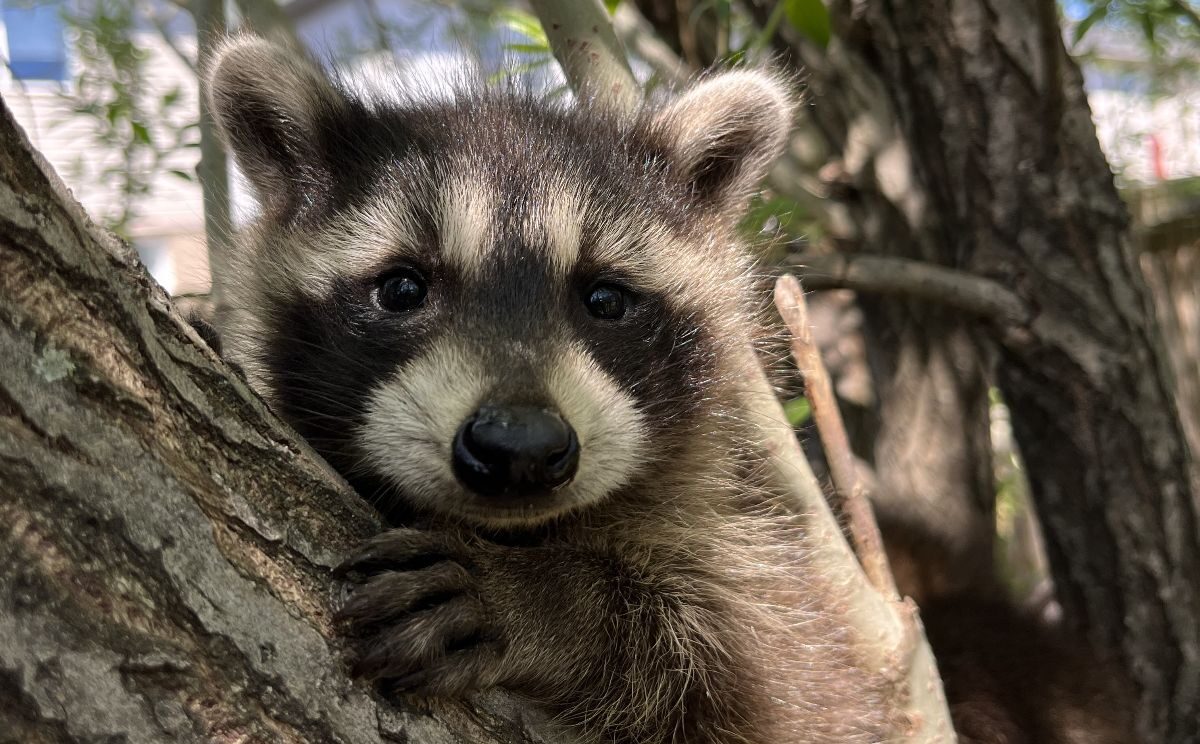
As the temperatures rise and the days grow longer, raccoons transition out of their winter state of rest and become much more active. These clever creatures take advantage of the warm weather by spending their time foraging for food, looking for water sources, and caring for their babies.
You may catch sight of them in your yard, digging through your garden, or rifling through your garbage bins. The summer months bring an abundance of activity to the animal world, and raccoons are no exception. The increased movement and presence of these animals can sometimes create challenges for homeowners.
In this blog, we explain how raccoon behaviour changes during the warmer weather and what that could mean for your property. You will gain insights into the habits raccoons display and learn how to keep your home safe from their activities.
At Skedaddle Humane Wildlife Control in Mississauga, we are experts at understanding raccoon behaviour and dealing with them using safe and effective methods. We are dedicated to protecting your home so you can enjoy a worry-free summer. Leave the hard work to us while we focus on keeping your space secure from unwelcome animal visitors.
Do raccoons hibernate?
No, raccoons do not hibernate. Instead of sleeping through the whole winter, they enter a deep resting state known as torpor. Torpor allows them to sleep for days or weeks when the temperature drops, helping them save vital energy. During this time, their body temperature drops slightly, and they rely on the fat they built up during the fall.
When the weather warms up, they wake up and start moving again. You will not see them much in January, but an early spring thaw quickly brings them out of their dens. They immediately start looking for fresh food and water to recover their strength. This transition from resting to active hunting is a major part of their yearly cycle.
Increased Foraging And Activity
Warmer weather completely transforms how raccoons spend their time. After a long winter of resting, they need to eat as much as possible to regain their energy. Summer provides a huge variety of easy meals for them to enjoy. You will often see the results of their busy nights when you wake up in the morning. Here is how their search for food changes during the warmer months:
- Hunting for Insects and Plants: Raccoons love to dig up lawns looking for grubs, worms, and insects. They also feast on fresh berries, fruits, and vegetables growing in local gardens. This wide diet helps them recover the body weight they lost over the winter. You might find small holes in your grass where they have been searching for a tasty snack.
- Raiding Garbage Bins: Human food is a very easy target for a hungry animal. Raccoons have clever hands that can easily open trash cans and green bins left outside. They will eat leftover scraps, discarded meat, and anything else that smells good to them. Securing your bins is a great way to stop them from visiting.
- Eating Outdoor Pet Food: Many people leave dog or cat food on their porches during the summer. Raccoons can smell this food from far away and will happily invite themselves over for dinner. They will return every single night if they know a free meal is waiting for them. We always recommend feeding your pets indoors.
Active Maternal Care
Spring and summer are the most important times for a mother raccoon. This is when she gives birth to her babies, known as kits, and starts raising them. A mother raccoon is extremely protective of her young and will do anything to keep them safe. She spends most of her time finding extra food to produce milk for her growing family.
As the kits get older, they start to leave the den and explore the world. You might see a family group moving together through your yard in the late evening. The mother teaches her babies how to climb, hunt, and find safe places to hide. This learning period is essential for the young animals to survive on their own.
During this time, mother raccoons are very vocal and active. The babies make chirping or chittering noises that sound almost like birds. If you hear these strange sounds coming from your attic or chimney, a family has likely moved in. Our experts know exactly how to handle these delicate situations safely.
Water Seeking For Cooling
The lazy summer days can get very hot, and raccoons need ways to cool down. Just like us, these animals look for fresh water to stay hydrated and comfortable. They will travel great distances to find a reliable water source. Ponds, creeks, and birdbaths are very popular spots for them to visit.
You might even catch them swimming in your backyard pool. They use the cool water to lower their body temperature on a humid night. Raccoons also have a famous habit of “washing” their food in the water before they eat it. This action actually helps their sensitive paws feel the food better.
If your property has easy access to water, it becomes a prime target for wildlife. They will keep coming back to drink, swim, and eat near the water’s edge. Removing standing water from your yard is one simple way to make your home less attractive to them. Our team can help point out areas that might draw animals in.
Shift to Crepuscular Activity
Raccoons are nocturnal, meaning they prefer to be awake at night. However, the extreme heat of summer forces them to change their schedule. They adapt by becoming more active during the coolest parts of the day. This shift in timing helps them avoid the harsh afternoon sun. Here is how their daily routine adjusts:
- Early Morning Roaming: Raccoons will often stay out right up until the sun rises. The dawn hours offer cool air and a quiet environment for them to finish hunting. You might spot them heading back to their dens just as you are waking up. They use this time to gather one last meal before sleeping through the hot day.
- Late Evening Starts: Instead of waiting for total darkness, they often wake up at dusk. The setting sun drops the temperature to a comfortable level for them. This is when they begin their nightly search for food and water around your neighbourhood. It is also the time when they are most likely to interact with humans.
- Avoiding the Midday Heat: You will rarely see a raccoon out in the middle of a hot summer day. They stay hidden in dark, cool dens to protect themselves from the sun. If you do see one during the day, it is usually a mother desperately looking for food. We always advise giving them plenty of space if you cross paths.
Denning Changes Specific To Early Warmth
When the weather first starts to warm up in late winter or early spring, raccoons look for new homes. A mild spell of weather triggers their mating season, causing males to travel far and wide. After mating, the females urgently need a safe, dry, and warm place to give birth. They often abandon natural tree cavities for better options.
Human homes provide the perfect environment for a mother to raise her kits. Attics, chimneys, and sheds offer great protection from the rain and wind. The mother will use her strong paws to tear off roof vents or shingles to get inside. Once she is in, she creates a cozy nest using your home’s insulation.
This early warmth means homeowners need to be highly aware of their roofs and walls. Waiting too long allows a whole family to settle into your living space. We strongly suggest letting our professionals inspect your home if you suspect an animal has moved in. We have the right tools to safely manage the situation.
Understanding Wildlife Behaviour During Early Thaws
When the early warmth of spring or late winter thaws arrives, animals begin to prepare for their mating season. This increase in temperature signals many wildlife species to become more active, searching for partners and suitable nesting spots. You might hear more frequent vocalizations as animals call to one another, marking their territories or attracting mates. This period of heightened activity means animals are on the move, which can lead to increased encounters with homes and properties.
Along with increased vocalization, you may notice more signs of wildlife looking for shelter. Animals such as raccoons and squirrels are known to take advantage of attics, chimneys, or wall spaces as safe havens for raising their young. Early warmth brings a sense of urgency to their nesting habits as they seek out places that are warm, dry, and protected. This behaviour can result in damages to roofs, vents, or siding as they make their way inside.
It is especially important to stay vigilant for these changes in and around your property during this time. If you hear scurrying, scratching, or unusual sounds, it could be an indication of wildlife activity. Early detection can prevent damage and ensure the safety of both your household and the animals. Our professional wildlife control services are equipped to identify and address these issues safely, protecting your home while keeping local wildlife handled humanely.
Raccoon Prevention with Skedaddle
Keeping your home safe from raccoons requires our professional knowledge and experience. Raccoons are incredibly strong and smart, making them difficult to keep out. Our team provides lasting solutions to protect your property from damage. We use proven methods that keep the animals outside where they belong. Here is how our service works:
- Detailed Property Assessments: We thoroughly inspect every inch of your home’s exterior. Our trained technicians look for tiny gaps, broken vents, and weak spots on your roof. We identify exactly how the raccoons are getting inside your house. This careful step ensures we never miss a hidden entry point.
- Humane One-Way Doors: We never trap or relocate raccoons, as it is cruel and ineffective. Instead, we install special one-way doors over their entry points. These doors allow the animals to leave your home safely to find food. Once they are out, the door stops them from getting back inside.
- Securing and Protecting: After the raccoons leave, we seal your home against future invasions. We use heavy-gauge steel mesh to cover vents, pipes, and vulnerable roof areas. This strong material prevents animals from chewing or tearing their way back in. We take pride in defending your home for the long term.
Raccoon Invasions In Mississauga
Mississauga is a beautiful city filled with parks, ravines, and green spaces. This mix of nature and suburban housing creates the perfect habitat for raccoons. They easily travel from the Credit River or local parks right into residential backyards. The local climate, with its warm summers and cold winters, perfectly matches their natural cycles.
Homeowners in Mississauga frequently deal with animals damaging their roofs or raiding their green bins. Local building styles often feature roof vents and soffits that raccoons can easily break. Because of this, it is very common for residents to need expert help. Our Skedaddle Humane Wildlife Control team in Mississauga understands exactly how to handle these regional challenges.
Frequently Asked Questions
Do raccoons attack humans?
Raccoons are usually afraid of humans and will try to run away if they feel threatened. They prefer to avoid contact and stay hidden whenever possible. However, a mother raccoon can become aggressive if she is protecting her babies. It is always best to keep your distance and never try to approach or touch a wild animal.
Are raccoons active in the rain?
Yes, raccoons will still search for food when it is raining. Light rain does not bother them, and they continue their normal activity. During heavy storms, they may look for shelter until conditions improve. After the rain stops, they often become active again right away.
Why do raccoons chirp?
Baby raccoons make chirping or chittering sounds to communicate with their mother. These sounds help the mother locate and care for her young. If you hear bird-like noises inside your attic or walls, it could mean there is a nest nearby. This is a common sign of a raccoon family living in your home.
How can you tell if a raccoon is in your attic?
Raccoons in your attic often make loud noises, especially at night when they are most active. You may hear heavy footsteps, scratching, or thumping above your ceiling. Outside, there may be signs like torn shingles or damaged vents. These clues usually mean a raccoon has found a way inside your home.
Warm Weather? We Deal with Raccoon Behavioural Changes
Summer is a time to relax and enjoy the warm weather, but it’s also a season when wildlife activity increases. Animals like raccoons are busy searching for food and shelter, and sometimes that means they move a little too close to home. Protecting your property from these animals is an important part of maintaining a safe and comfortable living space. Securing your home early can help prevent damage, unwanted animal guests, and stress down the road.
At Skedaddle Humane Wildlife Control in Mississauga, we understand how important it is to feel safe in your home. That’s why we offer professional and humane solutions to deal with raccoon challenges. Our methods are designed to protect animals while also safeguarding your property. With tools like one-way doors, we ensure that animals are safely removed and cannot return. You can trust our experienced team to help you every step of the way.
Don’t wait for a problem to get out of control. Contact us today to learn more about how we can help. With our reliable services, you can rest easy and enjoy your summer without worrying about unexpected animal visitors. Skedaddle is here to make your home a wildlife-free zone.

 Loading...







