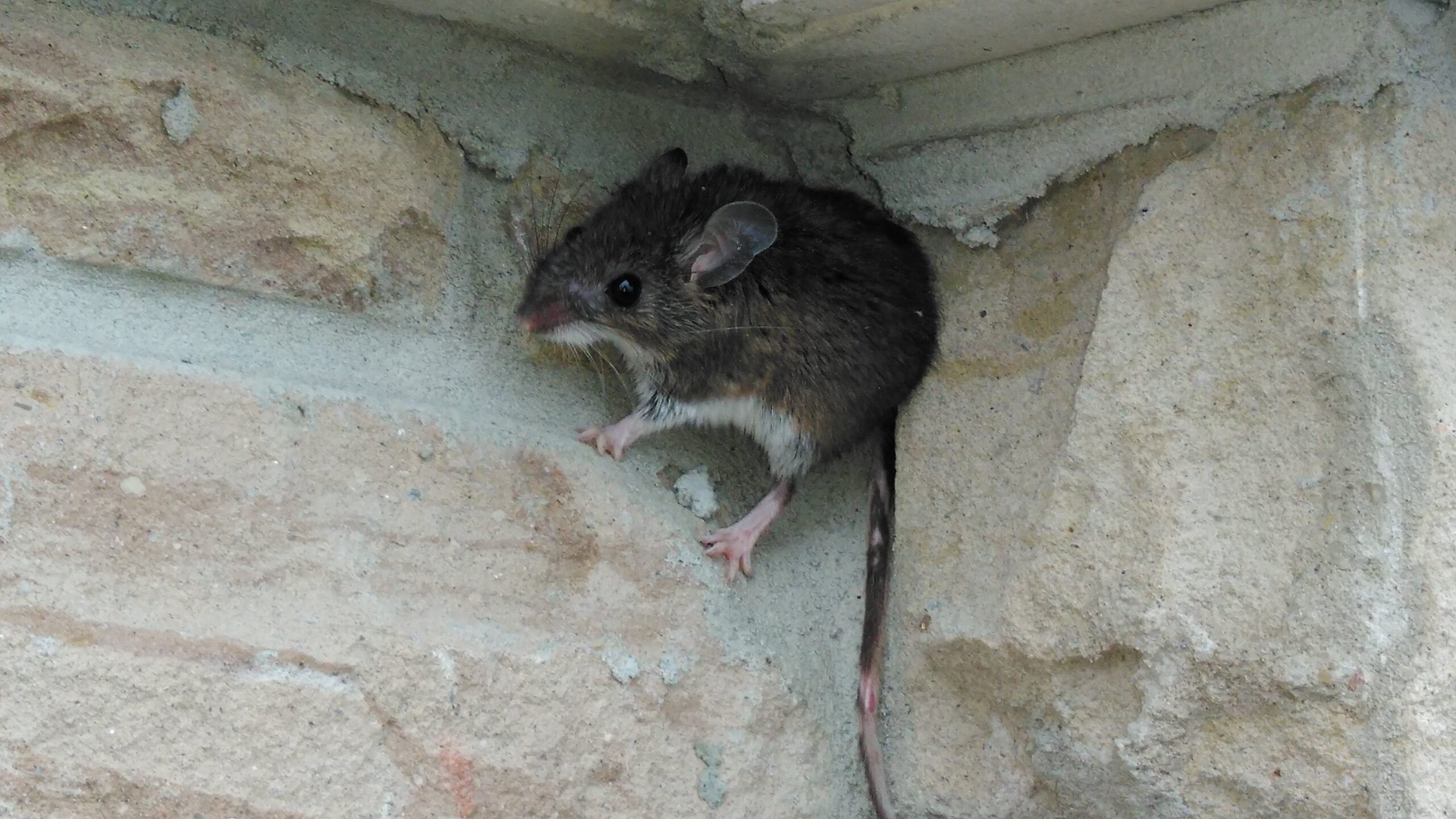
Mice can fit through openings as small as a dime; their flexible skeletons and small size allow them to squeeze into tight spaces. They are motivated not just by hunger but also by an instinctive drive for shelter, warmth, and safety, especially during colder months. This behavior explains why even tiny gaps in Pittsburgh homes and businesses can lead to large scale infestations, property damage, and health risks, highlighting the importance of proactive prevention and control measures.
The Remarkable Physical Abilities of Mice
Mice possess extraordinary features that make squeezing through gaps possible. Their bodies are engineered for adaptability, allowing them to navigate areas we would never expect.
Anatomy That Allows Squeezing
Unlike larger animals, the structure of a mouse’s body means that if their head can fit somewhere, the rest of their body is sure to follow. Mice have several anatomical traits that give them this edge:
- Highly flexible rib cages that compress to fit through tiny spaces
- Soft shoulders and collarbones that can collapse inward
- Narrow skulls—the limiting factor for how small an opening needs to be
- Whiskers that help them judge the depth and width of openings
Surprisingly, mice only need about half an inch—a space as small as a dime—to pass through, much smaller than many realize. Their agility and diminutive size make the topic of “how mice fit through small spaces” a legitimate concern for every property owner.
Master Climbers and Navigators
It’s not just about squeezing through holes on the ground. Mice are expert climbers and can scale brick, masonry, and even vertical siding. This climbing ability means points of entry could be anywhere from the foundation all the way to the roofline. When searching for gaps, homeowners often overlook these high or hidden access points.
Understanding these physiological advantages helps explain why traditional strategies often fall short. Their bodies are simply built for infiltration, leading directly to their behavioral motivations—a topic that provides even more insight.
Motivations Behind Mice Squeezing Through Gaps
Physical capability is just one part of the story. In Pittsburgh, our changing seasons and urban density add to the drive for rodents to seek new shelter. Mice don’t rely solely on food motivation; their instinct for shelter and safety is equally powerful.
Instincts for Survival
Mice are constantly seeking shelter from cold weather, particularly as fall and winter temperatures drop. They look for safety from predators like birds and domestic pets, search for new food sources when outdoor supplies dwindle, and seek secure places to nest and raise their young, taking advantage of their high reproduction rates. Their impressive ability to fit through small spaces means they can exploit gaps homeowners never thought possible.
Hidden Insight: Safety Over Hunger
Food draws mice indoors, but, more importantly, it is their instinct for a secure nesting site that makes your home or business so attractive. Attics, basements, and wall cavities far from human activity make perfect hideouts. Once inside, mice follow their urge for safety, often spreading undetected throughout unoccupied spaces.
The key takeaway is that keeping mice out is about more than just denying access to food—blocking every gap is critical for preventing entry and denying them the safety they seek.
How Mice Navigate Small Openings: Behavior in Action
Beyond anatomy and instinct, mice exhibit behaviors that help them identify and exploit gaps. Their senses and habits make them even more adept at invading structures.
The Search for Openings
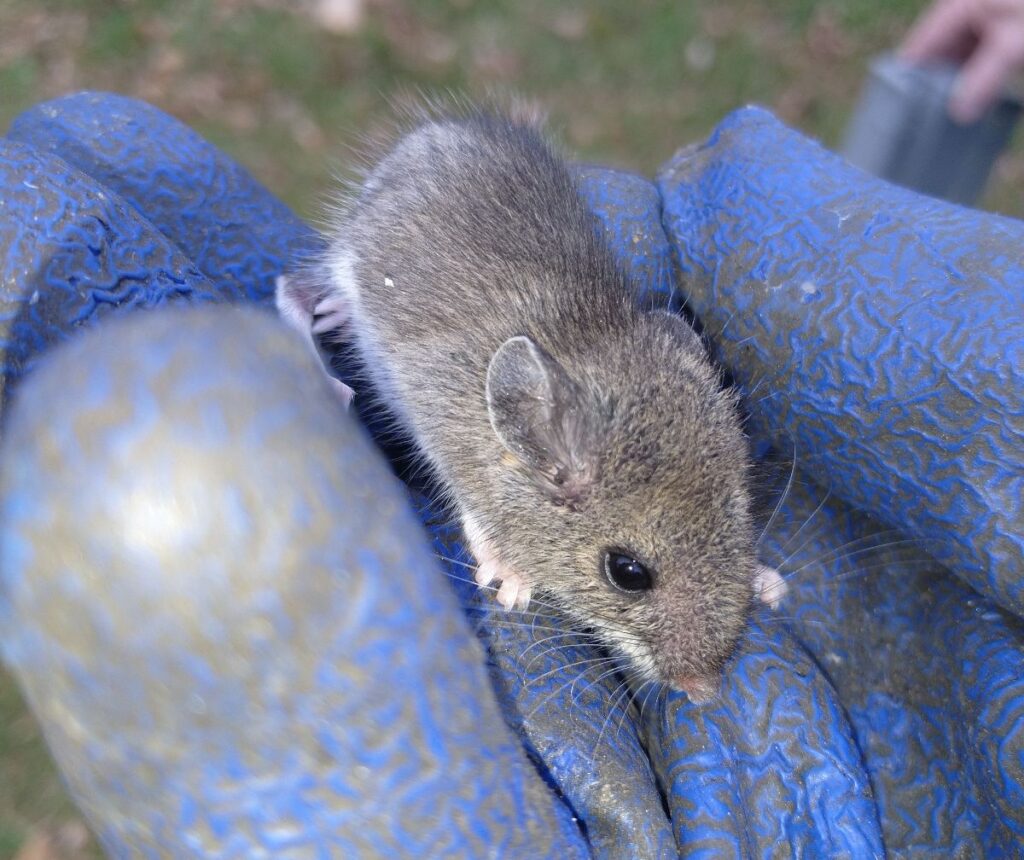
Mice possess keen senses that help them explore and identify even the most subtle vulnerabilities:
- Whiskers that detect airflow and surface variations, helping them locate gaps
- Sharp teeth that allow them to gnaw at and widen existing cracks or holes
- Nocturnal behavior that means they explore primarily at night when it’s quiet and safe
Moreover, mice are nothing if not persistent. If they sense warmth or detect food odors coming from a gap, they will return repeatedly, testing until they push through.
Adapting to Their Surroundings
Mice learn quickly from their environment. Paths for wires, plumbing, and vents frequently become their highways. Once a mouse finds an entryway, it often leaves scent trails, encouraging others to follow. This means a single overlooked gap can quickly turn into a busy thoroughfare—making the issue of mice squeezing through gaps a year-round concern.
As we transition into the next section, knowing how mice exploit structural vulnerabilities informs the best steps for keeping them out.
Preventing Mice Entry: Essential Strategies for Home and Business
Effective measures for preventing mice entry require attention to detail. At Skedaddle, we know that sealing entry points is the most critical step, vastly more effective than relying on traps or poisons.
Inspection and Identification
Effective rodent prevention begins with identifying every potential entry point. This includes conducting thorough property assessments from the foundation to the roofline, pinpointing gaps around utility lines, vents, weep holes between bricks, and eaves. Inspectors also look for signs of activity such as droppings, greasy fur stains, and chewed materials, while checking for branches or wires that could provide rodents with access to upper floors or rooftops.
A professional inspection covers the “hidden highways” mice use, many of which are missed in casual checks.
Sealing the Property
Sealing is not about a single fix; it’s about ongoing diligence:
- Use heavy gauge steel mesh or specially formulated exclusion sealant for gaps, cracks, and vents
- Install weather-proof door sweeps on exterior doors
- Repair window screens and vent covers
- Clear vegetation away from the foundation
- Store food and waste securely, reducing attractants
At Skedaddle Humane Wildlife Control, we use materials built to withstand Pittsburgh’s weather and the persistent gnawing of rodents. We believe in permanent solutions—mouse-proofing each unique property for long-term security.
How Skedaddle’s Service Makes the Difference
Many homeowners and business owners turn to traps or poison, but these methods fail to address the source of the problem, offering only short-term relief. At Skedaddle, our approach focuses on:
- Finding and blocking every potential entry point
- Installing one-way doors to let mice leave safely, preventing re-entry
- Cleaning and restoring contaminated spaces, such as attics and insulation
- Using humane, poison-free strategies that are safe for families and pets
By focusing on exclusion rather than just removal, we stop infestations at their root—not just treat the symptoms.
The Risks of Mouse Infestation: Why Prevention Matters
Understanding the reasons for mouse invasions highlights the importance of taking action before problems worsen. Mice reproduce rapidly, and a single undetected entry point can lead to a significant infestation.
Dangers Beyond Property Damage
Mice represent more than a nuisance—they bring real health and safety risks:
- Chewing on wires, leading to potential fire hazards
- Damaging insulation, ductwork, and stored items
- Contaminating surfaces with droppings that transmit diseases
- Spreading bacteria through urine and nesting materials in hidden areas
If mice go unnoticed, clean-up becomes more extensive and expensive over time. Our high standards for thorough exclusion and clean-up mean we can prevent repeat offenses and the health risks they entail.
Quick Multiplication
Female mice can reproduce every 21 days, so what starts as a minor sighting can quickly escalate into a full-blown infestation. As these rodents find security within your walls, their population grows, and so does the damage.
This makes a proactive approach—such as professional inspections and exclusion—vital for both residential and commercial properties throughout Pittsburgh.

Why Working with Skedaddle Provides Lasting Results
As locals to the area, our team knows Pittsburgh homes and businesses inside and out—and we understand how mice fit through small spaces, leveraging their biological abilities and survival instincts. Our technicians are trained to spot subtle clues, from droppings in the attic to barely visible gaps outside.
By delivering detailed inspections, expert exclusion, and thorough clean-up, we help clients:
- Stop the cycle of mice squeezing through gaps for good
- Avoid the health hazards and property destruction caused by infestations
- Enjoy a safer, cleaner home or workplace all year round
With our experience and specialized tools, you can rest easy knowing every potential entry point has been addressed. Reach out to Skedaddle for a personalized, professional service that keeps your Pittsburgh property truly mouse-free.
Secure Your Home from Unseen Mouse Invaders
Mice may appear small and harmless, but their extraordinary abilities allow them to infiltrate virtually any home or business—often through gaps no larger than a dime. With climbing skills, adaptability, and persistent instincts for shelter and safety, these rodents exploit even the tiniest vulnerabilities, leading to significant damage and health hazards.
Protecting your property demands more than quick fixes. Skedaddle approaches every situation with thorough inspections, expert exclusion, and humane, poison-free solutions customized to your unique needs. Our experienced technicians ensure that every entry point is found and sealed, preventing recurring infestations and costly repairs down the road.
Don’t wait for a minor mouse problem to spiral out of control. Contact Skedaddle Humane Wildlife Control today and take the first step towards a safer, mouse-free environment—let us help you reclaim your peace of mind, one expertly sealed gap at a time.

 Loading...