You might think winter slows everything down, even wildlife. But for many businesses in Toronto, that’s when another kind of problem starts to build up. When temperatures drop, flocks of pigeons, starlings, and sparrows gather around warm buildings. You notice them perched on ledges, loading docks, and signs. What you might not see right away is the mess they leave behind and the health risks that come with it.
During the colder months, birds spreading disease in Toronto becomes a major concern. Their droppings pile up near entrances, vents, and rooftops. As these droppings dry, they turn to dust that can carry bacteria and fungi through your building’s air. You breathe it in without realizing it, and that’s where the danger begins.
At Skedaddle Humane Wildlife Control in Toronto, we see how winter bird droppings in businesses create safety, health, and property issues that can’t be ignored. You’ll learn how these animals cause problems, the risks they bring to staff and customers, and how our team helps prevent bird issues in Toronto safely and humanely.
The Hidden Dangers Behind Droppings
Droppings aren’t just unpleasant to look at. They carry serious risks for your business. Once birds find a warm spot to perch, they can leave dozens of droppings every day. Over time, those piles eat away at building materials and release harmful spores.
Here’s what’s happening:
- Corrosion: The acid in droppings breaks down metal, stone, and paint. You might notice stains or crumbling surfaces near ledges or vents.
- Slippery Surfaces: Wet droppings make sidewalks and loading areas dangerous for anyone walking through.
- Health Hazards: Bacteria like Salmonella and fungi that cause histoplasmosis can become airborne once droppings dry.
- Air Quality Problems: HVAC systems pull contaminated dust inside, spreading it through offices, restaurants, and warehouses.
If you manage a restaurant, retail store, or office tower, this can quickly turn into a health code violation and a serious reputation issue.
How Birds Choose Your Building
You might wonder why certain businesses attract more flocks than others. The truth is, modern buildings give them everything they need to survive cold weather — warmth, shelter, and food.
Common hot spots include:
- Rooflines and ledges with steady heat escaping from inside.
- Open eaves or small roof gaps that provide wind protection.
- Light signs, ventilation units, or canopy tops that stay warm overnight.
- Dumpsters and loading docks where crumbs or food waste collect.
Once a few settle in, others follow. The longer they stay, the harder it becomes to move them out. That’s when winter bird droppings in businesses start to build up fast.
The Chain Reaction: Droppings, Dust, and Disease
You might see a bit of mess outside and think it’s harmless. But when droppings dry, they crumble into tiny dust particles that spread through air currents. If these particles are disturbed by wind, maintenance, or even vehicles, they can enter your ventilation system.
This dust carries bacteria and fungal spores that cause infections when inhaled. Histoplasmosis, for example, starts with mild flu-like symptoms but can become severe for anyone with a weak immune system. In crowded offices or warehouses, that risk spreads quickly.
It’s not just about people, either. Contaminated droppings can corrode wiring and machinery. Businesses that ignore it often face repair bills long before they realize what’s happening.
How Nesting Adds to the Problem
When birds nest inside or around your building, the issue grows fast. Nests trap moisture, block vents, and create perfect spots for mites and fleas. Even after the flock moves on, droppings and debris left behind keep attracting new ones.
Here’s how nesting impacts your property:
- Blocked Airflow: Nests in vents or ducts reduce heating efficiency and raise energy costs.
- Fire Hazards: Dry nesting material near lights or fans can ignite easily.
- Parasites: Mites and lice living in nests often move indoors in search of new hosts.
- Odour and Noise: Repeated cooing, scratching, and waste buildup make your workplace unpleasant for staff and customers.
You may also notice birds gathering near doorways or under signs where light and heat attract insects, another easy food source during winter.
Property Damage You Don’t See Right Away
You may clean the visible mess, but droppings often seep into cracks and joints, causing long-term damage. The acid slowly wears away at materials you rely on every day.
Here’s what we frequently find:
- Roof Leaks: Erosion around flashing or drainage points lets water in during spring thaws.
- Damaged Paint and Metal: Corrosion eats through coatings on HVAC units, pipes, and outdoor fixtures.
- Pest Attraction: Accumulated droppings invite insects like flies and beetles that feed on organic waste.
All of this leads to higher maintenance costs and risks that can easily be avoided by addressing the root cause early.
The Business Impact You Might Overlook
Beyond property damage, there’s the impact on your employees and customers. Imagine walking into a store or office where droppings streak the entrance or smell lingers near vents. That first impression can drive people away before they ever step inside.
Employees working near affected areas may experience headaches, coughing, or skin irritation from airborne particles. Over time, sick days and lowered morale follow. In industries like food service, inspections can lead to warnings, fines, or even temporary closures.
When you take steps to prevent bird issues in Toronto, you’re not just protecting your building, you’re protecting your brand.
Ways to Protect Your Business Before Birds Return
While you shouldn’t try handling the problem yourself, awareness helps you notice early signs before the issue grows. When you know what attracts them, you can call for help sooner.
Watch for:
- Droppings near entrances, vents, or signs.
- Clusters of birds resting on roof edges.
- Noises in ceiling spaces or ventilation shafts.
- Sudden odor or dust near ducts or light fixtures.
To prevent bird issues in Toronto, simple upkeep supports professional work later on:
- Keep outdoor eating areas clean and garbage sealed.
- Repair damaged siding or gaps around pipes quickly.
- Remove standing water from flat roofs or gutters.
Even small actions make a difference when paired with expert exclusion and maintenance from our team.
Take Control of Your Building’s Health
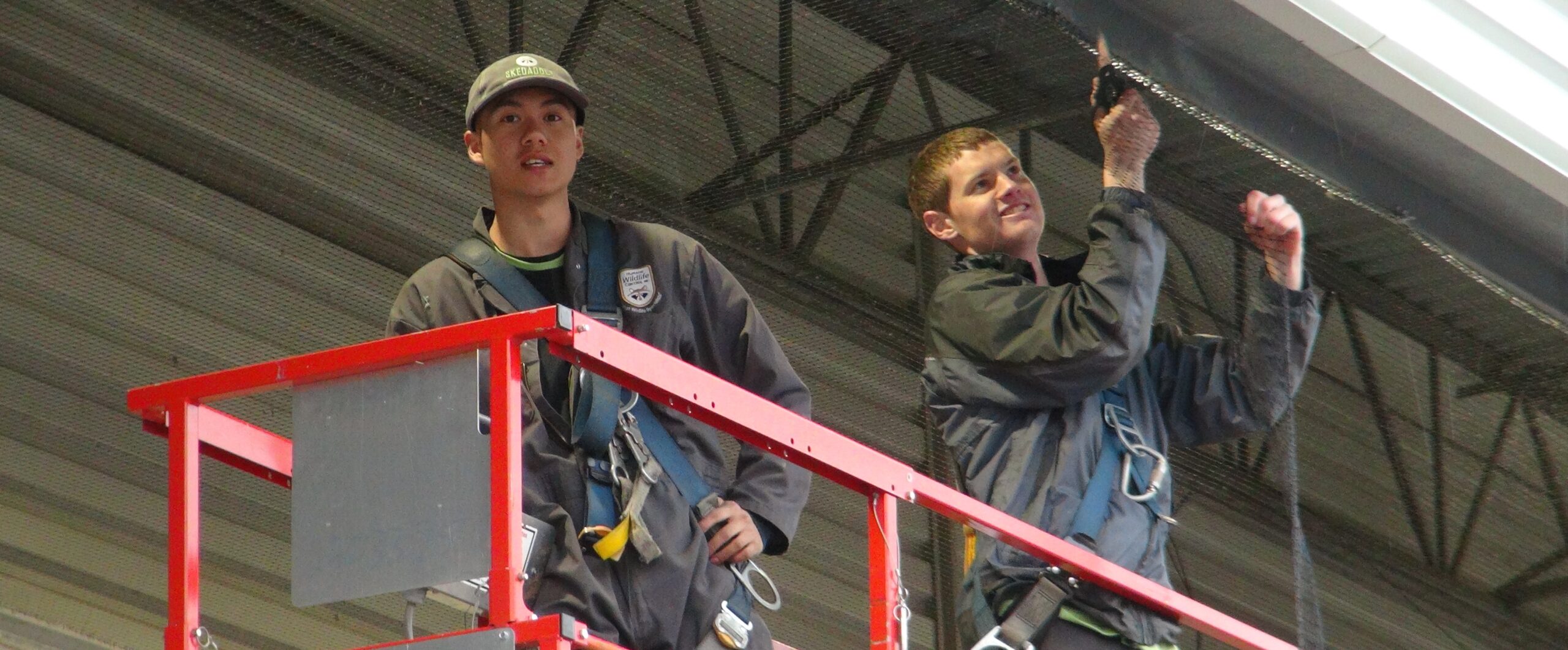
When you see droppings collecting around your property or hear birds gathering near vents, don’t wait. You could already be facing contamination or structural damage. Our professionals at Skedaddle Humane Wildlife Control in Toronto know how to remove them safely, install one-way doors, and seal your building for good.
Protect your employees, customers, and property from birds spreading disease in Toronto this winter.
Request an estimate today to learn how we can prevent bird issues in Toronto and keep your business clean, safe, and protected all year long.

 Loading...







