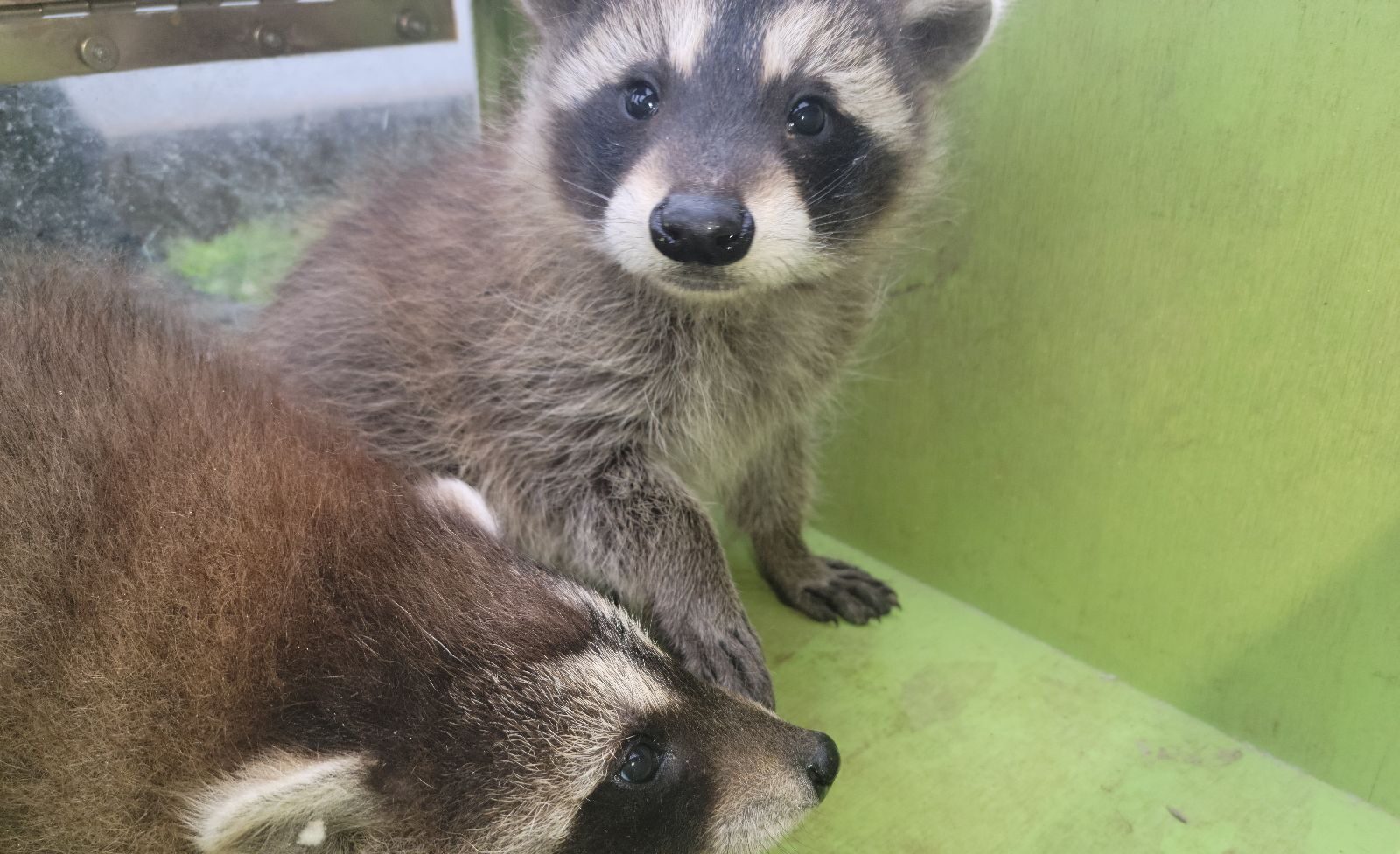
You step out onto your fire escape and find droppings on the landing. The metal railing has scratch marks you did not notice before. A neighbor mentions they spotted a large raccoon climbing up the side of the building after dark. If any of this sounds familiar, you already have a problem and it is not going away on its own.
Yes, you should worry about raccoons climbing the fire escape. Raccoons are strong, smart, and excellent climbers. A fire escape gives them a ready-made ladder straight up the side of your building, all the way to the roof and any vulnerable entry points along the way. Once they find a reliable route up, they use it every night. And every night they use it, the risk of them getting inside your home or causing damage to your building goes up.
At Skedaddle Humane Wildlife Control in Pittsburgh, we work with homeowners and building residents every season who discover these animals are using their fire escape as a regular travel route. In this blog, you will learn exactly why fire escapes are such an attractive access point, what problems raccoons cause along the way, and why calling our team is the right move the moment you spot signs of activity.
Can Raccoons Enter a Home Using a Fire Escape?
Yes, absolutely. A fire escape gives these animals direct access to upper-floor windows, roof hatches, attic vents, and any gap along the roofline that would otherwise be out of reach from the ground. Raccoons are powerful climbers and can scale metal railings, ladders, and grating with ease. Once they reach the upper levels of a building, they test every surface for a way in.
Open or unlocked windows on upper floors that face a fire escape are an obvious entry point. But even closed windows with worn weatherstripping, damaged screens, or gaps in the surrounding frame give these animals something to work with. They are strong enough to push a screen aside or pry open a gap that is only partially secured. A fire escape landing right outside a window is all the access point they need to investigate what is on the other side.
Roof hatches, attic vents, and the area where the fire escape connects to the building at roof level are also common entry points our team finds during inspections. Raccoons follow the fire escape all the way to the top of the structure and then move along the roofline testing every opening. If you are in an upper-floor unit or if your building has attic space above the top floor, a fire escape that is being used regularly by these animals puts your home directly in their path.
Structural Damage From Chewing and Waste
Raccoons do not just pass through on their way somewhere else. They chew, they leave waste, and they cause damage at every level they occupy. Fire escapes, window frames, soffits, and roofline materials all become targets. Here is what that damage looks like:
- They Chew Through Wood, Siding, and Window Frames: Raccoons chew to keep their teeth worn down and to create or widen entry points. Wood window frames, siding around fire escape connections, and any soft material along the roofline are all vulnerable. Once they identify a spot they want to get into, they work at it persistently. The damage can happen faster than most people expect – a gap that is barely noticeable one week can be significantly larger the next.
- Waste Accumulates on Landings and Contaminates Surfaces: Raccoons use the same spots repeatedly as latrine sites. Fire escape landings, window sills, and flat surfaces near their travel route collect droppings that build up over time. That waste is not just unpleasant – it carries bacteria and parasites that create real health risks for anyone using the fire escape. Residents should never attempt to clean droppings from these animals on their own. Call our team and let us handle it safely.
- Urine and Droppings Cause Long-Term Surface Damage: Beyond the health risks, the waste these animals leave behind is corrosive to metal and wood surfaces over time. Fire escape grating, railings, and the wooden or masonry surfaces they contact regularly can sustain damage from repeated exposure to urine and droppings. In older Pittsburgh buildings where fire escapes are already aging, that additional damage can accelerate deterioration of materials that are already worn. The longer the situation goes unaddressed, the more the surfaces underneath break down.
Creating Fire Hazards
A fire escape is a critical safety feature, and anything that compromises it creates a serious risk. Raccoons contribute to fire hazards in ways that most residents never think about until the damage is already done. Here is how their activity creates fire risk in and around your building:
- Nesting Material Inside the Structure Is Highly Flammable: If raccoons find a way into the attic or wall void above or beside the fire escape, they bring nesting material with them. Dried leaves, grass, paper, and insulation pulled from the surrounding structure are all common nesting materials. That dry, loosely packed material packed near electrical wiring or near heat sources creates a serious fire risk. Our team regularly finds nesting material in contact with wiring during attic inspections, and the risk it creates is not minor.
- Chewed Electrical Wiring Is a Hidden Hazard: Raccoons chew through electrical wiring without any awareness of the danger it creates. Stripped and exposed wires near nesting areas or along the route raccoons use inside a structure can arc and ignite surrounding material. In older Pittsburgh buildings where wiring may already be aging, that additional damage from chewing can push a marginal situation into a dangerous one. Chewed wiring is one of the most serious and most commonly overlooked consequences of an active infestation.
- Fire Escape Blockage Delays Emergency Response: A fire escape that is regularly used by raccoons can accumulate droppings, nesting debris, and other material on the landings and grating. In an emergency, that buildup can create slip hazards and slow down evacuation. A fire escape that is partially blocked or slippery from waste is not performing the function it was designed for. That safety compromise is one of the most direct reasons to address fire escape activity as soon as it is discovered.
Exhibiting Aggression
Raccoons are not naturally aggressive, but they can become dangerous when they feel trapped, scared, or when a mother is protecting her young. A fire escape is a tight space with narrow landings and metal railings, and there is not much room to move if you come face to face with one after dark. That kind of surprise encounter can go wrong very fast.
Stepping out onto the fire escape at night and finding one of the raccoons on the landing is something our team hears about all the time. When they feel like they have nowhere to go, they react – hissing, lunging, or scratching. There is not much space to back away safely on a fire escape landing. Children and pets near fire escapes where raccoons are active are especially at risk because they are less likely to recognize the warning signs before the animal reacts.
Mothers with young nearby are the hardest to predict. If a female has set up a den in the attic or on the roof above the fire escape, she treats that whole route as her territory. Residents who use the fire escape regularly may cross her path more than once, and every one of those encounters carries real risk. Do not try to manage this on your own. If you know raccoons are using your fire escape, call our team right away and stay away from that area until we have taken a look.
What Are the Major Health Risks?
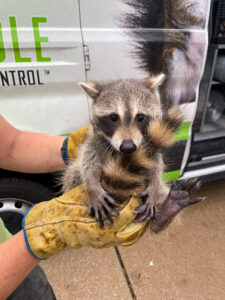 Raccoons carry diseases and parasites that put anyone who uses a contaminated fire escape at risk. The danger does not require direct contact with the animal – the waste they leave behind is a health hazard all on its own. Here is what residents need to know:
- Droppings Carry Dangerous Bacteria and Parasites: The waste raccoons leave on fire escape landings and railings contains harmful bacteria like salmonella and leptospirosis, as well as a roundworm parasite called Baylisascaris procyonis. This parasite is found in raccoon droppings and can cause serious illness if someone accidentally touches a contaminated surface and then touches their face or mouth. Children are especially at risk because they are more likely to touch railings without thinking about it. Residents should never try to clean up droppings on their own — call our team and we will handle it safely with the right protective equipment.
- Rabies Risk From Direct Contact: Raccoons are one of the most common carriers of rabies in Pennsylvania. A bite, a scratch, or even contact with saliva from an infected animal requires immediate medical attention. On a fire escape where raccoons show up regularly, the chance of a surprise encounter is much higher than it would be out in an open yard. Residents who use the fire escape often are at greater risk simply because they are in close range more frequently. If you see one of these animals on your fire escape, do not go near it and do not try to scare it away. Call our team.
- Urine Contaminates Surfaces and Creates Ongoing Exposure: Raccoons urinate along the routes they use regularly, which means a fire escape that gets regular traffic becomes a contaminated surface that residents touch every single time they use the stairs. Leptospirosis spreads through contact with infected urine and can enter the body through small cuts in the skin or through the eyes, nose, or mouth. You do not have to touch the animal to be at risk. Our team safely cleans and treats all contaminated surfaces as part of the full removal and prevention process.
Obstructing Emergency Exits
A fire escape has one job to get people out of a building safely when there is an emergency. When wildlife is regularly using that exit, it stops doing its job the way it should. Here is how raccoons turn a safety feature into a real liability:
- Droppings and Debris Make the Grating Slippery: Fire escape grating is built to give people grip when they need it most. But when droppings and debris build up on the surface, that grip goes away, especially in wet weather. A slippery fire escape in an emergency evacuation, especially at night, can cause serious falls on the stairs or landings. Every resident who uses that exit is at risk, and most would have no idea the surface is compromised until they are already on it.
- Nesting Material Can Jam the Drop Ladder: Most fire escapes have a drop ladder at the bottom that has to deploy quickly in an emergency. If these animals have been nesting near the ladder mechanism or if debris has built up around the moving parts, that ladder may not open when someone needs it. There is no way for residents to know the ladder is jammed until the exact moment they are counting on it to work. That is a critical failure at the worst possible time.
- Raccoons on the Landing Blocks the Way Out: If one of these animals is sitting on a fire escape landing during an emergency evacuation, residents cannot simply wait for it to move. Trying to get past a scared or cornered animal in a tight space puts everyone at risk of a bite or scratch. Our team has responded to buildings where residents were afraid to use the fire escape at all because of regular wildlife activity on the stairs. A safety exit that people are too scared to use is not doing its job.
Raccoon Problems in Pittsburgh
Pittsburgh’s older neighborhoods, hillside properties, and tightly packed blocks give raccoons a lot of ways to move through the city. Steep streets, retaining walls, and buildings at different elevations create natural climbing routes that connect yards, rooftops, and fire escapes across whole blocks. Our team at Skedaddle works across Pittsburgh every season and sees fire escape activity most often in older parts of the city where aging buildings and tight layouts give raccoons the most opportunity.
Spring is the busiest time of year for this kind of activity in Pittsburgh. Females are looking for safe, elevated spots to give birth and raise their young, and upper floors reached by fire escape are a top choice. By the time residents spot the signs – droppings, sounds at night, scratch marks on the railing – a female may already have a litter set up somewhere inside the building above. Acting quickly in spring makes a big difference in how easy or hard the situation is to resolve.
Fall brings another wave of activity as raccoons look for warm shelter before winter hits. Buildings where the fire escape has been used as a travel route before are targeted again, because scent markings left from prior seasons signal to these animals that the path is safe and reliable. That is why the same fire escape tends to see activity year after year if nothing is done. Our team removes those scent trails as part of the full removal and prevention process so the cycle does not repeat.
Raccoon Removal and Prevention with Skedaddle
When you call our team at Skedaddle, we start with a full inspection of the fire escape, the roofline, and any part of the building raccoons may have gotten into. We look for active entry points, signs of nesting, droppings, and any damage caused by chewing or waste. That full picture is what lets us fix the whole problem, not just the parts that are easy to see.
Once we know what we are dealing with, we get to work. Where raccoons have found a way into the building, we put one-way doors over the active entry points. These let them get out on their own but stop them from getting back in. After the space is clear, we seal every opening with materials that hold up long-term. Residents and building owners should never try to seal entry points themselves, especially if there might be young inside. Blocking an active opening with raccoons still inside makes the situation much harder and more dangerous to fix.
Cleanup and prevention are the last steps. Our team removes droppings, treats contaminated surfaces, and fixes every condition that made the building a target in the first place. You do not need to go near the affected areas, and you do not need to handle any of this yourself. The moment you notice regular activity on your fire escape — droppings, sounds, scratch marks, or sightings after dark — call our team at Skedaddle Humane Wildlife Control in Pittsburgh and let us take care of it completely.
Frequently Asked Questions
How do I know if raccoons are regularly using my fire escape?
Common signs include droppings on the landings or window sills, scratch marks on railings and siding, sounds of movement on the metal grating at night, and visible damage to window screens or wood trim near the fire escape. You may also notice a strong odor near the landing where waste has accumulated.
Are raccoons on a fire escape a building code violation?
In many cases, yes. A fire escape that is obstructed, contaminated, or compromised in any way may not meet local building and safety codes. Building owners and landlords have a responsibility to maintain fire escapes as functional emergency exits. Regular wildlife activity that creates slip hazards, debris buildup, or structural damage can create liability for building owners if the escape fails to function properly in an emergency.
Can raccoons get through a closed window from a fire escape?
Yes, under some conditions. These animals are strong enough to push aside a damaged or poorly fitted screen, and they can pry at gaps in window frames that are not fully secured. A window with a worn latch, a gap in the frame, or a screen that is not firmly attached is vulnerable to an animal that is motivated to get inside.
What should I do if I encounter a raccoon on my fire escape?
Do not approach it, try to chase it away, or attempt to corner it. Back away slowly and give it room to move on its own. Go back inside and call our team to report the activity and schedule an inspection. Do not use the fire escape again until our team has assessed the situation.
Do raccoons come back to the same fire escape every year?
Yes. These animals have strong site fidelity and return to routes and locations where they have successfully traveled and nested before. Scent markings left from prior seasons signal to future animals that the route is safe and reliable. Without proper exclusion and decontamination, the same fire escape will be targeted the following year again.
Can one raccoon on a fire escape mean there are more inside the building?
Yes. A single animal using the fire escape regularly is often a sign that a den has been established somewhere in or on the building above. Females in particular use fire escapes as access routes to elevated nesting sites. Our team always inspects the full structure during an assessment, not just the fire escape itself, because the activity outside is usually connected to something happening inside.
If Something Is Using Your Fire Escape, It Is Time to Call Skedaddle
A fire escape is not a wildlife highway, and it should not be treated like one. Every night raccoons use that route is another night of waste building up, damage growing, and risk increasing for every person in the building. This is not a situation you can wait out.
The longer it goes without our professional attention, the worse it gets. Droppings pile up, surfaces get contaminated, entry points get wider, and the animals become more comfortable using the route. What starts as a nuisance becomes a real safety and health problem fast.
At Skedaddle Humane Wildlife Control in Pittsburgh, our team handles everything: inspection, removal, sealing, cleanup, and decontamination. We find every entry point, clear every active den, and make sure your building is protected so the same situation does not come back next season. You do not need to go near the fire escape, touch any droppings, or deal with any part of this yourself. Request an estimate today and let our team take care of it completely.

 Loading...







