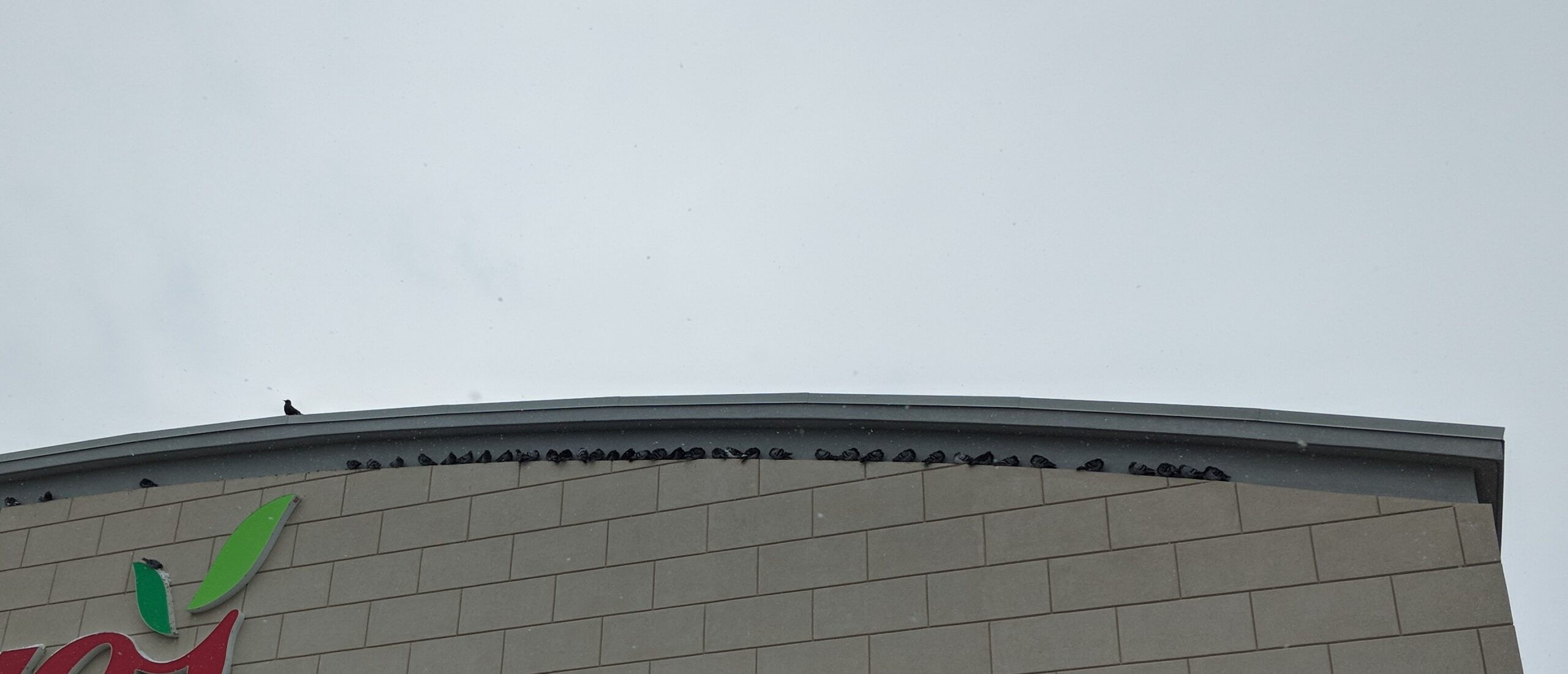

When the temperatures drop in Pittsburgh, you probably notice fewer animals moving around. But one animal seems to stick around no matter the season—pigeons. These birds are tough, and they often gather near homes and buildings in the cold months. While they might look harmless, they bring serious risks to families and property.
So, what do you need to know about the health risks of pigeons in winter? The truth is that winter pigeon infestations are more than a nuisance. Their droppings, nesting habits, and diseases from pigeons can spread into your home, causing problems for your health and your safety. At Skedaddle Humane Wildlife Control in Pittsburgh, we’ve seen firsthand how fast these issues can grow when they aren’t handled the right way.
In this article, you’ll learn:
- The biggest pigeon health risks that affect families.
- Why winter pigeon infestations become worse in cold months.
- The top diseases from pigeons that you need to know about.
- How you can protect your home with help from our professionals.
Let’s break down the main health risks one by one.
Droppings and Disease Spread
One of the biggest pigeon health risks comes from their droppings. They don’t just look messy—they can spread harmful germs. When droppings dry out, they turn into dust. If that dust gets into the air, you and your family can breathe it in.
This dust may carry illnesses like histoplasmosis, which can cause lung infections. People with asthma or weaker immune systems are at higher risk. The longer droppings build up, the more dangerous the problem becomes. That’s why winter pigeon infestations are not only gross—they’re unsafe.
Nesting in Chimneys and Vents
In the winter, pigeons search for warmth. Chimneys, vents, and attics are top spots they like to settle. But when they bring sticks, straw, and feathers inside, the blockages can cause big problems.
Blocked vents may lead to poor airflow in your home. Worse, a blocked chimney can trap dangerous gases like carbon monoxide. This makes nesting not just a mess, but a health hazard. Diseases from pigeons can spread easily in small, enclosed spaces like these.
Parasites and Mites
It’s not just droppings you need to worry about. Pigeons often carry parasites like mites, ticks, and fleas. These pests live in their feathers and nests but can travel into your home.
Once inside, they may bite your pets or even your family. For people with allergies or sensitive skin, this can cause itching and rashes. Winter pigeon infestations often go unnoticed until these small pests become a daily annoyance.
Food Contamination
Pigeons often hang around yards, porches, and balconies where food might be left out. If they get into your garage or near your pantry, they can contaminate food supplies. Droppings or feathers left behind make the space unsafe.
For restaurants or businesses, this is a major issue that can damage reputations. At home, it means more risk of illnesses spreading through contaminated surfaces. Diseases from pigeons don’t always show up right away, but they can make both people and pets sick.
Structural Damage and Fire Hazards
Winter pigeon infestations don’t just harm your health—they can damage your house too. Their nests often block gutters, vents, or drains. In winter, this can cause water backups, ice dams, or leaks.
Inside chimneys or near wires, nesting materials can become fire hazards. Dry straw and feathers catch fire quickly if sparks reach them. What looks like a simple bird problem can actually put your family at serious risk.
Noise and Stress
While noise might not seem like a health risk, it can impact your well-being. Pigeons coo, flap, and scratch, especially in the early morning hours. When they gather in groups, the noise gets worse.
Constant sound can interrupt your sleep or stress your pets. Over time, lack of rest and added anxiety affect your health. Winter pigeon infestations don’t just stay outside—they disrupt daily life inside too.
Diseases From Pigeons
Several illnesses are linked directly to pigeons. These include histoplasmosis, cryptococcosis, and psittacosis. While not everyone who comes in contact with droppings gets sick, the risks are higher for children, seniors, or anyone with a weak immune system.
- Histoplasmosis: Histoplasmosis is a lung disease that comes from a fungus found in droppings. When the droppings dry out, the spores can become airborne and get breathed in. People exposed may develop coughing, chest pain, and fever, and in serious cases, it can cause lasting lung problems.
- Cryptococcosis: Cryptococcosis is another fungal infection linked to droppings. It often starts in the lungs but can spread to the brain, causing headaches, fever, or even confusion. While healthy people may only get mild symptoms, it’s more dangerous for those with weak immune systems.
- Psittacosis: Psittacosis is a bacterial disease that spreads through dried droppings or nesting materials. It usually causes flu-like symptoms such as fever, chills, and tiredness. In some cases, it can turn into pneumonia if left untreated, making it important to get medical care quickly.
These diseases from pigeons make winter infestations much more dangerous than they might first appear.
Quick Summary of Pigeon Health Risks
To make things clear, here are the main dangers that come with winter pigeon infestations:
- Droppings that spread germs through the air.
- Nests that block vents, chimneys, and drains.
- Parasites like mites and fleas that bite people and pets.
- Contaminated food or surfaces that spread disease.
- Fire hazards from dry nesting materials.
- Stress and noise that impact daily life.
Each of these issues on its own is serious. Together, they show why professional help is needed.
Why Winter Makes Problems Worse
You may wonder—why are pigeon health risks more noticeable in the winter? The answer is simple: survival. Cold weather makes them look for warmth, food, and shelter. Your home offers all three.
During winter, they gather in larger groups to stay warm. This means droppings, nests, and parasites add up faster than in warmer months. What starts as a few birds can quickly turn into a major infestation.
Preventing Winter Pigeon Infestations With Professionals
Stopping infestations isn’t as easy as shooing birds away. Once they’ve chosen a nesting site, they return again and again. That’s where professional help matters. At Skedaddle, we don’t just remove pigeons—we make sure they don’t come back.
Here’s how we handle it:
- Full Inspection: We check every possible entry point.
- One-Way Doors: These allow animals to leave safely but stop them from re-entering.
- Sealing Entry Points: We close gaps around chimneys, vents, and roofs.
- Long-Term Prevention: Our methods focus on keeping homes safe for the future.
When you call Skedaddle Humane Wildlife Control in Pittsburgh, you get more than removal—you get protection that lasts.
Protect Your Home From Pigeon Health Risks
Having pigeons around your home might seem harmless, but the risks are serious. Droppings can spread germs, nests can block chimneys, and parasites can move inside. These issues become even worse in cold months when winter pigeon infestations grow and the chance of diseases from pigeons increases.
At Skedaddle Humane Wildlife Control in Pittsburgh, we help families protect their homes with safe, humane methods that work long-term. You don’t have to worry about pigeon health risks or the mess they leave behind when you have the right team on your side.
Request an estimate today and let us keep your home safe this winter.

 Loading...







