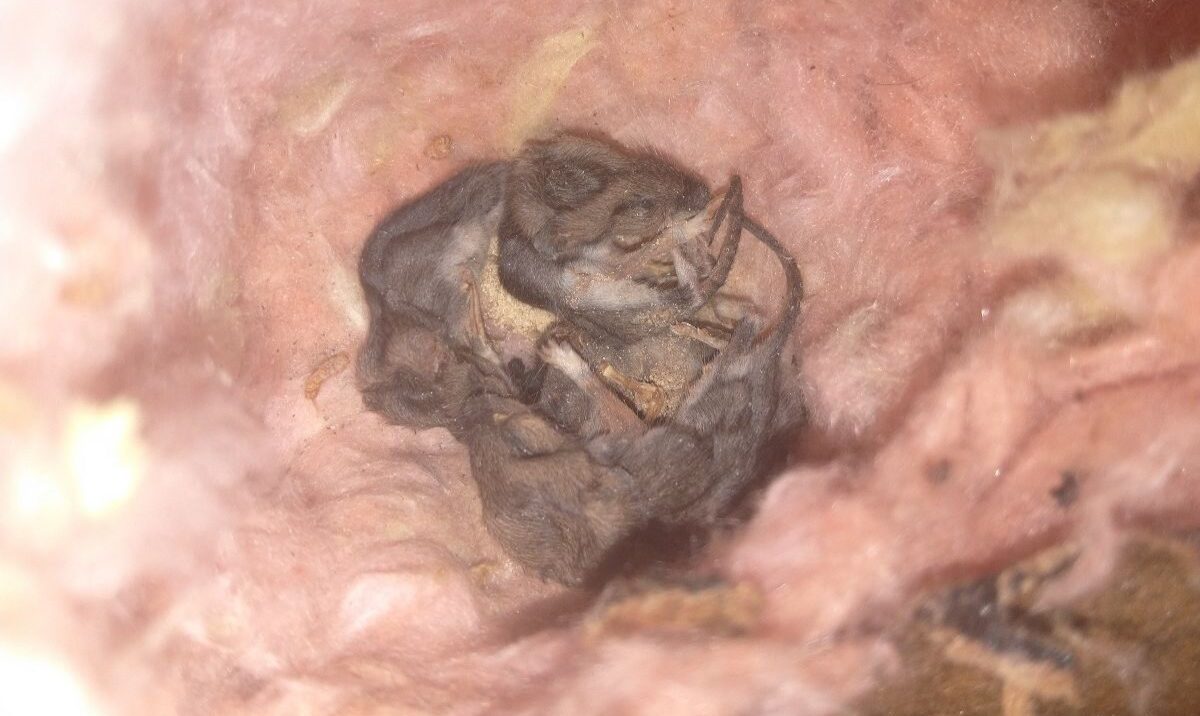
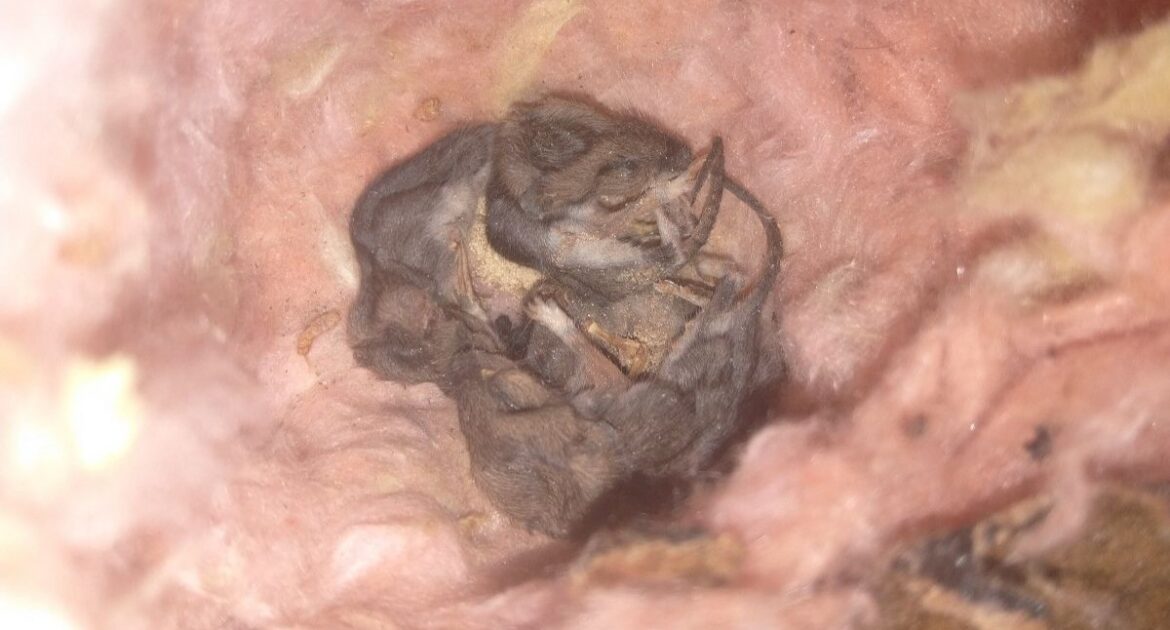
If you’re dealing with mice in Pittsburgh storage areas this winter, you’re not alone. As temperatures drop across the Steel City, these rodents seek out warm, sheltered spaces, and cluttered areas provide the perfect hiding spots. Mice love clutter because it offers protection from predators, creates cozy nesting sites, and keeps them close to food sources. Understanding this behavior—and knowing how to prevent infestations—is key to safeguarding your property during the colder months. At Skedaddle, our decades of experience have shown how minor infestations can quickly escalate, particularly in homes and buildings with packed storage rooms.
Let’s take a closer look at why cluttered storage areas attract mice during winter, how Pittsburgh’s unique urban landscape exacerbates the problem, and what you can do to keep your spaces rodent-free.
Why Cluttered Areas Attract Mice
Mice are small, resourceful, and remarkably adaptable, allowing them to thrive in cozy, undisturbed places like packed basements, closets, and garages. When we visit homes throughout Pittsburgh, we consistently find that these cluttered locations are prime targets for clever rodents.
A disorganized area provides mice with everything they need:
- Shelter: Stacks of boxes, forgotten furniture, and unused appliances create safe hiding spots away from human activity.
- Nesting material: Cardboard, fabric, insulation, and paper are perfect for building warm nests.
- Protection from predators: Dense piles make it difficult for cats and other natural predators to reach them.
- Secluded food sources: Mice often find stray crumbs, spilled pet food, or even forgotten pantry items in infrequently accessed spaces.
Unlike open or well-organized rooms, clutter allows mice to move undetected, establish nests, and reproduce rapidly. With female mice capable of producing litters every 21 days, a single pair can quickly escalate into dozens. This rapid reproduction generally occurs out of sight—often until significant damage is already done.
The tighter items are stacked together and left undisturbed, the more likely mice are to move in and settle down. For Pittsburgh homeowners, this means that cramped corners of the basement or attic warrant special attention throughout winter.
Now that we understand why clutter is attractive to mice, let’s examine how Pittsburgh’s urban environment and construction styles worsen these challenges.
The Impact of Pittsburgh’s Urban Environment and Winter Weather
So why do so many properties in Pittsburgh experience winter mouse problems? The city’s unique combination of geography, weather patterns, aging infrastructure, and urban density all play a significant role.
Pittsburgh winters can be harsh, with freezing temperatures and diminished outdoor food sources driving mice indoors in search of warmth and sustenance. Unlike some pests that remain outdoors year-round, mice actively seek new shelter as soon as frost appears, commonly targeting homes and businesses across the city.
The region is also inhabited by older buildings—many dating back decades or even over a century. While these historic structures add charm, they also bring with them cracks, gaps, and unsealed entry points. Mice can squeeze through holes as small as a dime and exploit any weaknesses, from foundation to roofline.
Pittsburgh’s urban layout, featuring townhouses, tightly packed streets, and shared walls, allows mice to traverse properties more easily, often utilizing interconnected basements or accessible utility lines. At Skedaddle, we’ve witnessed how one unresolved rodent issue can swiftly spread to neighboring units in multi-family buildings, underscoring the importance of early prevention.
Some factors that increase vulnerability to mice in Pittsburgh include:
- Proximity to rivers and green spaces, which serve as natural habitats for rodents.
- Heavy snow and ice, which reduce outdoor food availability and encourage indoor migration.
- Close quarters between buildings, facilitating rodent movement across the city.
This means that older homes and urban businesses in Pittsburgh are at heightened risk. Being proactive in winter isn’t just recommended—it’s essential for maintaining a safe and healthy environment.
Let’s delve into why mice are particularly drawn to cluttered spaces during these colder months.
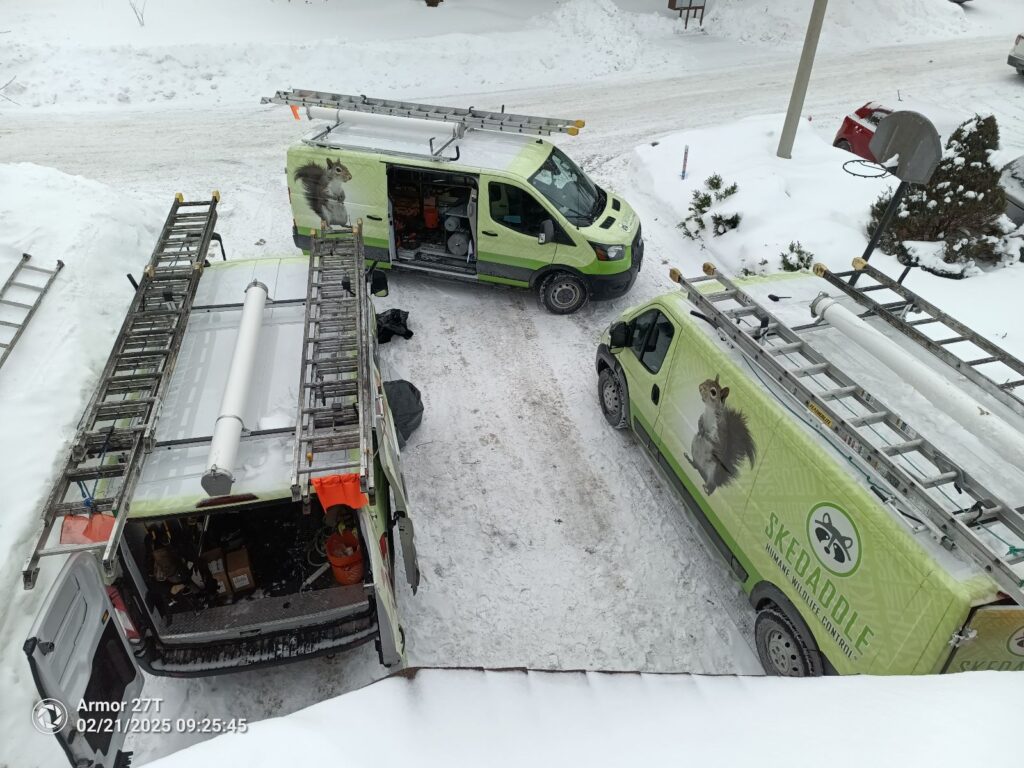
Why Do Mice Prefer Cluttered Spaces in Winter?
Mice aren’t random in their choice of dwelling. The chill of winter in Pittsburgh drives them to urgently seek warmth and security, prompting a city-wide search for the ideal nesting area. Cluttered storage zones tick all their boxes.
In winter, the advantages for mice to inhabit overstuffed closets or stacked garages intensify:
- Thermal insulation: Layers of stored items help retain heat, making the space—and their nests—warmer.
- Access to food and water: Mice venture short distances from their nests for sustenance, so a room filled with boxes is ideal.
- Limited disturbance: Rarely visited storage areas allow mice to set up shop and multiply with minimal risk of discovery.
It’s easy to underestimate how swiftly mice can adapt to these environments. At Skedaddle, we routinely find multiple nesting sites hidden beneath piles of holiday decorations or unmovable furniture. The clutter complicates not only detection for homeowners but also removal and cleaning processes once an issue is discovered.
Keeping this in mind, Pittsburgh homeowners should be especially vigilant for signs of rodent activity in underutilized or crowded storage areas throughout winter, including droppings, gnaw marks, shredded materials, and a faint ammonia scent.
Understanding their behavior is only the first step. Next, it’s vital to know how to prevent mice in cluttered spaces and what practical actions will make the most difference.
Strategies to Prevent Mice in Cluttered Spaces
Preventing mice in storage areas across Pittsburgh is achievable with diligent, consistent prevention. We recommend a thoughtful approach that includes decluttering, sealing access points, and scheduling professional inspections—forming a layered defense that addresses the root issue.
To keep mice out of cluttered areas, try these proven steps:
- Declutter storage areas: Remove unnecessary items, particularly old fabric, boxes, and paper that rodents might use for nesting.
- Store items properly: Utilize airtight plastic bins instead of cardboard and keep them elevated off the floor and away from walls.
- Maintain cleanliness: Regularly sweep and vacuum storage spaces and quickly clean up any crumbs or spills.
- Check for entry points: Examine walls, floors, foundations, and utility entries for small holes or gaps. Seal any openings larger than 6 millimeters with steel wool, heavy gauge mesh, or exclusion sealant.
- Limit food access: Avoid storing pet food, birdseed, or unsealed pantry items in storage areas.
These practical measures not only make storage areas less attractive to mice but also allow you to detect early signs of rodent presence, like droppings or gnaw marks, before a full-scale infestation occurs.
At Skedaddle, our technicians conduct thorough assessments and meticulously check every inch around your home, both inside and out, to identify and address every risk factor. We implement mouse-proofing strategies tailored to Pittsburgh’s climate and building styles, ensuring lasting solutions.
With prevention at the front of mind, let’s address some common questions and concerns Pittsburgh property owners have regarding winter mouse problems.
Mice Thrive in Pittsburgh’s Urban and Historic Structures
A crucial insight many homeowners overlook is how Pittsburgh’s architecture and geography create ideal conditions for mice during winter. The city’s mix of historic and modern structures offers countless opportunities for rodents to find shelter, making prevention more than just a matter of catching mice—it requires understanding their behavior in the context of local buildings and climate. Key factors include:
- Aging infrastructure in older buildings – Features like settling foundations, worn brickwork, and hidden cavities provide natural hiding spots for rodents.
- Vulnerabilities in newer properties – Utility lines, inadequately sealed windows, and overlooked roof vents can serve as entry points regardless of a property’s age.
- Preference for warmth and clutter – Mice favor insulated spaces, areas behind walls, and rarely accessed corners, particularly those filled with clutter, where they can build nests and contaminate insulation.
- Potential damage and hazards – Once inside, mice can gnaw wiring, spread disease through droppings, and create unsafe conditions.
- High-risk locations near attractions – Properties near places like the Carnegie Museum or Point State Park may face higher pressure from urban wildlife and construction, encouraging rodents to seek indoor refuge.
Preventing winter mouse problems in Pittsburgh requires specialized expertise to address both the rodents and the structural factors that make buildings attractive to them.
How Skedaddle Can Assist with Mouse Prevention and Control
Preventing and removing mice in Pittsburgh’s storage areas requires more than just setting out a few traps. At Skedaddle, we leverage decades of experience to create tailored mouse removal and exclusion plans that extend well beyond temporary fixes.
Our process commences with a comprehensive inspection—from the basement to the attic—to pinpoint every current and potential entry point. No two properties are alike, so our solutions are always customized to fit your specific situation, whether you reside in a historic brick home in Squirrel Hill or a modern building downtown.
We utilize humane methodologies, including:
- One-way doors that allow mice to exit but not re-enter
- Sealing all identified gaps with durable materials
- Removal and cleaning of contaminated materials to protect your family’s safety
- Diligent documentation and recommendations to aid in preventing future issues
We do not rely on poisons or superficial trapping techniques, as these methods fail to address the underlying causes or provide long-term outcomes. Instead, our meticulous approach and understanding of local homes ensure your spaces remain protected.
If you’re noticing signs of mice in your storage areas or require an expert assessment to avert infestations this winter, we’re here to assist. Proactive prevention, professional guidance, and tailored exclusion are your best defenses against unwanted guests—no matter what winter in Pittsburgh has in store.
By comprehending why clutter attracts mice and how Pittsburgh’s climate and infrastructure elevate your risk, you can take the requisite steps now to enjoy a safer, healthier, mouse-free winter.
Take Control of Your Storage Areas This Winter
As winter tightens its grip on Pittsburgh, cluttered storage areas increasingly attract mice seeking warmth and nesting materials. The city’s historic architecture, harsh conditions, and dense neighborhoods only amplify the risk, making proactive prevention crucial for every homeowner.
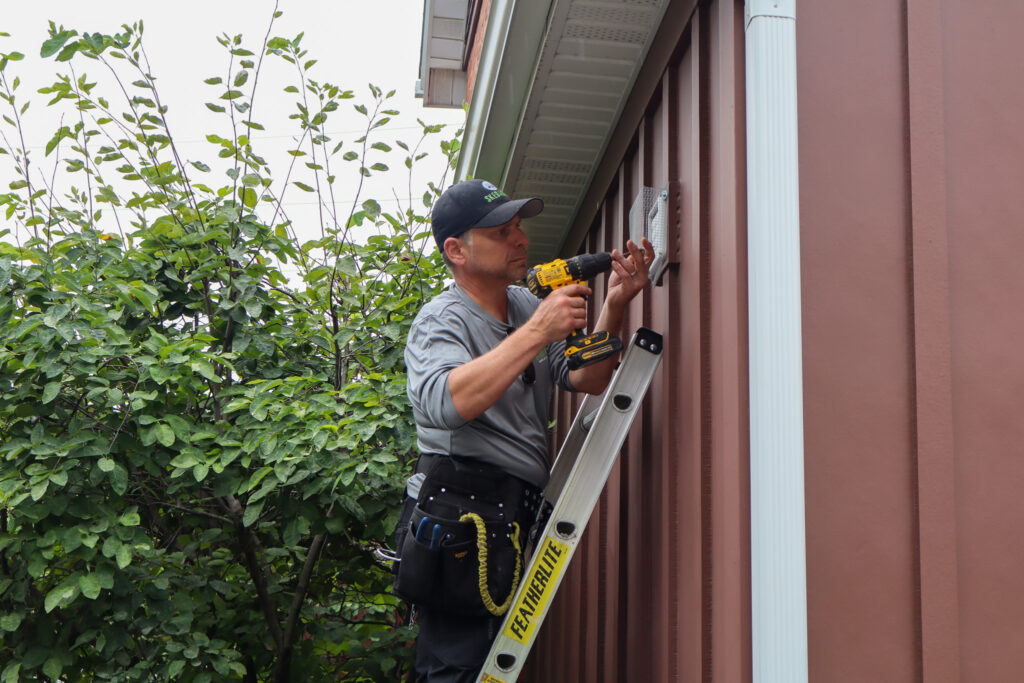
Acting promptly makes a significant difference—decluttering areas, sealing entry points, and remaining vigilant for early signs of rodent activity can help keep infestations at bay. However, for truly lasting results, expert intervention is essential. Skedaddle’s experienced technicians provide comprehensive inspections, humane removal, and industry-leading exclusion solutions tailored for Pittsburgh’s unique homes and businesses.
Don’t let winter invite unwanted guests into your property. Reach out to Skedaddle today, and take the first step toward a clean, secure, and mouse-free home this season. Your peace of mind begins with professional protection—let us help you safeguard what matters most.

 Loading...