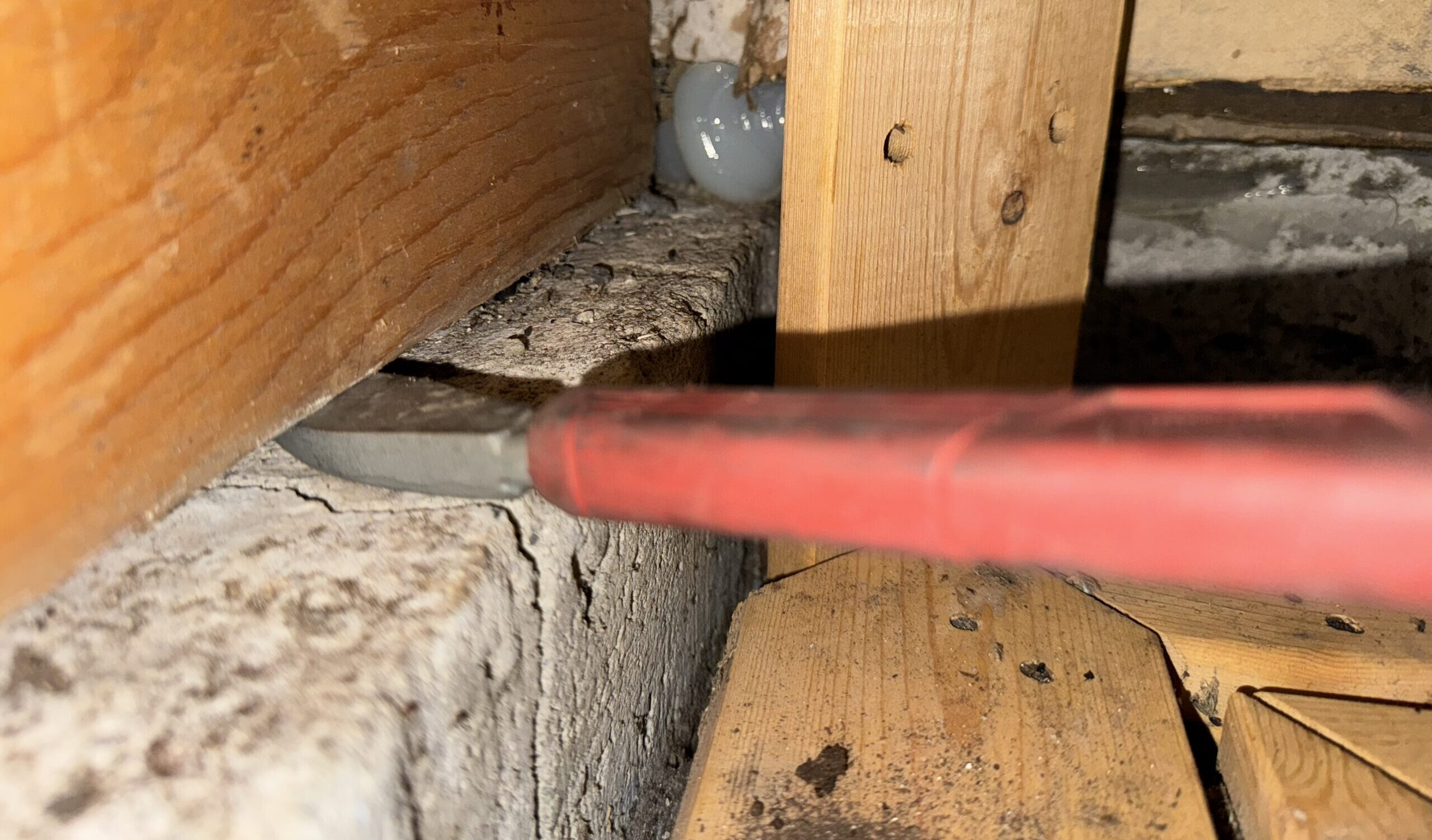
You may see one mouse run beneath an appliance and assume it entered the house alone. However, mice spend most of their time inside walls, ceilings, cabinets, basements, and other protected spaces. The one you see may only be leaving a hidden route to search for food or water.
A single sighting does not prove that several mice are present, but it should not be ignored. Scratching sounds, droppings, gnawed materials, odors, and repeat sightings may point to more activity behind the walls. Seeing one during the day can also be a sign that its hidden space has become busy or disturbed.
At Skedaddle Humane Wildlife Control in Pittsburgh, we inspect the entire structure to find active entrances, travel routes, and nesting areas. You should never open a wall, touch droppings, or seal a suspected route yourself. In this blog, we explain why one mouse sighting could point to more hidden activity and how professional service protects your home.
Does Seeing One Mouse Mean There Are More?
Seeing one mouse does not always prove that several are living inside your home. However, mice are secretive and usually remain inside protected spaces. One visible visitor may represent only a small part of the activity.
A mouse may briefly leave a wall cavity to find food or water. It can then return to a nest without crossing much open space. This short trip may be your only clear sighting.
The concern increases when you notice repeated movement, scratching sounds, droppings, gnawing, or unusual odors. A daytime sighting may also deserve faster attention. A professional inspection can identify whether the problem involves one visitor or a larger hidden group.
Secretive Behavior Keeps Most Activity Hidden
Mice usually remain close to walls and covered spaces where they are less exposed. They may live inside the structure for weeks before entering an open room. A visible mouse may appear for only a few seconds during a feeding trip.
- Movement After Dark: Most movement occurs when the home becomes quiet. You may hear scratching or scurrying after the lights are off without seeing the source. Activity can continue inside walls, ceilings, and cabinets throughout the night. By morning, the area may seem still again.
- Travel Along Room Edges: Mice usually follow baseboards, cabinets, appliances, and other covered edges. These routes limit the time they spend crossing open floors. A mouse that disappears beside a cabinet may enter a gap hidden behind it. The visible part of its route may be only a few feet long.
- Nesting Behind Walls: Wall cavities provide warmth, darkness, and protection from daily activity. Insulation and other soft materials may also support a hidden nest. The nesting area can be several rooms away from where you saw movement. Pipes and wiring may connect the nest with food and water sources.
- Short Feeding Trips: A mouse may leave its protected route only long enough to reach crumbs, stored food, or water. It can carry food back into a hidden space and return several times. Each trip may follow the same cabinet or wall edge. You might only notice one of these brief movements.
- Daytime Exposure: Daytime movement can occur when a hiding place is disturbed or food is harder to find. It may also happen when more mice are sharing the same protected area. One daytime sighting cannot confirm the number present. However, it is a reason to arrange a professional assessment.
The absence of another sighting does not prove that the home is clear. Most activity may continue behind drywall and beneath floors. A professional inspection looks for evidence in places that are not visible from the room.
Wall Cavities Create Hidden Travel Routes
Interior walls are not always closed spaces. Framing, pipes, wiring, ducts, and gaps between building materials can form connected pathways. Mice may move between floors and rooms without entering an open living area.
- Stud Cavities: The vertical spaces between wall studs may connect lower and upper areas of the home. A mouse can move through these spaces while remaining hidden behind drywall. Scratching may seem to rise or fall as it travels. The sound does not always identify where the route begins.
- Plumbing Openings: Water and drain lines pass through walls, cabinets, floors, and ceilings. Gaps around these lines may create paths beneath sinks and behind appliances. A mouse may follow the plumbing from a basement or wall into a kitchen. The pipe opening can remain hidden behind a cabinet panel.
- Electrical and Cable Routes: Wiring and communication lines pass through drilled holes in framing. Open spaces around these lines may connect several wall sections. Activity near an outlet does not mean the mouse entered through the outlet itself. The wiring route may simply carry movement or sound through the structure.
- Ceiling and Floor Voids: The space between one floor and the ceiling below can provide a wide hidden route. Mice may follow pipes, ducts, or framing across several rooms. Scratching can sound as if it is directly overhead before moving toward another wall. The loudest area may not contain the nest.
- Connected Attics and Basements: Wall systems may connect the basement, living area, and attic. One exterior opening can therefore support movement through much of the home. A mouse seen upstairs may have entered near the foundation. Our technicians trace the route beyond the room where the sighting occurred.
Opening the wall where you hear noise may not reveal the true pathway. It could also release contaminated material or give the occupant access to the room. Our professional team inspects connected areas before deciding where removal and prevention are needed.
Several Signs May Point to Activity Behind the Walls
One sighting becomes more important when other signs appear in the same part of the home. Evidence may show up in kitchens, garages, basements, attics, and storage areas. You should observe these signs without touching or disturbing them.
- Scratching and Scurrying: Light movement may be heard inside walls, ceilings, or spaces beneath the floor. These sounds are often easier to notice after dark when the house is quiet. Noise may move between rooms as mice follow hidden paths. Repeated activity in the same area can point to a regular route.
- Droppings and Dark Marks: Droppings may appear along walls, beneath sinks, behind appliances, or inside cabinets. Dark rub marks can form where the same narrow route receives repeated use. You should not touch, sweep, or vacuum this material. Our professional cleanup may be needed after the activity is removed.
- Gnawed Materials: Food packages, wood, plastic, insulation, pipes, and wiring may show chewing damage. Small pieces of material may collect near a hidden opening. Damage to wiring can create a fire concern, while damaged pipes may contribute to leaks. The affected area should be professionally inspected before anything is moved.
- Strong or Unusual Odors: Urine, droppings, nesting material, and long-term activity may create odors inside walls. The smell may seem stronger near a cabinet, vent, ceiling, or baseboard. Odor alone cannot show how many mice are present. It may also remain after the visible visitor is gone.
- Repeat Sightings: Seeing mice near the same appliance, cabinet, or wall edge may point to a nearby opening. Sightings in different rooms may indicate a connected route behind the walls. The time of day and direction of movement provide more clues. A pattern is more meaningful than one brief appearance.
Several signs in one part of the home may point to an established pathway or nesting area. Evidence in different rooms may show that the activity extends farther than expected. A complete inspection helps define the true size of the problem.
Hidden Exterior Gaps Allow Continued Entry
Indoor activity often begins at a small opening outside. That gap may lead into the foundation, garage, wall system, or attic. Once inside, mice can travel far from the original entry point.
- Foundation Gaps: Cracks, damaged vents, and spaces where building materials meet may provide access near ground level. The opening may sit behind plants, steps, or exterior equipment. A mouse entering the foundation can move upward through walls. Sealing one visible crack may leave other nearby routes open.
- Utility Openings: Gas, electrical, water, and communication lines must pass through the exterior of the building. Extra space around these lines can lead directly into a wall or basement. The opening may look minor from outside while connecting to a larger hidden cavity. Our technicians examine each utility area without disturbing the equipment.
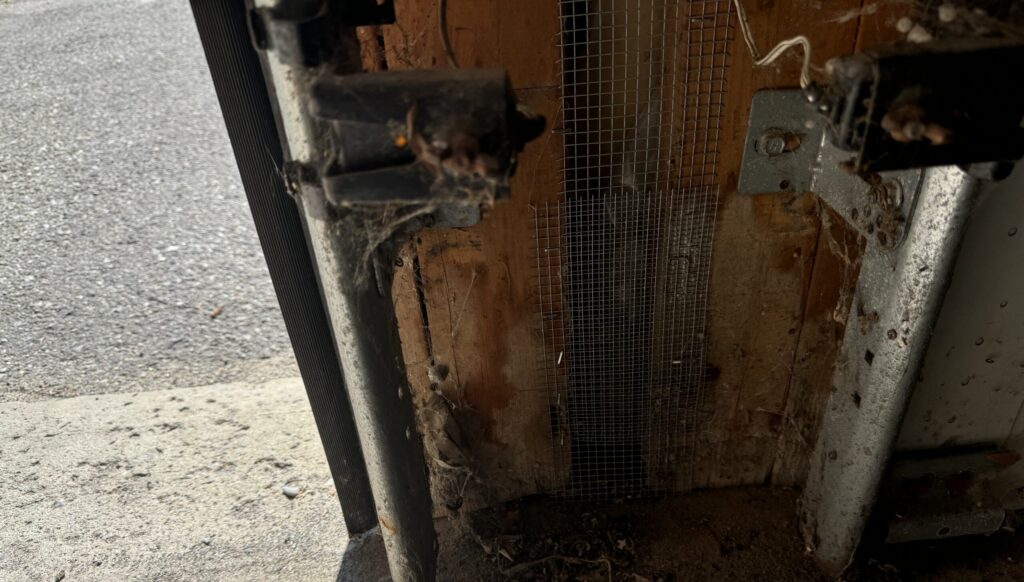
- Garage Door Edges: Damaged weather stripping or an uneven garage floor can leave space beneath the door. Once inside the garage, mice may find openings in shared walls or around utility lines. Stored items can hide droppings and travel paths. The garage may become the first step toward the kitchen or basement.
- Roofline Openings: Mice can climb rough brick, siding, wood, and downspouts to reach higher areas. Gaps near soffits, fascia, vents, and roof intersections may lead into the attic. From there, wall cavities provide routes to lower floors. Roof access should be inspected by our trained professionals.
- Doors and Exterior Trim: Worn seals and gaps around doors, siding, and trim can provide another path indoors. A small seam may connect with space behind the visible surface. Weather can also make the opening larger over time. Closing the obvious edge may not address the complete route.
Sealing only the opening closest to the sighting may leave other entrances available. It may also trap occupants inside if removal has not happened. A full exterior inspection must come before permanent prevention.
Rapid Reproduction Can Expand a Small Problem
Mice can reproduce quickly when food, water, warmth, and protected nesting space are available. A small number entering the home can become a larger hidden group. Much of this growth may happen before you notice clear signs.
Wall cavities, insulation, basement ceilings, and other enclosed spaces protect nests from daily movement. Young remain hidden while adults make short trips to gather food. One mouse entering a kitchen may therefore be connected to a nest elsewhere in the structure.
Waiting for several sightings gives the activity more time to spread. Additional droppings, contamination, and chewing damage may develop while the nest remains out of view. Our professional assessment can locate the active areas before the problem reaches more of the building.
The Room Where the Mouse Appears May Not Be the Source
A mouse seen in the kitchen may live behind a bathroom wall, above a basement ceiling, or near the garage. Hidden pathways make it possible to move between these areas. The room where you see it may only provide food or water.
Pipes, wiring, ducts, and wall framing can connect distant sections of the home. A mouse may feed behind an appliance and return to a nest several rooms away. Treating only the visible room would leave that route and nesting area active.
Our technicians inspect beyond the sighting to identify how the mouse entered and where it travels. This building-wide view is important because the most obvious room may not contain the source. Removal and prevention must address the complete pattern.
Pittsburgh Homes Can Contain Connected Hidden Spaces
Pittsburgh contains older homes, rowhouses, basements, attached garages, stone foundations, and shared walls. These features can create long routes between rooms and neighboring parts of a structure. Skedaddle technicians in Pittsburgh regularly address mice nesting behind the walls of row homes.
Gaps around foundations, pipes, vents, additions, and rooflines may provide entry at several heights. Cold snaps can make heated buildings more useful as outdoor conditions change. A small opening may lead into a large network of hidden spaces.
Closely spaced and connected properties may require a wider inspection. Scratching heard in one unit or room may begin in another part of the building. A complete assessment helps our team identify shared routes and active entry points.
How Skedaddle Finds Hidden Routes Behind the Sighting
The room where you saw a mouse gives our team a starting point, but it does not show the whole problem. We inspect room edges, cabinets, utility openings, walls, basements, garages, attics, and the exterior. Droppings, gnawing, sounds, stains, and travel marks help us trace movement through hidden spaces. This process allows us to locate both active routes and possible nesting areas.
Our professional wildlife team also looks for every opening that could support continued entry. We check foundations, doors, roof edges, vents, pipes, wiring, and connected building sections. The removal plan is based on the size and location of the activity. You do not need to open walls, crawl into tight areas, or handle contaminated material.
When appropriate for the structure, one-way doors allow wildlife to leave while preventing reentry. After removal, our technicians clean affected areas and secure vulnerable openings with durable materials. We do not use live trapping or relocation.
Frequently Asked Questions
Is it possible to have only one mouse in the house?
Yes, one mouse may enter by itself, but you should not assume it is alone. Mice remain hidden for most of the day and may share wall routes or nesting areas. Droppings, scratching, gnawing, or another sighting can point to more activity. A professional inspection is the safest way to confirm the size of the problem.
Why would a mouse come out during the day?
A mouse may appear during the day if it needs food, its hiding area was disturbed, or activity has increased. Daytime movement does not prove that a large group is present. However, it can show that the mouse is taking a greater risk than usual. The sighting should be considered with other signs around the home.
Where do mice usually hide during the day?
Mice often hide inside wall cavities, cabinets, insulation, basements, attics, garages, and spaces around appliances. These areas provide darkness and protection from regular activity. The hiding place may be far from the room where food is found. Homeowners should not open walls or move contaminated nesting material to search for them.
Should a hole be sealed after a mouse is seen?
No, not before a professional assessment and removal plan. Sealing one opening may trap mice inside the structure or cause them to use another route. Other entrances may also remain around the foundation, roofline, or utility lines. Permanent prevention should begin after the active areas are identified.
Should homeowners clean mouse droppings?
No, homeowners should not touch, sweep, or vacuum mouse droppings. Disturbing dry material may release contaminated particles into the air. Nearby insulation, food packages, and nesting material may also be affected. Trained technicians can remove the waste and clean the area safely.
Stop One Sighting From Becoming a Larger Problem
One mouse sighting may point to hidden movement, nesting, reproduction, and several travel routes behind your walls. These animals can move through framing, utility gaps, ceilings, basements, garages, and attics without entering an open room. The one you see may only be making a short trip for food or water.
You should not open walls, enter contaminated spaces, handle droppings, or seal a suspected route yourself. One closed hole may trap occupants inside while other entrances remain open. Our professionals must identify the active areas before removal, cleanup, and structural prevention begin.
At Skedaddle Humane Wildlife Control in Pittsburgh, we follow the evidence beyond the first sighting. Our team identifies hidden pathways, removes the activity, cleans affected areas, and secures vulnerable openings. You do not need to perform risky work or search behind walls. Contact us to schedule a professional assessment or request an estimate to learn more about long-term mouse prevention.

 Loading...








