You never expect to look up at your ceiling and wonder if something is happening above you, but you might be surprised at how much danger can build inside an attic. You don’t always hear it, and you don’t always see it, but you can feel the stress when you know something is wrong.
When you think about squirrel nests fire risk, you may picture leaves or twigs tucked into a corner. But the truth is far more serious. You face attic fire hazards squirrels can create long before you even realize a nest is there.
You may think nesting materials are harmless in your Richmond Hill home. After all, squirrels use whatever they can find to build soft, warm spots for their young. But when those materials sit near wires, vents, insulation, or heat sources, they can turn into a hidden fire threat.
At Skedaddle Humane Wildlife Control in Richmond Hill, we see how fast small problems turn into major risks. You want to protect your home, your family, and your peace of mind, and understanding these dangers is the first step.
You also want to know exactly how squirrel nesting materials pose a fire risk in attics. The biggest danger comes from the way these materials mix with things already in your attic. When you combine dry debris, shredded insulation, and chewed wiring, you get a dangerous setup you never asked for. And even one small spark can turn into something far worse. That’s why learning how to prevent squirrel nesting attics matters so much.
Below, you’ll see the most common ways nests become fire hazards, how they form, and what happens when they’re left alone for too long. You’ll also learn how our team uses one-way doors and proven humane methods to clear wildlife and help keep your home safe.
Dry Debris Creates Easy Fuel for Fire
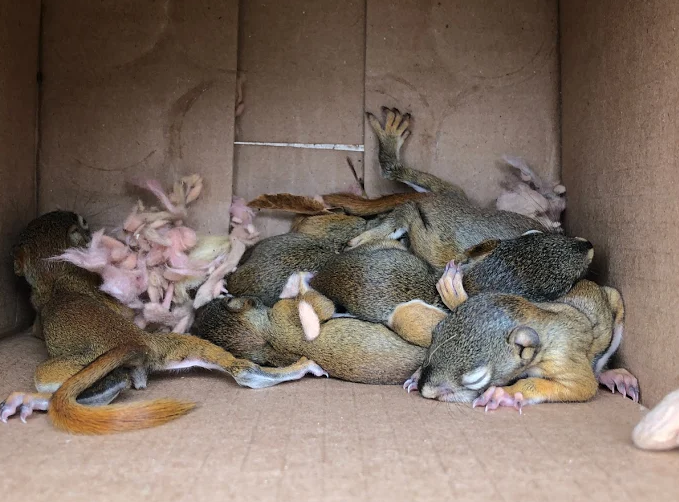
You might not realize how much dry material a squirrel brings into your attic. These animals gather leaves, twigs, shredded insulation, cardboard, old paper, and anything soft or light enough to carry. Over time, this pile gets larger and dryer, which makes the squirrel nests fire risk even higher.
Dry nesting materials act like fuel. If something ignites—even a tiny spark—the whole pile can catch fire fast. Your attic is already filled with warm, enclosed spaces, so the fire can spread before you even know it started.
Why this is so dangerous:
- Dry debris catches fire with very little heat
- Nests are often packed tightly, allowing flames to spread quickly
- Piles of nesting material sit close to insulation, wood, and wiring
- You don’t see the nests until the risk is already serious
You want your attic to stay safe, but you can’t check every corner yourself. When you have a pile of debris sitting near wires or vents, the danger grows each day.
Chewed Electrical Wiring Sparks Real Attic Fire Hazards
One of the biggest attic fire hazards squirrels create is chewed wiring. Squirrels chew constantly to keep their teeth short. Attic wires are the perfect size and feel for them. When they gnaw on these wires, they strip the protective coating and expose the metal underneath.
Exposed wires spark. When those sparks land on nesting materials, the fire risk becomes very real. Many house fires start this way, and homeowners rarely suspect a squirrel nest as the cause.
You might not see the damage from the outside, but inside your attic, even a tiny spark can turn into something big. That’s why chewing is one of the leading causes behind the squirrel nests fire risk inside homes.
Blocked Vents Trap Heat and Raise Fire Temperatures
Squirrels don’t think about airflow. They only want a warm place for their nest. When they build inside or near attic vents, they block the air you need to keep your home safe. Blocked vents trap heat, and trapped heat increases fire danger.
You may not think about vents very often, but they play a major role in preventing attic fires. When heat builds up and has nowhere to go, anything touching that vent area becomes a risk—especially dry nesting material.
When attic vents get blocked:
- Hot air gets stuck and raises attic temperatures
- Heating systems or exhaust vents overheat
- Warm, trapped air dries nesting material even more
- The entire attic becomes a fire-prone environment
This is another hidden part of attic fire hazards squirrels can cause. You rarely see blocked vents from inside your home, so the danger grows quietly.
How to Prevent Squirrel Nesting in Attics
You want to keep your home protected, and you want to stop problems before they start. The best way to prevent squirrel nesting attics is to let trained professionals deal with every step of the process. At Skedaddle, we handle everything safely and humanely.
Here’s what our team focuses on:
- Full Attic Inspection: We check the entire attic, including wiring, vents, rooflines, and nesting areas. You get a clear understanding of what happened and what needs to be secured.
- Humane Removal Using One-Way Doors: We install one-way doors that let wildlife exit but stop them from coming back inside. This protects your home while keeping the animals safe.
- Securing Entry Points: We seal and protect vulnerable spots around your roof, vents, soffits, and edges. You don’t need to worry about touching anything or trying to fix it yourself.
- Attic Protection and Clean-Up: We take care of damaged materials, help restore insulation, and make sure the attic is safe from future nesting attempts.
- Long-Term Prevention Planning: We help you understand how nests form, why squirrels choose certain areas, and what steps help reduce future risks.
Every part of this is handled by our trained team. You never need to place yourself in danger, and you never need to touch anything in the attic.
Protect Your Home from Squirrel Nest Fire Risk
You want your home to stay safe, and you don’t want hidden dangers building above your ceiling. When you understand the squirrel nests fire risk, it becomes clear how fast a small problem can turn into a serious threat. You also see how attic fire hazards squirrels create can spread when nests sit near wires, vents, or insulation. And when you learn how to prevent squirrel nesting in attics, you take the first step toward keeping your home protected for the long term.
Our team at Skedaddle Humane Wildlife Control in York Region is here to help you keep your home safe, secure, and free from these fire dangers. You can request an estimate to learn more and let us support you in making sure your attic stays safe from the risks caused by squirrel nests.

 Loading...

