




Humane wildlife removal for Richmond Hill homes and businesses, backed by over 30 years of experience with raccoons, squirrels, bats, birds, mice, rats and skunks.
Skedaddle proudly serves Richmond Hill, Cherry, Preston Lake, Oak Ridges, Gormley and nearby York Region communities with trusted wildlife removal, cleanup and prevention services designed for lasting protection.
Richmond Hill blends established neighbourhoods, growing residential areas, parks, trails and natural spaces that make the community appealing to both people and wildlife. Founded in the early 1800s and shaped by its agricultural roots, railway growth and steady development, the city has become a vibrant part of York Region with a strong connection to nature and family living. Those same features can attract raccoons, squirrels, bats, birds, mice, rats and skunks looking for food, warmth or shelter. Skedaddle understands how wildlife adapts to suburban properties and provides humane, professional solutions that remove animals safely and help keep them from returning.
Who provides humane wildlife removal in Richmond Hill?
Skedaddle Humane Wildlife Control provides professional wildlife removal using humane methods, detailed property inspections, safe removal, cleanup and prevention to protect homes and businesses from raccoons, squirrels, bats, birds, mice, rats and skunks.

Wildlife Concerns Richmond Hill Property Owners Should Watch For
The city’s mix of mature neighbourhoods, newer subdivisions, ravine lots, parks and commercial areas creates many opportunities for wildlife to move close to homes and businesses. Seasonal weather changes also play a major role. Cold winters push animals toward warm attics, garages, wall voids and crawl spaces, while spring and summer bring nesting, baby season and increased activity around rooflines, vents, decks and sheds. Homes near water, wooded trails or established tree-lined streets may notice squirrels, raccoons, birds and bats using nearby natural cover. In denser areas, mice and rats often follow food, waste and shelter opportunities around homes, restaurants, plazas and storage spaces.
- Bats: Bats may roost behind siding, vents, chimneys or roof gaps, especially in quiet attic spaces during warmer months.
- Mice and rats: Rodents can squeeze through small openings, contaminate insulation, chew wires and spread through walls, basements and garages.
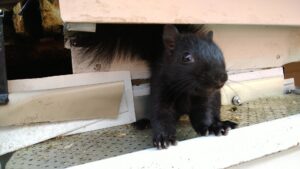
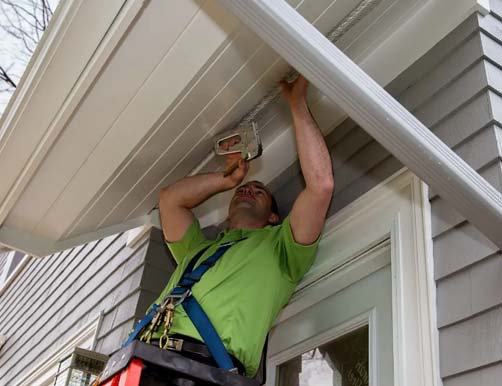
- Squirrels: Squirrels often chew into soffits, fascia boards, vents and roof edges to build nests inside attics.
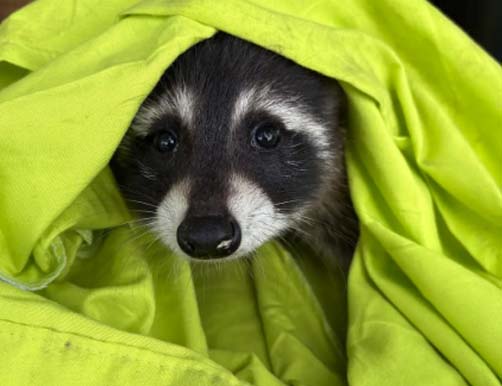
- Raccoons: Raccoons may damage shingles, vents and chimneys while searching for secure shelter, especially during baby season.
- Skunks and birds: Skunks dig beneath decks and sheds, while birds commonly nest in vents, soffits, signs and exterior gaps.
Early action is important because wildlife problems rarely stay the same for long. Once animals begin nesting or reproducing, removal can become more complex. Damage may increase as insulation becomes contaminated, wires and building materials are chewed, and entry points are widened or duplicated. Calling Skedaddle at the first signs of activity helps protect your property and supports a humane, long-term solution.
Seasonal Wildlife Activity in Richmond Hill
Richmond Hill Fall Wildlife Prevention Before Winter
Fall in Richmond Hill is when squirrels store food, raccoons look for secure winter shelter, and mice and rats look for indoor warmth. Small openings around foundations, garage doors, utility lines and roof edges become access points as temperatures drop. Ravine lots and homes near parks, from Oak Ridges and Preston Lake to the area’s newer subdivisions and older homes, tend to see the first signs of activity. Homeowners commonly hear scratching in the walls or ceiling, notice chewed soffits or vents, and find droppings in garages and storage areas.
Animals that settle in during the fall usually stay until spring, damaging insulation, chewing wiring and contaminating attic spaces as the winter goes on. Skedaddle’s humane wildlife control in Richmond Hill starts with a full inspection of rooflines, vents and foundations, then removes animals safely, cleans affected areas and seals entry points so your home stays protected all winter.
Winter: Warmth and Shelter Become Priorities
During winter, animals are driven by survival needs. Rodents may move deeper into walls, basements and attics, while raccoons and squirrels use sheltered spaces to escape cold, snow and wind. Any existing entry point can become more active when outdoor food sources are limited.
Spring: Nesting Season Begins
As temperatures rise, wildlife becomes more active and the breeding season begins. Raccoons, squirrels, birds, skunks and rodents search for quiet, protected places to raise young. Attics, chimneys, vents, sheds and gaps under decks can become attractive nesting spots, especially near wooded streets, parks and ravine corridors.
Summer: Young Wildlife and Busy Properties in Richmond Hill
Summer is one of the most active seasons for wildlife in Richmond Hill. Young raccoons, squirrels, birds and skunks become more mobile as they explore beyond nesting areas, while adults continue searching for steady food, water and shelter. Warm weather also brings more backyard activity, open garages, outdoor dining, gardens, compost, pet food and garbage storage, all of which can attract animals closer to homes and businesses.
Bats may be noticed around rooflines at dusk, birds may continue nesting in vents or signage, and rodents can stay active around sheds, basements, foundations and commercial waste areas where food and cover are available. Homeowners may also notice droppings, scratching sounds, damaged vents, digging or nesting materials. Skedaddle’s humane wildlife control helps identify entry points, remove animals safely, clean affected areas and protect vulnerable spaces before summer activity becomes a larger property concern.
Local Wildlife Control Backed by Experience in Richmond Hill
When wildlife gets inside your home or business, you need a team that understands local animal behaviour, property construction and humane removal.
- Over 30 years of experience: Skedaddle has helped property owners solve wildlife problems with proven techniques focused on safety, prevention and long-term results.
- Humane removal methods: Our team does not rely on harmful traps or quick fixes. We remove wildlife safely and account for babies, nesting behaviour and seasonal activity.
- Detailed property protection: We look beyond the obvious entry point to identify gaps, roof vulnerabilities, vents and structural weaknesses animals may use.
- Local service knowledge: From ravine lots and older homes to newer subdivisions and commercial spaces, we understand how wildlife adapts to properties throughout the area.

A Humane Process That Removes Wildlife and Helps Keep It Out
Skedaddle’s process is designed to solve the full wildlife problem, not just remove the animal you see or hear. We inspect, remove, clean and prevent with care.
Step 1: Inspect and Remove
Our technicians begin with a detailed property assessment to identify the species involved, how animals are getting inside and whether babies or nesting materials are present. This may include checking rooflines, vents, soffits, chimneys, foundations, decks, sheds, garages and attic spaces. Once the issue is understood, we use humane removal methods such as one-way doors and hands-on baby removal when needed. The goal is to get wildlife out safely while reducing stress for the animals and the property owner.
Step 2: Clear and Clean
After wildlife has been removed, affected areas often need careful cleanup. Animals can leave behind droppings, nesting materials, damaged insulation, food debris, odours and pheromones that may attract future activity. Skedaddle clears contaminated materials where required and uses professional cleaning and deodorizing methods to help restore a safer environment. This step is especially important in attics, wall voids, vents, garages and crawl spaces where contamination can go unnoticed but still affect air quality, sanitation and comfort inside the building.
Step 3: Prevent and Protect
Prevention is what turns a wildlife removal service into a long-term solution. Once entry points and vulnerable areas are identified, Skedaddle installs durable exclusion materials designed to keep animals out. This may include screening vents, sealing roof gaps, reinforcing soffits, protecting chimneys, closing foundation openings or securing access beneath decks and sheds. Our team focuses on animal-proofing the property while preserving airflow, drainage and building function. By addressing both current entry points and future risks, we help protect your home or business from repeat wildlife problems.
Health and Safety Concerns Linked to Wildlife in Richmond Hill
Wildlife activity inside a home or business can affect more than the structure itself. When animals enter attics, vents, basements, garages or wall spaces, they may leave behind waste, nesting materials, odours and damage that should be handled carefully. Properties, especially those near ravines, parks and mature tree cover, can develop quietly before they are noticed.
Waste-Related Disease Concerns
Raccoons, rodents, bats and birds can leave droppings and urine in insulation, attic spaces and storage areas. These materials should not be disturbed without proper precautions, as they may contain bacteria, spores or other contaminants that can affect indoor environments.
Airborne Contaminants in Attics and Vents
Dry droppings, nesting debris and contaminated insulation can become airborne when disturbed. This is especially important in attics, duct areas and vents where air movement may carry particles into living or working spaces.
Parasites That Can Remain Behind
Wildlife can introduce fleas, ticks, mites and other parasites into enclosed areas. Even after animals leave, parasites may remain in nesting materials, insulation or nearby voids, which is why cleanup is an important part of the removal process.
Damage and Attic Soiling
Animals may crush insulation, chew wires, tear vapour barriers or create stained, soiled areas. Over time, this can reduce energy efficiency, create odours and make repairs more involved if the issue is not addressed.
Protect Your Property with Humane Wildlife Control
When wildlife moves into your home or business, Skedaddle is here to help with humane removal, detailed cleanup and long-term prevention. Our local team understands Richmond Hill properties and the wildlife pressures that come with them. Book an assessment today and protect your space with confidence.
Richmond Hill Insights
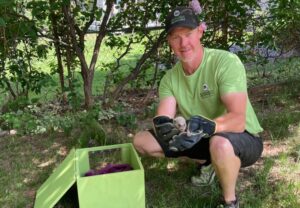
Wildlife Removal In Richmond Hill: Skedaddle‘s Lifetime Guarantee
Why Do Squirrels Dig In Your Garden?