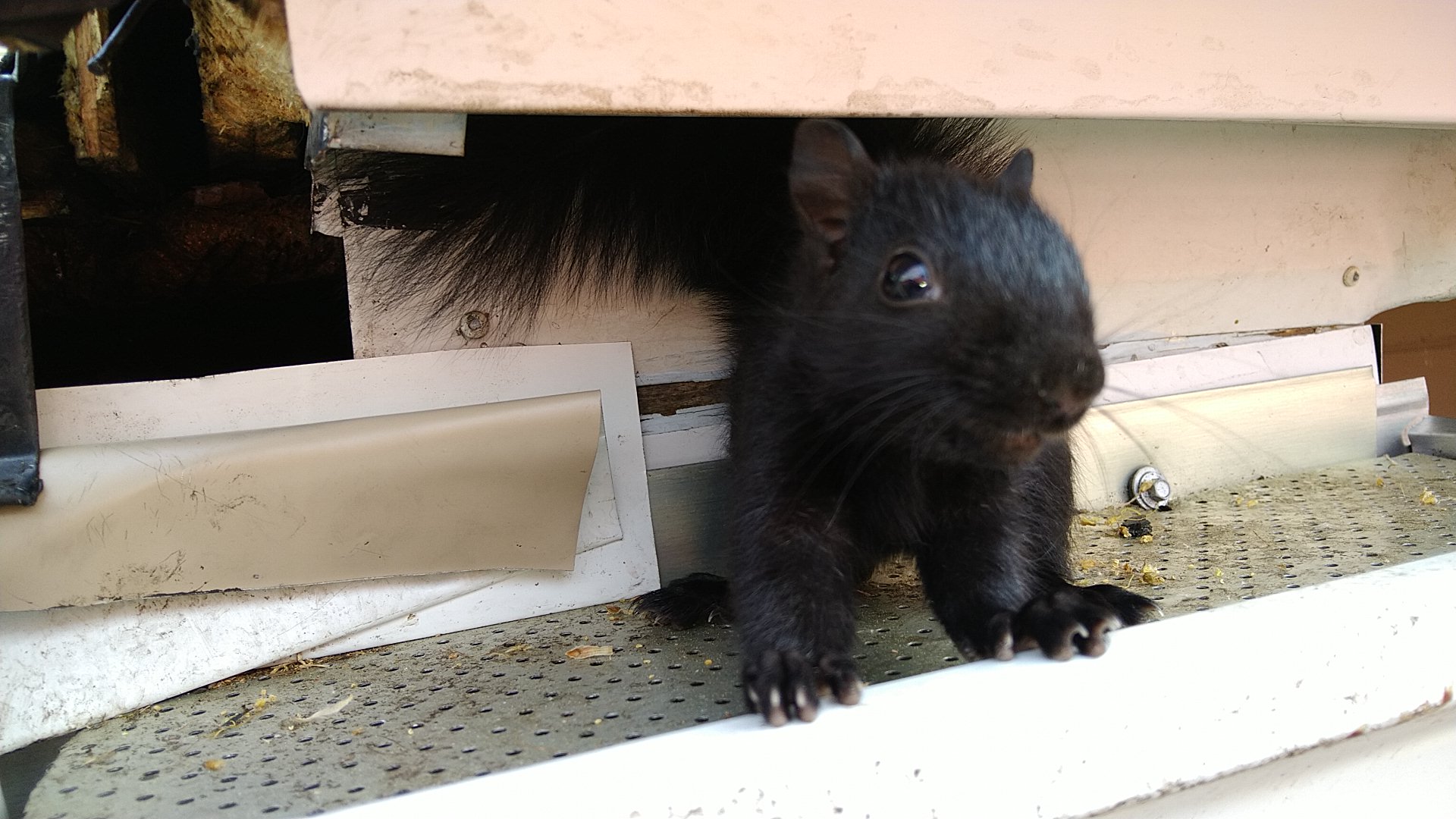
You notice winter arrive fast in Richmond Hill. Temperatures drop, snow piles up, and outdoor life slows down. While people bundle up and stay inside, squirrels must find other ways to survive the cold. If you’ve ever wondered how squirrels in winter manage to stay active, the answer comes down to preparation, shelter, and behaviour.
You may be surprised to learn that squirrels in winter do not hibernate. Instead, they rely on smart habits that help them keep warm and safe. When those habits bring them too close to homes, that’s when professional help matters. At Skedaddle Humane Wildlife Control in Richmond Hill, we see how squirrel behaviour in winter changes and why proper control protects both homes and animals.
In this blog, you’ll learn how squirrels stay warm during winters in Richmond Hill, what changes in their behaviour as temperatures fall, and why professional squirrel removal in Richmond Hill becomes important when winter shelter overlaps with living spaces.
Thicker Fur and Seasonal Body Changes
You might notice squirrels looking fuller in late fall. That change is not random. As temperatures drop, their bodies prepare for cold weather long before winter arrives.
They grow a thicker coat that traps heat close to their skin. This fur works like insulation, keeping cold air out while holding warmth in. Their tails also help by wrapping around their bodies when resting.
They also build fat reserves before winter. This extra layer helps with warmth and provides energy when food is harder to find. These natural changes are a key part of squirrel behaviour in winter and allow them to survive cold nights outdoors.
Reduced Activity and Energy Conservation
You may still see squirrels moving around in winter, but their activity level changes. They spend more time resting and less time searching for food.
They reduce movement on very cold days and stay inside shelter longer. Some may enter short periods of torpor, where body temperature and energy use drop. This is not full hibernation, but it helps conserve energy.
On milder days, they leave briefly to eat stored food. Then they return quickly to warmth. This pattern explains why winter activity can seem sudden and unpredictable.
Food Storage and Winter Foraging
You may notice squirrels digging in the fall. This behaviour is a key part of how they survive winter. Food storage happens long before snow arrives.
Winter food habits include:
- Burying Food Across Many Locations: Squirrels hide nuts and seeds in many small spots. This spread reduces the chance of losing all food at once. Even if one cache is found, others remain safe. This method supports survival through long winters.
- Using Memory and Smell to Find Food: Even under snow, squirrels can locate stored food. They rely on strong memory and scent tracking. This allows them to eat without searching for new food sources. It limits time spent in the cold.
- Short, Careful Foraging Trips: Winter foraging happens in brief trips outside shelter. Staying out too long causes heat loss and fatigue. Squirrels return quickly to warm nests after eating. This balance is a key part of squirrel behaviour in winter.
Why Homes Become Attractive in Winter
You may wonder why squirrels in winter suddenly appear near roofs or attics. The reason is simple. Buildings offer steady warmth and protection.
Homes provide insulation, blocked wind, and fewer predators. Once access is found, animals may use the same entry point repeatedly. Over time, this can lead to nesting inside structures.
That’s why professional squirrel removal in Richmond Hill matters. Timing, access control, and prevention protect homes while allowing animals to leave safely.
How Professional Wildlife Control Handles Winter Activity
You should never try to block squirrels in or remove them yourself. Winter adds extra risk because squirrels rely on shelter to survive cold weather. At Skedaddle, we focus on calm, humane control that follows seasonal behaviour. Our goal is to protect the structure while allowing squirrels to leave safely.
Our process includes:
- Identifying Active Shelter Areas: We carefully inspect the property to find where squirrels are entering and resting. This includes checking rooflines, walls, and hidden spaces where warmth collects. Knowing exactly where activity is happening prevents errors. It also ensures squirrels are not trapped inside during winter.
- Allowing Animals to Exit Safely: We use one-way doors that allow squirrels to leave on their own. These doors work with natural movement patterns, so animals exit without stress. Once outside, they cannot get back in. This keeps the process calm and safe during cold months.
- Securing Entry Points After Exit: After we confirm the space is clear, we seal all access points. This step stops squirrels from returning when temperatures drop again. Securing the structure changes how it functions as shelter. It is the key to long-term prevention during squirrels in winter.
This approach works year-round and is especially important during squirrels in winter.
Squirrel Removal in Richmond Hill With Our Professional Team
You may notice scratching, movement, or noise during colder months. These signs often mean squirrels have found warmth inside your structure.
At Skedaddle Humane Wildlife Control in Richmond Hill, we handle squirrel removal in Richmond Hill using humane methods that respect winter behaviour. We never use trapping or relocation. Our goal is to stop repeat access while allowing animals to leave safely.
You don’t need to guess what to do or wait for damage to grow. Professional wildlife control prevents ongoing issues and protects your home through every season.
A Smarter Way To Handle Squirrels In Winter
You don’t have to live with noise or damage just because it’s cold outside. Understanding squirrels in winter explains why activity increases and why professional help matters.
When squirrel behaviour in winter brings animals too close to your home, the right response protects everyone involved. If you’re dealing with winter activity, request an estimate from us at Skedaddle Humane Wildlife Control in Richmond Hill. Our team handles squirrel removal in Richmond Hill safely, effectively, and with long-term prevention in mind.

 Loading...







