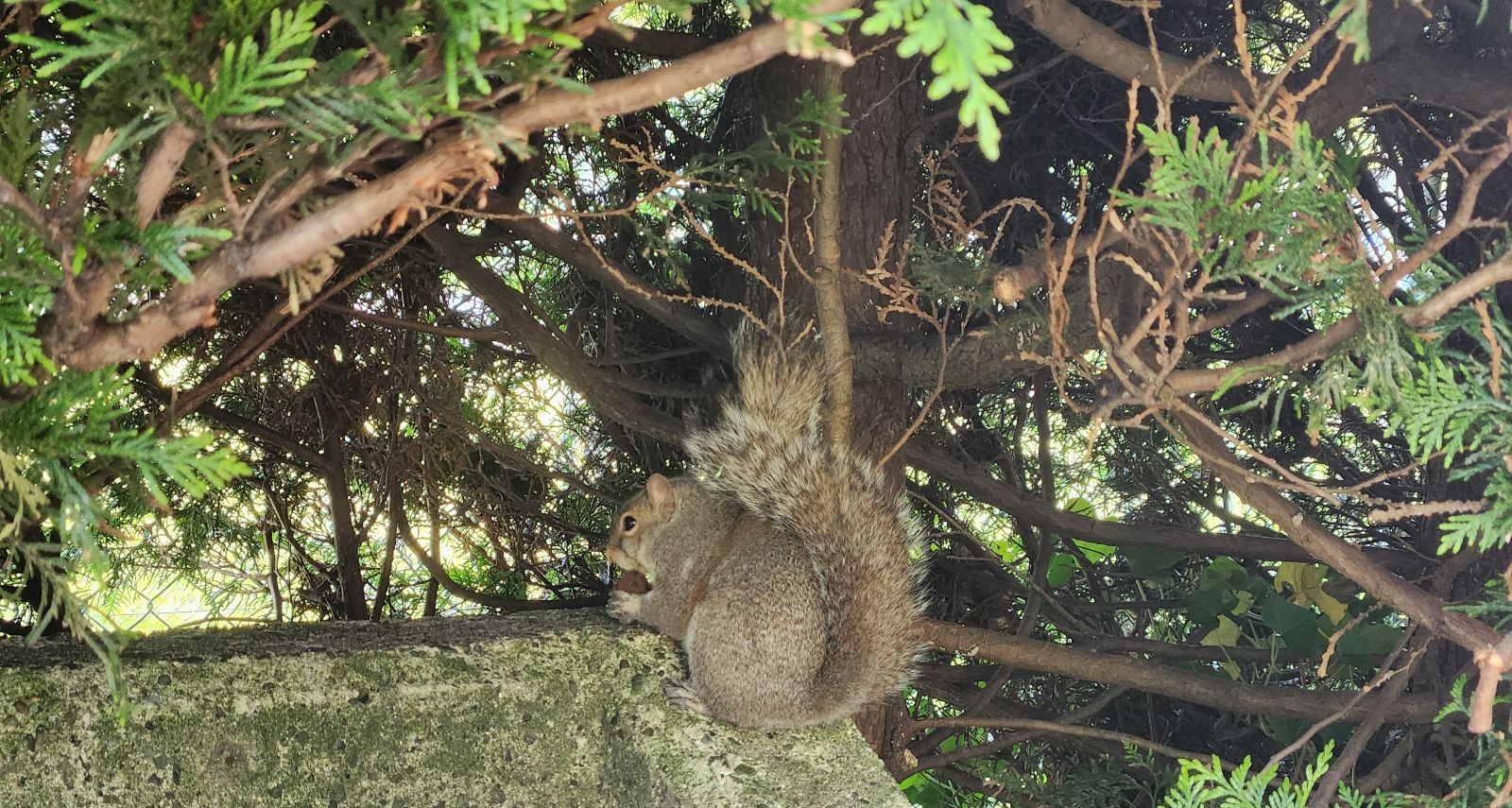
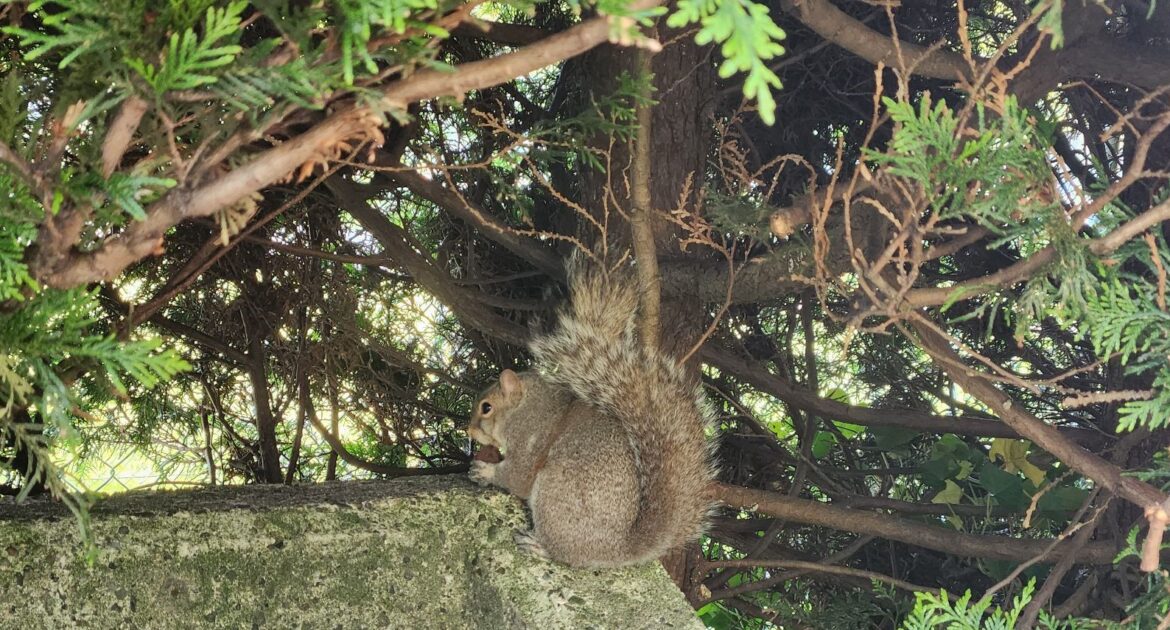
You step outside to enjoy your garden, expecting peace and beauty, only to find holes scattered across your carefully maintained lawn. Sound familiar? Squirrels digging in your garden can be more than just a minor annoyance—they can leave behind squirrel damage in the yard that costs you time, energy, and money. But why are these little critters turning your grass into their personal playground?
Squirrels dig in gardens for a few reasons, but it all boils down to survival. They’re looking for food, such as nuts, seeds, or bulbs, and might even be burying supplies to store for winter. Sometimes, they dig simply because they’ve detected the scent of something interesting under the soil. Richmond Hill homeowners know all too well how frustrating this can be.
While their fluffy tails and playful nature might be delightful from afar, getting rid of those pesky digging habits requires a plan. That’s where we, the team at Skedaddle Humane Wildlife Control in Richmond Hill, come in. We’ve got the knowledge and tools to protect your yard and show you how to stop squirrels digging for good—all while keeping things humane and environmentally friendly.
If you’re wondering how to solve this, don’t worry. We’ll walk you through everything from understanding squirrel behaviour to the best ways to prevent squirrel damage in the yard. Along the way, you’ll gain tips, tools, and the reliable support of our Richmond Hill-based professionals who are here to keep your garden safe without harm to the wildlife around it. Stay with us—your garden deserves it!
The Instinct to Hide Food for Winter
One major reason you see holes in your lawn or flowerbeds is a behaviour called caching, which means hiding food. As days get shorter and colder, squirrels prepare for winter when food is harder to find. They gather nuts and seeds and bury them for later use.
They spread food across many spots, so one loss does not ruin everything. Your yard and garden beds look like perfect storage areas. Squirrels dig small holes, bury food, and cover it again—repeating this process many times.
Here is why this habit leads to so many holes in your property:
- Scatter Hoarding: These animals do not store all their food in one place because that would be too risky. Instead, they bury single nuts in many different spots across your lawn and garden. This spreads out their food supply but also leaves behind dozens of small holes throughout your property.
- Memory Issues: Even though they bury food carefully, squirrels do not remember every hiding spot. When they forget where food was placed, they return to dig up the same areas again and again. This repeated searching leads to even more holes and disturbed soil over time.
- False Digging: In some cases, squirrels will dig a hole and cover it back up without hiding any food at all. This is done on purpose to confuse other animals that may be watching and trying to steal their stash. While nothing is buried, the digging still damages grass, mulch, and flowerbeds.
- Constant Activity: This behaviour does not stop after a single day or week. It continues throughout the fall as squirrels prepare for winter. With each passing day, the number of holes increases and the damage becomes harder to ignore.
Searching for Tasty Plant Bulbs
Another reason squirrels dig in gardens is hunger. Along with nuts and seeds, they love fresh plant bulbs. Tulips and crocuses are common targets and may be dug up soon after planting.
Freshly planted bulbs give off strong smells that squirrels can detect underground. Once they catch the scent, they dig until they reach the bulb. Often, they take a bite and leave the rest behind, which can ruin a garden before flowers ever bloom.
Here are some of the things they are looking for when they dig:
- Tulip Bulbs: Tulip bulbs are one of the most common targets because they are rich in energy and easy to find. Once planted, they release a strong scent that squirrels can smell through the soil. Hungry foragers will dig them up quickly, often before the bulb has a chance to take root. In many cases, the bulb is eaten or left damaged on the surface.
- Crocus Corms: Crocus corms are smaller, but they are just as appealing to digging animals. Their size makes them easy to grab and carry away. Many are eaten shortly after planting, which explains why crocuses often fail to appear in spring. This can be frustrating for homeowners who carefully planned their gardens.
- Fresh Seeds: Newly planted grass seed or vegetable seeds are easy food sources. Squirrels see these areas as an open buffet, especially when seeds are loosely covered by soil. Digging in these spots can prevent seeds from sprouting at all. This often means having to reseed the area from scratch.
- Young Roots: Sometimes animals dig not for bulbs, but for tender roots beneath the soil. Young roots are soft and full of nutrients, making them easy to chew. Even a small amount of root damage can kill a plant. This leaves gardeners with wilted or dead plants that never recover.
Why They Love Your Soft Soil
You may notice more squirrel damage in garden beds than in grassy lawns. The reason is simple: soft soil is easier to dig than hard, packed ground. Fresh mulch and potting soil take very little effort to move.
When you prepare a garden, you loosen the soil and add compost to help plants grow. While this helps flowers, it also attracts animals. Given the choice, squirrels will always choose soft garden beds over hard soil.
Here is why the texture of your soil matters so much to them:
- Less Effort: Loose soil takes very little energy to dig through compared to hard ground. Squirrels can quickly bury a nut in just a few seconds and move on to the next spot. This allows them to hide food in many places without getting tired. Garden beds make this work fast and easy.
- Hiding Scents: Freshly turned soil has a strong, earthy smell that helps cover the scent of buried food. This makes it harder for other animals to smell and steal the stash. By masking the scent, the food stays hidden longer. This gives squirrels a better chance of finding it later.
- Easy Retrieval: When food is buried in soft soil, it is easier to dig up later. This becomes especially important as temperatures drop and the ground starts to freeze. Softer areas remain workable longer into the season. Squirrels remember these spots as reliable food sources.
- Warmth: Garden beds covered with mulch tend to hold heat better than bare soil. This makes them more comfortable places to dig and spend time. Warmer ground is easier to work with and helps conserve energy. During cooler weather, this extra warmth becomes very appealing.
Hunting for Insects and Grubs
While many people think these animals only eat nuts, they are actually omnivores. They also eat insects and grubs, which provide protein. Lawns with lots of bugs often attract digging.
This digging looks different from small holes. Grass may be torn back as squirrels search underneath. The damage can leave lawns patchy and brown and is often mistaken for skunk or raccoon activity.
Here are the types of prey they might be digging for in your lawn:
- White Grubs: White grubs are the larvae of beetles and live just below the grass. They are soft, plump, and packed with protein, which makes them a valuable food source. Squirrels can smell or sense them in the soil and will dig to reach them. Lawns with heavy grub activity often see the most damage.
- Caterpillars: Some caterpillars burrow into the ground before turning into moths or butterflies. While hidden, they become easy targets for digging squirrels. They will tear back patches of soil or grass to reach them. This often leaves uneven spots across the lawn.
- Earthworms: Earthworms move closer to the surface after rain. This makes them easier for squirrels to find. They will dig shallow holes or lift small sections of turf to catch them. These small digs can add up and make lawns look rough.
- Insect Larvae: Many insects lay eggs in the soil, which later hatch into larvae. These larvae are slow-moving and easy to catch. Squirrels will return to areas where they have found larvae before. This repeated digging causes ongoing lawn damage.
How We Protect Your Home and Garden
At Skedaddle, we stop squirrels from digging and damaging your property. We focus on why animals are there, not just the holes they leave behind. This helps solve the problem for good.
Our team inspects your yard and home to find entry paths, food sources, and nesting areas. Many animals digging in gardens live nearby, such as under decks, sheds, or even in attics.
We use humane solutions like one-way doors. These allow animals to leave their dens but stop them from getting back in. The squirrels are not hurt and simply move on.
To prevent return, we install strong screening around decks and sheds. The screening goes deep into the ground and cannot be chewed through. This creates lasting protection and keeps your garden safe.
Ready to Reclaim Your Beautiful Backyard?
If you are tired of waking up to squirrels digging garden beds and leaving a mess, it is time to call in the experts. Don’t let squirrel damage in the yard ruin your outdoor enjoyment any longer. We have the skills and experience to show you how to stop squirrels digging permanently.
Protect your home and your peace of mind. Contact Skedaddle Humane Wildlife Control in Richmond Hill today to request an estimate and learn more about how we can help you.

 Loading...