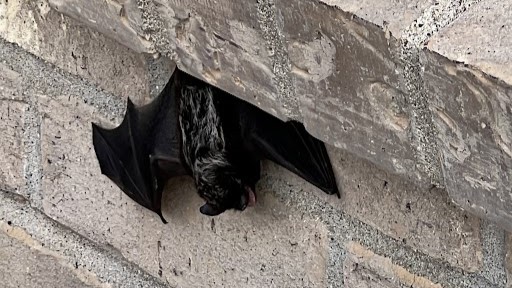
You might not think about what’s happening above your head after the sun goes down, but there’s a whole world of teamwork and chatter going on in the night sky. If you’ve ever seen bats swooping in graceful patterns at dusk, you’ve already caught a glimpse of their social side.
These fascinating animals rely on one another to survive, and their ability to “talk” through sound and behavior is what keeps their colonies thriving.
Bat colony communication is one of nature’s most complex forms of teamwork. From finding food to protecting their young, bats have learned to live together in large groups with remarkable coordination. If you live in St. Paul, you’ve likely shared your nights with some of these social creatures.
At Skedaddle Humane Wildlife Control, we know how strong bat communities can be, especially when they find shelter inside attics or old buildings. Understanding how bats live in colonies and how they interact helps you see why humane removal is so important.
The Language of Sound
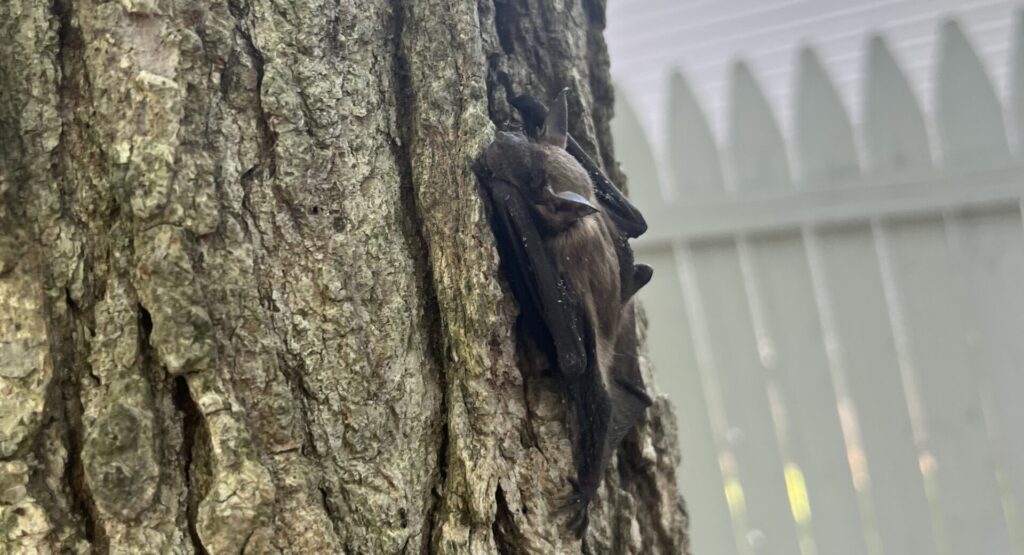
It’s commonly known that bats use echolocation to hunt and navigate the night sky, but that’s just one part of bat colony communication. Echolocation helps them locate insects and avoid obstacles, but bats also use different sounds to talk to each other. Each squeak, chirp, or trill carries meaning.
Scientists have found that bats have distinct “voices” that other bats recognize. They can tell who’s nearby just by sound, whether it’s a parent, offspring, or colony mate. These vocalizations help them:
- Warn each other of danger
- Call to pups in dark roosts
- Coordinate while flying together
- Establish social rank within the group
You can think of it as their own language. One that allows them to navigate the night without bumping into each other or losing touch. When hundreds of bats are flying in the same space, their ability to communicate through precise sounds keeps everyone safe and organized.
Group Living and Roles Inside a Colony
Bats aren’t loners. They thrive in groups because living together provides warmth, safety, and shared parenting. Inside a roost, especially during summer months, colonies can range from a few dozen to several hundred individuals.
Here’s how their colonies often organize themselves:
- Maternity Colonies: made up of females and their pups. Mothers give birth and raise their young together, creating a safe and warm space for development.
- Bachelor Groups: small clusters of males that live separately to reduce competition.
- Daytime Roosts: spots for resting, grooming, and staying cool or warm depending on the season.
- Night Roosts: temporary stops used between feeding trips.
You’d be amazed at how structured bat social behavior can be. Everyone seems to know their role, and cooperation is what keeps the colony healthy. If one bat is disturbed, others react immediately. Proof of how closely connected their community really is.
Communication Beyond Sound
Bat colony communication also includes touch, scent, and movement. When bats groom each other or snuggle together in tight clusters, they’re strengthening social bonds and building trust.
They also use scent to recognize their young or familiar roost mates. Each bat has a unique smell that helps them identify who belongs in the group. In crowded roosts where hundreds share the same space, these scents prevent confusion and help maintain order.
Even body movements tell a story. Subtle wing gestures or nudges can signal everything from friendliness to a warning to back off. These layers of communication help them avoid fights and keep harmony within their colony, something you wouldn’t expect from animals that live in near-total darkness.
Nighttime Coordination
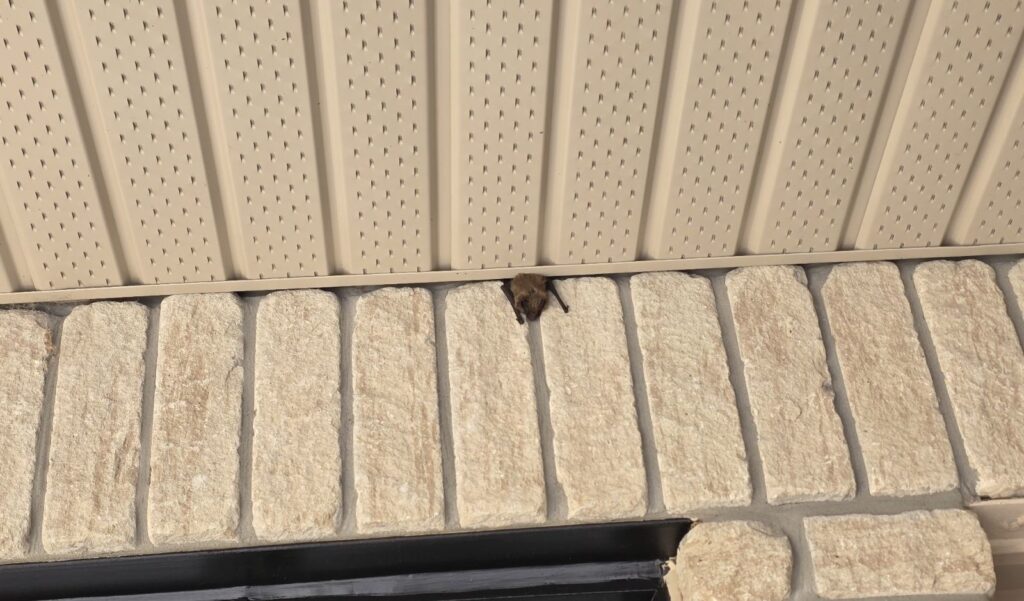
When the sun sets, bat colonies burst into action. You’ll see them darting and swirling through the air, but it’s not random. Every flight path is part of a larger pattern.
Bats coordinate through an incredible mix of sound and instinct. Here’s how it works:
- Echolocation Calls: Allow them to sense and avoid one another mid-flight.
- Feeding Chatter: Helps share information about rich insect spots.
- Navigation Signals: Allow returning bats to guide others home.
- Timing Cues: Tell the group when it’s time to leave or return.
Their nightly routines show just how efficient their communication system is. Even when hundreds leave a roost at once, they rarely collide or lose track of direction. If you’ve ever seen a group of bats flow smoothly out of an attic or cave, you’ve witnessed this synchronized behavior in action.
Raising Young Together
In a maternity colony, mothers share space and work together to raise pups. Warmth is crucial, especially in cooler climates like Minnesota, and clustering keeps temperatures steady for newborns.
Mothers also take turns leaving to feed, always returning to nurse their pups in the same shared roost. What’s amazing is how mothers can identify their babies among hundreds of others — they use a mix of sound and smell to find them instantly. This cooperation ensures every pup gets the care and warmth it needs to survive.
When young bats start flying, they often follow experienced adults to learn where and how to hunt. This teaching behavior is a perfect example of bat social behavior, a community built on learning and support.
City vs. Natural Colonies
In places like St. Paul, bats have adapted remarkably well to urban environments. They still display the same bat colony communication behaviors, but instead of caves or trees, they find shelter in man-made structures.
Common urban roosting sites include:
- Attics and roof vents
- Chimneys or behind shutters
- Abandoned buildings
- Gaps in siding or under bridges
These spaces mimic the dark, enclosed feel of caves but offer protection from predators and bad weather. While this is great for the bats, it can cause noise, odor, and health issues for homeowners.
That’s why we focus on humane removal. Our trained team installs one-way doors that let bats safely exit without being harmed and we make sure they can’t come back inside. Once they’re out, we seal the entry points so your home stays secure long term.
The Benefits of Bat Social Behavior
How bats live in colonies directly impacts their success as insect controllers. When bats communicate about food sources, they target the heaviest insect zones like mosquito clouds or crop pests and reduce them dramatically.
This teamwork also strengthens their survival chances through harsh weather or food shortages. Young bats learn faster, colonies grow stronger, and ecosystems stay balanced. In St. Paul, their nightly activity helps control insect populations naturally, making them an important part of the local environment.
Their success comes from cooperation: the ability to listen, respond, and adapt as one. You could say a bat’s social behavior is one of nature’s best examples of teamwork.
Why You Shouldn’t Handle a Bat Colony Alone
It may be tempting to check out strange noises in your attic or figure out where bats are entering, but these animals are best left to professionals. They’re protected in many areas, and their colonies can number in the hundreds. Trying to seal an opening or scare them away can trap them inside or separate mothers from their young.
Our team at Skedaddle handles these situations safely. We know when to install one-way doors, how to identify entry points, and what time of year removal can be done without harming young bats. You don’t need to take risks, we’ll take care of everything humanely and completely.
When Communication Leads to Conflict
Once a colony becomes active, the noise can be hard to miss. High-pitched squeaks or rustling in your attic are often signs of communication between roosting bats. Their group behavior, while fascinating, can become disruptive inside a home.
That’s when calling professionals makes a difference. With humane removal and prevention, you can restore peace to your home while keeping wildlife safe. Bats get to return to their natural patterns outdoors, and you regain a clean, quiet living space.
Keep Your Home Peaceful and Wildlife Safe
The next time you see bats darting through the evening sky, you’ll know there’s more happening than meets the eye. Bat colony communication is a blend of sound, scent, and cooperation that allows these animals to thrive together. Their teamwork shows exactly how bats live in colonies and why their bat social behavior is so unique.
If you think a colony has found its way into your attic, it’s best to let experts step in. At Skedaddle Humane Wildlife Control in St. Paul, we use one-way doors and proven techniques to let bats leave safely and keep them from coming back.
Request an estimate to learn more about how we can help protect your home while respecting the wildlife that calls Minnesota home.

 Loading...







