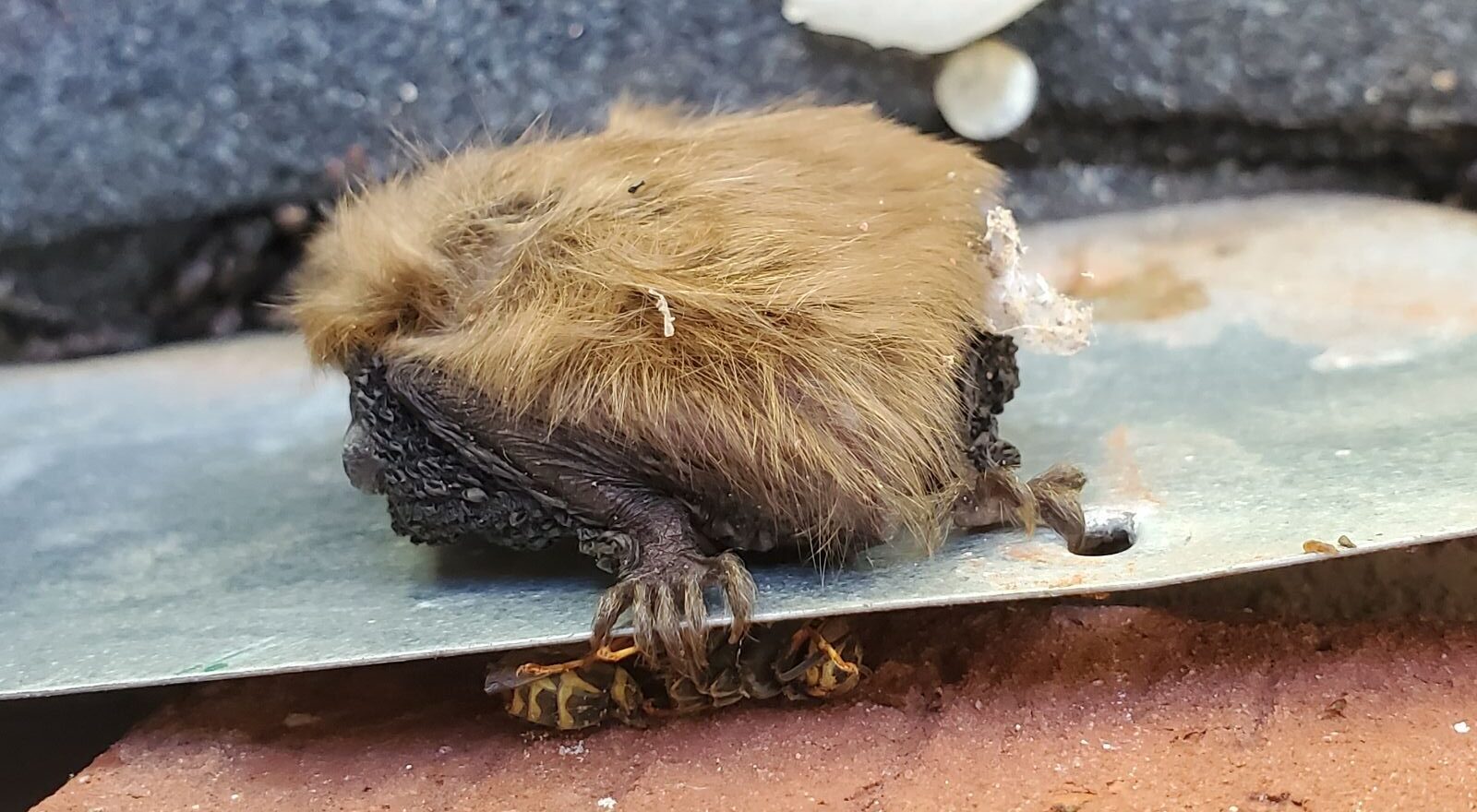
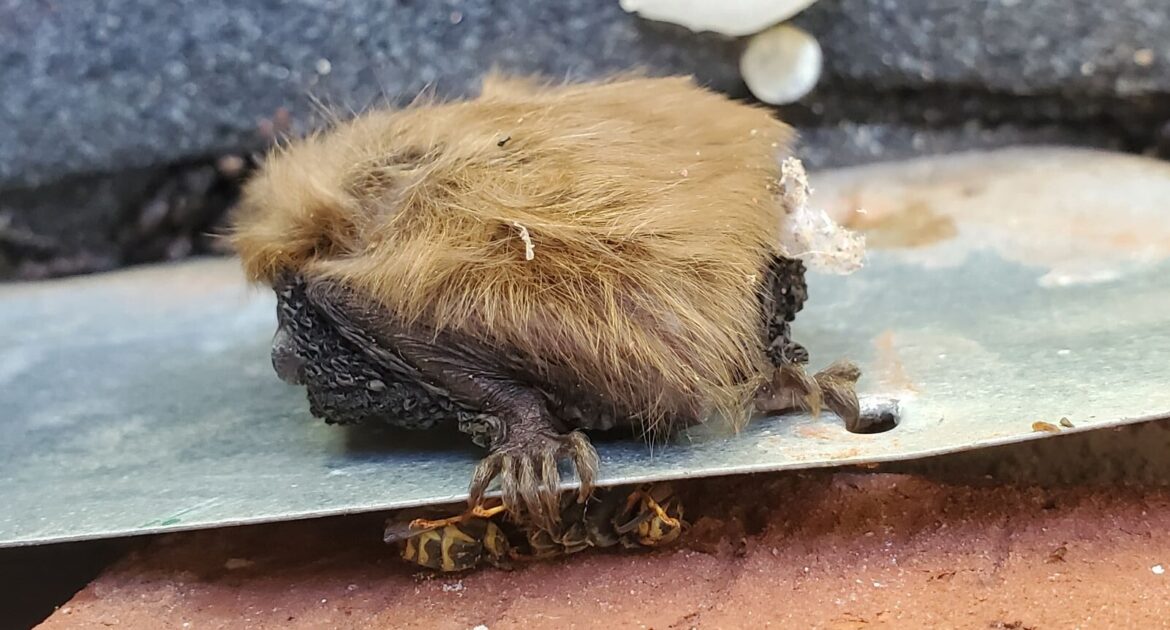
Minnesota winters are no joke. Here in St. Paul and the surrounding areas—whether you’re near Como Park, Highland Park, or heading north toward Anoka—temperatures dip fast and stay low. While most of us bundle up and stay indoors, bats do the same. Unfortunately, that often means homeowners discover bats hidden in attics as the cold sets in.
At Skedaddle Wildlife Control in Minnesota, we spend every winter helping families understand why bats choose homes for shelter, how to prevent them from getting inside, and what to do if they’ve already settled in. Our focus is always on humane solutions that protect both people and wildlife, and winter is a key season for staying proactive.
Why Bats Choose Minnesota Attics During the Winter
Most homeowners are shocked to learn that bats don’t necessarily fly south for winter. In Minnesota, especially in regions around St. Paul, Shoreview, Roseville, and up toward Anoka, several species stay local throughout the colder months. The little brown bat and big brown bat are the most common winter residents in this region, and they’ve adapted to survive long periods of cold weather.
When natural roosting spots—like hollow trees or rock crevices—aren’t available or warm enough, bats look for the next best thing: an attic. These spaces offer exactly what bats need to hunker down during winter:
- Consistent warmth
- Protection from predators
- Stable humidity
- Darkness and quiet
An attic is the perfect microclimate for overwintering. Once bats settle in, they squeeze into tight spaces like wall voids, gaps between rafters, and insulation pockets. Their small size and flexible bodies make it easy for them to remain undetected for months.
Understanding Winter Bat Behavior in Minnesota
During the winter, bats enter a state called torpor, a deep form of rest that helps them conserve energy. While many people think bats hibernate nonstop through the winter, the truth is a little more complicated. Bats may occasionally wake up, adjust their position, or move to a warmer spot in the attic without homeowners ever hearing or seeing them.
Because they move so little, many families don’t realize they’ve become hosts to overwintering bats until warm spring days arrive and activity increases. That surprises people every year in neighborhoods near Lake Phalen, Dayton’s Bluff, and the West Side.
What’s even trickier is that bats only need a gap the width of a pencil to enter a home. A small opening near the roofline, an unsealed soffit, or a missing piece of siding is all it takes. Winter winds and shifting temperatures often widen these tiny gaps, making access even easier.
How Homeowners Can Help Deter Winter Bat Entry
Keeping bats out of your home is much easier than removing them once they’ve settled in. Winter is the perfect time to think about prevention, especially for older homes common around St. Paul.
Here are some practical steps homeowners can take:
- Inspect your roofline regularly. Look for gaps in soffits, vents, eaves, chimneys, and dormers.
- Seal cracks and openings. Even small crevices can invite bats inside. Caulk, mesh screening, and professional-grade sealants help.
- Check attic ventilation structures. Bats often use damaged vent screens as access points.
- Monitor for signs of bat presence. These might include faint sounds in the early evening, small droppings near entry points, or staining around a gap where oils from the bats’ fur accumulate.
If you’re unsure whether bats are present or how they may be entering, a professional inspection is the safest approach. Our team at Skedaddle spends every week helping homeowners pinpoint vulnerabilities, and we often find things that aren’t visible from ground level or obvious to the untrained eye.
What Not To Do: Why DIY Bat Removal Is Unsafe
We completely understand the instinct to handle wildlife issues independently, but bats are not a DIY project. Minnesota laws also protect bats, meaning improper handling or disturbance can cause fines—or worse, harm to the animals.
DIY removal poses several risks:
- Human exposure: While bats are gentle animals, direct handling can lead to potential bites, which must be taken seriously.
- Structural risks: Many homeowners unintentionally seal bats inside their attics, leading to chaotic indoor encounters or wildlife fatalities.
- Incomplete solutions: Blocking one entry point without understanding a bat colony’s behavior or movement patterns often pushes them deeper into the home.
We’ve been called after many DIY attempts go wrong—especially in older homes near Summit Avenue or in the historic neighborhoods around Cathedral Hill. Bats require specialized, humane, and legally compliant methods for removal. Professionals not only safely guide bats out but also prevent repeat issues.
The Importance of Humane Bat Removal
Humane removal isn’t just a preference—it’s essential for the survival of Minnesota bat populations and for maintaining a balanced ecosystem. Bats eat thousands of insects every night, making them incredibly valuable to our environment.
At Skedaddle, our approach always puts both safety and compassion first. We never remove bats by trapping or relocating them, which can lead to disorientation and death. Instead, we use targeted and humane measures that respect their natural behaviors.
Our process includes:
- Thorough inspection to locate all entry points
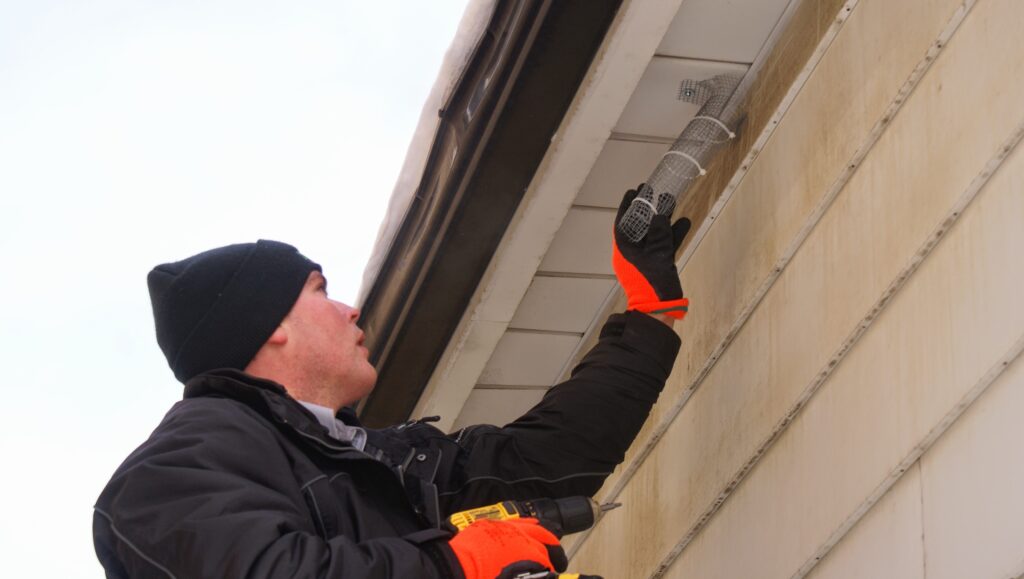
- Strategic installation of one-way doors—specialized devices that allow bats to exit the attic but prevent them from returning
- Monitoring to confirm all bats have safely vacated
- Professional sealing and protective work to secure the home
This method keeps families safe while allowing bats to continue contributing to Minnesota’s ecosystem once they’ve moved on.
How Skedaddle’s One-Way Doors Work
One-way doors are the heart of humane bat removal. These devices mimic natural bat behavior: exiting at night to feed. When bats attempt to return, the door’s structure blocks re-entry. This gently encourages them to find a more suitable roost elsewhere—usually a natural one.
Our specialists choose the exact placement of these devices based on how bats are traveling in and out of your home. Because every home is different—from newer builds in Woodbury to century-old houses near Hamline-Midway—this customized approach ensures the best results.
Once we confirm the bats have exited, we seal every entry point permanently. This prevents future bat issues and restores the integrity of your home.
St. Paul’s Bat Communities and Where They’re Commonly Found
Residents across St. Paul and the northern suburbs often encounter the same bat species:
- Big Brown Bats – The most common species in winter, capable of surviving colder attic temperatures.
- Little Brown Bats – Often seen in warmer months, though some overwinter in attics depending on conditions.
These bats frequently show up in neighborhoods with older housing or proximity to water sources. Areas near the Mississippi River, Battle Creek, and the parks throughout Anoka County create perfect feeding and roosting environments, which increases the odds that bats may choose nearby homes for winter shelter.
What to Do If You Suspect Bats in Your Attic
Even if you only notice subtle signs, don’t wait until spring to act. Winter is an ideal time to schedule an inspection because bats are less active, making it easier for professionals to assess the situation safely.
Our team at Skedaddle is local—we know the communities around St. Paul, from Mac-Groveland to Falcon Heights to the stretches of Anoka County where wildlife activity increases near wooded areas and wetlands. We understand the rhythms of bat behavior here and tailor our solutions to Minnesota homes and winters.
If you suspect bats, the best steps are:
- Avoid entering the attic
- Do not attempt to seal openings
- Contact a professional bat removal company
- Allow the experts to guide next steps safely and legally
We’ve helped countless families through the process and are always here to answer questions or schedule an assessment.
Bats are remarkable animals, and they play an essential role in Minnesota’s natural environment. But they don’t belong in your attic. With the right knowledge and a humane approach, homeowners can prevent bat entry and ensure their homes stay protected throughout the long St. Paul winter.
The Skedaddle Human Wildlife Control team is proud to serve this community—with trusted, humane, and effective solutions that keep families safe and bats safe too. If you’re seeing signs of activity or want to get ahead of potential issues, we’re here to help every step of the way.

 Loading...