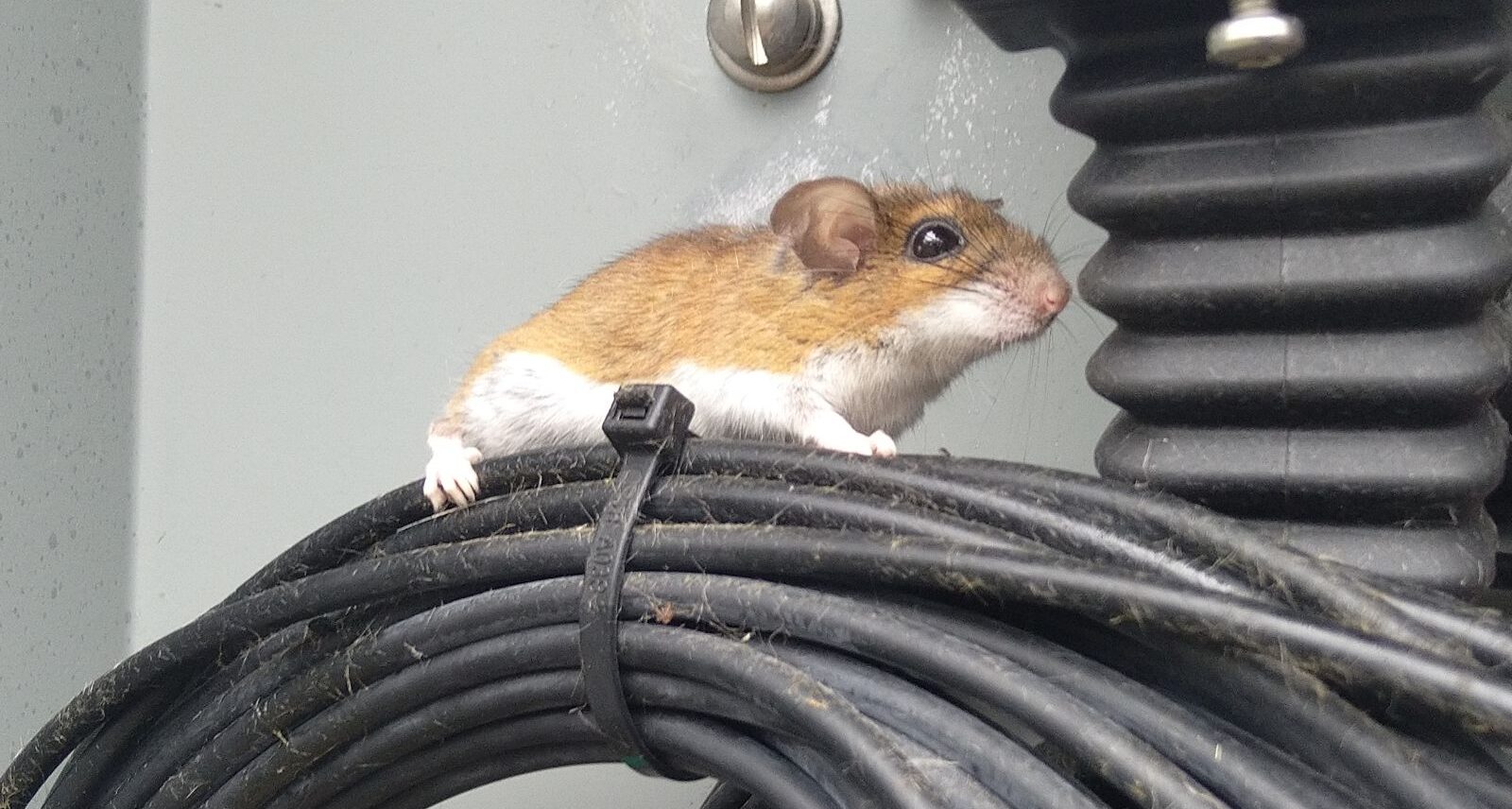
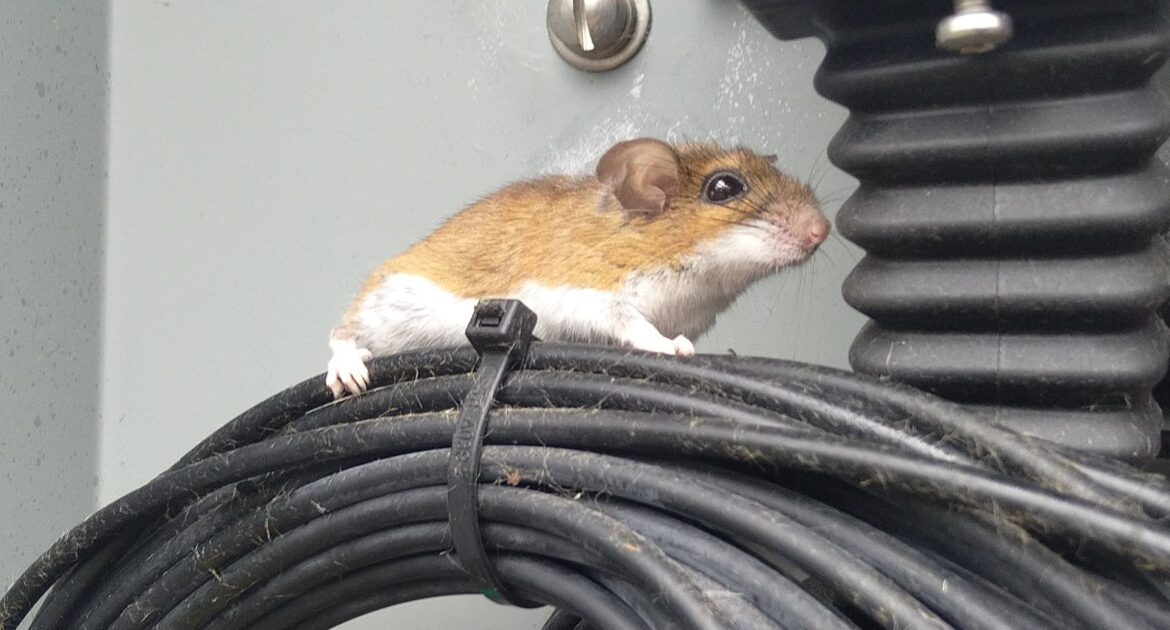
You might not think much about what happens behind your walls when winter hits, but for small animals like mice, your home becomes the perfect place to survive the cold.
When the temperatures drop in St. Paul, they look for warmth, food, and quiet corners to settle in. Once inside, they waste no time turning scraps and clutter into cozy shelters.
If you’ve ever wondered what goes into these tiny winter homes, you’re not alone. The truth is, mouse nesting materials can come from almost anything they find lying around. From insulation to paper and even pet hair, every bit helps them build layers of warmth and protection.
At Skedaddle Humane Wildlife Control in St. Paul, we see firsthand how winter mouse nests indoors form fast and quietly. Let’s look closely at mice nesting habits and the clever ways they use everyday household items to create their winter hideouts.
Paper and Cardboard: The Foundation of Every Nest
Paper and cardboard are lightweight, soft, and easy for rodents to shred with their teeth. Once they collect enough, they form the outer shell of their nests.
Here’s why these materials work so well:
- Easy to Find: From newspapers, paper towels, cereal boxes, or packaging.
- Simple to Shred: Their sharp teeth break it down quickly.
- Great Insulation: Multiple paper layers trap body heat.
They often grab bits of cardboard from storage boxes or torn packaging in basements and attics. You might even notice small shredded piles in corners, often a sure sign that nest building has begun.
Insulation and Fabric: The Warmth Layer
You’d be surprised how often insulation becomes part of winter mouse nests indoors. Fiberglass, foam, and even cotton insulation make excellent nesting material because they trap heat and block airflow. Mice mix it with bits of cloth or carpet fibers to make it even cozier.
In most cases, they pull insulation straight from walls, attics, or under floorboards. The fabric often comes from old rags, clothing, or furniture stuffing. This soft blend becomes the “blanket layer” of their nests. Perfect for protecting newborns and staying hidden during long winter nights.
When you think about it, it’s smart: they use the same materials that keep you warm in your house to keep themselves warm inside it.
Plant Matter and Natural Fibers: Outdoor Additions Indoors
Even when living indoors, mice don’t forget their outdoor instincts. They still collect plant matter and natural fibers to finish off their nests.
You’ll often find:
- Dried grass and leaves brought in from doorways or garages.
- Twigs or bark used for structure.
- Seeds and roots tucked inside for snacking later.
They drag these materials inside through small cracks or gaps and weave them together with paper or insulation. It’s another reason why nests stay so durable. Natural fibers hold shape even when damp or compressed.
This mix of outdoor and indoor materials makes nests surprisingly strong. That’s also why simply sweeping or patching small areas won’t stop the problem; these little builders always find a way to gather more.
Soft Stuffing and Cushioning: Comfort for the Family
You probably wouldn’t expect it, but mice care about comfort. They don’t just build for warmth; they build for softness, too. The inner layer of their nest is often lined with anything plush or fluffy.
Some of their favorite mouse nesting materials include:
- Cotton balls and tissues from bathrooms or bedrooms.
- Stuffing from furniture or pillows.
- Dust bunnies collected from hard-to-reach corners.
- Pet bedding or fleece scraps.
This soft layer creates a cradle-like space where young can stay safe and warm. Once established, they’ll reuse and expand the nest as the population grows. That’s why you might hear more noise in the walls over time. One nest can quickly turn into several.
Pet Hair, Feathers, and Odd Finds: The Finishing Touches
When it comes to mice nesting habits, almost nothing goes to waste. These animals finish their nests with whatever adds softness or helps mask scent. That often includes items you’d never expect: bits of pet hair, feathers from old pillows, and even lint from dryers or vents.
They use these fine materials as the final layer, sealing in warmth and helping disguise odor from predators. It’s their version of a home-security system — the less they smell like themselves, the safer they feel.
You might spot signs near these sources like torn pillow seams or missing dryer lint. If you do, it’s likely a mouse is nearby, collecting supplies.
How Mice Collect and Build Their Nests
Once they’ve found a steady source of materials, the building begins. Mice work mostly at night, moving quickly and quietly. You’ll rarely see it happening, but here’s how the process usually goes:
- Scouting: They locate a safe spot close to food and water.
- Collecting: They gather soft, fibrous materials from nearby rooms.
- Shredding: Everything gets torn into small, flexible pieces.
- Layering: Harder materials form the base; softer ones go inside.
- Insulating: They build thick walls to hold heat through the winter.
By the time you hear scratching in your walls, the nest is likely finished, sometimes even holding several young.
Why These Materials Cause Problems Indoors
The same mouse nesting materials that help them survive can cause real trouble for homeowners. Paper and insulation can catch fire, fabrics soak up moisture, and chewed wires create safety hazards.
Here’s what often happens when nests go unnoticed:
- Electrical Damage: Gnawed wiring sparks or shorts.
- Insulation Gaps: Raising heating costs.
- Contamination: Droppings and urine spread bacteria.
- Unpleasant Odors: From soiled nesting spots.
- Noise: Constant scratching and squeaking inside walls.
You might not see the nest itself, but these signs are red flags. Once a nest is built, it’s almost impossible to remove safely without professional help.
Seasonal Nesting Patterns in St. Paul
You may notice rodent activity picking up in late fall when the cold sets in. Once inside, mice rarely leave on their own. Their mice nesting habits follow the seasons closely:
- Fall: Gathering paper, insulation, and soft materials.
- Winter: Nesting and raising young indoors.
- Spring: Continued activity until outdoor food returns.
- Summer: Quieter months, though nests often remain hidden.
This cycle repeats every year, which is why one small problem in November can turn into a larger infestation by spring.
Professional Help From Skedaddle Humane Wildlife Control
At Skedaddle Humane Wildlife Control in St. Paul, we specialize in humane removal and prevention. Our team uses one-way doors that let animals leave but not return. After confirming your home is clear, we seal every entry point with weather-resistant materials designed to stop nesting before it starts again.
You don’t need to touch or clean anything, we manage the process safely and effectively. That way, you stay protected, and wildlife stays outside where it belongs.
When Shredded Paper Turns Into a Problem
Now you now know exactly what goes into a nest, insulation, paper, fabric, and even pet hair, and why those mouse nesting materials make indoor shelters so warm and durable. Their ability to adapt and reuse everyday items shows just how clever these small animals are.
But when winter mouse nests indoors appear, it’s time to call for help. Skedaddle Humane Wildlife Control in St. Paul can inspect, remove, and secure your home with humane, lasting solutions.
Request an estimate to learn more about how we can keep your home safe, clean, and mouse-free, all winter long.

 Loading...







