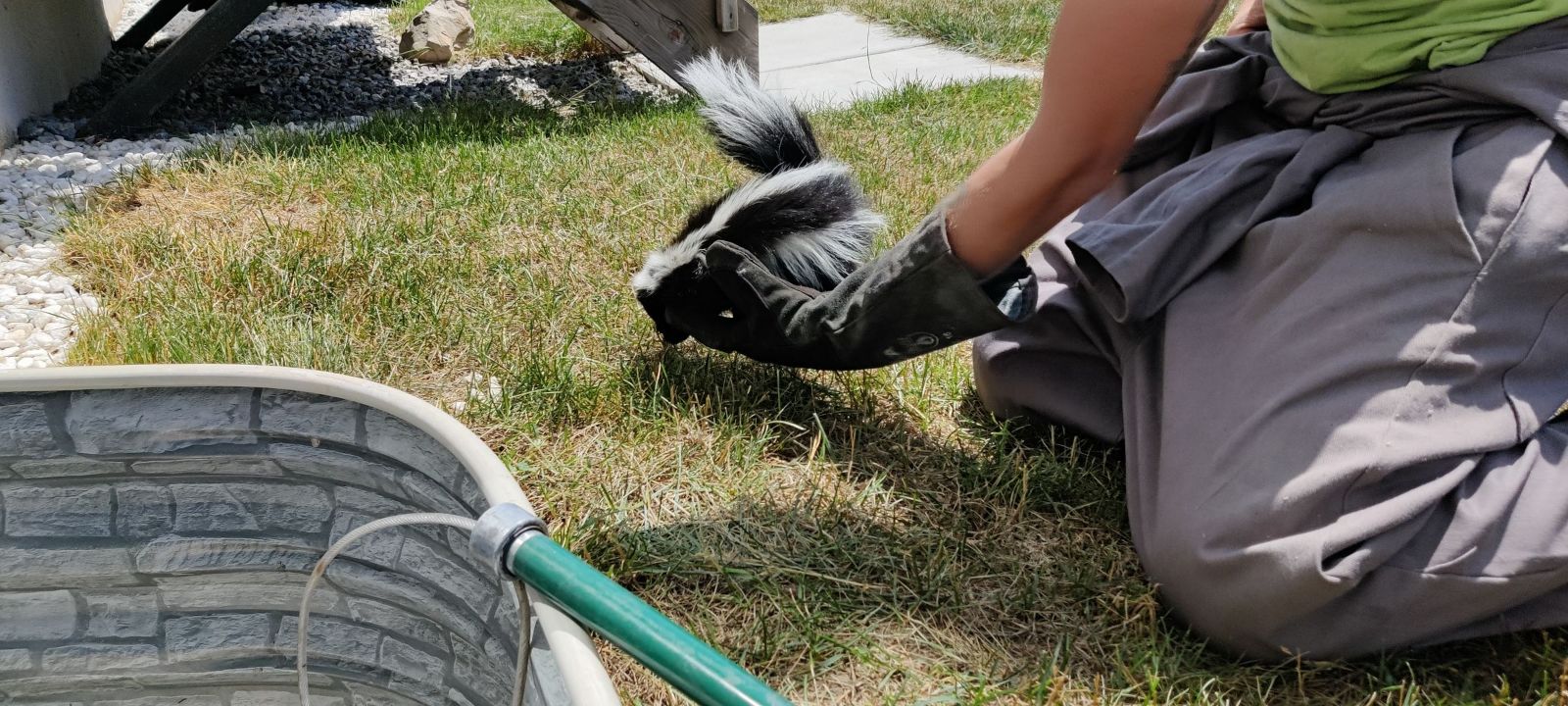
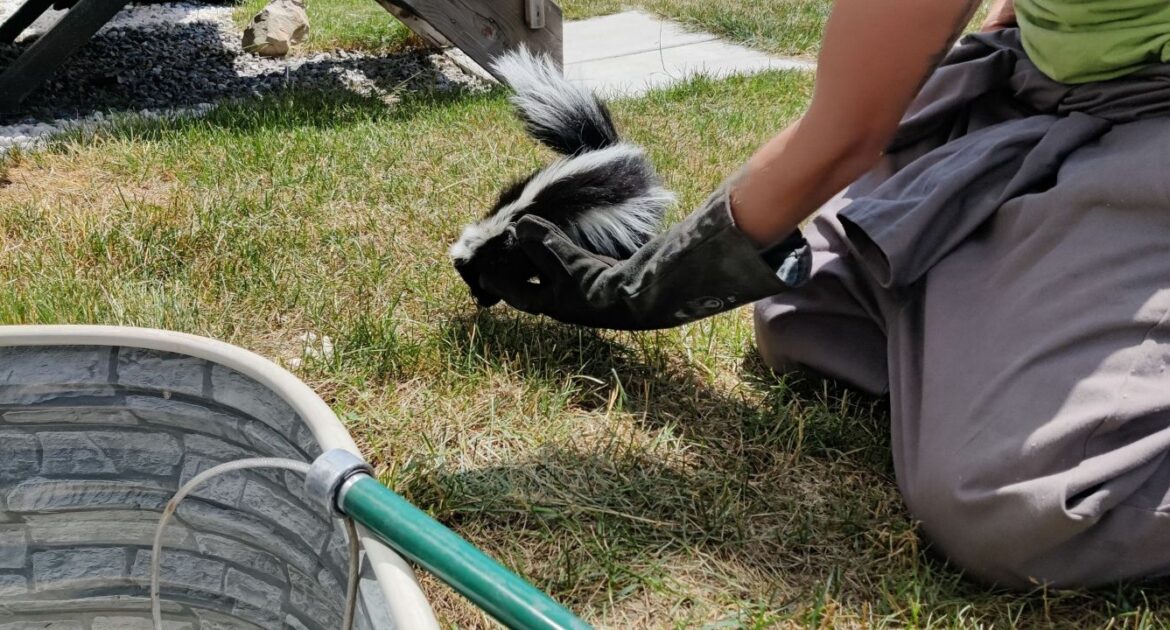
Spring is an exciting time for homeowners—flowers bloom, lawns green up, and wildlife starts to become more active. Unfortunately, this also includes skunks. Understanding skunk prevention yard strategies is essential to protect your property, prevent unwanted odors, and keep your family and pets safe. Preparing early can save time, stress, and costly repairs.
At Skedaddle Humane Wildlife Control in St. Paul, we help homeowners implement effective skunk prevention yard strategies that are both safe and humane. By learning about skunk behavior, recognizing signs of skunks in your yard during spring, and using professional prevention measures, you can enjoy a beautiful yard without unwelcome guests.
Why Skunks Become More Active in Spring
Skunks naturally become more active as the weather warms and the snow melts. During spring, they are searching for food, water, and suitable dens. Their activity is further heightened by the breeding season, which typically begins in early March and lasts through May.
- Skunks forage at dusk and dawn, making your yard a prime area for food searches
- They are drawn to insects, grubs, and easily accessible shelter
- Skunks in yard spring sightings often increase near compost piles, gardens, and sheds
Understanding their behavior is the first step in developing an effective skunk prevention yard plan.
Common Yard Areas Skunks Target
Skunks look for easy food sources and safe places to hide. Some of the areas most likely to attract skunks include:
- Lawns and garden beds for insects, worms, and grubs
- Compost bins and trash cans with accessible lids
- Under decks, porches, or sheds that provide sheltered spaces
- Thick vegetation or brush piles that give cover from predators
By identifying these high-risk areas, homeowners can focus prevention efforts where they are needed most.
Skunk Prevention Yard Strategies
There are several professional steps homeowners can take to make their yard less attractive to skunks. At Skedaddle, we focus on humane, long-term solutions rather than DIY fixes that are often ineffective. Some of the most effective skunk prevention yard methods include:
- Securing garbage and compost bins with tight-fitting lids
- Removing pet food and birdseed from outdoor areas, especially at night
- Keeping lawns well-maintained and trimming dense ground cover
- Inspecting decks, sheds, and crawl spaces for potential entry points
- Using professional exclusion measures to reinforce vulnerable areas
Proper implementation of these strategies can significantly reduce the chances of skunks taking up residence in your yard.
Signs Skunks May Be Present
Early detection is critical to preventing larger problems. Homeowners should watch for common skunks in yard spring signs, including:
- Small burrows or dug-up patches in lawn or garden beds
- Tracks in mud or soft soil, often showing five toes and claw marks
- Faint musky odors, especially near shelter or feeding areas
- Skunks observed foraging at dusk or dawn
Recognizing these signs allows homeowners to act before damage occurs and helps guide professional skunk control tips.
Risks of Skunks in Your Yard
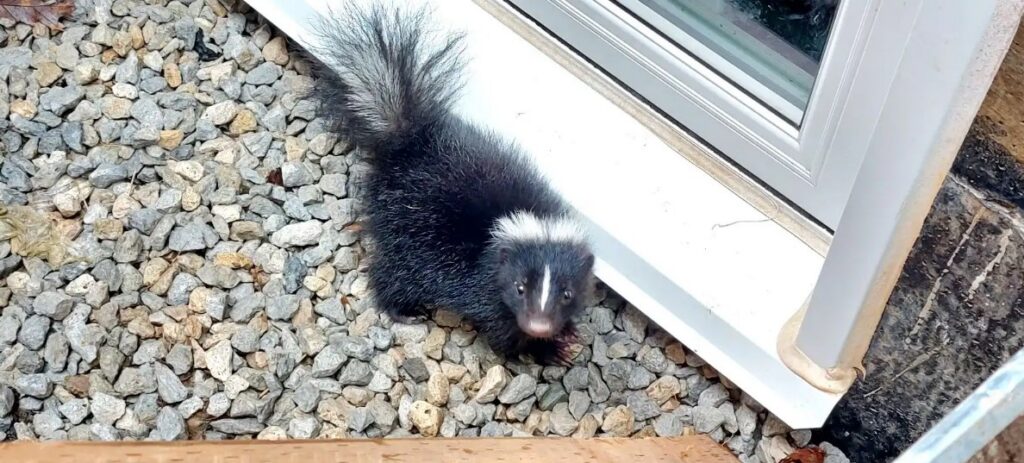
Skunks can be more than a nuisance; they can also cause property damage and health concerns:
- Burrows and lawn damage: Skunks dig for insects, grubs, and worms, leaving holes and uneven patches in lawns
- Odor issues: Skunks spray when threatened, which can linger for days and affect the enjoyment of outdoor spaces
- Health concerns: While generally non-aggressive, skunks can carry diseases that may affect pets
- Noise and stress: Activity at night can be disruptive, especially if skunks are seeking shelter under decks or sheds
Professional intervention ensures that these risks are mitigated without harming the animals.
Professional Yard Protection Solutions
At Skedaddle, we offer comprehensive services to keep your yard skunk-free using humane methods. Our approach includes:
- Thorough inspections to identify vulnerable areas and skunk entry points
- Installation of professional barriers and exclusion systems around decks, sheds, and fences
- Expert guidance to maintain safe and secure outdoor spaces year-round
- Follow-up inspections to prevent future activity
Homes that invest in professional skunk prevention yard measures see a significant reduction in skunk activity and damage compared to untreated properties.
Benefits of Preparing Your Yard Early
Taking action before skunks become active in spring provides several advantages:
- Protects your lawn, garden beds, and property structures
- Reduces odors and health risks associated with skunks
- Keeps pets and family safe from unwanted encounters
- Promotes coexistence with wildlife while maintaining control over your yard
- Helps you enjoy outdoor activities without unexpected visitors
Early preparation is a proactive step that can save homeowners time, money, and frustration later in the season.

A Skunk-Free Yard Starts With Prevention
Spring is the perfect time to focus on protecting your yard from skunks. By understanding skunk behavior, recognizing skunks in yard spring signs, and implementing professional skunk control tips, homeowners can enjoy a safe and odor-free outdoor space.
At Skedaddle Humane Wildlife Control in St. Paul, we specialize in skunk prevention yard solutions that are humane, effective, and long-lasting. Contact our team to prepare your property for spring and protect your yard from unwanted wildlife activity.

 Loading...







