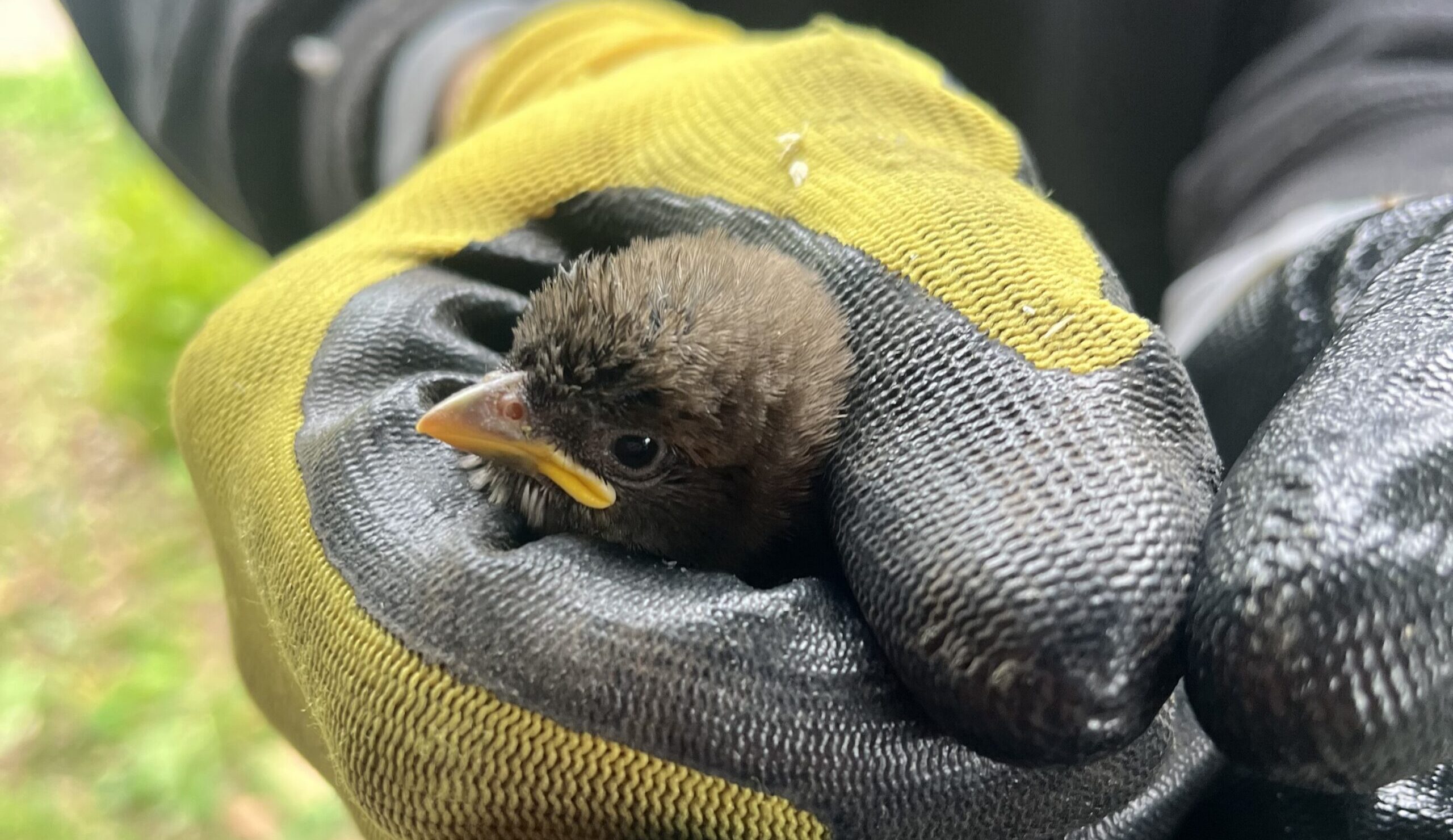
Winter is a season when many people expect wildlife activity to slow down—but some birds still find cozy spots to nest. Understanding birds nesting in the home during winter can help homeowners identify potential risks before serious damage or health concerns occur. Awareness of common winter nesting patterns allows homeowners to act proactively.
At Skedaddle Humane Wildlife Control in St. Paul, we help homeowners recognize birds nesting in the home during winter and take professional, humane steps to prevent property damage. By learning which species are most likely to nest indoors and where they prefer to roost, you can protect your home while keeping wildlife safe.
Why Birds Nest in Homes During Winter
Some bird species seek shelter in homes during the colder months because attics, vents, chimneys, and eaves provide warmth, safety, and protection from predators. Urban and suburban areas like St. Paul offer ideal structures for birds to roost.
Homes provide stable temperatures, making them more attractive to birds than exposed natural environments. Understanding these habits is crucial for identifying potential birds nesting in the home during winter.
Common Winter Birds Nesting
While many birds migrate or become less active during winter, several species are likely to seek shelter indoors. Knowing which birds are most likely to nest in your home can help you recognize activity early and prevent potential damage.
House Sparrows
House sparrows are small, social birds that often nest in eaves, vents, and attic spaces. They are highly adaptable, able to nest in tight spaces, and can produce multiple broods in a single season. Their persistent activity can sometimes cause damage to insulation or roofing materials if not addressed.
European Starlings
European starlings are cavity-nesting birds that can be very aggressive. They often compete for the same nesting spots as other birds, and their persistent activity can leave droppings and debris that may impact attic insulation and ventilation. Their nests are compact but can create significant buildup over time.
Pigeons
Pigeons are larger birds that prefer ledges, attics, and rafters. Their nests are bulky, and droppings can accumulate quickly, which can affect indoor air quality and lead to unpleasant odors. Pigeons tend to return to the same nesting sites year after year, increasing the risk of repeated damage.
Swallows and Wrens
Swallows and wrens often build mud or stick nests under eaves and overhangs. While smaller than pigeon or starling nests, they can still cause debris accumulation and attract other small wildlife. Swallows, in particular, are known to return to the same nesting sites annually.
Chickadees and Nuthatches
Chickadees and nuthatches are small cavity-nesting birds that occasionally move indoors during particularly cold weather. They are typically looking for warmth and safety, choosing attics or wall cavities to survive harsh winter conditions. Even small nests from these birds can result in insulation damage and droppings in hidden spaces.
Signs Birds Are Nesting in Your Home
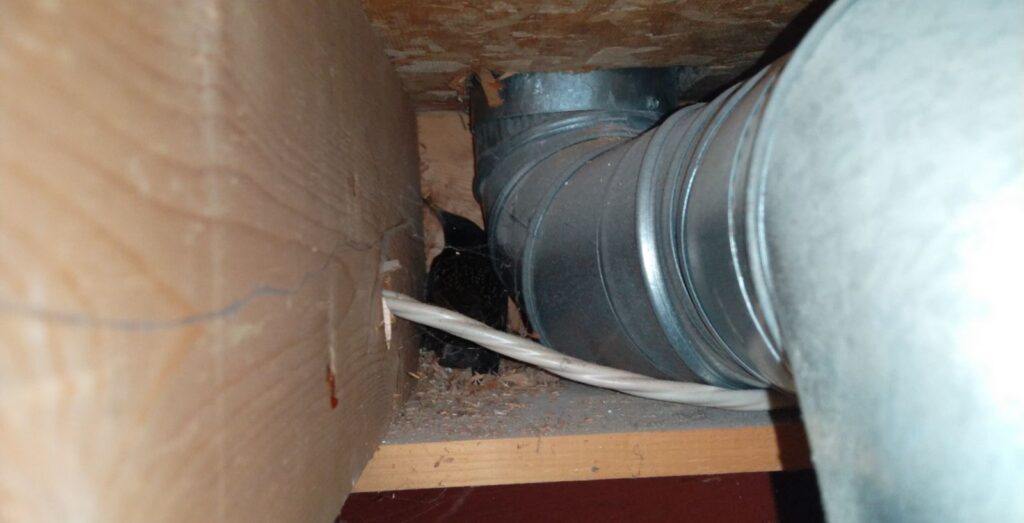
Recognizing birds nesting in the home during winter early can prevent significant damage and health hazards. Watch for:
- Chirping, fluttering, or scratching noises in attics or vents
- Nesting materials such as twigs, feathers, or mud near vents or eaves
- Droppings or stains around rooflines and soffits
- Strong odors from accumulated nesting materials
Early detection ensures homeowners can address problems promptly with professional solutions like bird nest removal.
Risks Associated With Winter Nesting
Winter nesting birds can create several issues for homeowners:
- Structural damage: Nests and activity can damage insulation, vents, and rooflines
- Sanitation concerns: Droppings can carry bacteria and allergens that impact indoor air quality
- Fire hazards: Nests built near electrical wiring or heat sources pose potential risks
- Noise and stress: Constant activity in attics or walls can disrupt daily life
Homes in urban areas see higher winter nesting activity because of accessible shelter and warmth, making professional prevention crucial.
Professional Bird Prevention Solutions
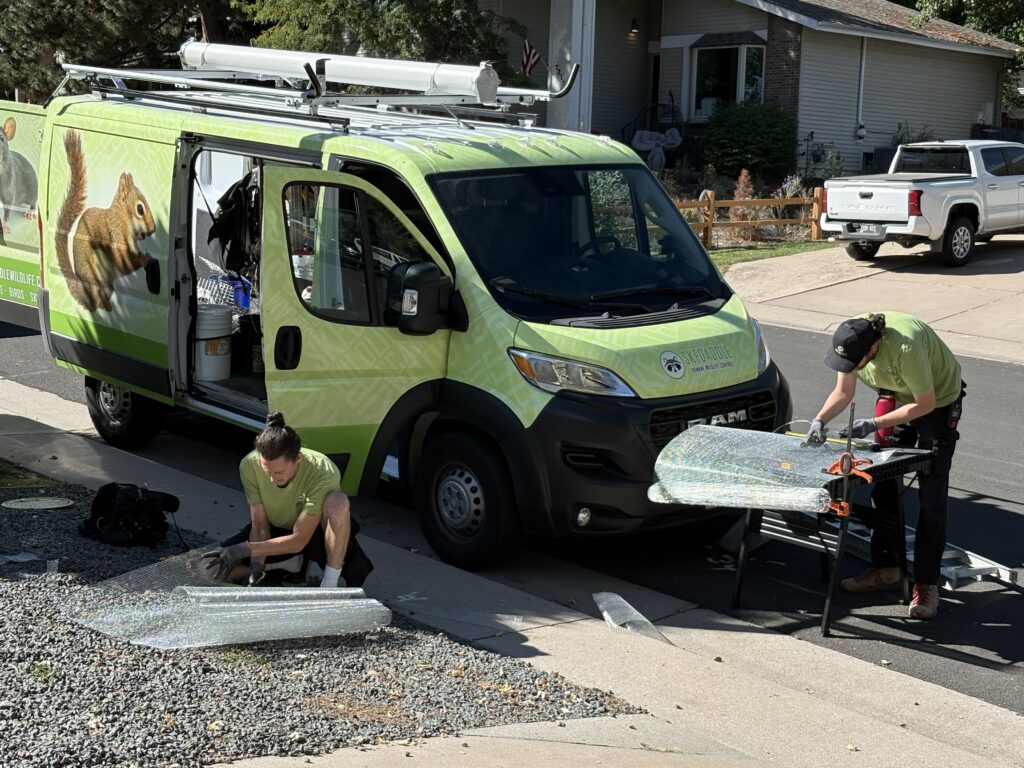
At Skedaddle, we provide humane, effective solutions to prevent birds nesting in the home during winter. Our approach includes:
- Comprehensive property inspections to identify vulnerable areas
- Installation of barriers and exclusion systems to protect attics, chimneys, vents, and rooflines
- Professional guidance to maintain wildlife safety while preventing damage
Professional approaches are more effective than temporary DIY fixes, which often fail to address hidden entry points.
Benefits of Early Intervention
Addressing bird activity early provides multiple advantages:
- Protects insulation, roofing, and ventilation systems from damage
- Reduces exposure to droppings and related allergens
- Prevents ongoing noise and stress from nesting activity
- Supports a humane, wildlife-friendly approach to home protection
Homes that implement professional bird prevention experience fewer indoor nesting issues during winter compared to untreated homes.
Choosing Professional Bird Nest Removal
While some services focus on removal, we emphasize humane bird nest removal combined with long-term prevention. Our team ensures that nests are addressed safely while preventing future activity.
- Inspections identify all entry points and high-risk areas
- Durable exclusion measures prevent re-entry
- Homeowners receive guidance on maintaining a bird-safe and secure home
Professional solutions ensure both the home and wildlife are protected, giving peace of mind to homeowners throughout winter.
Protect Your Home This Winter
Winter doesn’t mean your home is free from wildlife activity. Understanding birds nesting in the home during winter and recognizing common winter birds nesting allows homeowners to prevent structural damage, health hazards, and stress caused by indoor nesting activity.
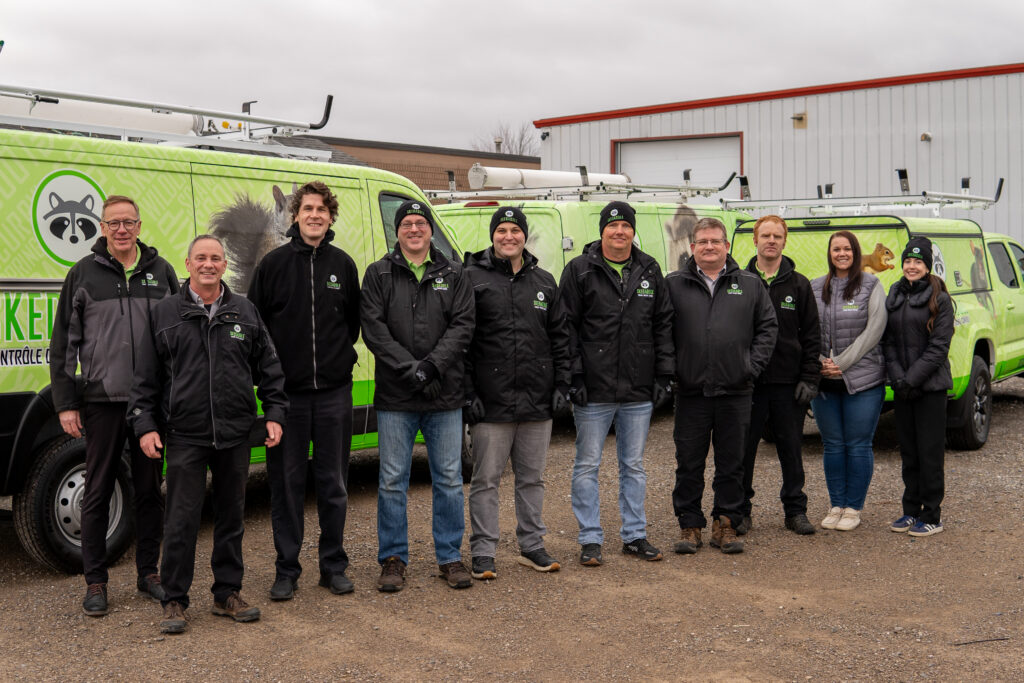
At Skedaddle Humane Wildlife Control in St. Paul, we specialize in professional, humane bird nest removal and prevention. Contact our team to protect your home, safeguard your attic, and keep your winter worry-free.

 Loading...







