Wildlife getting into homes across St. Paul is more common than many homeowners realize. Attics, soffits, chimneys, and wall spaces provide warmth and safety that animals naturally seek—especially during nesting season. When animals are discovered indoors, it’s understandable that homeowners want the situation resolved quickly.
But wildlife removal done incorrectly often creates bigger problems than the original intrusion. Without the right approach, animals can be separated from their young, entry points remain open, and hidden damage continues to grow. At Skedaddle Humane Wildlife Control, we see firsthand how improper removal leads to repeat infestations, property damage, and unnecessary animal suffering.
Babies Are Often Left Behind
Spring and early summer in Minnesota mark peak birthing seasons for many species that enter homes, including squirrels, raccoons, and bats. During this time, adult animals are rarely alone—they are caring for dependent young hidden deep inside structures.
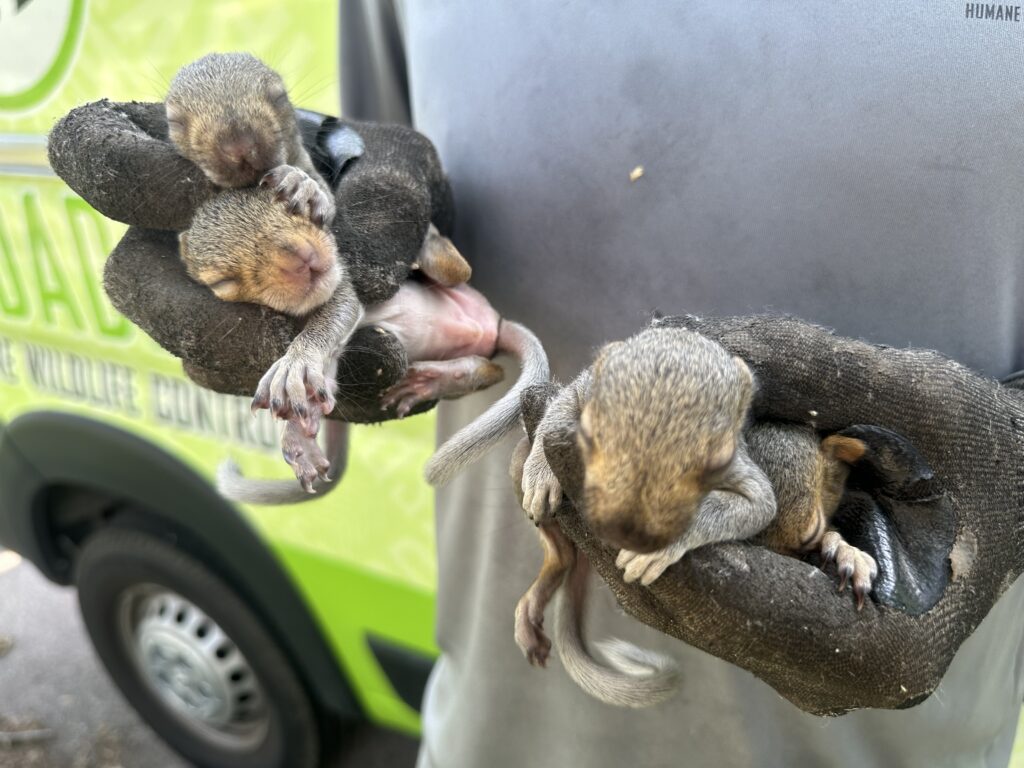
When removal is done without locating nesting sites, the young are often left behind inside attics or walls. This creates serious issues for both the home and the animals.
Common outcomes include:
- Persistent scratching or crying sounds inside walls
- Strong odors from decomposition
- Insect infestations developing in nesting areas
- Staining or contamination of ceilings and insulation
Wildlife rehabilitation data shows that orphaned young are among the most frequent wildlife rescue cases in urban areas. These situations almost always begin with improper removal that overlooked family groups.
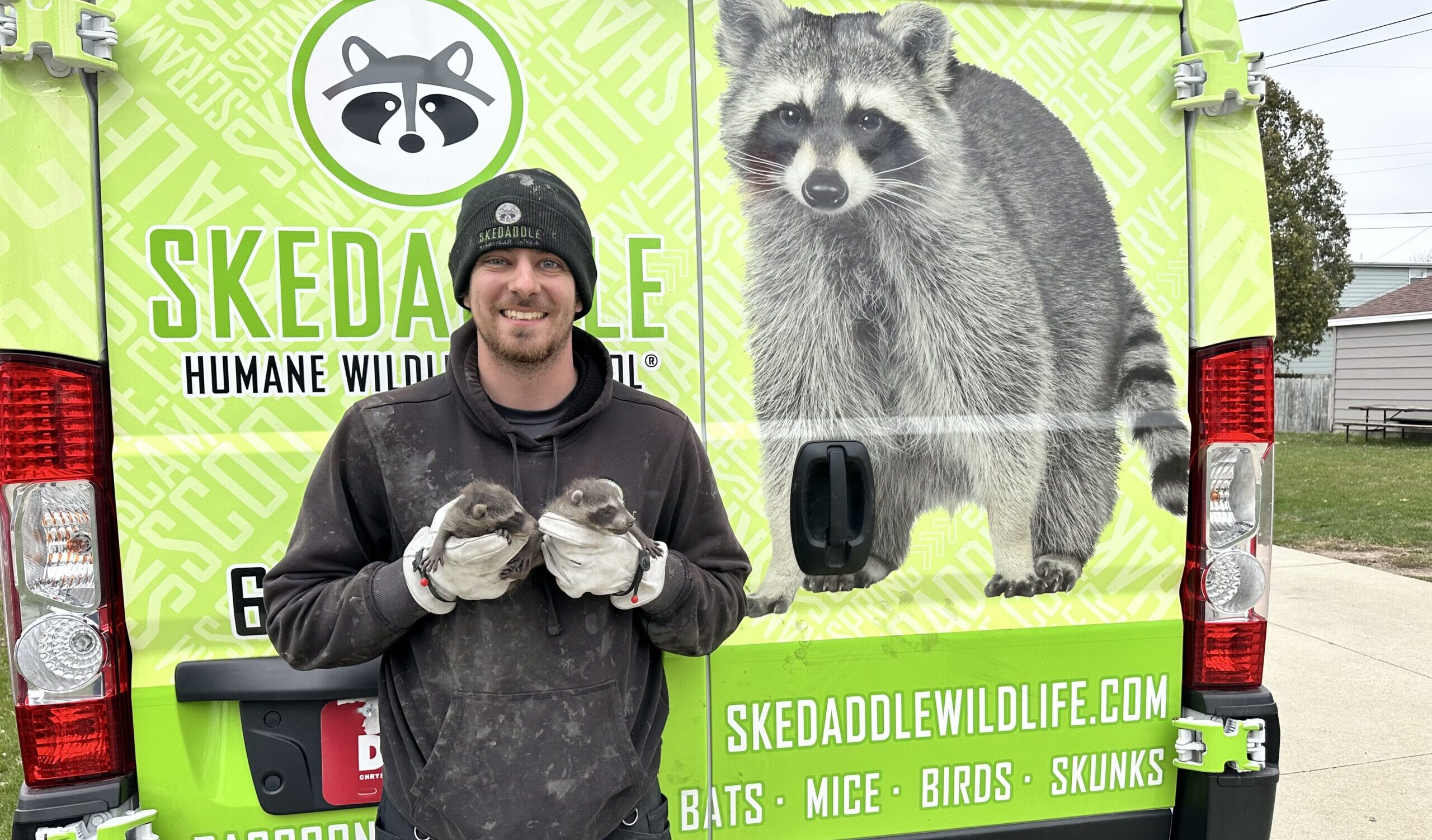
We take a different approach. We carefully locate young and ensure families are reunited outside so they can safely move to an alternate den together. This protects the animals and prevents the hidden problems that homeowners often face later.
Wildlife Quickly Finds a Way Back Inside
Animals that enter homes are not wandering randomly—they are using specific structural openings. Common entry points in St. Paul homes include roofline gaps, soffit intersections, attic vents, and aging construction seams.
If these vulnerabilities are not professionally secured, removal alone does not solve the problem. Another animal will often use the same access point within days or weeks.
Improper removal frequently leads to:
- Repeat infestations in the same location
- New animals occupying the space
- Escalating structural damage
- Ongoing noise and disturbance
According to housing studies, over 70% of repeat wildlife intrusions occur through previously used entry points that were never sealed. Wildlife follows scent trails and proven shelter sites, so unsecured openings remain attractive long after animals leave.
We prevent recurrence by identifying and sealing all access points during removal. This stops the cycle permanently instead of temporarily displacing the animals.
Hidden Property Damage Keeps Getting Worse
When animals live inside structures, damage often occurs in areas homeowners cannot see. Removal that focuses only on the animals—without addressing contamination and structural impact—leaves the home vulnerable.
Wildlife activity commonly affects:
- Insulation compressed or torn apart for nesting
- Wood and soffit materials weakened by chewing
- Electrical wiring damaged (a known fire hazard)
- Attic spaces contaminated with waste
The National Fire Protection Association reports that rodents alone cause thousands of house fires annually due to chewed wiring. While not all attic wildlife chews wiring, any structural interference with electrical systems increases risk.
Without proper assessment and restoration, these issues remain after animals are gone. Over time, odors intensify, insulation loses efficiency, and deterioration spreads.
We inspect affected areas and restore them so the home is protected long after removal is complete.
Health Risks Can Increase After Improper Removal
Wildlife presence in attics and wall cavities introduces biological contamination. Waste, nesting materials, and parasites accumulate in enclosed spaces. If removal disturbs these areas without proper care, contaminants can spread into living spaces.
Potential concerns include:
- Airborne particles entering ventilation systems
- Parasites migrating indoors after animals leave
- Bacteria lingering in insulation and surfaces
- Persistent odors that attract other wildlife
The Centers for Disease Control and Prevention notes that wildlife waste in enclosed areas can expose occupants to respiratory irritants and pathogens. Risks increase when nesting sites are disrupted without professional containment and cleanup.
We use protective procedures to manage contaminated areas safely and restore healthy conditions inside the home.
Stressed Wildlife Behaves Unpredictably
When animals are forced out of shelter abruptly or separated from young, stress responses increase. Wildlife under extreme stress may behave defensively or attempt repeated re-entry into structures.
This can lead to:
- Desperate attempts to return inside
- Increased structural damage around entry points
- Daytime activity that alarms homeowners
- Abandonment of dependent young
Wildlife biologists consistently emphasize that calm, controlled removal reduces risk for both animals and people. Stress-driven behavior is far more likely when animals are handled improperly or when family groups are disrupted.
We use humane exclusion methods that allow animals to exit safely without panic. This reduces defensive behavior and helps animals transition naturally to new shelter outdoors.
The Problem Often Returns, Sometimes Worse
Improper wildlife removal typically addresses only the visible animals, not the root cause of entry. Without full exclusion and repair, structures remain vulnerable to future intrusions.
Over time, homeowners may experience:
- Annual infestations during nesting seasons
- Larger groups occupying the same space
- Increased repair costs each year
- More extensive attic contamination
Many St. Paul homeowners contact us after multiple unsuccessful removal attempts elsewhere. By that point, damage and intrusion patterns are often more severe than the original issue.
We focus on permanent solutions by combining removal, entry-point sealing, and habitat prevention tailored to local species and architecture. This stops recurring infestations instead of allowing them to escalate.
Legal and Ethical Responsibilities Matter
Wildlife species in Minnesota are protected under state and federal regulations that govern how they must be handled. Homeowners often do not realize that improper removal practices can unintentionally violate these protections.
Beyond legal considerations, ethical treatment of wildlife is increasingly important to communities. Surveys show that over 80% of Americans support humane wildlife management practices in residential areas.
Professional wildlife control ensures:
- Compliance with wildlife protection laws
- Humane treatment of animals
- Responsible resolution of conflicts
- Protection of local ecosystems
We follow humane wildlife standards that protect both animals and homeowners while resolving conflicts effectively.
Why Humane Professional Removal Works
Effective wildlife removal is not a single step—it is a comprehensive process that addresses animals, structures, and long-term prevention. Humane exclusion is widely recognized as the most reliable and responsible solution for residential wildlife conflicts.
Key elements of proper removal include:
- Full inspection of the home exterior and interior
- Identification of species and nesting sites
- Safe family reunification outside
- Sealing of all entry points
- Cleanup and restoration of affected areas
This approach resolves the current intrusion and prevents future ones. Studies in urban wildlife management show that exclusion-based removal has significantly lower recurrence rates compared to removal alone.
We apply this proven process to protect homes and allow wildlife to continue living safely outdoors where they belong.
The Right Removal Protects Everyone
When wildlife is removed the wrong way, the consequences often extend far beyond the initial intrusion. Orphaned young, repeat infestations, hidden damage, and health risks are all common outcomes of improper removal.
Humane, professional wildlife removal solves the problem at its source. By addressing entry points, nesting sites, and contamination, we protect both the home and the animals involved.
At Skedaddle Humane Wildlife Control in St. Paul, we remove wildlife the right way—safely, humanely, and permanently. When removal is done correctly, homeowners gain peace of mind and wildlife can continue their lives outside, where they naturally belong.

 Loading...