You’re sitting quietly at home when you hear it – a faint chirping sound coming from inside the wall. Or maybe it’s a soft scratching above the ceiling, or a tiny crying sound you can’t quite place. If you’re hearing noises like these inside your home, there’s a good chance baby wildlife season has arrived at your address.
Those sounds almost always mean one thing – a mother has found a way into your home and used it as a nursery for her young. Raccoons, squirrels, birds, and bats all look for safe, sheltered spots to raise their young during the warmer months, and a quiet attic, wall cavity, or vent space checks every box they look for. The young are too small to move on their own, which means the mother keeps coming and going while the babies stay hidden inside your home. The longer this goes unaddressed, the more settled the family becomes.
You should never try to handle this on your own. If you seal an entry point while young are still inside, they can become trapped, which causes damage, creates a health risk, and results in unnecessary suffering. Our team at Skedaddle Humane Wildlife Control in Scarborough knows exactly how to handle these situations safely, keep the family together, and get everyone out without leaving anything behind. In this blog, we walk you through what those sounds mean, which species are most likely behind them, and what our team does to handle the situation safely and humanely.
What Kind of Animal Is Living in My Walls?
The most common animals found living inside walls and attics in Scarborough during baby season are raccoons, squirrels, birds, and bats. Each one has its own distinct sound, its own preferred hiding spot, and its own timeline for when the young are born and how long they stay.
Raccoons tend to use attics and wall cavities, producing sounds that range from heavy movement to soft chittering from the young. Squirrels are fast and active, producing scurrying sounds during the day. Birds nesting inside vents produce chirping and rustling sounds that can be surprisingly loud for such a small animal. Bats produce faint squeaking and fluttering sounds, usually concentrated in one area of the attic or wall.
The time of year and the type of sound you’re hearing together give a good clue about what’s inside. But the only way to know for certain, and to handle the situation properly, is to have our trained professional conduct a full inspection. Our team identifies the species, locates the young, and builds the removal plan around exactly what is happening inside your home.
The Squeakers: Bats
Bats are one of the harder species to detect because they are so small and their sounds are so faint. If you hear soft squeaking or a fluttery, leathery sound coming from inside a wall or attic space, bats are a strong possibility. They gather in colonies during the summer months, which means a single entry point can lead to a much larger group than most homeowners expect.
Summer is when bat colonies are most active and when young are present inside the roosting site. The young are born in late spring and spend the first several weeks unable to fly, which means they stay tucked inside your home while the adults come and go at dusk and dawn. The squeaking you hear is often the young calling for the adults when they return.
Bats are protected under Ontario provincial legislation, which means their removal must be done at the right time of year and in the right way. Our team is trained in humane bat exclusion and knows how to handle summer colonies with young present so the process is done legally and safely. Homeowners should never attempt to seal a bat entry point, doing so at the wrong time can trap the colony inside.
The Chirpers: Raccoons
If the sounds in your walls or attic sound more like soft crying or chattering, almost like a baby bird but louder and more persistent, there’s a good chance it’s baby raccoons. These young are vocal and will call out regularly when the mother leaves to forage, which is often how homeowners first notice them. The sounds can be surprisingly emotional for people who don’t expect to hear what sounds like a crying child coming from their attic.
A mother raccoon chooses an attic or wall cavity because it is warm, protected, and away from predators. She is a dedicated mother and will keep returning to the den as long as her young are inside. Trying to block the entry point while she is out will result in her tearing a new one — she is strong enough to rip back soffits and roof vents when she is trying to get back to her young.
Here is what makes raccoon nursery situations unique:
- The Young are Born Helpless and Cannot Be Moved Right Away: Baby raccoons are born with their eyes closed and are completely dependent on their mother for the first several weeks of life. They cannot regulate their own temperature, cannot move on their own, and cannot survive without her. Any removal plan that doesn’t account for where the young are and how developed they are risks leaving them in a situation they cannot survive.
- The Mother is Protective and Will Cause Damage If Blocked Out: A mother raccoon that is separated from her young will try hard to get back to them. She will scratch, pull, and chew at the structure until she finds a way back in or creates a new opening. Blocking her out without a proper exclusion plan in place does not solve the problem — it usually makes the damage worse and still doesn’t get the young out safely.
- The Timeline Matters for When Exclusion Can Happen: Our team assesses how old the young are during the inspection because that determines when it is safe to move forward with exclusion. Rushing the process when young are too small leads to problems. Waiting until the right point and handling the removal in the right order is what makes the difference between a job done right and one that has to be redone.
The Scramblers: Squirrels
Fast, light scurrying sounds during the day, especially in the early morning and late afternoon, almost always point to squirrels. These animals are active during daylight hours, which is one of the easiest ways to tell them apart from raccoons, which are mostly active at night. If the sounds in your attic or walls pick up right after sunrise and again in the late afternoon, squirrels are the most likely cause.
Squirrels can have two litters per year — one in early spring and a second in late summer. This is why baby season for squirrels can feel like it runs almost the entire warmer half of the year. A late-summer litter means young are present in attics well into August and September, which surprises a lot of homeowners who assumed the season was winding down.
The damage squirrels cause while nesting is significant. They chew through wiring, tear apart insulation, and store food in attic spaces. The longer a family stays, the more extensive the damage becomes, and the more thoroughly the contaminated insulation and nesting material needs to be cleared out after they leave.
The Flutterers: Birds
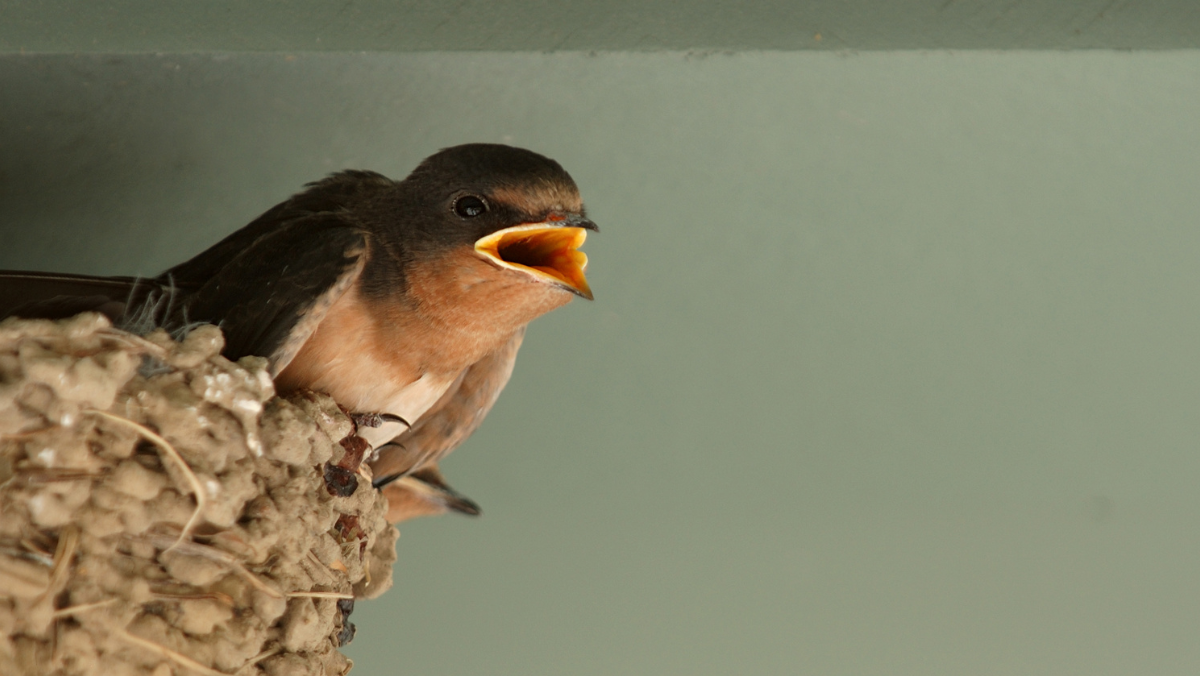
Birds nesting inside bathroom vents, dryer vents, and roof openings produce some of the most noticeable sounds of any species that gets into a home. The chirping of young birds inside a vent can be surprisingly loud, especially when the adults are coming and going with food. If the sound is coming from near an exterior vent opening and picks up at feeding times, birds are almost certainly the cause.
Starlings and sparrows are the most common species found nesting inside vents in Scarborough. They build nests quickly and fill the vent cavity with dry nesting material that becomes a fire hazard when it sits next to the heat source of a dryer or bathroom exhaust fan. The young typically stay in the nest for a few weeks before they are able to leave on their own.
Here is what makes bird nursery situations in vents particularly important to handle carefully:
- Nesting Material in Vents is a Fire Hazard: Dry twigs, grass, and feathers packed into a dryer vent or exhaust fan create a real fire risk every time the appliance runs. This is one of the most urgent reasons to have bird activity in a vent assessed by a professional as soon as possible. The cleanup of the vent and the installation of a proper cover after the birds have left is something our team handles completely.
- Many Bird Species are Protected Under Federal Law: Canada’s Migratory Birds Convention Act protects a wide range of bird species and their active nests, which means removing an active nest without proper authorization is against the law. Our team knows which species are protected, what the rules are around active nests, and how to handle the situation legally and humanely while the young are still present.
- The Young Need Time to Develop Before the Vent Can be Properly Sealed: Rushing to seal a vent while young birds are still inside is not the right approach. Our team assesses the stage of development during the inspection and works around the timeline to make sure the young have left before the vent is sealed and protected against future entry.
How the Pros Handle the Nursery
When our team arrives at a home with young wildlife present, the process is careful and deliberate. Rushing any part of a baby season removal creates more problems than it solves. The goal is always to get the family reunited and outside safely and to seal the home properly once they have gone.
Our team does not seal entry points while young are still inside. That step comes last, after the family has been safely reunited and has left on their own. Everything that happens before that point is focused on making sure the young get out safely and the mother can find them.
Here is how our team handles a wildlife nursery step by step:
- Thorough Inspection to Find the Young: Before any work begins, our team does a full inspection of the affected area to find exactly where the young are located. They can be tucked deep into insulation, hidden in a wall cavity, or nested in a tight space that is hard to reach. Knowing exactly where they are before anything else is done is the most important first step in the whole process.
- Hand Removal When Needed: When young are too small or too immobile to leave on their own, our trained technicians carefully remove them by hand and place them in a safe, warm location just outside the home. This is skilled work that requires the right protective gear and proper handling to keep both the young and our team safe. Homeowners should never attempt to handle young wildlife — the health risks and the risk of injury from a nearby protective mother make this a job for our trained professionals only.
- The Reunion Box: The young are placed in a specially designed reunion box positioned near the entry point on the outside of the home. The mother, who will be waiting close by, can find them, retrieve them, and move them to a new outdoor den on her own. This humane step keeps the family together without any trapping or relocation, and it is one of the most important parts of doing this kind of work the right way.
- Permanent Prevention After the Family has Left: Once the mother has moved her young and the structure is confirmed clear, our team seals every entry point with tough, long-lasting materials that hold up against future attempts to get back in. This is the step that makes the removal permanent rather than temporary. Without proper sealing, the same entry points will be found and used again the next time a mother is looking for a nesting spot.
Wildlife Challenges in Scarborough
Scarborough’s mix of mature residential neighbourhoods, ravines, and green spaces creates ideal conditions for wildlife to nest close to homes throughout the warmer months. The Highland Creek and Rouge River corridors, along with the many parks and wooded areas across the east end, give raccoons, squirrels, birds, and bats natural travel routes that connect directly to residential streets.
Many Scarborough homes were built decades ago and have aging soffits, old roof vents, and worn building materials that create entry points wildlife can find and push through. Late-season litters are especially common in this area, with squirrel and raccoon families being found in attics and wall cavities well into the late summer and early fall months.
Our team at Skedaddle Humane Wildlife Control responds to baby season calls across Scarborough throughout the summer. We know the local neighbourhoods, the most common species, and the housing styles that are most vulnerable to nesting activity. That local knowledge helps us work efficiently and thoroughly so nothing gets missed.
Frequently Asked Questions
Is it safe to stay in my home if there are baby animals in the walls?
In most cases yes, but you should avoid going near the area where the activity is and never attempt to handle any nesting material or young wildlife yourself. Some droppings carry health risks, and a protective mother nearby can behave unpredictably if she feels threatened. Call our team for a professional assessment as soon as you notice the sounds.
How long does baby wildlife season last in Scarborough?
It varies by species, but in general the active baby season runs from late spring through early fall. Raccoons typically have their young in spring, while squirrels can have a second litter in late summer. Birds and bats have their own timelines depending on the species. This means the season is longer than most homeowners expect.
Can I seal the entry point myself once I think the animals have left?
We strongly advise against this. It is very easy to seal an entry point while young are still inside, which can result in the animals being trapped and causing significant damage trying to get out. Our professional inspection is the only reliable way to confirm the structure is clear before any sealing is done.
Will the mother abandon her young if we disturb the nest?
Not usually, mothers are very committed to their young and will work hard to get back to them even if the nest has been disturbed. This is why the reunion box process works so well. The mother follows the scent of her young and retrieves them from the box, keeping the family together without any trapping or forced relocation.
How do I know when it is safe to have the entry points sealed?
The timing depends on the species and how old the young are when they are first found. Our team assesses this during the inspection and advises on the right window for sealing based on what is actually present. We handle the full process from inspection to sealing so you don't have to make that call on your own.
Those Sounds in the Wall Are Telling You Something
Chirping, scratching, and crying from inside your walls or attic are not things to wait out or ignore. They mean a family has moved in, and the longer they stay, the more damage accumulates and the more complicated the removal becomes. Baby season in Scarborough runs longer than most people expect, and late-season litters keep our team busy well into the fall.
You should never try to handle this yourself. Sealing entry points, disturbing nesting areas, or attempting to handle young wildlife without professional training and equipment puts both you and the animals at risk. Our team knows exactly how to assess the situation, handle the young safely, reunite the family outside, and seal the home permanently once they have gone.
At Skedaddle Humane Wildlife Control in Scarborough, we’re ready to help. Our team handles the whole process from start to finish so you don’t have to go near any of it. Request an estimate today and let our team take care of those sounds before the problem gets any bigger.

 Loading...







