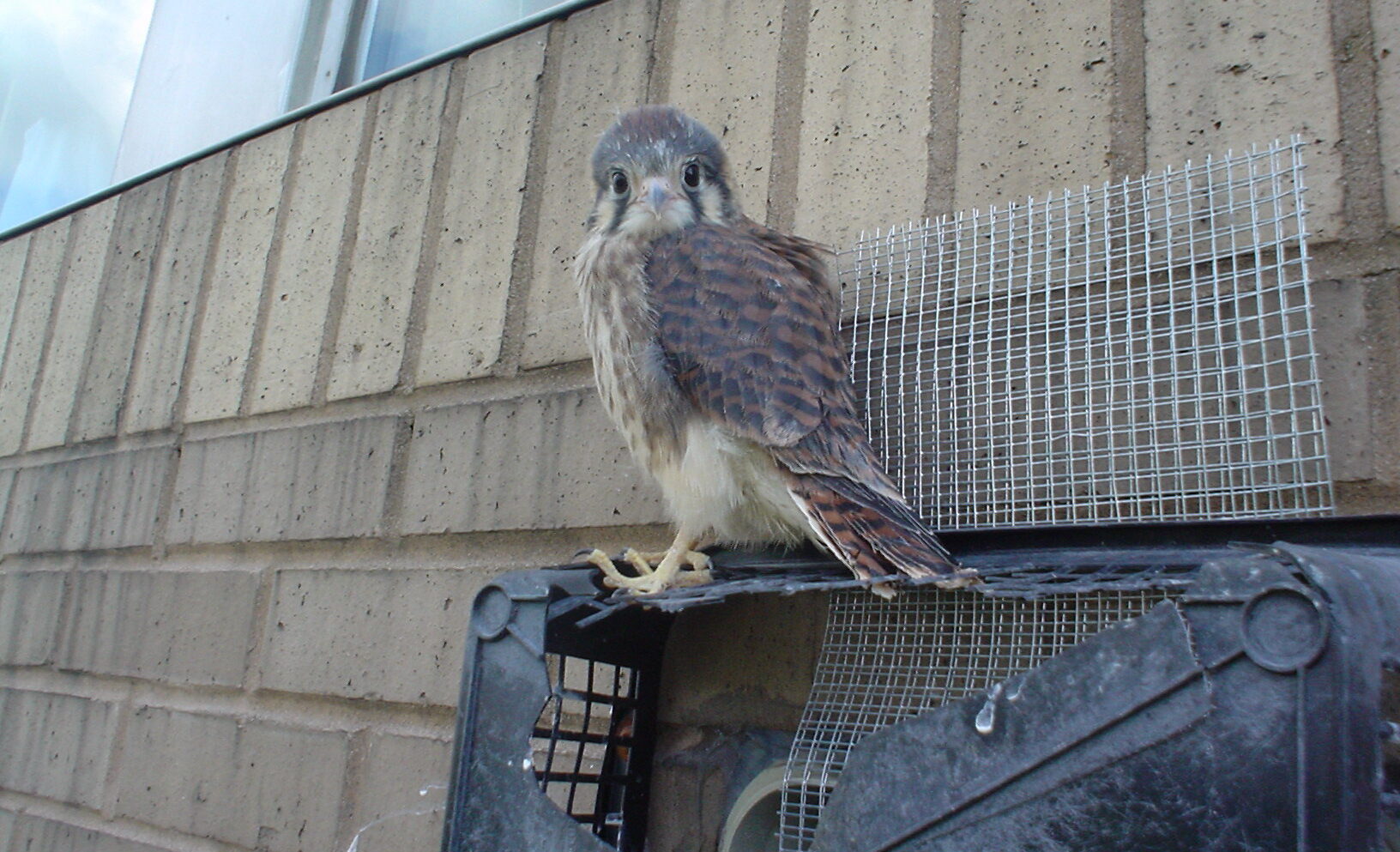
You turn on your bathroom fan and hear something that doesn’t sound right. Chirping, scratching, or a muffled rustling coming from inside the vent. It’s one of the most common calls we get in the Okanagan every summer, and most homeowners have no idea it’s happening until the sounds make it impossible to ignore. Birds nesting inside bathroom vents is a real problem, and it causes more damage than most people expect.
Your bathroom vent looks like a hollow tree cavity to a starling or sparrow. It’s warm, sheltered, hidden from predators, and just the right size to build a nest inside. The Okanagan’s hot, dry summers send these creatures looking for shaded, secure spots to raise their young, and your vent pipe is exactly what they’re looking for. Once a nest is built inside, the problems start quickly: blocked airflow, moisture damage, health risks, and the smell of nesting material sitting in a warm enclosed space.
At Skedaddle Humane Wildlife Control in Okanagan, we handle this situation all summer long across the valley. In this blog, we explain why bathroom vents are such a common nesting target, what the risks are for your home and your family, and how our team removes the nest, cleans the vent, and seals it properly so it can’t happen again.
Can You Remove a Bird From a Bathroom Vent Yourself?
No, and there are important reasons why you shouldn’t try. Many of the birds that nest in vents across the Okanagan are protected under the federal Migratory Birds Convention Act, which makes it illegal to disturb or destroy an active nest. If eggs or young are present, the nest has to be handled by our trained professionals who knows how to manage the situation legally and safely.
Even setting aside the legal issue, removing a nest from a bathroom vent is harder than it sounds. Vent pipes are narrow, dark, and often longer than homeowners expect. Nesting material gets packed in tightly over several weeks and can’t just be pulled out from the outside. Trying to do it yourself risks pushing the material deeper into the pipe, damaging the fan mechanism, or missing contaminated material that stays behind and causes ongoing health and odour problems.
Our team handles the full process. Safe removal of the nest and any young present, complete cleaning and sanitising of the vent pipe, and installation of a proper cover that prevents re-entry. If you hear sounds coming from your vent or notice birds hovering near it regularly, call us right away and leave the vent alone until we arrive.
Why Bathroom Vents Are Such a Common Target
Bathroom vents are one of the most common nesting spots our team finds during summer inspections across the Okanagan. The plastic louvred covers on most bathroom exhaust vents are easy to push open from the outside, and the warm, dark pipe behind them is exactly what starlings, sparrows, and other cavity-nesting birds look for when they’re ready to build a nest. It’s a small opening that most homeowners never think about – until something is already living inside it.
The Okanagan’s summer heat plays a big role in why this happens. When temperatures climb through July and August, these creatures look for spots that are shaded, sheltered, and protected from the wind. A bathroom vent pipe sits inside your wall, which keeps it much cooler and more stable than any outdoor nest. That combination of shade, warmth, and safety makes it one of the most appealing spots available in any residential neighbourhood.
The warm air that comes out of the vent when your fan runs also works as a signal. It tells them that the pipe leads somewhere warm and enclosed – just like the hollow tree cavities they nest in naturally. This is why vent nesting happens even on homes that are well-kept and show no obvious damage. The vent itself is the invitation, and the only way to stop it is to make sure the opening is properly covered before nesting season begins.
The Risks of a Nest Inside Your Vent
A nest inside your bathroom vent isn’t just a noise problem. It creates real risks for your home and your family that get worse the longer it goes without being fixed. Here’s what our team commonly finds when a vent has been used as a nesting site:
- Blocked Airflow and Fan Damage: Nesting material – grass, twigs, feathers, and debris – packs into the vent pipe and blocks the airflow the bathroom fan needs to work. A blocked vent makes the fan motor work much harder than it should, which wears it out faster and can cause it to stop working altogether. Moisture that can’t escape through the blocked vent also builds up in the bathroom and can lead to mould growth over time.
- Health Risks From Droppings and Nesting Material: Droppings left inside the vent pipe carry bacteria and fungal spores that get pushed into your bathroom every time the fan runs. Nesting material that sits in a warm, enclosed space also breaks down and releases particles into the air that aren’t safe to breathe. Our team handles all cleaning and sanitising of the vent pipe. Homeowners should never reach into or try to clean a vent that has had an active nest inside it.
- Bird Mites and Odour Problems: When nesting material starts to decay or a bird gets trapped and dies inside the vent, the smell can spread through the bathroom and into nearby rooms fast. Nests also carry bird mites that can move from the vent into your living space once the birds have gone. These problems don’t go away on their own – the vent needs to be fully cleaned out and properly sealed before they stop.
Where Else Birds Nest on Your Home
Bathroom vents get the most attention, but they’re far from the only spot on your home that birds will use for nesting in summer. The Okanagan’s warm season pushes these creatures to look for any opening that’s sheltered, enclosed, and safe from predators, and most homes have more of those than people realize. Our team checks every possible nesting spot on the outside of your home during an inspection, not just the ones showing obvious signs. Here’s where we find nests most often across Okanagan properties:
- Dryer Vents: Dryer vents are one of the highest-risk nesting spots on any home because dry nesting material sitting next to heat from the dryer is a real fire hazard. The vent pipe is warm, enclosed, and easy to get into through the standard louvred cover, which makes it just as attractive as a bathroom vent. If your dryer is taking longer than usual to dry clothes or feels hotter than normal, a nest blocking the vent pipe may be why — call our team right away and don’t run the dryer until we’ve had a look.
- Soffits and Soffit Gaps: Soffits that have cracked, warped, or pulled away from the roofline leave gaps that birds can push through to reach the space behind them. Once inside, they build a full nest in the soffit cavity where it can’t be seen from the ground and won’t be noticed until the sounds or smell give it away. Our team checks every soffit panel during the inspection and seals any gap or weak spot that could be used as a way in.
- Gutters and Gutter Edges: Gutters that have filled up with leaves, twigs, and debris give birds a ready-made base for a nest right along your roofline. Sparrows and starlings are especially likely to use gutters in the Okanagan, and a nest that builds up through the summer can cause water to back up and create moisture damage along the roof edge. Our team checks the condition of your gutters during every inspection and flags any areas where nesting has been going on.
- Chimneys and Chimney Caps: An uncapped chimney is one of the most open invitations on any home. The dark, enclosed shaft looks and feels just like a hollow tree to a cavity-nesting bird, and without a proper cap there’s nothing stopping them from building a nest at the top or dropping nesting material down into the flue. Our team installs proper chimney caps as part of the exclusion process and checks any existing cap for damage or gaps that could let them in.
- Roof Openings and Roofline Gaps: Where roof vents, plumbing stacks, and flashing seals have worn or shifted over time, small gaps open up along the roofline that birds find and use quickly. These spots are often not visible from the ground and can go unnoticed for a full nesting season before the damage or smell makes a homeowner aware of them. Our team goes up to roof level during every inspection to check these areas properly rather than guessing from the ground.
What Happens When Nesting Goes Unaddressed
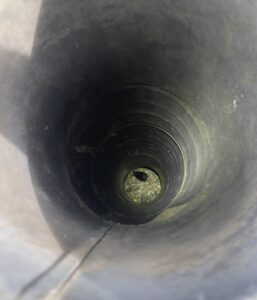 Most homeowners assume that once the birds leave at the end of summer, the problem is over. It’s not. The nesting material stays inside the vent pipe, the damage to the vent cover remains, and the same spot will be used the following spring again when nesting season starts up again. Each year the nest gets added to, the blockage gets worse, and the risk to your fan and your air quality increases.
The legal protection that covers many of these species also means timing matters. Once an active nest with eggs or young is in place, it can’t be removed until the young have left on their own. This is why calling our team as early as possible — ideally before nesting is established — makes the situation much simpler to resolve. Our team can assess what’s happening and advise on the right next step based on where the nest is in the nesting cycle.
Waiting too long also increases the health and odour risks inside the home. Droppings and decaying nesting material sitting in a warm vent pipe through an Okanagan summer produce strong smells and airborne particles that get pushed into the bathroom every time the fan runs. The sooner the vent is cleared and sealed, the less exposure your family has to those risks.
What are Humane Bird Nest Removal and Prevention?
When our team arrives at your Okanagan home, we start with a full assessment of every vent, soffit, gutter edge, and roofline opening on the property. We check for active nests, nesting material, signs of past use, and any spot that’s likely to be targeted next season. We look at the full picture. Not just the vent you called about, but everything else on the exterior that could be a nesting risk. Here’s how we handle the full process:
- Humane Nest Removal: If an active nest is present, our team assesses whether eggs or young are inside and handles the removal in compliance with all applicable federal and provincial regulations. Young that are not yet ready to leave on their own are handled carefully, and the situation is managed in a way that keeps the process legal and humane. You should never attempt to remove a nest yourself – call our team and let us assess what’s inside before anything is disturbed.
- Full Vent Cleaning and Sanitizing: Once the nest has been removed, the full length of the vent pipe needs to be cleared of all nesting material, droppings, and debris. Our team handles this completely – homeowners should never reach into or clean a vent that has had an active nest without the right protective equipment. The pipe is sanitized to address any bacteria, fungal spores, or mites left behind before any cover is installed.
- Heavy-Gauge Steel Screening and Vent Covers: Once the vent is clean, we install a proper cover that allows the vent to function while preventing re-entry. Standard plastic louvred covers are not enough; they can be pushed open or chewed through easily. Our team uses heavy-gauge steel mesh or custom-fabricated covers that hold up against persistent pecking and pressure from the outside. Every other vulnerable spot identified during the inspection is sealed at the same time.
- Full Exterior Exclusion of Other Nesting Spots: Addressing the bathroom vent alone isn’t enough if other spots on the home are also at risk. Our team seals soffit gaps, installs chimney caps, and addresses every roofline opening identified during the inspection. This is the only way to make sure the problem doesn’t simply move from one spot to another the following season.
Summer Bird Nesting Challenges in the Okanagan
The Okanagan Valley’s warm, dry summers create ideal conditions for cavity-nesting birds from May through August. Species like European starlings, house sparrows, and swallows are all common across Kelowna, Penticton, Vernon, and the surrounding communities, and all of them actively seek out vent openings, soffit gaps, and roofline cavities for nesting during the summer months.
The Okanagan’s building stock adds to the challenge. Homes in the valley’s older neighbourhoods often have original vent covers that have cracked or warped over years of sun exposure and temperature swings. The intense summer heat in the Okanagan accelerates this wear faster than in cooler climates, which means vent covers that looked fine last year may already be weak enough to push open this season.
Provincial and federal regulations also apply to many of the species that nest in Okanagan homes. The Migratory Birds Convention Act protects most of the cavity-nesting birds our team encounters, which means active nests can’t simply be removed without proper assessment and handling. Our team understands these regulations and manages every situation in full compliance with them, which is another reason calling a professional is always the right move.
Frequently Asked Questions
How do I know if there's a nest in my bathroom vent and not just a blockage?
The most common signs are chirping or scratching sounds coming from inside the vent, birds hovering or landing near the vent cover regularly, nesting material visible around or below the vent opening, and a reduced airflow from the fan. If you notice any of these signs, call our team before running the fan, as this can push debris deeper into the pipe.
Is it legal to remove a bird nest from a vent in BC?
It depends on the species and whether the nest is active. Many cavity-nesting birds are protected under the federal Migratory Birds Convention Act, which makes it illegal to disturb or destroy an active nest with eggs or young present. Our team assesses every situation carefully and handles all removal in compliance with applicable regulations.
Can a bird nest in a vent cause a fire?
Yes, particularly in dryer vents. Dry nesting material combined with lint and heat from the dryer is a genuine fire hazard. If your dryer is taking longer to dry clothes or feels hotter than usual, a blocked vent should be checked immediately. Our team flags this during every inspection and addresses it as a priority.
Will the birds come back to the same vent next year?
Yes. Cavity-nesting birds return to successful nesting sites year after year, and they pass that knowledge on to their offspring. If the vent isn't properly sealed after the nest is removed, the same spot will be used again the following spring. Our team seals every entry point with materials that prevent re-entry permanently.
How long does a bird nesting situation in a vent take to resolve?
It depends on where the nest is in the nesting cycle. If eggs or young are present, we have to wait until they're ready to leave before the nest can be fully removed. Once the vent is clear, the cleaning and sealing can usually be completed in a single visit. Our team will give you a clear timeline when we assess the situation.
That Sound in Your Vent Isn’t Going Away on Its Own
A nest inside your bathroom vent doesn’t clear itself out at the end of summer. The material stays, the damage to the cover remains, and the same spot gets used again next year with a bigger nest and more problems each time. The longer it goes without being addressed, the more risk there is to your fan, your air quality, and your home.
Most Okanagan homeowners don’t realize the problem is there until the smell or the sound makes it impossible to ignore. By then, the nest has often been in place for weeks. You don’t have to wait for it to get that bad before calling us. If you’re hearing anything coming from your vent or noticing birds near it regularly, that’s the right time to pick up the phone.
At Skedaddle Humane Wildlife Control in the Okanagan, we handle the full process from start to finish. Our team removes the nest, cleans and sanitizes the vent pipe, and installs proper covers and exclusion materials so it can’t happen again. You don’t need to do a thing except call us. Request an estimate today and let our team take care of it before next season starts.

 Loading...







