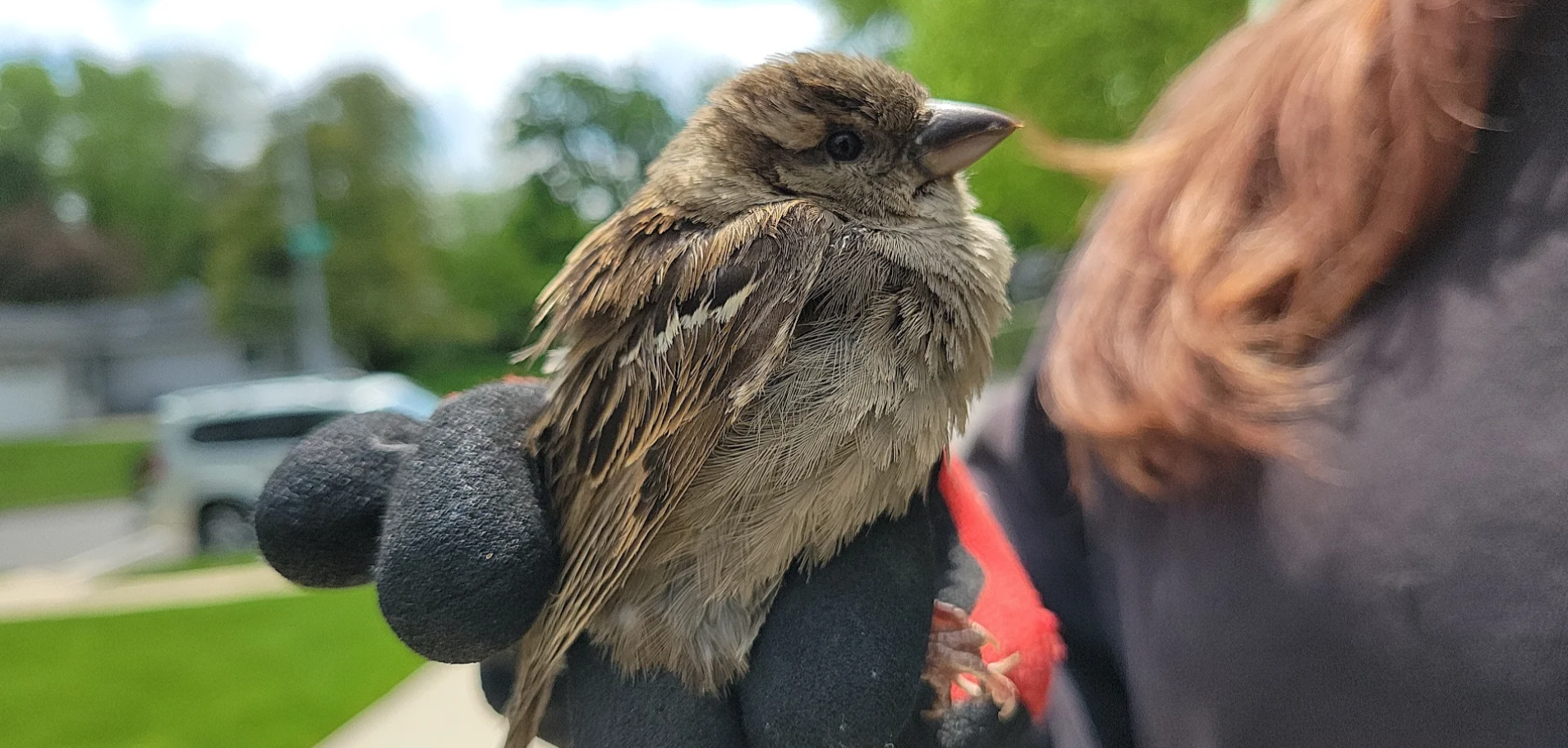
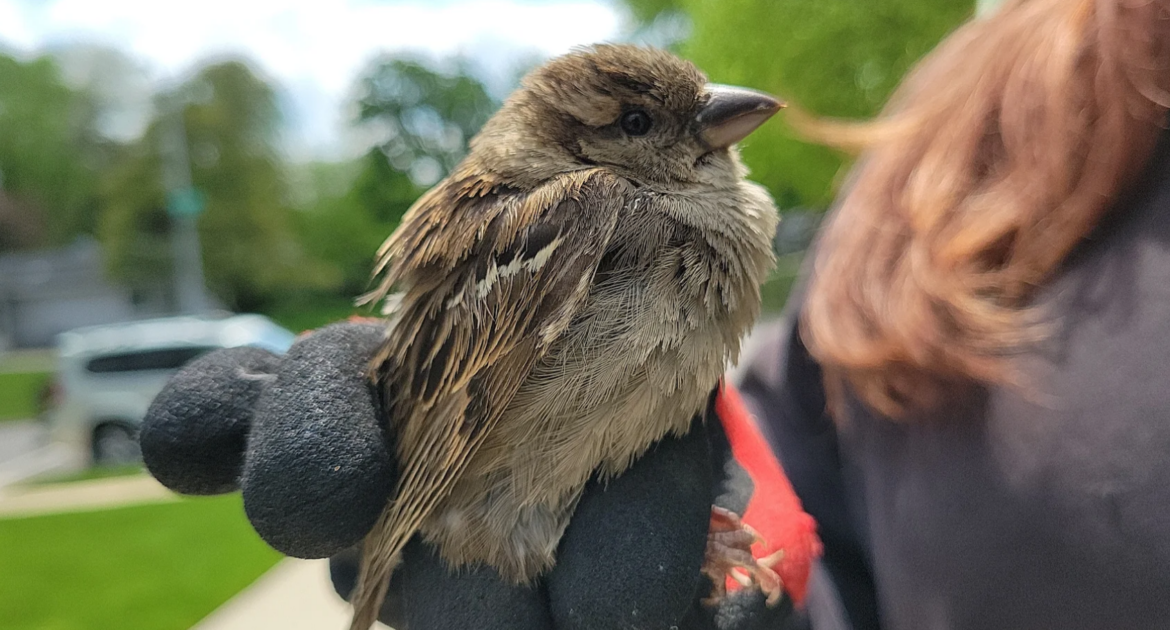
Spring is finally here. The sun is shining, the snow is melting, and nature is waking up. It is a time for cleaning and getting your yard ready for warm weather.
But, this season also brings some unwanted guests looking for a place to stay. As birds return from migration or wake up from winter, they need a safe spot to raise their families. Unfortunately, your house looks like the perfect home to them.
You might hear scratching sounds in the walls or see nesting materials sticking out of a vent. These are signs that birds have already moved in. Keeping them out requires a professional plan.
Bird proofing your home involves checking the roof, securing vents, and sealing small gaps where they can squeeze through. It is not just about closing a door; it is about knowing where they hide and how they get in.
At Skedaddle Humane Wildlife Control in Scarborough, we understand how to protect your property from the birds. We handle the hard work so you can enjoy the season without worry.
In this blog, we will explore the steps we take for properly bird-proofing your home.
Securing Vents and Chimneys
Vents and chimneys are some of the most common nesting spots for wildlife. They provide warmth, shelter, and protection, which makes them very attractive to birds. Nests in these areas can block airflow and create fire risks. Here’s how we secure vents and chimneys to keep wildlife out safely:
- Remove Flammable Nesting Material: Dryer vents and exhaust pipes are carefully cleared of nests, lint, and debris. This helps prevent overheating and lowers the risk of fire. Clearing these blockages also allows appliances to work properly again.
- Install Custom Steel Screens: Weak plastic covers are replaced with strong steel screens. These screens allow air to flow out while blocking birds from getting in. Steel holds up against chewing, pecking, and pulling.
- Secure Chimney Openings: Chimneys without caps are open doors for birds and birds. Properly fitted chimney caps are installed to keep wildlife out. These caps still allow smoke and gases to escape safely.
- Check for Airflow: All vents and chimneys are checked after installation. This ensures air moves freely and systems remain safe. Proper airflow keeps your home protected without affecting performance.
Sealing Rooflines and Eaves
Rooflines and eaves often hide small gaps that are easy to miss from the ground. Soft or damaged wood can give birds a way into the attic. Once inside, wildlife can cause serious damage.
To stop birds from getting in, our team focuses on these key areas:
- Inspect High Entry Points: Rooflines, soffits, and fascia boards are checked closely. Many entry points are hidden and only visible up close. Finding them early prevents future problems.
- Reinforce Weak Spots: Areas with rot or soft wood are strengthened using metal flashing. This makes the structure harder to break through. Reinforcement also helps protect against future weather damage.
- Seal Small Cracks: Tiny gaps are sealed with durable materials made to last. Even small openings can let birds inside. Closing these cracks helps fully secure the attic.
- Check for Water Damage: Moisture damage is identified during the inspection. Wet or rotting areas attract wildlife and weaken the structure. Fixing these issues reduces future risk.
Using One-Way Doors
When birds are already inside, trapping is not the right solution. Traps do not fix how birds got in and often create panic or injury. One-way doors allow birds to leave on their own, using their natural habits. This approach removes the problem safely while protecting your home long term.
Here’s how this humane process works:
- Install Humane Exits: One-way doors are installed directly over the main entry points birds are using. When they leave to find food, it can pass through the door easily. The design allows normal movement without stress or force. This removes them without separating families or causing harm.
- Prevent Re-Entry: Once the birds exits, the door closes securely behind it. The door cannot be opened from the outside, even by strong or determined birds. This stops repeat entry attempts and protects the attic or vent immediately. The animal is gently forced to find shelter elsewhere.
- Monitor the Process: The area is monitored to confirm that all birds have left the space. This step is critical when babies may be present. Sealing too early can trap the birds inside and cause damage or distress. Monitoring ensures removal is complete and humane.
- Seal the Hole Permanently: After the space is confirmed empty, the one-way door is removed. The opening is sealed using steel mesh or solid materials that birds cannot chew through. This restores the structure and blocks future access. The repair is made to last, not just cover the problem.
Cleaning and Sanitizing
Wildlife leaves more behind than noise and damage. Droppings, feathers, and nesting materials can affect air quality and pose health risks. These materials must be handled carefully to avoid spreading bacteria or contaminants. Proper cleanup is a key part of fully solving the problem.
- Remove Dangerous Waste: All droppings, nesting debris, and contaminated materials are carefully removed. These materials can carry bacteria and parasites if left behind. Clearing them helps restore a safe environment. Nothing is ignored or left to break down over time.
- Protect Your Health: Professional safety gear is worn during cleanup to limit exposure. HEPA-filtered vacuums are used to capture fine dust and particles. This prevents harmful material from spreading into living areas. The goal is to keep your indoor air clean and safe.
- Replace Damaged Insulation: Insulation that has been flattened or soiled is removed when needed. Contaminated insulation no longer works properly and can hold odours. Removing it helps improve comfort and energy efficiency. The space is left ready for clean replacement material.
- Eliminate Odours: Sanitizing products are applied to kill germs and neutralize smells. Wildlife scents can attract new birds if they remain. Removing these odours helps break that cycle. A clean space is less likely to become a target again.
Spring Bird Control With Our Team
Dealing with birds can be tricky. Every home is different, and every animal behaves differently. That is why relying on a professional team is the best choice. At Skedaddle Humane Wildlife Control in Scarborough, we have years of experience. We know the local wildlife and the types of houses in our neighbourhoods.
We start with a complete home inspection. We look at your property from the ground to the peak of the roof. We identify the species involved and create a custom plan for your home. We do not use quick fixes. Our goal is a permanent solution.
Our methods are safe for the animals and safe for your home. We explain every step of the process so you know exactly what we are doing. From the first inspection to the final repair, we handle everything. You do not need to climb a ladder or touch a dirty vent. We take the stress out of the situation.
Choosing us means choosing quality work. We stand behind our services with a lifetime guarantee on our workmanship. We want you to feel comfortable in your home again. With our help, you can enjoy the spring season knowing your house is secure against unwanted visitors.
Has Your Home Got Birds? Secure It This Spring
Spring should be a time for enjoying the outdoors, not worrying about what is living in your attic. Wildlife belongs in nature, not in your ventilation system. By taking action now, you can avoid damage and health risks. Effective spring bird control requires the right tools and knowledge.
Skedaddle Humane Wildlife Control in Scarborough is here to help you prevent birds from entering the house. We offer humane, professional, and permanent solutions. Do not wait until you hear noises in the ceiling. Protect your investment and your family’s health today.
If you suspect you have uninvited guests or want to start bird-proofing your home, let us handle the hard work.
Request an estimate to learn more about how we can protect your home today.

 Loading...