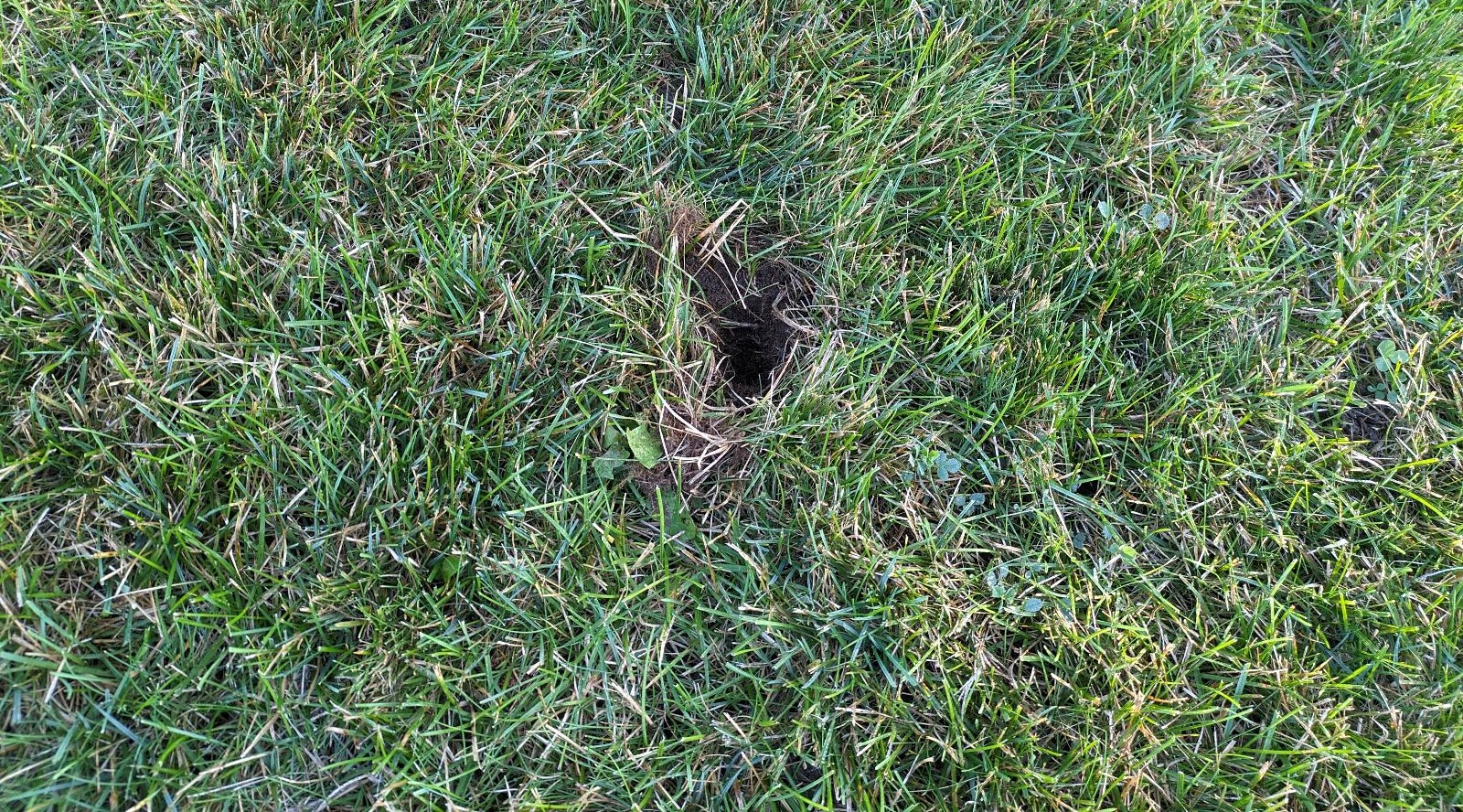
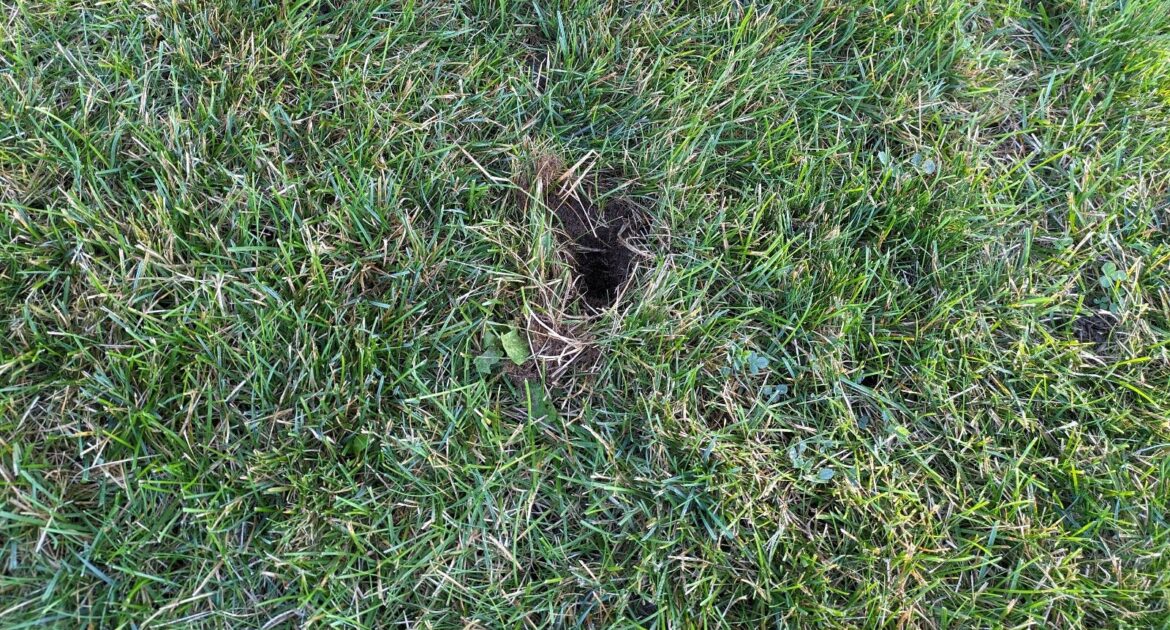
You may step outside and suddenly notice movement near your fence, deck, or garden. At first, it might not feel urgent. But when you realize there is a skunk in the yard, the situation can quickly feel stressful. These animals are calm by nature, but sudden encounters can lead to strong reactions if handled the wrong way.
You don’t need to guess what to do next. When you encounter a skunk in your yard, the safest choice is to let trained professionals manage the situation from start to finish. At Skedaddle Humane Wildlife Control in Scarborough, we handle these situations every day using calm, humane methods designed to protect your property and reduce risk.
In this blog, you’ll learn exactly what professionals do when a skunk is present on your property. Each step explains how trained teams approach assessment, removal, and prevention so the issue is resolved safely and predictably. If you’re searching for skunk control near me, this will help you understand what proper professional care looks like.
Step 1: Professional Assessment of Yard Activity
You may only notice brief movement, but professionals take a closer look. A full yard assessment helps explain what’s happening and why the skunk is there in the first place. This step sets the direction for everything that follows.
During a professional assessment, our team looks for:
- Soil Disturbance and Digging Patterns: Loose soil, small holes, or uneven ground can show how long activity has been present. These signs help explain whether the skunk is passing through or staying nearby.
- Shelter Areas and Ground-Level Cover: Spaces under decks, near sheds, or along fences are checked for quiet, protected resting spots. These areas often provide wind and weather protection.
- Travel Paths Across the Yard: Repeated movement leaves clues. Identifying common paths shows how the skunk enters, exits, and moves through the space.
- Timing of Activity: Understanding when movement happens helps avoid acting too early or too late. Proper timing keeps the process calm and humane.
This careful assessment prevents guesswork and reduces the risk of repeat activity later.
Step 2: Identifying Den Locations and Shelter Use
You may not see a den, but professionals know where skunks prefer to settle. Finding shelter locations is key to resolving a skunk in the yard safely and completely.
Our professionals focus on:
- Ground-Level Shelter Spots: Yard edges, deck gaps, shed foundations, and soil depressions are common resting areas. These spaces stay dry, quiet, and protected from wind.
- Entry and Exit Points: Knowing how the skunk enters and leaves a shelter helps guide the next steps. This ensures no one is blocked inside and activity can end safely.
- Signs of Repeated Use: Worn soil, flattened grass, or frequent movement shows the shelter is being used regularly. Once a space feels safe, skunks tend to return.
- Habits Tied to Shelter Comfort: When shelter meets basic needs, nightly visits become routine. Changing access is the only way to break that pattern.
Identifying shelter use early helps explain why activity continues and prevents it from becoming a long-term issue.
Step 3: Monitoring Behaviour and Daily Patterns
You may want quick results, but timing matters. Professionals observe daily movement patterns to understand when the skunk leaves and returns. This allows removal to happen without panic or disruption.
Monitoring helps confirm whether young are present and whether activity follows a predictable routine. This protects the skunks while ensuring the process stays humane and controlled.
Rushing this stage increases risk. Careful monitoring is one of the most important parts of professional skunk control near me services.
Step 4: Guiding Exit Using Humane One-Way Methods
You don’t want confrontation, and neither do we. Professionals use one-way doors that allow the skunk to leave naturally without being able to return. This avoids stress and prevents spraying behaviour.
These doors are placed only after monitoring confirms the right timing. Once the skunk exits, the yard stops functioning as shelter. Calm exit leads to calm outcomes.
This approach is central to humane skunk removal and protects both your space and the skunk involved.
Step 5: Confirming All Activity Has Ended
You may assume the issue is over once movement stops. Professionals take extra care to confirm this. Monitoring continues to ensure no activity remains and no skunks are left behind.
Fresh tracks, digging, or movement are checked before any sealing occurs. This step prevents accidental lock-ins and ensures the process stays humane.
Only when activity fully ends do professionals move forward. Patience here prevents repeat issues later.
Step 6: Securing Entry Points After Exit
You benefit most when prevention follows removal. Once the area is clear, professionals secure access points that allowed shelter use.
This includes reinforcing soil edges, closing gaps under structures, and installing barriers designed to last through seasonal changes. These reinforcements change how the yard functions.
Closing access after exit is what turns short-term removal into long-term protection.
Step 7: Managing Yard Conditions That Attract Activity
You may not notice small details that make a yard appealing. Professionals review the entire space to reduce future risk.
This often includes:
- Limiting access under decks and sheds
- Addressing loose soil near foundations
- Reducing cover that creates hidden paths
These adjustments help ensure a skunk in the yard does not return later.
Step 8: Protecting Structures Near the Yard
You may see activity stay outside, but proximity matters. When skunks remain close, nearby structures face higher risk.
Professionals assess foundations, vents, and edges near the yard. Even if skunks never enter the home, prevention here adds another layer of protection.
This step helps keep activity from shifting indoors over time.
Why Professional Timing Makes the Difference
You may want fast results, but correct timing protects everyone involved. Families often follow daily patterns, and professionals work within those rhythms. Knowing when skunks leave and return helps prevent stress and confusion.
Rushing the process increases risk and repeat digging. When timing is wrong, skunks may try to get back into the same space. Waiting for the right moment ensures full exit and calm outcomes. This timing is a key part of safe skunk removal services and long-term success.
Skunk Prevention with Skedaddle
You benefit most when prevention is built into the process. At Skedaddle, we focus on changing how a property functions as shelter so skunks stop returning. Prevention is not about one quick fix. It’s about stopping the patterns that allow repeat use.
- Identifying Repeated Access Points: Some areas are used again and again because they feel safe. Professionals look for paths, gaps, and ground-level openings that show regular movement. These access points often blend into the yard and go unnoticed. Finding them early helps stop future visits before they become routine.
- Reducing Shelter Appeal Near Structures: Skunks stay close when spaces offer cover, warmth, and quiet. Professionals assess areas near decks, sheds, and foundations that support resting or denning. When these spaces no longer feel safe or protected, skunks move on naturally. Reducing shelter appeal helps break the habit of returning.
- Using One-Way Doors: One-way doors allow skunks to leave on their own without stress. Once they exit, they cannot get back inside the space. This keeps the process humane and controlled. It also prevents re-entry while long-term prevention measures are put in place.
You don’t need to guess what matters most. Prevention works when access is controlled and habits are interrupted. That’s how long-term protection is achieved.
A Calm, Professional Way Forward
You don’t need to manage wildlife encounters on your own. When you encounter a skunk in the yard, professional care keeps the situation controlled and predictable.
At Skedaddle Humane Wildlife Control, we provide trusted skunk removal services designed to protect your yard, your structures, and your peace of mind. If you’re searching for skunk control near me, you can request an estimate to learn more.
Early professional support keeps small situations from becoming lasting problems.

 Loading...







