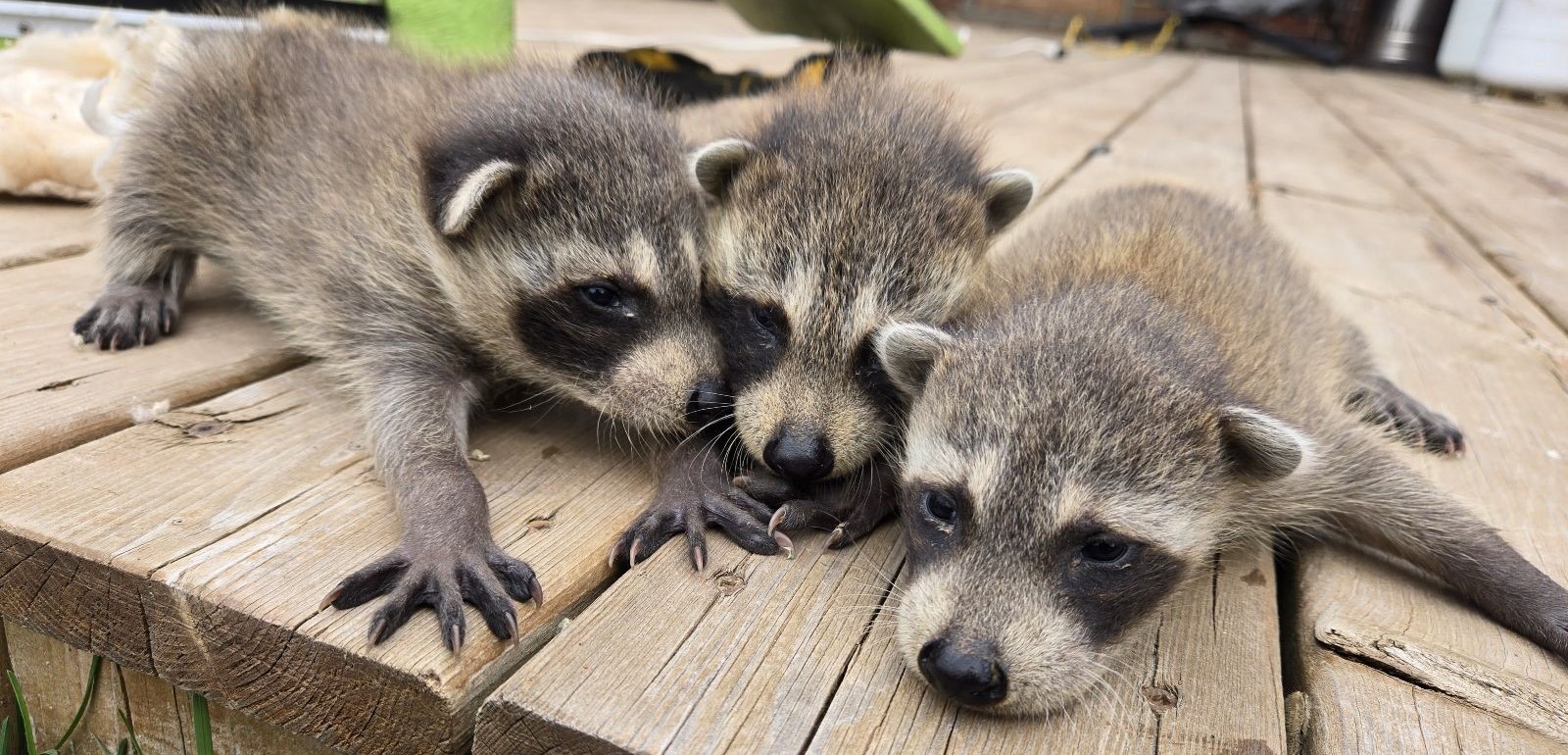
Finding baby raccoons without a mother in your yard can be surprising and raise concerns. These small creatures may seem helpless, leaving you wondering how to protect them while keeping your family and home safe.
The most important step you can take is acting quickly and responsibly to ensure their safety. Handling wildlife, particularly baby raccoons, requires care and expertise. That’s where contacting professionals like us at Skedaddle Humane Wildlife Control in Toronto comes in.
When baby raccoons are left without a mother, they become vulnerable to hunger, cold, or dehydration. If you’ve stumbled upon baby raccoons in your home or yard, it’s important to help them without putting yourself or the animals in harm’s way.
Below, we’ll guide you through proper raccoon care tips, explain what steps to take if you don’t see their mother, and show you why professional help is essential for a safe and humane solution.
Don’t Jump to Conclusions About the Mother
Before assuming that a mother raccoon isn’t coming back, it’s a good idea to observe the situation. Raccoon mothers sometimes leave their babies while they search for food. Here’s how to check if the mother might still return:
- Give it Time: Watch from a safe distance to see whether the mother comes back. This can often happen at dusk or night, as raccoons are nocturnal. Avoid interfering during this time.
- Stay Quiet: Avoid loud noises and keep pets or children away. This will lower the chance of scaring her away if she is nearby but hesitant to return.
- Look for Signs of Distress: If the baby raccoons appear cold, weak, or are crying for more than a day, the mother may not be returning.
Once you’re sure the mother is absent, it’s time to take steps that protect the baby raccoons without putting their well-being at risk.
The Importance of Avoiding Direct Contact
It’s natural to feel the urge to scoop up the baby raccoons and help, but this is not a safe option for you or them.
Baby raccoons can carry diseases or parasites, and improper handling can harm the animals and complicate the situation further. Feeding the babies may also seem like a good idea, but their dietary needs are unique and require expert knowledge.
This is why calling our professionals at Skedaddle Humane Wildlife Control is so important. We understand how to help baby raccoons safely and humanely.
Our team specializes in removing animals using techniques like one-way doors, which allow raccoons to leave but prevent them from re-entering. This method ensures a safe outcome for both your family and the wildlife.
Steps to Help Baby Raccoons Without a Mother
While waiting for professional assistance, there are small, simple steps you can take to keep the baby raccoons safe:
Keep the Area Calm
If you find baby raccoons without a mother, the first thing you should do is keep the area as calm as possible. Loud noises or sudden movements can easily scare these animals, adding unnecessary stress to an already confusing situation for them.
Make sure to keep pets indoors and ask family members to stay quiet and avoid the yard. This gives the baby raccoons a chance to feel safe and lowers the chance of them moving to a riskier spot.
A quiet environment also helps professionals like us at Skedaddle when it’s time to step in and assist. Staying calm and creating a peaceful area is one of the simplest but most important raccoon care tips.
Provide Warmth Without Contact
Baby raccoons can easily get cold, especially during cooler days or chilly nights. To help, you can place a small cardboard box or a soft towel near them.
Find a spot that shields them from wind and rain, so they stay comfortable while waiting for help. Make sure you don’t touch or handle them directly, as this can cause them distress and might even be harmful to their delicate health.
Simply setting up a nearby source of warmth is enough to keep them stable without disturbing them. Professionals will know how to handle them safely once they arrive, and they will thank you for keeping the little ones protected in the meantime.
Avoid Feeding Them
Even though it might feel like feeding baby raccoons is the right thing to do, it’s best to resist the urge. They require a very specific diet for their small bodies to stay healthy. Feeding them the wrong foods could harm their digestion or even make them very sick.
We know it’s tempting to offer food or milk, but it’s important to leave this job to wildlife care specialists who understand their needs. By avoiding this step, you ensure that the baby raccoons stay in good health until professionals can assess and provide the care they require.
Observe from a Distance
It’s natural to feel curious or worried about the baby raccoons in your yard, but keeping a safe distance is just as important as all the other care steps. Getting too close to them might cause them to become frightened or stressed. Instead, stay far enough away so they feel secure, but close enough to keep an eye on their well-being.
This way, when we at Skedaddle arrive to assist, the process will go as smoothly as possible for everyone involved. Watching from a distance ensures the raccoons feel safe, and it makes it easier for professionals to step in and do their job when needed.
These steps may seem simple, but they make a big difference in protecting baby raccoons without a mother and ensuring a humane outcome.
Why You Should Always Call a Professional
When dealing with wildlife, safety should always come first. Baby raccoons may seem harmless, but situations involving wildlife can get complicated quickly.
Without professional guidance, you may inadvertently make matters worse. For example, baby raccoons unable to find their mother may start venturing into unsafe areas or even your home in search of warmth.
At Skedaddle Humane Wildlife Control, we offer specialized solutions to ensure the safety of your family and the animals. Our humane one-way door method is a standout service. This tool allows raccoons to leave an area safely but prevents them from getting back inside.
Additionally, we take extra steps to seal off any entry points, ensuring raccoons and other animals stay out in the future.
Common Scenarios for Baby Raccoons Without a Mother
Here are some situations where calling Skedaddle Humane Wildlife Control in Toronto can make all the difference:
- Safety Concerns: If baby raccoons are found near dangerous conditions, such as near streets or machinery, professional help is vital to protect them.
- Signs of Illness: If a baby raccoon appears weak, injured, or displays abnormal behaviours, such as excessive crying or frothing, it’s time to call a specialist.
- Recurring Raccoon Activity: If you’ve already dealt with wildlife problems in your home or yard, having raccoons back again suggests vulnerabilities that need to be addressed.
How Skedaddle Humane Wildlife Control Helps
We’re an experienced team passionate about protecting both wildlife and homeowners. Our goal is to provide humane, effective solutions that benefit everyone involved. From using one-way doors for safe removal to evaluating your property for potential re-entry points, we ensure all work is carried out ethically.
Our trained professionals offer a compassionate response, drawing from years of knowledge in wildlife care and property protection in the Toronto area. We aim to deliver more than just solutions—we help create spaces where people and wildlife can coexist safely.
Baby Raccoons Need the Right Kind of Help
If you’ve found yourself face-to-face with baby raccoons without a mother, there’s no need to panic. By keeping the raccoons safe, providing a calm environment, and calling our team at Skedaddle Humane Wildlife Control in Toronto, you ensure they get the support and care they need.
Are you ready to protect your home while ensuring a humane outcome for the wildlife in your yard? Contact us today to request an estimate. With the right expertise, you can keep both your family and wildlife safe.

 Loading...