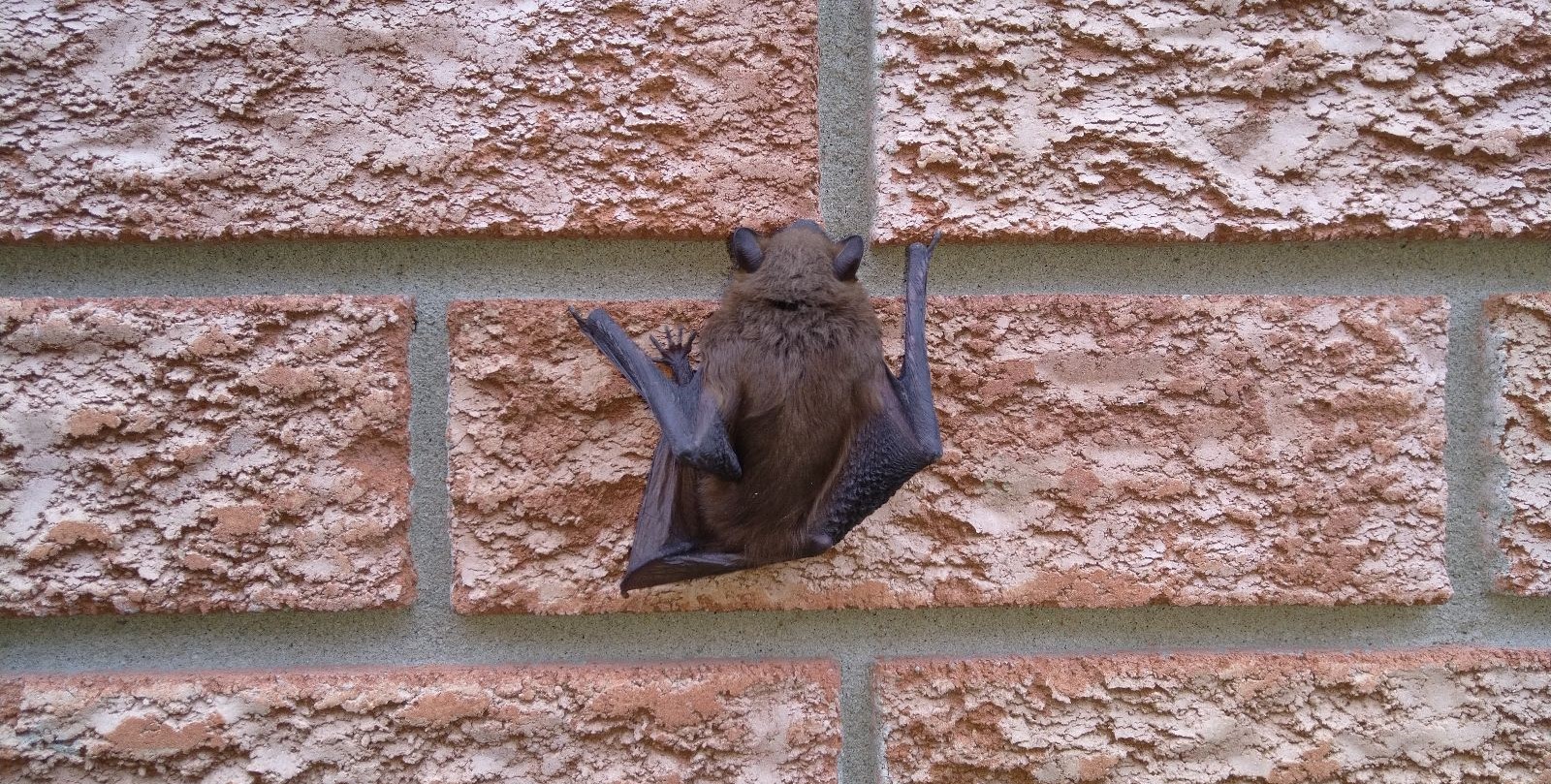
You may hear light scratching above your ceiling late at night or notice a strange smell that doesn’t seem to have a clear source. At first, it’s easy to ignore. Homes make noise, and attics are out of sight. But when the same signs keep happening, it leads to an important question: could you have bats in your attic?
Attic spaces are quiet, warm, and rarely used. That makes them an appealing shelter for wildlife. When activity starts, it often stays hidden for a long time. This is why paying attention to the signs of bats in the attic is so important. Spotting changes early can help prevent bigger problems and reduce stress later on.
In this blog, we’ll list the most common signs of bats in the attic and explain what each one means. You’ll learn how to identify bats in the home, why attic bat infestation issues shouldn’t be ignored, and how Skedaddle Humane Wildlife Control in Toronto helps protect homes using safe, humane prevention methods.
1. Nighttime Sounds in Quiet Spaces
You may notice faint noises when the house settles down for the night. Attics are usually silent, so any repeated sound can stand out. These noises often happen at dusk or early morning when wildlife becomes active.
Common sounds include light scratching, soft squeaking, or fluttering movements above ceilings or behind walls. Unlike heavier bats, the sounds are often quick and irregular. You might hear short bursts instead of constant movement.
These noises tend to repeat along the same areas. That’s because bats use familiar paths once they feel safe. If sounds return night after night, it can be one of the earliest signs of bats in the attic. Noise alone doesn’t confirm activity, but it often signals that something is using the space regularly.
2. Droppings Found Near Attic Openings
You may find small, dark droppings near attic access points, along beams, or on insulation. These droppings often collect below roosting areas where bats rest during the day. When this happens more than once, it can point to ongoing attic bat infestation activity rather than a single visit.
Droppings linked to attic bat infestation have some clear traits:
- Appear Crumbly and Uneven: These droppings often break apart easily when disturbed. You may notice tiny, shiny bits inside them from insect remains. This texture helps separate them from other types of wildlife waste.
- Collect in the Same Spots: Bats return to the same resting areas day after day. Because of this, waste builds up in small piles instead of being spread out. Seeing repeat buildup in one location usually means the space is being used regularly.
- Often Appear Near Rooflines or Attic Corners: Droppings are commonly found close to entry points or tight attic corners. These areas provide safe places to hang and rest. Finding waste near these spots often helps confirm how bats are entering the attic.
Droppings don’t just create a mess. They can affect air quality and signal long-term use of the space. When droppings appear more than once, it’s usually a sign that activity is already established.
3. Strong Odours That Don’t Fade
You may notice a musty or sharp smell that seems strongest near attic access points. This odour doesn’t disappear with cleaning or fresh air. Over time, it may spread through vents or insulation.
The smell comes from waste buildup over long periods. When urine and droppings collect, odours grow stronger and harder to contain. Attics trap warm air, which allows smells to move downward into living spaces.
Odours often worsen during warmer months when heat increases moisture and airflow. If the smell keeps returning, it’s often tied to a hidden source above the ceiling. Persistent odours are one of the clearest signs of bats in the attic and should not be ignored.
4. Staining or Marks Near Rooflines
You may spot dark marks on siding, soffits, or near roof vents. These marks often show up close to small gaps or edges where bats pass through the structure. Over time, the stains become more visible as the same paths are used again and again.
These stains usually develop because:
- Fur Brushes Against Surfaces Repeatedly: As bats squeeze through tight openings, their fur rubs against the surface. Natural oils in the fur slowly leave dark smudges behind. The more often the opening is used, the darker the marks become.
- Entry Points Stay Active Over Time: Bats tend to use the same access point instead of finding new ones. This repeated movement causes staining to build up in one spot rather than spreading out. A darkened area often means the opening has been active for a while.
- Stains Appear Near Vents or Flashing: Roof vents, flashing, and soffits can loosen over time. These areas create small gaps that are easy to miss from the ground. When stains appear near these features, it often points to a hidden entry point nearby.
Staining doesn’t always mean damage has already spread inside. However, it does show repeated entry. When marks continue to darken or expand, it’s usually a sign that the opening is being used regularly.
5. Seeing Activity at Dusk or Dawn
You may notice small bats flying out near your roofline around sunset. This often happens quickly and can be easy to miss if you’re not watching closely.
Evening and early morning are peak activity times. Bats leave to feed and return before daylight. Watching the roofline during these hours can reveal patterns that aren’t visible during the day.
Seeing this behaviour more than once often confirms attic use. Visual sightings are one of the strongest clues when learning how to identify bats in the home. Repeated exits from the same spot point to an established entry point.
Why These Signs Escalate Over Time
You may hope the signs fade on their own. In most cases, they don’t. When bats feel safe in a structure, they return as long as access remains open.
Over time, activity can lead to:
- Increased waste buildup
- Stronger odours
- More frequent noise
- Expanded use of attic space
This is why attic bat infestation issues rarely stay small. Early recognition of the signs helps prevent long-term disruption and damage to insulation and air quality.
How Skedaddle Helps Prevent Attic Infestations
You don’t need to search the attic or confirm signs on your own. At Skedaddle Humane Wildlife Control, we handle inspection, removal, and prevention using calm, humane methods.
Our team checks both exterior and attic areas to understand how bats are using the structure. This includes rooflines, vents, soffits, and interior attic spaces. The goal is to identify access points, travel paths, and resting zones without disturbing the home.
We use one-way doors that allow wildlife to leave naturally while preventing re-entry. These doors stay in place until activity fully stops. Only after exit is complete do we move into sealing and reinforcement.
Prevention That Protects the Structure
Long-term prevention is about more than fixing one problem. It focuses on changing how the home works as a shelter so wildlife does not want to return. Once activity stops, the goal is to make the attic and roofline feel closed, quiet, and uninviting going forward. This is how lasting protection is created instead of repeated issues.
Our approach includes:
- Reinforcing Vulnerable Areas: Roof edges, vents, and flashing are common access points. After activity ends, these areas are secured to close gaps and weak spots. The materials used are built to handle weather changes and long-term wear.
- Removing Shelter Appeal: When quiet entry points are closed, the attic no longer feels like a safe place to return to. Without easy access and shelter, bats move on naturally. Over time, activity fades instead of repeating.
- Protecting Future Seasons: Wildlife often returns to the same spaces year after year if access stays open. Proper exclusion lowers the chance of repeat use during future seasons. This helps keep the home stable long-term.
This approach helps protect insulation, supports better air quality, and gives peace of mind knowing the space is no longer vulnerable.
Know the Signs of Bats, Protect the Home
Not every noise or smell means there is a serious problem. But when the same signs keep showing up, it’s important to pay attention. Patterns usually mean the attic is being used, not just visited once.
Skedaddle Humane Wildlife Control in Toronto offers safe, humane solutions for homes dealing with attic activity. If you’re noticing signs of bats in the attic or wondering how to identify bats in the home, our team can assess the situation and guide the next steps. Request an estimate to learn how we help stop attic bat infestation issues before they grow.
Taking action early helps keep the home quiet, healthy, and protected for the long term.

 Loading...







