You might hear scratching in your walls, tiny footsteps above the ceiling, or find droppings near your pantry. During cold months, you know something has moved in, but is it mice or rats? Telling the difference can help you act fast and avoid a bigger problem.
During winter infestations, both animals sneak indoors for the same reason: warmth, food, and shelter. But their habits, appearance, and the clues they leave behind are very different. When you can identify winter rodent infestations early, you protect your home, your food, and your peace of mind.
At Skedaddle Humane Wildlife Control in Toronto, we see countless cases of mice or rats in the home in winter. Our team knows exactly how to tell one from the other and how to safely remove them. Here’s what you should look for.
Size and Shape Differences
The easiest way to tell what’s in your home is by looking at size. Mice and rats may seem similar at first glance, but the details give them away.
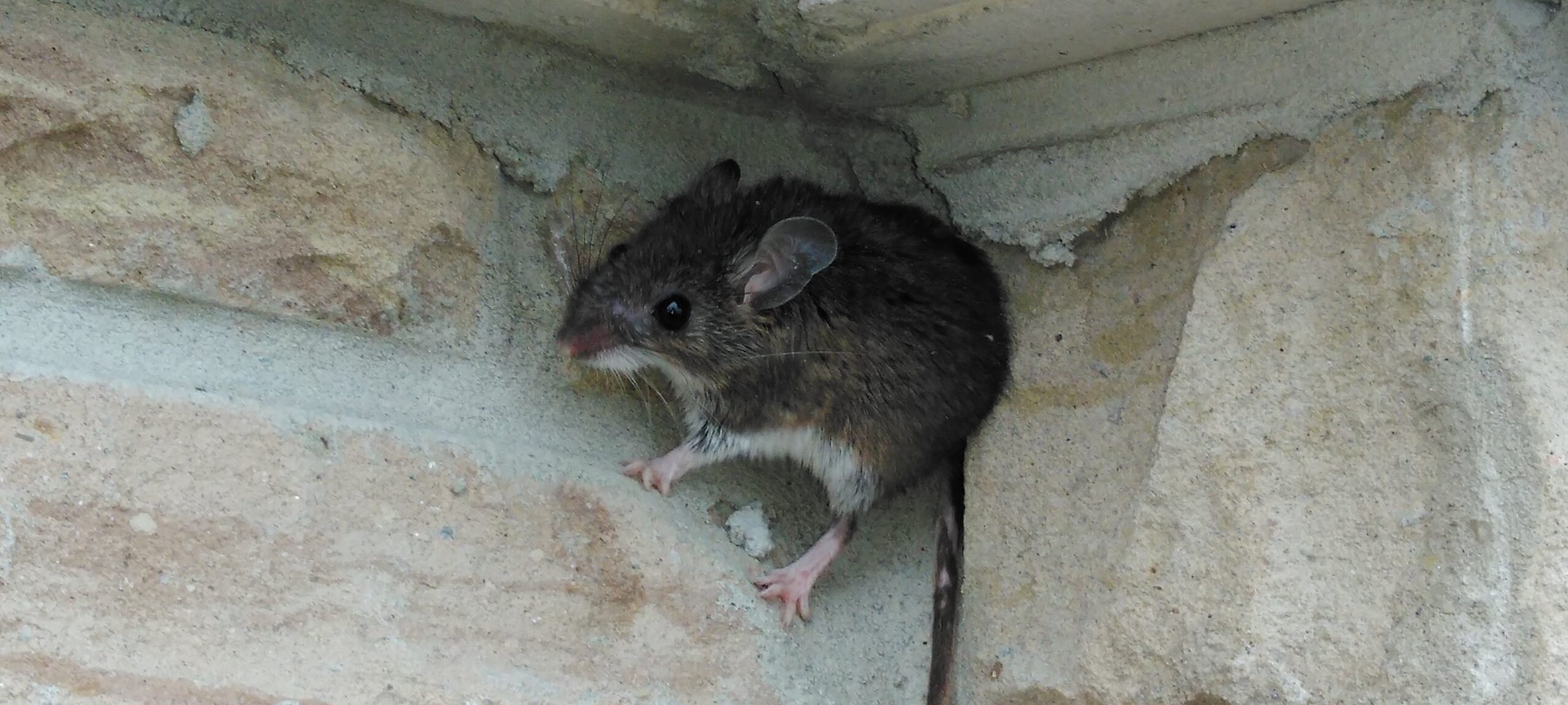
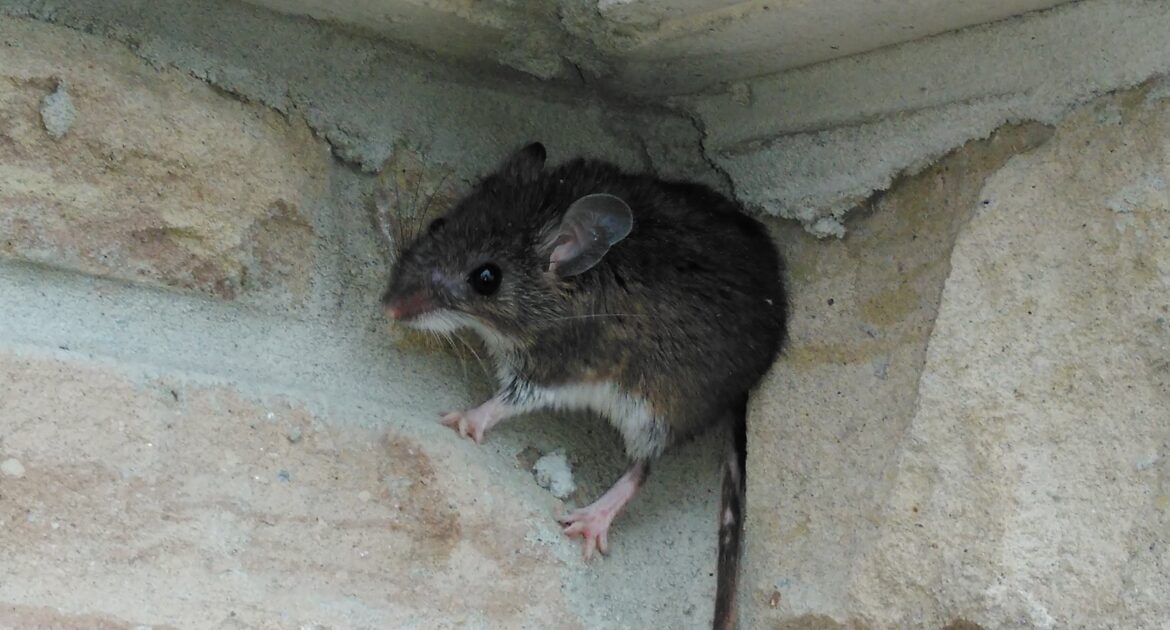
- Mice are small. About 3 to 4 inches long, with tails that are almost the same length as their bodies. Their ears are large compared to their heads, and they have small, delicate feet.
- Rats are larger. Often 8 to 10 inches long, with thick tails, heavier bodies, and smaller ears. Their heads are blunt, and their movements are slower and more deliberate.
You might see one dart across your kitchen floor or glimpse movement near the garage. If it’s small and quick, it’s likely a mouse. If it looks thicker, longer, or slower, you could be dealing with a rat. Both animals are most active at night, which makes daytime sightings a sign of a growing problem.
Droppings: The Easiest Clue to Spot
One of the clearest ways to identify winter rodent infestations is by looking at droppings. You should never touch them, but knowing what to look for helps professionals pinpoint the issue.
Here’s what makes them different:
- Mouse Droppings: Small, about the size of a grain of rice, and pointed at both ends. You’ll find them in drawers, cupboards, and food storage areas.
- Rat Droppings: Larger—up to three times the size—and more rounded on the ends. They often appear along baseboards, in garages, or near walls.
You’ll usually find droppings grouped together, since both animals stick to regular travel paths. Fresh droppings are dark and soft, while older ones dry and fade. If you notice new piles every day, it means they’re still active inside your home.
Sounds and Movement You Might Hear
You often hear rodents before you see them. At night, when the house is quiet, they become bold. Listening closely can help you figure out which type has moved in.
- Mice: You’ll hear light, quick scratching, scurrying, or squeaking. The noises usually come from ceilings, walls, or behind kitchen cabinets.
- Rats: The sounds are slower and heavier, more like thumping, rolling, or gnawing. You might hear them under floors, in basements, or in garages.
You may also hear them chew wood, run between walls, or drag small items to build nests. Because they’re most active at night, these noises can keep you awake and make you feel uneasy in your own home.
Tracks, Trails, and Smudge Marks
When mice or rats travel, they take the same routes again and again, leaving visible evidence behind.
Here’s what to watch for:
- Dusty footprints or tail marks along baseboards.
- Greasy rub marks caused by their oily fur brushing against walls.
- Gnaw marks near entry points, vents, or plumbing lines.
Rats often create larger, darker trails because of their size. Mice leave finer, lighter marks. If you see both types of tracks, you could have multiple species sharing your space, a common issue among mice or rats in the home in winter situations.
Why Winter Infestations Increase Indoors
You might wonder why these animals suddenly appear when temperatures drop. The answer is simple, they’re looking for survival.
Cold weather limits access to food and shelter. Inside your home, they find warmth, steady meals, and safety from predators. Once they move in, they breed quickly.
In Toronto, we see the biggest spikes in activity from November through February. During that time, garages, basements, and kitchens become ideal hiding places. In connected townhomes or condos, they travel through shared walls or vents, spreading problems from one unit to another.
Even if you seal one area, they might already be using hidden gaps between floors or around plumbing lines to move around freely.
Preventing Rodent Activity With Professionals
Once professionals identify which species you’re dealing with, the next step is prevention. The goal isn’t just to remove them, it’s to keep them from coming back.
Here are simple ways to make your home less inviting:
- Store food in sealed containers and clean up crumbs right away.
- Keep garbage bins tightly closed, especially in garages and basements.
- Seal small openings around pipes, doors, and vents.
- Remove clutter like paper and fabric that can be used for nesting.
- Schedule regular inspections to stay ahead of potential entry points.
At Skedaddle, we also install one-way doors that let wildlife leave safely but prevent re-entry. This humane method ensures your home stays secure without harming the animals. Once they’re gone, we seal up every weak spot so you don’t have to worry about another winter infestation.
Take Back Your Home This Winter
When you start hearing noises in the walls or find tiny droppings in the kitchen, it’s time to act. Winter infestations don’t go away on their own, they spread quickly and cause costly damage. Knowing how to identify winter rodent infestations helps, but only professionals can remove them completely and keep them out.
If you suspect mice or rats in the home in winter, reach out to Skedaddle Humane Wildlife Control in Toronto. Our experts use safe, humane techniques to remove them and prevent future activity.
Request an estimate today to protect your home from unwanted guests and keep your space clean, quiet, and comfortable all winter long.

 Loading...