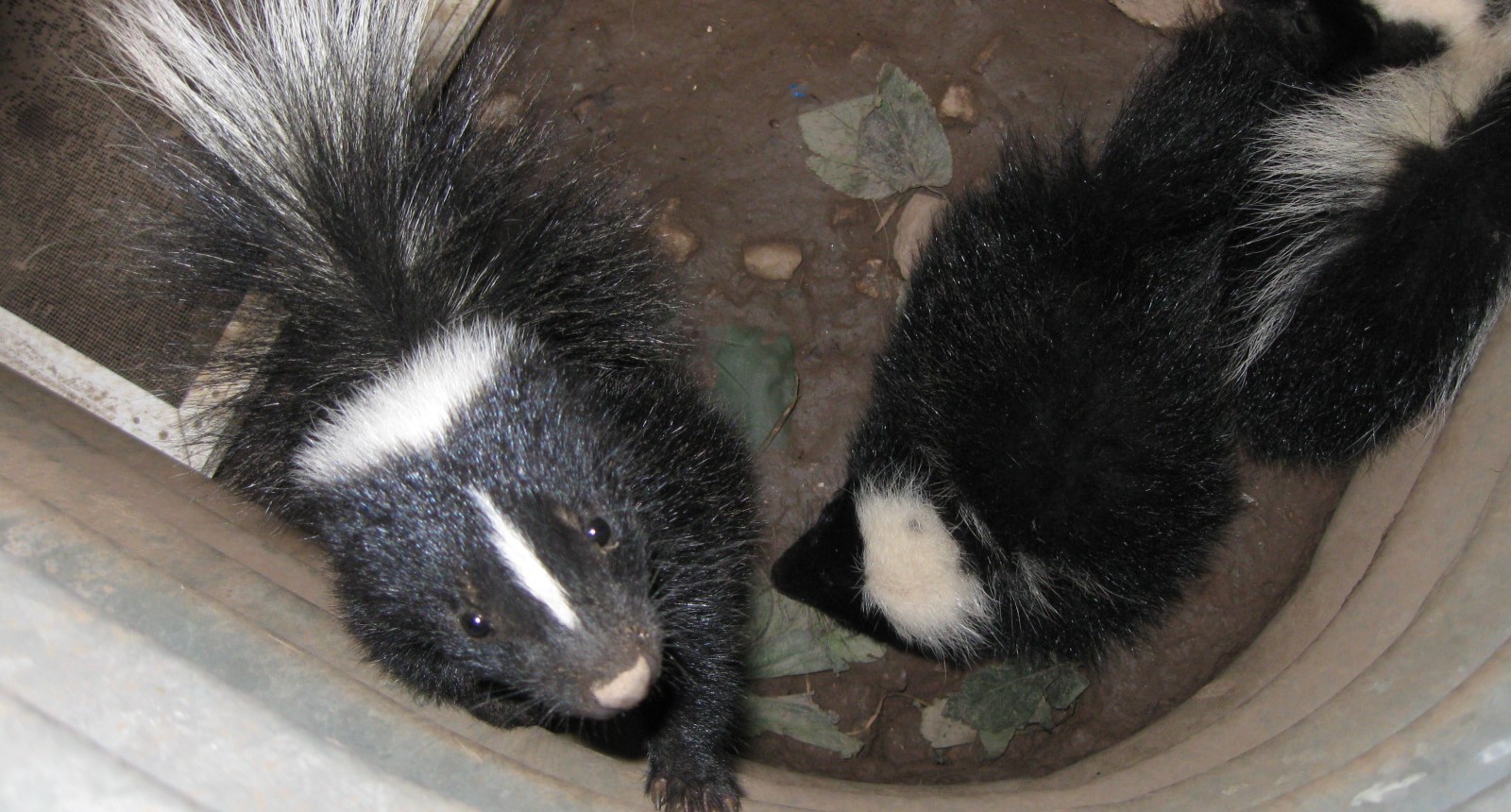
You might think skunks disappear once the snow starts to fall. You rarely see them wandering around your neighborhood in the winter, so it’s easy to assume they’ve curled up somewhere and gone to sleep until spring. But do skunks hibernate in Canada? The answer might surprise you.
Skunks don’t fully hibernate. Instead, they go into what’s called torpor, a lighter sleep that helps them survive cold weather. During this time, they slow down, eat less, and spend most of their days hidden away in warm, sheltered dens. You could go months without seeing one, even though they’re still close by.
At Skedaddle Humane Wildlife Control in Toronto, we often see signs of winter skunk behaviour in Canada long before homeowners do. When temperatures drop, skunks look for easy shelter. Sometimes under decks, sheds, or porches. That’s when problems start. This guide explains what really happens when temperatures fall, where skunks hide, and what you should know about skunk prevention in Canadian homes.
Skunks Don’t Truly Hibernate
While bears can sleep through most of the winter, skunks can’t. Instead, they enter a deep rest called torpor. Their body temperature drops slightly, and they may go days or weeks without leaving the den.
But here’s the difference. When the weather warms up even a little, skunks wake up. They might come out at night to look for food before returning to their den. That’s why you might spot fresh tracks in the snow or smell that familiar odour on a mild winter day.
If you’re wondering do skunks hibernate in Canada, the answer is no. They rest, but they don’t completely disappear.
Where Skunks Spend the Winter
When the cold hits, skunks look for cozy, hidden spots to ride out the season. Natural dens like hollow logs or burrows are ideal, but urban areas offer something even better: your property.
Common hiding spots include:
- Under decks or sheds
- Beneath porches or steps
These areas are warm, quiet, and protected from wind. If a skunk finds its way inside, it might stay until spring unless something scares it off. Our team often finds multiple animals sharing one den during the coldest months.
Winter Skunk Behaviour in Canada
Even when it’s freezing, skunks still have to survive. Their habits change, but they don’t stop completely.
During the winter, you might notice:
- Small tracks leading to or from your deck or shed after a mild night
- Faint digging or rustling sounds under floors or patios
- Occasional sprays from startled animals if pets get too close
Skunks are quiet but active when the temperature rises above freezing. These signs show that they’re nearby, even if you don’t see them every day.
Dangers of Having Skunks on Your Property
You might not notice them at first, but skunks living under your home can cause problems over time. The smell alone can be overwhelming if they spray nearby, and that odour can seep into vents or insulation.
Other risks include:
- Damaged foundations from digging and burrowing
- Health risks from droppings and parasites
- Pets getting sprayed or injured when startled
Skunks are gentle animals, but they defend themselves when frightened. That’s why it’s best to let our professionals handle any removal safely and humanely.
How Skunks Survive Winter
Skunks are built for cold weather. Their thick fur and slow metabolism help them conserve energy. Before winter hits, they spend weeks eating extra food to build fat reserves that keep them warm.
They also use leaves, grass, and insulation to line their dens for comfort. When temperatures drop below freezing, they barely move, sometimes sleeping for days at a time. You might never notice they’re there until you catch a faint smell or see digging near your foundation.
Signs a Skunk May Be Nearby
Even if you don’t see one, you can spot clues that a skunk has moved in. Keep an eye out for:
- Small, round holes in the yard or near sheds
- Tracks shaped like small hands with claw marks
- Unusual smells near decks or porches
- Pets acting nervously near a certain spot
These are classic signs of winter skunk behaviour in Canada. You should never try to remove them yourself. It’s risky and often makes things worse. Our technicians use humane one-way doors that allow skunks to leave but prevent them from getting back in.
How Our Professionals Help You Stay Skunk-Free
When you call Skedaddle Humane Wildlife Control, you get more than a quick fix, you get long-term prevention. We understand how animals behave throughout the year and what drives them to your home in the first place.
Here’s how we help:
- We locate entry points and identify signs of nesting
- We install one-way doors so animals can exit but not return
- We clean and secure the area safely after removal
- We offer proven prevention plans to stop future activity
You don’t have to handle any of it yourself. Our team does the work humanely, efficiently, and safely, keeping both you and the animals protected.
Keep Your Home Safe This Winter
Skunks may slow down during the cold months, but they don’t disappear. They seek warmth, shelter, and safety, often closer to you than you realize.
At Skedaddle Humane Wildlife Control in Toronto, we’ve helped countless homeowners deal with winter skunk behaviour in Canada and prevent future problems with proven solutions. If you suspect an animal is living on your property, reach out to us before it becomes a bigger issue.
Request an estimate to learn more about skunk prevention in Canadian homes and how our team can keep your property safe, secure, and smell-free; all winter long.

 Loading...







