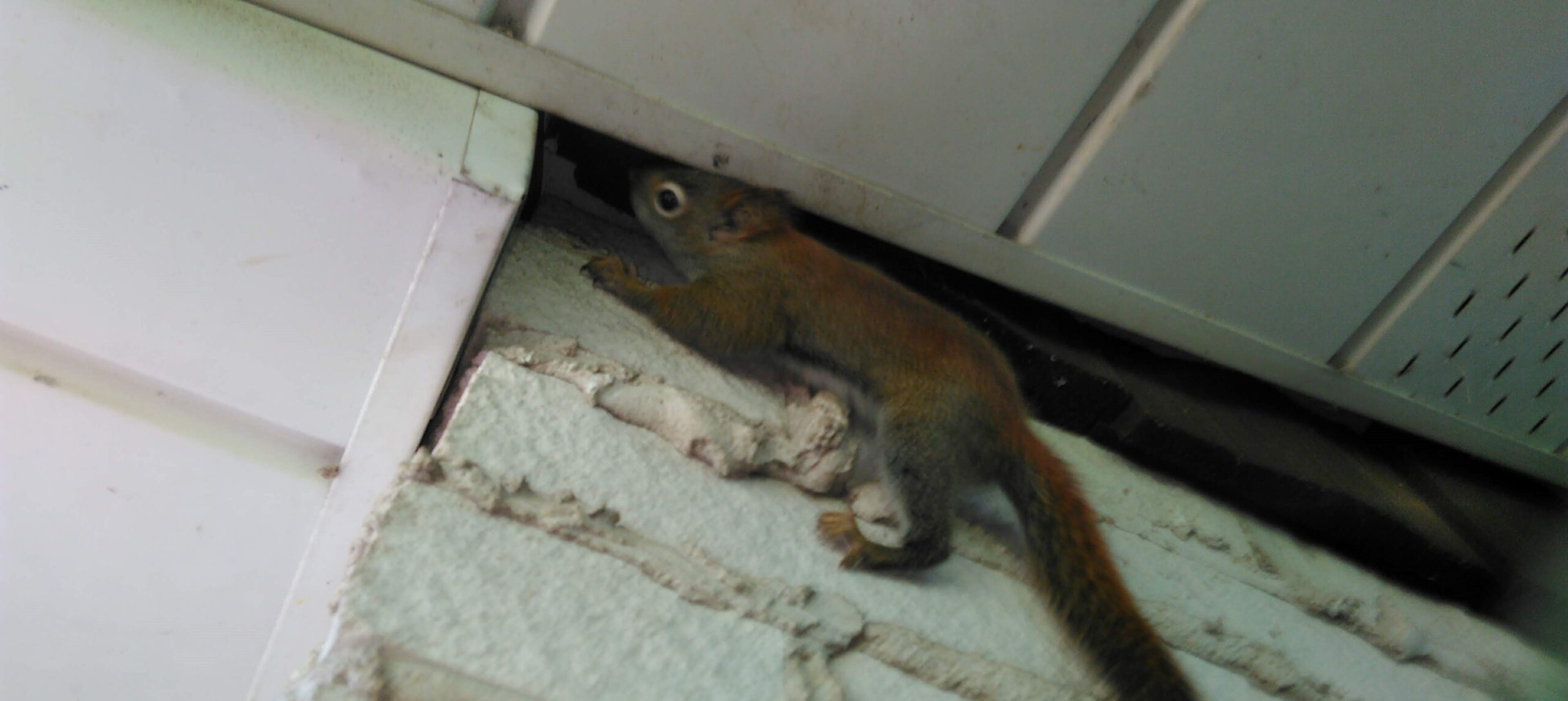
You hear scratching behind the drywall or rustling above the ceiling and wonder, what’s that noise? When it happens early in the morning or just before sunset, it’s likely not the house settling. It could be squirrels in the walls in winter.
You might be surprised how common this is. When temperatures drop, squirrels look for warm, dry places to survive. Your walls, attic, or ceiling cavities make the perfect shelter. They offer warmth, safety, and quiet. Everything squirrels need to ride out the cold season.
At Skedaddle Humane Wildlife Control in Hamilton, we see this problem across homes every winter. If you’re hearing winter squirrel noises in walls, it’s a sign they’ve found a way in. You’re not alone and you can fix it. Let’s explore why this happens, what those sounds mean, and how you can prevent squirrel wall activity before it gets worse.
You’re Providing a Warm Hideout
Outside, food is scarce, trees are bare, and cold winds make it hard to rest. Inside your walls, it’s the exact opposite: quiet, dark, and warm.
You’re basically offering free heating and a safe place to sleep. Once a squirrel discovers a gap around your roofline or vent, it’ll squeeze in and start building a nest using insulation, leaves, and shredded paper.
Here’s why your walls seem irresistible during the cold months:
- Warmth: Rising heat from your home keeps interior spaces cozy, especially in attics and upper walls.
- Safety: Squirrels avoid predators like hawks or foxes by hiding indoors.
- Silence: Quiet areas let them rest, breed, and store food without disturbance.
- Shelter: The thick walls protect them from harsh winds and snow.
You might not hear them every hour of the day. They’re most active around dawn and dusk, the same times they’d forage outdoors in warmer weather.
You Can Tell a Lot From the Sounds
You can actually learn a lot from the types of noises you hear. Winter squirrel noises in walls are distinct once you know what to listen for.
Common sounds you might notice include:
- Scratching or Scurrying: That’s a squirrel climbing up and down wall cavities or moving between spaces. You might hear these quick, light movements early in the morning or at sunset when squirrels are most active. If the sound seems to move from one area to another, it’s a sign that more than one squirrel may be using your walls as a pathway.
- Rolling or Thumping: Sometimes they drop nuts or chew on objects, creating uneven thuds. You might hear heavier bumps if they’re moving stored food or shifting nesting materials around. These sounds can echo through your walls or ceiling, especially at night when your home is quiet.
- Light Gnawing: Squirrels constantly chew to keep their teeth from growing too long. You might hear this as soft but steady tapping or grinding noises against wood, drywall, or even electrical wires. This habit can cause real damage over time and is one of the main reasons to deal with the problem quickly.
- Chirps or Squeaks: Young squirrels often make high-pitched noises when hungry or frightened. You could notice these sounds in late winter or early spring when baby squirrels are born. Hearing this means a nest is already established somewhere inside your home, and professional help is needed to remove them safely.
You may hear these sounds more during the early morning or late afternoon. If noises get louder or more frequent, that usually means more than one squirrel has moved in, possibly a family nesting together.
You never want to ignore these sounds. The longer they stay, the more damage they cause.
You’re Hearing Their Winter Routine
You may wonder why squirrels stay so active while other animals hibernate. Unlike some species, squirrels don’t sleep through winter. Instead, they stay semi-active — moving around during warmer parts of the day and sleeping through storms or freezing nights.
When squirrels find your home, they use it as a central hub. Warm, quiet, and close to food sources. Their daily routine often follows a simple pattern:
- Wake up at sunrise to forage or chew on stored food.
- Rest through midday when it’s coldest.
- Become active again around sunset.
- Sleep overnight inside walls or insulation.
You’ll hear this rhythm in the noises: bursts of scurrying, short silence, and movement again later in the day. Once you recognize it, it’s almost like hearing their schedule play out inside your walls.
You Might Be Wondering How They Get In
You could have sealed your home last summer and still end up with squirrels. They’re determined climbers and can fit through small gaps you’d never notice.
Typical entry points we find during inspections include:
- Gaps along roof edges or soffits.
- Broken or missing vent screens.
- Chimney openings without covers.
- Loose siding or flashing around the attic.
- Small cracks around rooflines or gutters.
You’d be surprised how quickly a squirrel can exploit a gap. Once one gets inside, it often brings nesting material and may even invite a mate. That’s how winter squirrel noises in walls can turn into a full infestation by spring.
You Can’t See the Damage, But It’s There
You might not see the harm right away, but inside your walls, squirrels are constantly busy. Every noise you hear could mean chewing, scratching, or nesting deeper into insulation.
They can also block air vents, clog ducts with nesting material, and create hidden fire hazards. Even if they leave on their own, they rarely do so quietly and they often come back if entry points stay open.
We’ve seen homes where insulation was shredded, wires were exposed, and thousands of dollars in repairs were needed. That’s why prevention matters as much as removal.
You’ll Want Professionals To Handle It
You might feel tempted to patch holes yourself, but if squirrels are still inside, you could trap them, leading to worse problems and odors. That’s why Skedaddle Humane Wildlife Control in Hamilton handles this work for you.
We take a humane, hands-off approach that keeps you safe while protecting the animals. Our technicians use one-way doors that let squirrels exit naturally but stop them from getting back in. Once they’re gone, we seal every entry point permanently and clean up what’s left behind.
Here’s how we help prevent squirrel wall activity:
- Inspect your attic, roof, and wall cavities to locate all access points.
- Install one-way doors to allow safe exits.
- Seal and secure openings with durable materials.
- Repair damaged insulation or vents to restore safety.
You never have to touch or handle wildlife yourself. We take care of the process from start to finish so you can enjoy peace and quiet again.
Keep the Peace, Stop the Scratching
You don’t want to spend another night listening to scratching, thumping, or chewing behind your walls. When you hear winter squirrel noises in walls, it’s a sign you have uninvited guests using your home for warmth.
You can act fast to stop it before it becomes serious. Call Skedaddle Humane Wildlife Control in Hamilton to safely remove squirrels in the walls in winter and seal your home for good. Our one-way door system ensures wildlife leaves safely and stays out.
Request an estimate today to learn how our team can prevent squirrel wall activity and keep your home quiet, comfortable, and protected this winter.

 Loading...