Living in an older home in the city has a lot of charm. The brick walls, the big porches, and the unique layouts give these houses so much character.
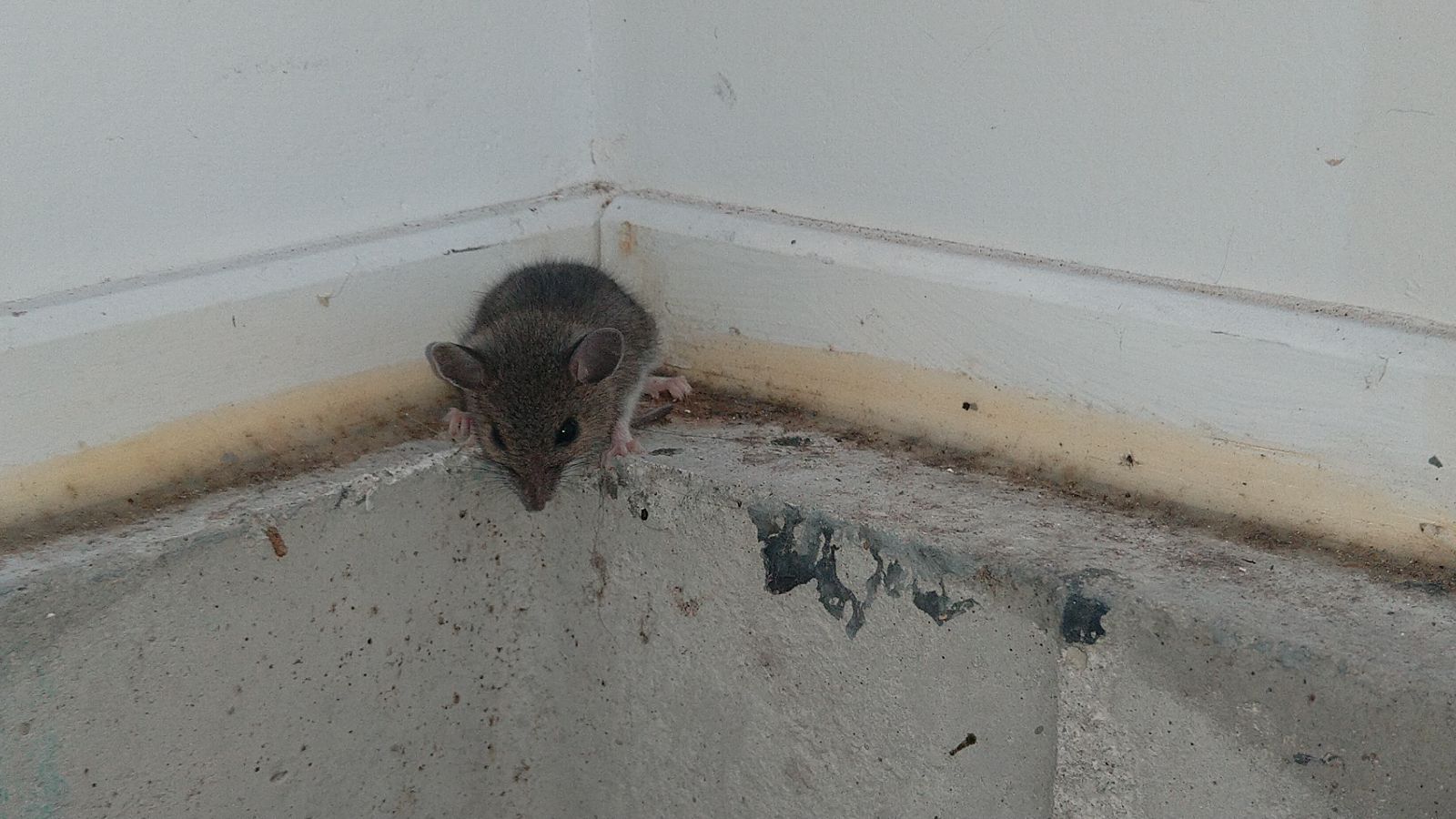
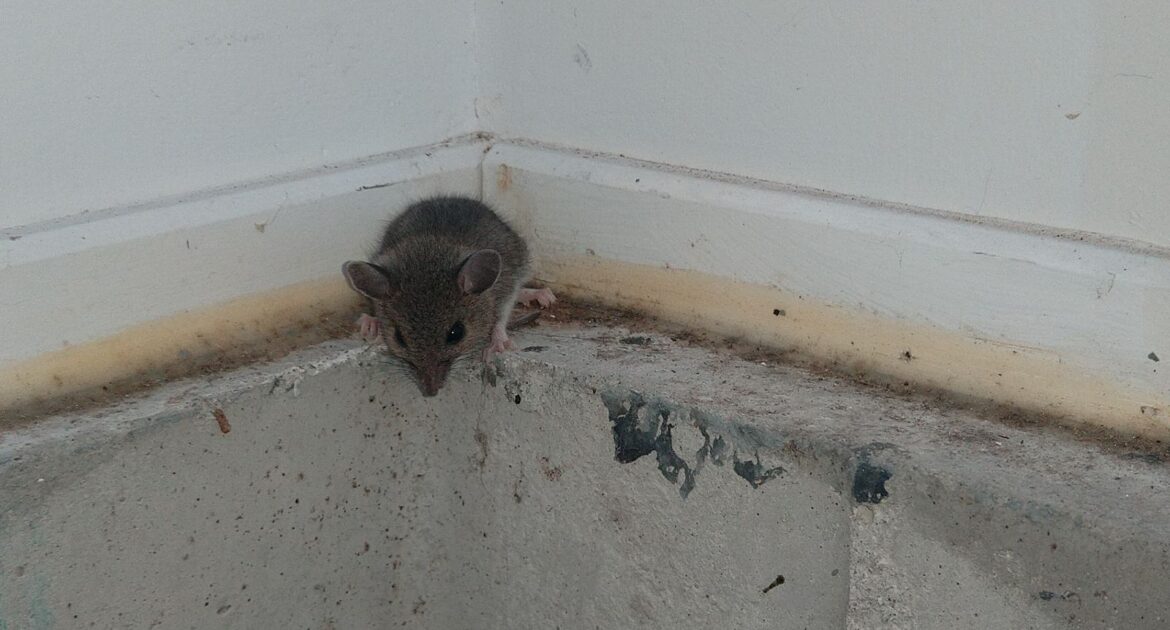
But those same features that make your home special can also invite some mice. If you have been hearing scratching sounds in your walls or finding small black droppings in your cupboards, you might have mice.
Mice in older homes are a very common problem. As houses age, they settle and shift. This creates small cracks and gaps in the foundation, walls, and roof. To a tiny mouse looking for a warm place to sleep, your home looks like the perfect hotel.
Once they get inside, a city mouse infestation can happen very quickly. They don’t need much space to squeeze through, and they are excellent climbers. Dealing with mice isn’t fun for anyone. It can feel overwhelming to think about these little animals running around your kitchen or sleeping in your attic.
But don’t worry. With experienced professionals like Skedaddle Humane Wildlife Control in Toronto, there are proven ways to protect your home. In this blog, we will explain exactly how we keep mice out of older city homes and how you can get back to enjoying your space without any furry intruders.
Sealing Up Entry Points
The most important step in urban mouse control is stopping them from getting inside in the first place. You might think your doors and windows are closed tight, but mice are very tricky. They can fit through a hole the size of a dime! That means even the smallest crack is an open door for a mouse.
When we inspect an older home, we look at every inch of the exterior. We start from the ground and look all the way up to the roof. Mice are great climbers, so we can’t just look at the bottom of the house. We check for gaps in the brick, holes around pipes, and spaces where different building materials meet.
Here are some of the common places we seal up:
- Foundation Cracks: Over time, concrete and stone foundations can crack. We fill these gaps with special sealants that mice cannot chew through.
- Utility Lines: Where wires and pipes enter your home, there is often a gap. We seal around air conditioning lines, gas pipes, and cable wires.
- Window and Door Frames: If the caulking around your windows is old and peeling, mice can use that to get in. We replace worn-out seals to close off access.
- Vents: Dryer vents and exhaust fans are common entry points for mice. We install heavy-duty screens over these openings that let air out but keep mice out.
Protecting the Roof and Attic
Your roof is like a highway for city wildlife. Squirrels, raccoons, and mice all use your roof to travel and find shelter. In older city homes, the roof and attic are often the most vulnerable spots. There are usually many corners, vents, and overhangs that provide perfect hiding spots and entry points.
Mice can climb brick walls and drain pipes to get to your roof. Once they are up there, they look for any opening to get into the warm attic. Insulation makes a cozy bed for a mouse family. If they get into the attic, they can travel down inside the walls to the rest of your house.
We focus a lot of attention on the roofline. We look for:
- Soffit Gaps: The soffit is the material under the edge of your roof. In older homes, this can rot or pull away from the wall. We secure these areas so nothing can push through.
- Roof Vents: Plastic roof vents are no match for a mouse’s teeth. They can chew right through them. We cover these vents with strong metal screening that is chew-proof.
- Chimneys: A chimney without a cap is an open tunnel into your home. We install caps and screens to block this path.
- Rotten Wood: If the wood on your roof edge (the fascia) is rotting, it is very soft. Mice can chew a hole in it very quickly. We identify these spots so they can be repaired and shielded.
Installing One-Way Doors
You might be wondering, “If you seal all the holes, what happens to the mice that are already inside?” That is a great question. We definitely do not want to trap mice inside your walls. If they get stuck inside, they can cause damage trying to get out, or they might die in your walls, which causes a bad smell.
To solve this, we use a clever device called a one-way door. This is a special tool that we install over the main entry point the mice are using. It works exactly like it sounds. It allows the mice to leave your home to go find food, but it does not let them come back in.
Here is how the process works for us:
- Identify the Main Door: We find the hole that the mice are using the most. This usually has signs like dirty smudge marks or droppings nearby.
- Install the Device: We place the one-way door securely over this hole.
- Seal Everything Else: We make sure every other hole in the house is sealed up tight. This forces the mice to use the one-way door if they want to leave.
- Wait for Them to Leave: Mice leave the nest daily to find food and water. When they push through the one-way door, they are out. When they try to come back, the door won’t open.
- Remove and Seal: Once we are sure all the mice are gone, we come back to remove the one-way door and seal that final hole permanently.
Cleaning Up the Mess
Mice are not tidy houseguests. When they live in your home, they leave behind a big mess. This isn’t just about clutter; it is a health and safety issue. Mice droppings and urine can carry bacteria and viruses. Their nesting materials can also be a fire hazard if they are near electrical wires.
Once the mice are gone, the work isn’t quite finished. We have to deal with what they left behind. Cleaning up after a mouse infestation requires special care. You should never just sweep or vacuum mouse droppings because it can kick up dust that makes you sick.
When we perform a cleanup, we take serious safety precautions. We wear protective gear like masks and gloves. We use special vacuums with HEPA filters that trap tiny particles so they don’t get into the air.
Our cleanup process includes:
- Removing Droppings: We carefully remove all droppings from attics, basements, and inside walls where accessible.
- Removing Dirty Insulation: If mice have been nesting in your attic insulation, it is likely soaked with urine. We remove the soiled insulation and bag it up safely.
- Sanitizing the Area: After the physical mess is gone, we use a disinfectant to kill bacteria and viruses. This also helps remove the scent trails mice leave behind.
- Deodorizing: We treat the area to get rid of that musky mouse smell. This makes your home smell fresh again and helps stop other mice from being attracted to the scent.
Urban Mouse Control in the Spring
Spring is a beautiful time in the city, but it is also a busy time for mice in older homes. As the weather warms up, mice become more active. This is also the time of year when they have babies. A small mouse problem can turn into a huge infestation very fast in the spring.
In the city, mice don’t have many natural places to live. They don’t have hollow logs or big fields. So, our homes become their habitat. In the spring, mother mice are looking for safe, warm places to build nests for their babies. Your attic or walls are perfect for this.
Our professional wildlife team stays very busy in the spring. We know that if we don’t catch the problem early, a homeowner could end up with dozens of mice by summer. We focus on finding the nests and removing them safely. If there are babies involved, the removal process takes extra care. We want to make sure the whole family is moved out so you don’t have issues down the road.
Dealing with city mouse infestation in the spring means being proactive. If you hear noises, don’t wait. Call us right away so we can stop the cycle before it grows.
Keeping Your Older Home Mouse-Free
We know that finding mice in older homes is stressful. You love your house, and you want it to be clean and safe for your family. The good news is that you don’t have to fight this battle alone. In fact, trying to do it yourself can often be frustrating and ineffective.
At Skedaddle Humane Wildlife Control in Toronto, we have the experience and tools to handle even the tricky situations found in older homes. We understand how these houses are built and where the mice like to hide. Our process of screening, sealing, and using one-way doors is designed to be permanent. We don’t just put a bandage on the problem; we solve it.
By letting us handle the climbing, the sealing, and the cleaning, you can relax. You won’t have to worry about handling traps or cleaning up dangerous messes. You can just enjoy the charm of your city home without the unwanted roommates.

 Loading...







