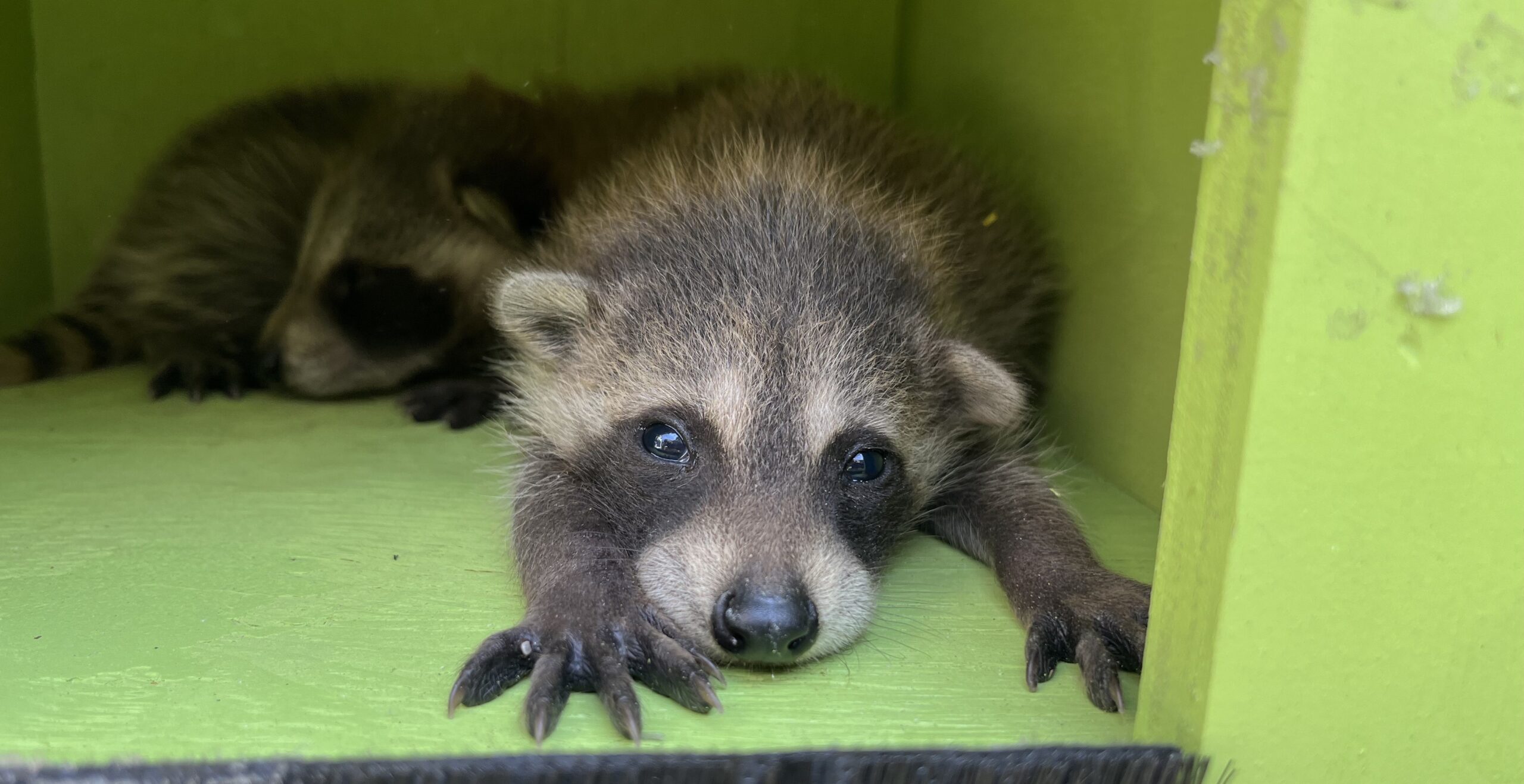
Toronto is known for many things – its iconic CN Tower, diverse neighbourhoods, and vibrant culture. But perhaps one of the city’s most unusual claims to fame is its relationship with raccoons, particularly the Toronto raccoon commemoration that emerged following the death of one special raccoon named Conrad. This furry resident became an overnight celebrity in July 2015, sparking a cultural phenomenon that says as much about Toronto’s character as it does about our complex relationship with raccoons and urban wildlife.
At Skedaddle Humane Wildlife Control, we’ve spent over three decades helping local residents manage their interactions with raccoons in a humane and effective way. While most raccoon encounters require our professional removal services, Conrad’s story represents something different – a moment when the city collectively paused to acknowledge one of its most persistent wild neighbours with unexpected empathy and humour.
The Story Behind Toronto’s Famous Raccoon
Conrad’s story began on a summer morning in 2015 when a deceased raccoon was spotted on a downtown sidewalk. What happened next transformed this ordinary urban occurrence into a social media sensation and cultural touchstone for the city.
How Conrad Became an Icon
What started as a simple tweet to Toronto Animal Services about a dead raccoon on the sidewalk evolved into something much more significant:
- After several hours without pickup, a concerned citizen placed a small memorial note beside the raccoon.
- Throughout the day, the memorial grew as passersby added flowers, cards, and mementos.
- Someone gave the raccoon a name: Conrad.
- By evening, the memorial had candles, stuffed animals, and even a framed photo.
- City councillor Norm Kelly’s tweets about the situation went viral.
- #DeadRaccoonTO began trending across social media platforms.
The impromptu memorial lasted nearly 14 hours before city workers finally removed Conrad’s body. By then, Conrad had become more than just another urban raccoon – he had become a symbol of the city’s unique character and sense of community.
From Sidewalk Vigil to Lasting Commemoration
Conrad’s commemoration transcended its initial viral moment to become a lasting part of the city’s cultural landscape. The event inspired artwork, merchandise, and even a commemorative beer by local breweries. His name has been referenced in city council meetings when discussing wildlife, and the anniversary of his vigil is still noted in local and international media.
In 2025, nearly ten years after his passing, Conrad’s story took on a new permanence. Heritage Toronto unveiled a plaque at the intersection of Yonge and Church, his final resting spot. The plaque not only recounts the events of that day but also shares cultural and ecological insights:
- The English word “raccoon” derives from Algonquin-speaking peoples of Virginia, a reminder of the animal’s deep historical roots.
- The plaque educates visitors about how raccoons adapt to city life, thriving in attics, sheds, and hollow-like structures.
- It notes Toronto’s raccoon population may exceed 50,000, making them one of the city’s most visible residents.
The marker closes by describing raccoons as resourceful, resilient, and cheeky — the very traits that have made them the unofficial mascots of Toronto.
The Cultural Impact of Conrad’s Memorial
Conrad’s commemoration transcended its initial viral moment to become a lasting part of the city’s cultural landscape:
- The event inspired artwork, merchandise, and even a commemorative beer by local breweries.
- Conrad has been referenced in city council meetings when discussing urban wildlife management.
- The anniversary of Conrad’s death is still noted by local media and on social media.
- His story has been featured in international news outlets as an example of Toronto’s quirky character.
The Conrad phenomenon tapped into Torontonians’ complicated relationship with raccoons – a mixture of frustration at their persistence and admiration for their adaptability. The memorial provided an outlet for the city’s characteristic dry humour while also revealing a surprising tenderness toward an animal often considered a nuisance.
Toronto’s Unique Relationship with Urban Wildlife
Toronto’s relationship with raccoons is so distinct that National Geographic once dubbed it the “raccoon capital of the world.” This relationship reveals much about both the city’s character and the remarkable adaptability of these urban mammals.
Why the City Became a Raccoon Haven
Several factors have combined to make Toronto an ideal habitat for raccoons:
- There are abundant green spaces interspersed throughout urban areas.
- Older homes with accessible attics and crawl spaces offer perfect nesting sights.
- Comprehensive waste management systems inadvertently provide food sources.
- Mild winters (compared to other Canadian cities) allow for raccoon survival.
- There are few natural predators in the urban environment.
The city’s dense population of up to 50 raccoons per square kilometre – far higher than in rural areas – demonstrates how well these animals have adapted to living in urban environments. This adaptation has forced residents to adjust as well, leading to unique solutions like the city’s famous “raccoon-resistant” green bins, which prompted international media coverage of the city’s “raccoon war.”
Beyond Conrad: Toronto’s Official Raccoon Commemorations
Conrad’s spontaneous memorial inspired more formal recognitions of raccoons’ place in the city’s identity:
- The Royal Ontario Museum has featured exhibits on urban wildlife that highlight raccoons.
- City photographers and artists regularly showcase raccoons in their work depicting Toronto life.
- Toronto-themed merchandise often features raccoons as unofficial city mascots.
- Several public art installations reference the city’s raccoon population.
Rather than simply viewing raccoons as pests, many locals have embraced them as clever, if sometimes frustrating, co-inhabitants of their city. This perspective reflects the city’s values of tolerance, adaptability, and finding humour in daily challenges.
The Deeper Meaning Behind the Raccoon Commemoration
Conrad’s memorial wasn’t just a quirky news story – it revealed something meaningful about urban life and how communities process shared experiences through humour and connection.
Finding Community Through Shared Urban Experiences
The Conrad phenomenon demonstrated how shared experiences, even seemingly trivial ones, can create moments of community in an otherwise fast-paced urban environment:
- The memorial created a temporary “third space” where strangers could interact and connect.
- Participation allowed people to be part of something larger than themselves.
- The humour element made the experience accessible and non-threatening.
- Social media amplified the sense of shared experience beyond those physically present.
The sentimental attachment to Conrad revealed a deeper societal need for humour and connection in urban life. In a city where people might pass hundreds of strangers daily without interaction, the memorial created a momentary sense of belonging and shared identity.
How Urban Wildlife Shapes City Identity
Toronto’s raccoon population has become intertwined with the city’s self-image in ways that reflect broader attitudes about urban coexistence:
- The raccoon’s adaptability mirrors the city’s own history of adaptation and reinvention.
- The city’s humane approach to wildlife management reflects its values of compassion and sustainability.
- The raccoon’s status as an “outsider” that nonetheless thrives resonates in a city proud of its diversity.
- The tension between annoyance and admiration for raccoons parallels the complex emotions of urban life.
By commemorating Conrad, locals acknowledged their complex relationship with urban wildlife while demonstrating their capacity for empathy and humour – qualities that help make dense urban living not just tolerable but meaningful.
Responsible Management of Urban Wildlife
While Conrad’s commemoration highlighted the sentimental side of the city’s relationship with raccoons, living with these clever creatures poses very real challenges for homeowners. At Skedaddle, we understand both the emotional and practical dimensions of urban wildlife management.
The Reality of Living with Urban Raccoons
Despite their cultural significance, raccoons can cause significant problems when they take up residence in homes:
- Raccoons can cause costly damage to attic insulation, electrical wiring, and ductwork.
- Their droppings contain parasites like Baylisascaris roundworm that pose serious health risks.
- Mother raccoons can be defensive of their young, making amateur removal attempts dangerous.
- Once established, raccoon families can return to the same den sites year after year.
Raccoons only need a four-inch opening to access your home, and they’re skilled at widening small vulnerabilities in soffits, roof vents, and aging materials. Professional assessment is key to identifying all potential entry points before they become issues.
Humane Approaches to Raccoon Management
Our approach at Skedaddle reflects the balanced perspective many residents have toward their raccoon neighbours:
- Thorough assessment: We begin by understanding how raccoons have entered your home and what vulnerabilities exist.
- Family-focused removal: During baby season (February through July), we use specialized techniques to safely remove and reunite raccoon families.
- Comprehensive cleaning: We safely remove contaminated materials and apply deodorizing treatments to prevent future attraction.
- Permanent exclusion: We secure all entry points with heavy-gauge screening that prevents even the most determined raccoons from returning.
The key to effective raccoon management isn’t elimination but coexistence through proper boundaries. By understanding raccoon behaviour and securing homes appropriately, we can maintain the distance necessary for both humans and wildlife to thrive.
Urban Wildlife Management: Lessons from Toronto’s Approach
Toronto’s relationship with its urban wildlife provides valuable insights into how communities can approach coexistence in a rapidly developing urban environment. The city has shown that by embracing both the challenges and charms of raccoons, residents can cultivate an urban ecosystem that respects and nurtures both humans and wildlife.
If raccoons have become an unexpected part of your neighbourhood’s character, and you’re looking for humane strategies to manage their presence, turn to Skedaddle. Our expertise ensures a respectful balance between human habitation and wildlife coexistence. Contact us today to create a safe and harmonious living environment in Toronto.

 Loading...







