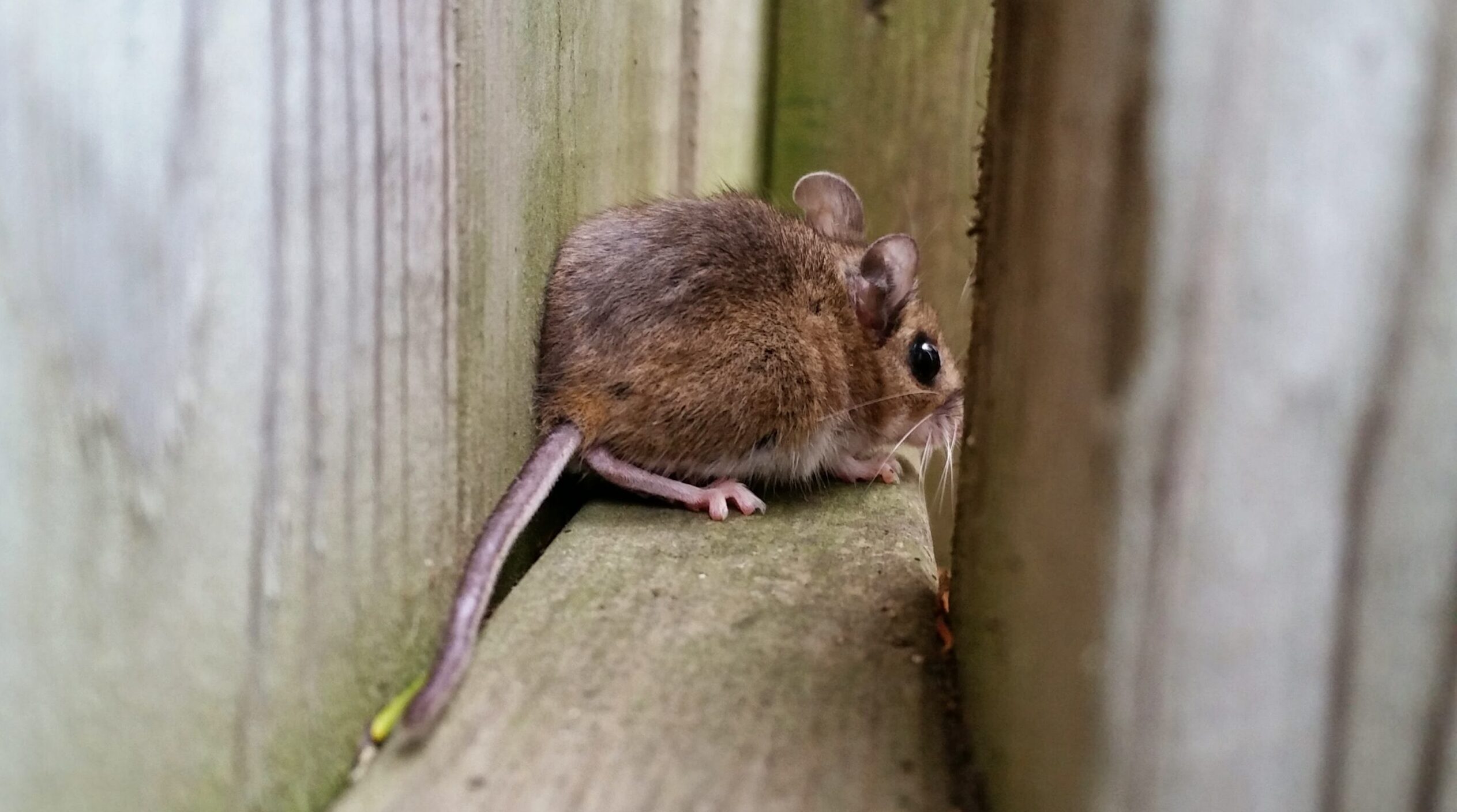
Have you ever walked past your basement window and noticed leaves, dirt, or even small movements inside the window well? You might not think much of it at first. But for a mouse, that window well is like a welcome mat to your home. It offers shelter from the wind, a hiding spot from predators, and often, a direct path into your warm basement.
If you have noticed mice scurrying around your property or heard scratching sounds in your walls, your window wells could be the culprit. These dug-out spaces around your basement windows are essential for letting light in and keeping soil away from the glass. However, without the right protection, they can quickly become a highway for unwanted guests.
At Skedaddle Humane Wildlife Control in Toronto, we know how frustrating it is to deal with mice in your house. They can be noisy, messy, and cause damage to your belongings. But understanding how they get in is the first step to keeping them out.
In this blog, we will explain break down window well mice entry, including why they are such a popular entrance for these rodents and what we do to protect your home.
How Window Wells Become Entry Points
Window wells are meant to protect your basement windows by holding back the earth and allowing for drainage. However, they also create an ideal spot for mice. These skilled climbers can jump into a window well, where they’re shielded from the wind and cold. If there’s debris, like leaves, it becomes even more inviting.
Mice can squeeze through holes as small as a dime, making tiny gaps or cracks in the window frame, foundation, or seals an easy entry point into your basement. Damaged windows are especially vulnerable.
Reasons Your Window Well May Allow Mice Inside
It is easy to assume that a window well is safe because it is below ground level. But for a mouse, it is just another part of the landscape to explore. There are several specific reasons why your window well might be more vulnerable to mice entry than you think. Here are a few things to look out for:
- Accumulated Debris: Leaves, twigs, and trash often blow into window wells. This clutter provides cover for mice, making them feel safe from hawks, owls, and neighbourhood cats. The more debris there is, the more likely a mouse will stop and investigate.
- Warmth Leaking Out: In the winter, heat from your basement can escape through the glass. This warmth gets trapped in the window well, creating a heated pocket of air. Mice are always looking for warm spots when the temperature drops, so they are naturally drawn to these areas.
- Easy Access to Frames: Once a mouse is in the well, it is right up against your window frame. If the frame is made of wood, it might be soft or rotting, which is easy for a mouse to chew through. Even vinyl or aluminum frames can have gaps where they meet the foundation.
- Lack of Drainage: If your window well doesn’t drain properly, it can become damp. While mice don’t like deep water, a little moisture combined with debris can create a humid environment that attracts insects. Mice eat insects, so this buffet can bring them right to your window.
- Shadows and Darkness: Mice are nocturnal and prefer to stay out of direct sunlight. A deep window well is often in the shadow of the house, providing a dark, secure place for them to hide during the day before they try to break in at night.
The Risks of Mice Entering Through Window Wells
When mice get into your home through a window well, they rarely come alone. One mouse usually means there are others nearby. They reproduce very quickly, so a small problem can turn into a big infestation in a short amount of time.
Once inside your basement, mice have access to the rest of your house. They can climb up the insides of walls, travel along pipes, and move through vents. They are looking for food and nesting material. This means they might get into your pantry, chew on cardboard boxes, or tear up insulation.
Mice entering through window wells pose several risks to your home and family:
- Damage to Your Home: Mice have teeth that never stop growing. To keep them short, they need to chew on things. They will gnaw on wood, drywall, and plastic. This can ruin your baseboards, furniture, and walls.
- Fire Hazards: One of the biggest dangers of mice is their tendency to chew on electrical wires. If they chew off the protective coating, it can cause short circuits and even start fires inside your walls.
- Health Concerns: Mice leave droppings and urine wherever they go. This can contaminate surfaces in your home and spread bacteria. Breathing in dust contaminated with mouse droppings can also be harmful to your health.
- Sleepless Nights: Mice are active at night. The sound of them scratching and running inside your walls or ceiling can make it very hard to get a good night’s sleep.
Why Window Well Covers Are Important
One of the best ways to stop window well mice entry is to install proper covers. A window well cover is a lid that sits on top of the well. It is usually made of metal, plastic, or polycarbonate.
A good cover does two important things. First, it stops debris from falling into the well. This removes the shelter that attracts mice in the first place. Second, and most importantly, it creates a physical barrier. If a mouse walks across your lawn, they will walk right over the cover instead of falling into the well.
Not all covers are created equal, though. Flimsy plastic covers from the hardware store can crack or break easily. Mice can sometimes chew through them or push them aside if they aren’t fastened down securely.
Custom window well covers are much more effective. They are measured to fit your specific window wells perfectly. They are often made of strong, durable materials that mice cannot chew through. A properly installed cover will have no gaps around the edges for a mouse to squeeze through. It allows light to enter your basement while keeping pests out.
How to Check Your Window Wells for Activity
You might not know you have a problem until the mice are already inside. That is why it is a good idea to check your window wells regularly. You don’t need to climb down into them, but taking a good look from the outside can tell you a lot.
At Skedaddle, we look for these signs to tell if mice might be using your window wells:
- Droppings: Look for small, dark pellets on the gravel or on the windowsill. This is a sure sign that mice have been there.
- Chew Marks: Check the window frame and the seal around the glass. If you see gnaw marks or missing pieces of rubber, mice have been trying to get in.
- Disturbed Debris: If there are leaves in the well, look to see if they have been moved around or piled up. This could look like a small nest.
- Smudge Marks: Mice have oil on their fur. If they are repeatedly climbing up and down the walls of the well or squeezing through a specific spot, they might leave dark, greasy smudge marks.
- Burrows: Sometimes mice will dig small tunnels in the dirt or gravel at the bottom of the window well. Look for small holes or mounds of dirt.
If you see any of these signs, it is time to take action and call us. Ignoring the problem will not make it go away. In fact, it will likely get worse as the weather gets colder and more mice look for a warm place to stay.
Professional Prevention with Skedaddle
Protecting your home from mice entering through window wells requires professional expertise. At Skedaddle Humane Wildlife Control, we identify vulnerabilities in your home’s exterior and provide long-term solutions. Our process includes inspecting your window wells, foundation, and other entry points to determine how mice are getting in.
Using durable screening and custom window well covers that can withstand Canadian winters, we effectively prevent entry. We also employ humane, one-way doors to ensure mice leave without being trapped inside. Once cleared, we seal all entry points and safely clean and sanitize affected areas. Every plan is tailored to meet your home’s unique needs.
Securing Your Home for the Future
Your home should be your sanctuary, not a shelter for neighbourhood mice. While window wells are a common weak spot, they don’t have to be. By understanding the risks and taking the right steps, you can keep your basement mouse-free.
Remember, seeing a mouse in your window well is a warning sign. It means your home defences are being tested. Don’t wait until you hear them in the walls to act. Securing your window wells is a proactive step that saves you time, money, and stress in the long run.
If you are worried about window well mice entry or have seen signs of mice entering through window wells, don’t hesitate to reach out. Window well covers mice can’t penetrate are your best defence.
Protect your home and your peace of mind. If you suspect you have unwanted guests, contact Skedaddle Humane Wildlife Control in Toronto today to request an estimate. We are here to help you reclaim your home.

 Loading...







