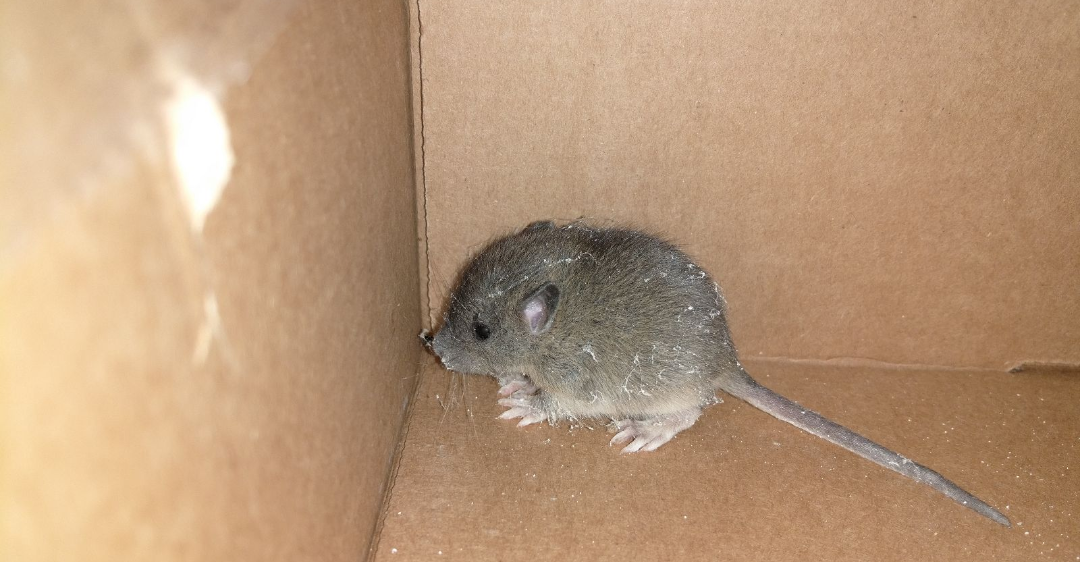
A bustling commercial kitchen might seem like an odd place for mice to gather, but these small pests are drawn to the same thing that keeps your business running smoothly: food.
Unfortunately, no matter how clean you keep your kitchen, mice are resourceful creatures that can find a way in and cause significant problems. But what are the risks of mice in commercial kitchens in Toronto, and why should this issue be at the top of your priority list?
Mice in commercial-style kitchens don’t just present a nuisance; they bring serious risks to your food, your customers, and your business. From health code violations to contamination and damage, mice can leave a trail of destruction that impacts your restaurant’s reputation and bottom line.
The good news is that by understanding these risks and taking steps to prevent mice in restaurants, you can protect your kitchen and the food you serve. Also, by using professional services such as Skedaddle for wildlife control in Toronto, you can ensure your business stays rodent-free.
Below, we’re breaking down the risks posed by mice in commercial kitchens and sharing practical steps to keep them out for good. Whether it’s your first sighting or part of an ongoing issue, knowing what’s at stake can help you take swift action.
The Health Risks of Mice in Kitchens
One of the biggest dangers of having mice in commercial kitchens is the health risk they pose. Mice often carry diseases that can spread through your kitchen, putting both staff and customers at risk. These diseases can be transmitted through mouse droppings, urine, and the bacteria they leave behind.
Some of the health risks of mice in kitchens include:
- Foodborne illnesses like salmonella, which mice can spread by contaminating food and surfaces.
- Hantavirus, linked to exposure to mouse droppings or urine.
- Allergic reactions caused by mouse hair or dander being stirred into the air.
For restaurants, these risks can lead to more than just customer complaints. A single foodborne illness traced back to your kitchen could result in lawsuits, closures, and long-term damage to your reputation. Preventing mice in restaurants isn’t just about keeping things tidy; it’s about protecting the health and safety of everyone who steps through your doors.
Contamination and Food Safety Violations
Mice are constantly searching for food, and they aren’t picky eaters. Once inside your kitchen, they’ll chew through packaging, nibble on stored ingredients, and even invade cooking spaces. Contaminated food has to be discarded immediately, leading to increased costs for replacements.
Worse yet, kitchens with mice risk falling foul of food safety inspections. Health code violations caused by mice in commercial-style kitchens can result in:
- Heavy fines.
- Temporary or permanent closures.
- A tarnished reputation that drives diners away.
For a business that thrives on its name and customer trust, this kind of damage is hard to recover from. That’s why tackling the problem early is so important.
Physical Damage to Your Kitchen
Beyond the immediate health threats, mice can cause significant structural damage in your kitchen. These rodents are natural nibblers and will chew through wiring, wood, and even plastic. This seemingly small behaviour can lead to large-scale issues such as:
- Electrical fires caused by damaged wiring.
- Broken kitchen appliances or equipment.
- Chewed-up walls or cabinets that leave your kitchen looking unprofessional.
Repairing these damages can cost time and money you likely didn’t budget for. Mice in commercial-style kitchens might seem small, but their impact can be anything but.
Loss of Reputation
A rodent sighting in your restaurant could be disastrous for your reputation. Imagine a customer spotting a mouse in the dining area or walking into the kitchen.
Word spreads fast, particularly with the power of social media, and it could take years to rebuild your restaurant’s image. Preventing mice in restaurants isn’t just about staying compliant with health regulations; it’s also about maintaining trust with your customers.
Tell-tale Signs of Mice in Your Kitchen
Spotting mice in their early stages can save you a lot of headaches. Here’s what to look for in your kitchen:
- Droppings: Small, dark pellets often found near food sources or hidden corners.
- Gnawed Items: Chewed food packaging, baseboards, or wires.
- Tracks or Smears: Greasy smudge marks left along walls or floors where mice frequently travel.
- Strange Noises: Scurrying or scratching sounds, particularly at night.
If you see these signs, you’ll want to act fast before the problem grows.
How to Prevent Mice in Restaurants
The best way to deal with mice in commercial kitchens is to make sure they never get inside in the first place. Prevention is always cheaper and easier than dealing with an infestation. Here are some practical steps:
- Seal Entry Points: Mice can squeeze through holes as small as a dime. Inspect your walls, floors, and windows, and seal up any gaps or cracks. Pay close attention to areas where pipes or wires enter the building.
- Store Food Properly: Keep all food stored in airtight, rodent-proof containers. Open bags or loose materials are an open invitation for mice.
- Clean Thoroughly: Even tiny crumbs can attract rodents. Make daily cleaning of all surfaces, storage areas, and corners a priority.
- Take Out the Garbage: Use covered bins and regularly remove trash from the kitchen. Overflowing or easy-to-access garbage bins can quickly draw mice.
- Organize Storage Areas: Keep boxes and equipment off the floor and away from walls. This eliminates hiding places and makes cleaning easier.
While these steps can help, mice are incredibly persistent. Professional help is often necessary to ensure your kitchen stays mouse-free.
Why Professional Help is Essential
If you’re dealing with mice in commercial kitchens, professional services are the safest and most effective route. At Skedaddle, we don’t just remove the mice you see; we address the root of the problem to ensure they don’t come back.
Our one-way door systems offer a humane, safe way to guide mice out of your kitchen while stopping them from re-entering. This method is both effective and long-lasting. Plus, we make sure to inspect your space for vulnerabilities, offering solutions that keep your kitchen mouse-free going forward.
Long-Term Risks of Ignoring the Problem
Not dealing with a mouse problem quickly can lead to even more serious consequences, such as:
- Widespread infestations as mice breed and spread throughout your entire facility.
- Loss of clients if your reputation takes a hit from a known pest problem.
- Escalating costs as damage accumulates over time.
The longer mice remain in your kitchen, the harder they are to remove. Acting fast with the help of trusted wildlife professionals can save you a lot of stress later on.
Say Goodbye to Mice for Good
Your kitchen should be a place for culinary creativity, not a haven for mice. By understanding the risks of mice in kitchens and taking proactive steps, you can protect your business from the health, safety, and financial threats these pests bring. For full confidence that the problem is handled correctly, trust the experts at Skedaddle Humane Wildlife Control in Toronto.
Our proven methods, like one-way doors, make sure mice leave and stay gone. Request an estimate today and take the first step to safeguarding your kitchen. Keeping pests out means keeping business running smoothly.

 Loading...

