You may not expect a problem until it shows up in plain sight. A sound after hours. A customer complaint. A health inspection that doesn’t go as planned. When animals enter a commercial space, the impact can spread fast.
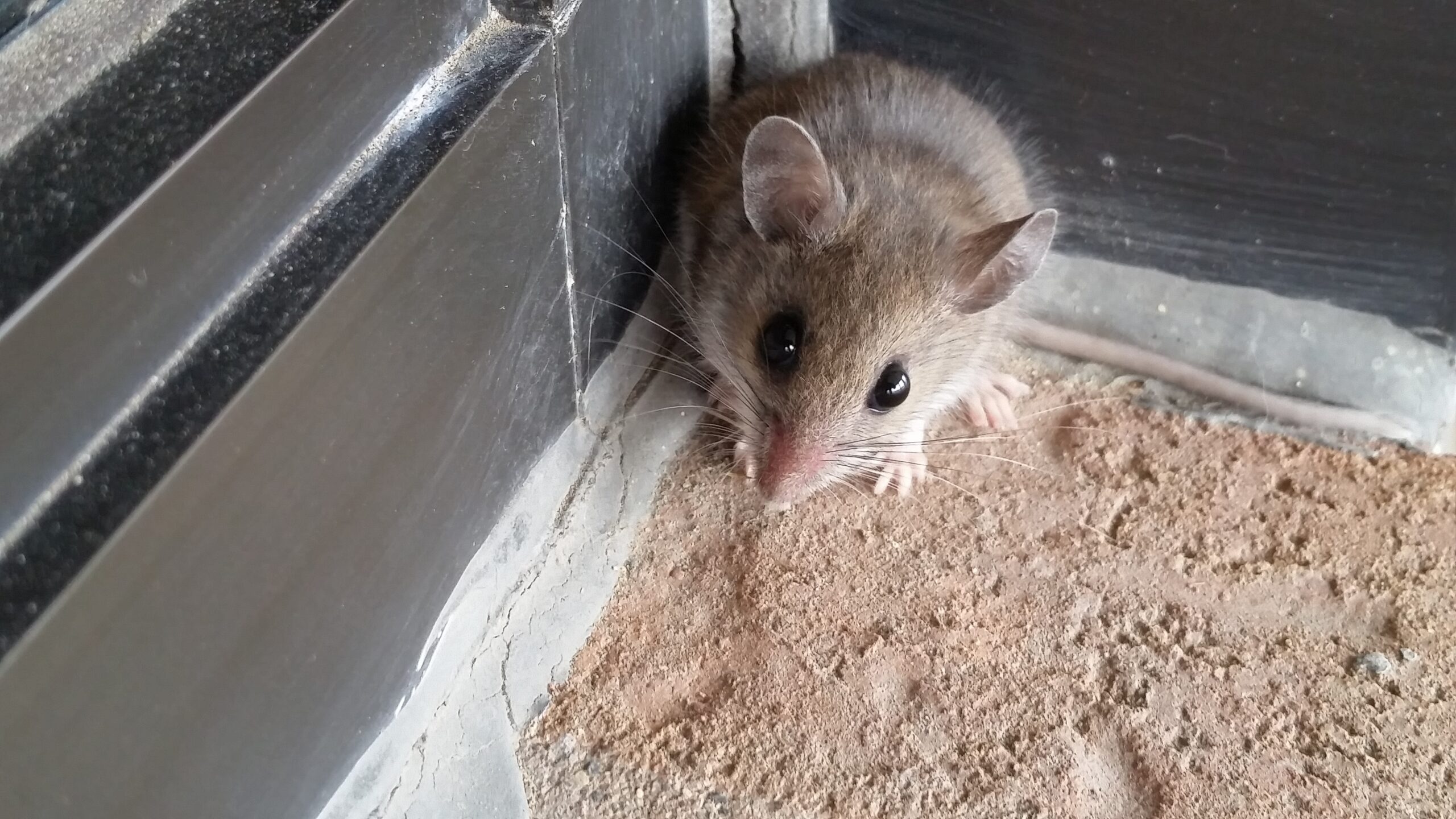
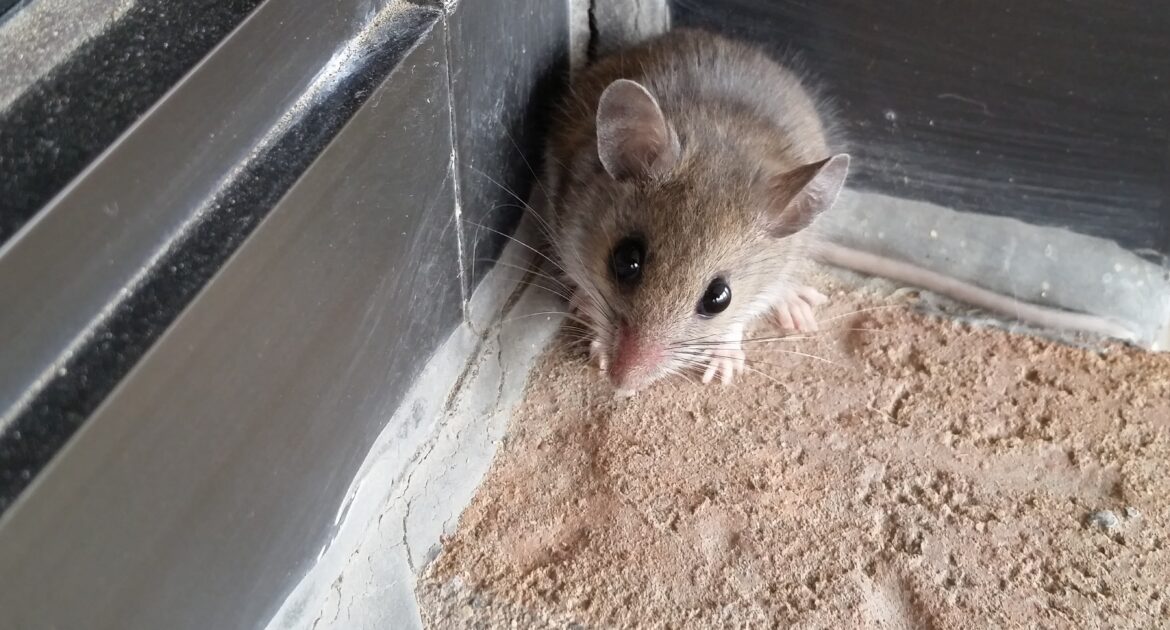
You might wonder, “Is there mice in your business?” It’s a fair question. Restaurants, warehouses, offices, and retail spaces all provide warmth, food access, and quiet areas. Once activity begins, it rarely stays small for long.
Commercial mice control is about more than removal. It’s about protecting operations, reputation, and compliance. That’s where Skedaddle Humane Wildlife Control in Toronto comes in. In this blog, you’ll see how our commercial services are designed to stop activity, protect your building, and support long-term business rodent prevention.
Why Commercial Spaces Face Higher Risk
You deal with steady foot traffic, deliveries, waste, and storage areas. These daily operations create opportunities animals can exploit if even one access point is left open.
You may face added pressure because:
- Health regulations require fast action
- Customers and staff notice issues quickly
- Damage can interrupt daily operations
Mice infestation commercial services are not just about solving today’s issue. They are about keeping your business running without repeat disruptions.
Thorough Inspections Identify Hidden Activity Early
You can’t solve what you can’t see. That’s why every commercial mice control plan starts with a detailed inspection. Our team examines both interior and exterior areas to understand how mice are entering, moving, and nesting. Small gaps matter. Even dime-sized openings along foundations, utility lines, vents, and roof edges can allow ongoing access if they are missed.
During inspections, we look for:
- Entry Points that are Easy to Overlook: Small gaps often form around pipes, vents, door frames, and loading areas. These openings may not stand out during daily operations, especially in busy commercial spaces. Over time, mice learn to use these weak spots again and again. If entry points remain open, activity can continue without being noticed. Finding and documenting these areas early helps stop the issue from growing.
- Travel Paths Inside the Structure: Mice usually follow the same routes as they move through a building. These paths often run along walls, behind shelving, or near equipment where foot traffic is low. Over time, repeated movement can spread activity into new areas of the business. Identifying these paths helps guide control efforts in a focused way. This prevents activity from spreading into customer-facing or sensitive zones.
- Shelter and Nesting Zones: Quiet areas like storage rooms, ceiling spaces, and wall cavities offer protection and warmth. These spaces allow mice to stay hidden during business hours. If nesting zones are not identified, populations can grow without warning. Finding these areas early helps reduce long-term risk. It also allows control and prevention steps to happen in the right order.
This inspection stage gives you clarity and ensures no part of the building is ignored.
Customized Plans That Match Your Industry Needs
No two businesses operate the same way. A warehouse faces different risks than a restaurant or medical facility. That’s why a one-size approach doesn’t work. Skedaddle creates customized plans built around how your business functions. These plans consider layout, operating hours, regulations, and risk level. The goal is to support business rodent prevention without disrupting daily work.
A customized plan helps by:
- Aligning with Industry Regulations: Different industries have different health and safety standards. Food service, healthcare, and retail spaces all face strict inspection requirements. A customized plan keeps those rules in mind from the start. This helps reduce the risk of violations or fines. It also supports a safer environment for staff and customers.
- Targeting the Right Areas First: Not all areas of a business carry the same level of risk. Storage zones, delivery points, and waste areas often need attention before other spaces. A focused plan helps address high-risk zones early. This limits spread into offices, sales floors, or customer areas. Prioritizing correctly saves time and reduces disruption.
- Supporting Long-Term Prevention: A good plan doesn’t just address today’s issue. It looks ahead to seasonal changes and ongoing risk factors. Prevention steps are built into the process from the beginning. This helps lower the chance of repeat activity later. Long-term thinking protects the business beyond the initial service.
You get a clear path forward that fits your space and your industry.
Strategic Treatments Placed for Commercial Environments
You need control methods that work without interfering with business operations. Strategic placement matters. Our commercial mice control services use proven methods designed for professional environments. Placement is based on inspection findings, building layout, and activity patterns. Everything is done with safety, discretion, and effectiveness in mind.
Strategic treatment focuses on:
- Targeting Activity Zones: Treatments are placed where mice are most active, not at random. These locations are chosen based on travel paths and shelter areas identified during inspection. Focused placement helps reduce activity faster. It also avoids unnecessary disruption in low-risk areas. This targeted approach improves results while keeping operations running smoothly.
- Protecting Staff and Customers: Commercial spaces must remain safe and accessible at all times. Treatments are positioned with care to avoid contact with people or equipment. This helps maintain a clean and professional environment. Safety is always a priority in active workplaces. Thoughtful placement supports both control and daily operations.
- Reducing Ongoing Pressure: Consistent treatment helps break activity cycles before they grow larger. Without control, small issues can turn into ongoing problems. Strategic placement lowers pressure on the building over time. This makes other prevention steps more effective. It also helps reduce the chance of sudden flare-ups.
This step works alongside exclusion and monitoring to support full control, not short-term relief.
Exclusion Services That Close the Door for Good
Removal alone is never enough. If access stays open, activity returns. Exclusion services are a core part of Skedaddle’s commercial approach. Once mice exit through one-way doors, entry points are reinforced using durable materials designed for commercial buildings.
Exclusion focuses on:
- Sealing Structural Gaps: Foundations, vents, and utility lines are common access points. These areas are reinforced only after activity has stopped. Sealing too early can cause problems inside the structure. Done properly, sealing blocks future access without trapping mice. This step helps reset the building’s integrity.
- Using Materials Built to Last: Commercial buildings face constant wear from weather and use. Reinforcements must stand up to these conditions. Materials are selected for strength and durability. This reduces the need for repeat repairs. Strong materials help keep the building protected long-term.
- Preventing Repeat Entry: Once access points are closed, the building no longer works as shelter. Mice are forced to move on and stay out. This lowers the risk of future issues returning in the same locations. Prevention helps protect operations year after year. It also reduces long-term maintenance concerns.
This step is what turns control into prevention. It protects your structure long after service ends.
Ongoing Monitoring and Reporting Support Compliance
Commercial spaces need proof, not guesses. Monitoring and reporting provide accountability and peace of mind. Skedaddle offers ongoing service options that include regular checks and clear documentation. This helps ensure activity stays controlled and provides records when inspections or audits occur.
Monitoring and reporting help by:
- Tracking Changes Over Time: Regular checks help identify patterns early. Small changes are easier to manage than large problems. Tracking activity allows adjustments before issues grow. This keeps control efforts effective. It also supports better long-term planning.
- Supporting Regulatory Requirements: Many businesses must show proof of proactive prevention. Clear records help demonstrate responsible management. Documentation supports health and safety compliance. This can be important during inspections. It also protects your reputation.
- Reducing Surprise Issues: Ongoing monitoring lowers the risk of unexpected problems. Issues are identified before they affect operations. This helps avoid emergency situations. Regular service creates stability. Businesses benefit from fewer disruptions.
This long-term support helps keep your business protected year-round.
Business Rodent Prevention with Our Professional Wildlife Team
You don’t need to manage this on your own. Business rodent prevention works best when handled by trained teams who understand commercial spaces.
Skedaddle Humane Wildlife Control focuses on calm removal, proper exclusion, and long-term protection. One-way doors allow animals to leave naturally while preventing re-entry. Reinforcements are completed only once activity has stopped.
This structured approach protects your building, supports compliance, and reduces repeat issues. It’s designed for businesses that need reliable results without disruption.
Protect Your Business Before the Problem Grows
Commercial issues don’t stay small for long. If you’re concerned about activity or want to prevent future risk, early action matters.
Commercial mice control protects your operations, reputation, and peace of mind. Skedaddle Humane Wildlife Control in Toronto provides professional solutions designed for real business environments.
You can request an estimate to learn more about mice infestation commercial services and how business rodent prevention works when it’s done the right way. Acting early helps keep your business running smoothly.

 Loading...