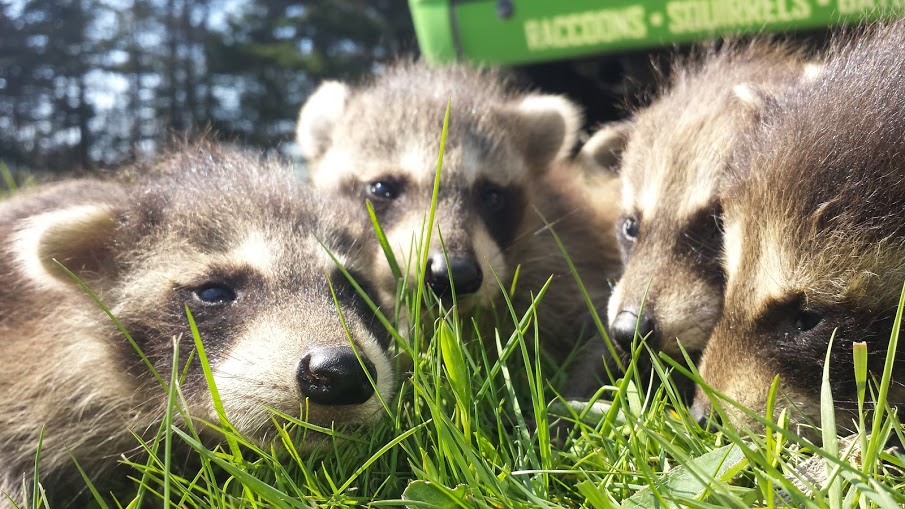
You may notice garbage scattered across the alley, torn roof edges, or strange noises above your ceiling late at night. At first, it feels like a small nuisance. But when wildlife adapts to city life, the damage can grow fast. Raccoon damage in urban areas has become one of the most common problems homeowners face in dense neighbourhoods.
You are not alone if this feels overwhelming. City raccoon problems affect homes, businesses, and shared spaces every year. These raccoons are smart, strong, and comfortable around people. When they find food and shelter close together, they stay. That’s when destruction begins and why professional urban raccoon control matters.
In this blog, you’ll learn how wildlife causes damage across city homes, what that destruction looks like, and why early professional support helps limit long-term issues. Let’s walk through the most common types of damage one by one.
1. Roof and Attic Entry Damage
You may not realize how strong urban wildlife can be until you see roof damage up close. Rooflines are often the first target because they offer warmth, height, and quiet shelter. Once access is gained, damage spreads quickly.
Common roof and attic destruction includes:
- Torn Shingles and Roof Vents: Shingles, vents, and flashing can be pulled back or ripped open. These gaps allow weather and moisture to enter the home. Over time, this leads to leaks and rot.
- Damaged Soffits and Fascia: These thin panels are easy to break or pry open. Once damaged, they leave wide openings that invite repeat entry.
- Attic Access Points Created from Above: Openings made from the roof are often hidden from view. This allows activity to continue without being noticed right away.
Once inside, insulation and wooden structures are disturbed. This is one of the most common forms of raccoon damage in urban areas because city roofs are easy to access from trees, fences, and garages.
2. Insulation Destruction and Energy Loss
You rely on attic insulation to keep your home warm in winter and cool in summer. When wildlife enters that space, insulation is often the first thing damaged. Nesting behaviour breaks it down quickly and changes how your home holds heat and air.
Insulation damage causes:
- Heat Loss During Colder Months: Torn or packed-down insulation lets warm air escape through the attic. This makes it harder to keep living spaces comfortable. Your heating system has to run longer just to maintain normal temperatures.
- Higher Energy Bills Year-Round: When insulation no longer works properly, energy escapes in every season. In winter, heat is lost. In summer, cool air rises and disappears, causing cooling systems to work harder and longer.
- Uneven Temperatures Inside the Home: Some rooms may feel colder while others stay warm. These changes often happen without a clear reason. The problem usually traces back to damaged insulation above the ceiling.
This type of damage doesn’t stop on its own. Once insulation is disturbed, the space becomes less effective and more inviting for future activity. City raccoon problems often begin quietly but become costly over time.
3. Structural Damage Inside the Home
You may assume damage stops at insulation or wiring, but it often goes deeper. When wildlife stays inside a home, the structure itself can slowly be affected. Over time, pressure, movement, and nesting can weaken important building materials.
Structural issues may include:
- Chewed or Broken Wood Supports: Wooden beams and rafters can be damaged as raccoons move and nest. Chewing and constant contact weaken the wood over time. This can reduce the strength that supports the roof and upper floors.
- Holes in Walls or Ceilings: Repeated movement can wear down drywall and ceiling panels. Small openings can grow larger as activity continues. These holes may allow noise, air loss, and debris to spread into living spaces.
- Sagging or Soft Spots: Moisture and long-term pressure can cause materials to bend or sink. Ceilings may feel soft, and floors above may lose stability. These changes often happen slowly, making them easy to miss at first.
This type of destruction changes how your home handles weight and daily stress. It’s another reason urban raccoon control should be handled early and professionally, before small issues turn into major repairs.
4. Garbage and Outdoor Property Damage
You may first notice problems outside before anything happens indoors. Urban wildlife often starts by searching for easy food around homes. Garbage areas, storage spaces, and quiet corners become the first places they explore.
Trash bins may be tipped over or torn open, leaving waste scattered across the yard. Sheds and garages can also show signs of damage as doors, vents, or weak corners are pushed or pulled apart. Over time, fences or screens may bend or break as the same paths are used again and again.
These outdoor signs are early warnings, not small problems. When food is easy to reach, raccoons stay nearby and grow more comfortable around the property. This is how city raccoon problems often move from the yard toward the home if the situation is not addressed early.
5. Contamination and Air Quality Concerns
You may notice strong smells or changes in air quality once wildlife activity begins. Waste buildup affects more than just surfaces—it can spread through hidden spaces inside the home. These changes often grow worse over time if activity continues.
Contamination issues include:
- Soaked Insulation and Wood: Waste and moisture can soak into insulation and wooden surfaces. This causes materials to break down and lose strength. Damaged insulation also becomes less effective at controlling temperature.
- Lingering Odours: Strong smells can settle into walls, ceilings, and floors. These odours often travel through vents and air gaps. Even after activity stops, smells may remain without proper cleanup.
- Reduced Indoor Air Quality: Tiny particles can move through the home’s airflow system. This may affect comfort and breathing, especially in closed spaces. Poor air quality can make the home feel unhealthy and unpleasant.
These issues don’t fade on their own. Once contamination begins, cleanup and repairs are often needed after removal is complete to fully restore the space.
Why City Environments Increase Risk
You may wonder why these problems show up more often in cities. Urban areas offer steady food, warmth, and shelter all year long. Homes sit close together, and green spaces blend into buildings, creating easy paths for wildlife to move around.
Once an area feels safe, activity tends to repeat. Quiet attic spaces, sheltered rooflines, and nearby food sources make homes attractive season after season. Without changes to access, city raccoon problems often return year after year.
How Professional Urban Raccoon Control Helps
You don’t need to manage this on your own. Our professional wildlife teams focus on calm, structured solutions that protect the home without causing panic or damage. The goal is to guide raccoons out safely and stop future access.
This approach includes careful inspection of rooflines, vents, and entry points, followed by the use of one-way doors that allow raccoons to leave but not return. Once activity has ended, openings are reinforced so the space no longer functions as shelter. This is how long-term urban raccoon control is achieved.
Preventing Repeat Damage Long-Term
You benefit most when prevention is part of the plan, not an afterthought. Once access points are secured, the home becomes far less appealing as a shelter option. Wildlife naturally moves on when entry is no longer available.
Our professional prevention focuses on strengthening weak areas, protecting seasonal entry points, and reducing future risk year after year. This approach limits repeat damage and helps protect your home, comfort, and investment over time.
Protect Your Home From Growing Damage
Raccoon damage in urban areas often starts small but grows fast when left unchecked. From roof openings to insulation loss, the destruction affects comfort, safety, and structure.
Skedaddle Humane Wildlife Control in Toronto provides safe, humane solutions for city raccoon problems using proven urban raccoon control methods. You can request an estimate to learn more about protecting your home and stopping damage before it spreads.
Taking action early keeps problems contained and helps your home stay secure long-term.

 Loading...







