You should absolutely get a wildlife inspection before starting a renovation. It’s one of the most important steps homeowners skip, and it’s also one of the most costly mistakes you can make. Wildlife living inside your home doesn’t disappear when construction starts. In fact, renovation work can make the problem much worse.
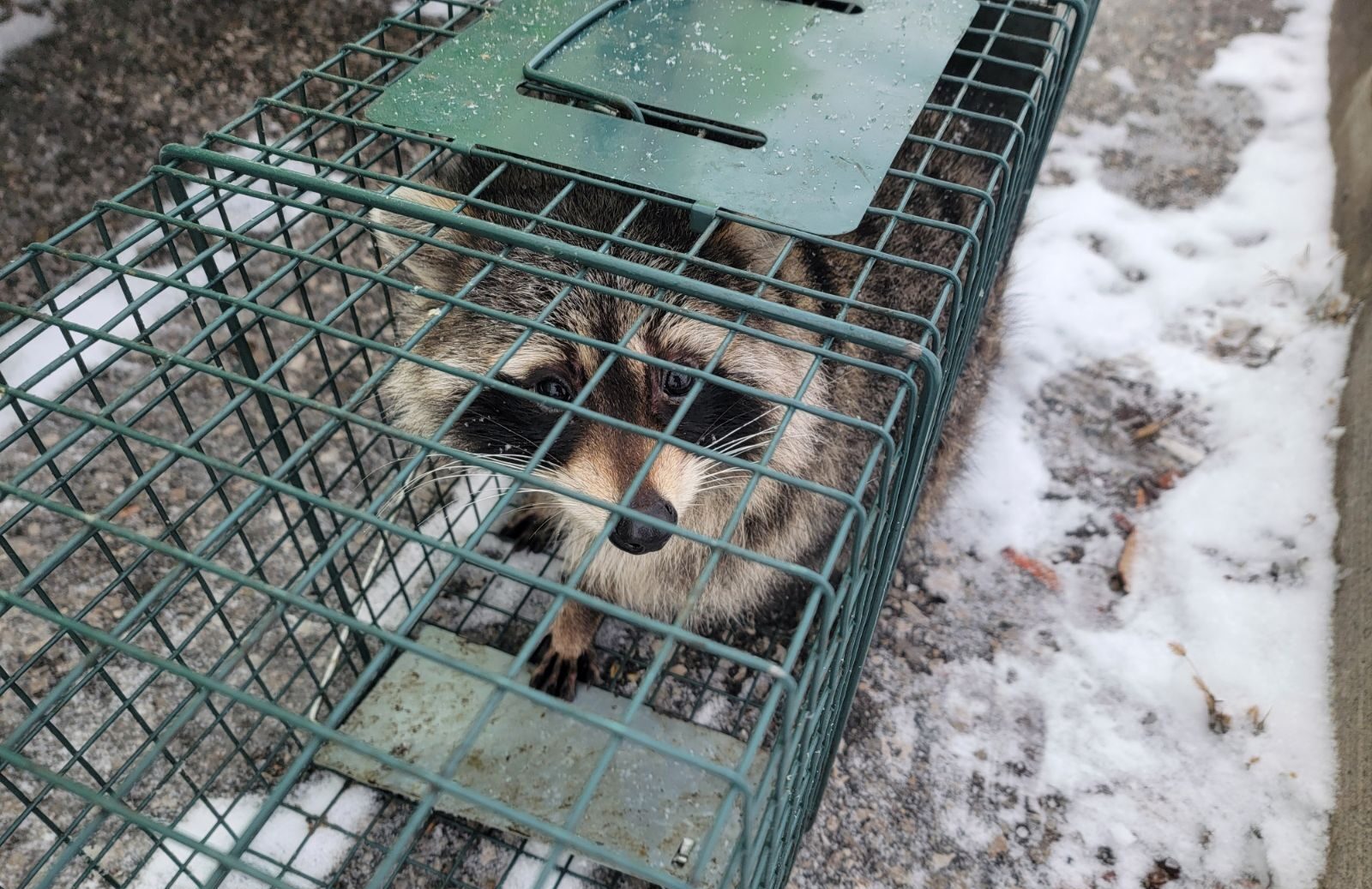
You might not even know animals are there. Raccoons, squirrels, and birds often nest inside attics, walls, and roof spaces without making much noise. By the time a renovation starts, whether it’s a roof replacement, an addition, or insulation work, those animals can get sealed inside your home permanently. That’s dangerous for the animals, dangerous for your contractors, and expensive for you.
At Skedaddle Humane Wildlife Control in Toronto, we’ve seen this happen more times than we can count. In this blog, we walk you through exactly why a wildlife inspection needs to happen before your renovation gets started and what can go wrong when it doesn’t.
What Questions Should I Ask the Inspector?
The most important questions to ask are: Are there any animals currently living in my home? Where are they getting in? What damage have they caused? And what needs to happen before my renovation can safely begin?
A good wildlife inspector will walk your entire property, not just the obvious spots. They’ll check the roofline, soffits, vents, attic, foundation, and any gaps around windows or doors. They’re looking for entry points, signs of nesting, droppings, chewed materials, and structural damage caused by wildlife activity. The goal is to get the full picture before a single wall comes down or a single shingle gets pulled off.
You should also ask about the inspection process itself. How long does it take? What happens if animals are found? What does removal look like, and how do they make sure animals can’t get back in after the work is done? Our team at Skedaddle is happy to answer all of these questions before we start. Knowing what to expect makes the whole process easier for everyone involved.
Preventing Trapped Animals During Your Renovation
Starting a renovation without a wildlife inspection can put animals and people in real danger. Here’s what can happen when wildlife is present and construction begins:
- Sealing Animals Alive: Tearing off an old roof or closing up walls without checking for wildlife first can trap animals inside your home. Raccoons, squirrels, and birds often nest in attics and wall cavities, and once sealed in, they have no way out. A trapped animal will cause serious damage trying to escape and the situation becomes an emergency fast.
- Aggressive Encounters on the Job Site: When animals feel cornered or threatened, they react. A raccoon protecting her young or a squirrel trapped in a wall space can become aggressive toward contractors. This can stop your renovation in its tracks, delay your project, and put workers at risk. It’s a situation that’s completely avoidable with an inspection done ahead of time.
- Why Professionals Need to Go First: Our team at Skedaddle inspects your home before construction begins to make sure all wildlife is safely out of the space. We identify every entry point and make sure nothing is living inside before your contractors start their work. Getting us in first protects your renovation, your workers, and the animals themselves.
Uncovering Hidden Property Damage
Wildlife doesn’t just take up space. They leave damage behind that’s easy to miss until it becomes a serious problem. Here’s what an inspection can uncover before your renovation covers it up for good:
- Chewed Wires: Squirrels and raccoons chew through electrical wiring inside attics and walls. This creates a hidden fire risk that can be sealed behind new drywall or insulation without anyone knowing it’s there. Finding and fixing chewed wires before renovation work begins is critical for the safety of your home.
- Ruined Insulation: Wildlife droppings, urine, and nesting materials soak into attic insulation and break it down over time. Contaminated insulation doesn’t just smell bad, it stops doing its job, which drives up your heating and cooling costs. Installing new insulation on top of damaged material is a waste of money and won’t solve the underlying problem.
- Structural Wood Rot: Animals get into your home through gaps in the roof and exterior. Water follows those same gaps and soaks into the wood framing around entry points. By the time a renovation starts, that wood may already be soft, rotted, and structurally compromised. An inspection catches this before it becomes part of your renovation budget surprise.
Protecting Your Financial Investment
A renovation is a big investment, and the last thing you want is to redo work that’s already been finished. When wildlife is found after construction is underway, or worse, after it’s done, the cost to fix the problem goes up fast. Walls have to come down, new materials get wasted, and timelines stretch out. What could have been solved with a quick inspection before work started turns into a much bigger expense.
One of the most common problems we see is what we call the revolving door. A renovation seals up one visible entry point but leaves others open. Wildlife that was pushed out of one spot simply finds another way back in, sometimes before the paint has even dried. Without a full inspection and a complete exclusion plan, you’re not really solving the problem. You’re just moving it around.
The smartest way to protect your renovation investment is to start with a clean slate. That means knowing exactly what’s in your home before construction begins, sealing every entry point properly, and making sure there’s nothing living inside your walls when the work gets done. Our team helps homeowners do exactly that, so the money you spend on your renovation goes toward the home you want, not toward fixing problems that could have been caught earlier.
Renovation Types That Need an Inspection First
Some renovation projects carry more risk than others when it comes to wildlife. Here’s where an inspection is especially important before work begins:
- Roof Replacements: The roofline is one of the most common entry points for raccoons, squirrels, and birds. Pulling off old shingles without checking what’s underneath can expose nests and displace animals mid-project. An inspection before roof work starts prevents that from happening.
- Home Additions: Adding onto your home means opening up walls and extending the structure. Any wildlife already living in your attic or walls can move into the new space during construction and be sealed in once the work is complete.
- Demolition Work: Tearing down walls, ceilings, or outbuildings is the highest-risk renovation type for wildlife encounters. Animals living in those spaces have nowhere to go when demolition starts, which creates dangerous situations for workers and the animals alike.
- Insulation Work: Attic insulation work goes hand in hand with wildlife activity. If animals have been living in your attic, the insulation is likely contaminated. Replacing it without removing the animals and sealing entry points first means the same problem will happen again.
- Garden Suites: Building a garden suite or laneway house involves significant excavation and construction close to the ground. This can disturb wildlife living under decks, porches, or in the surrounding yard and push them toward your main home if there are gaps to get in.
Wildlife Issues in Toronto: What to Know
Toronto is one of the most wildlife-dense cities in North America. The city’s ravine system, mature trees, and older housing stock give raccoons, squirrels, and birds plenty of places to live and plenty of ways to get into homes. Older homes especially tend to have more gaps, worn soffits, and aging rooflines that make it easy for wildlife to move in without being noticed.
Raccoons in Toronto are bold and resourceful. They’ve adapted well to urban life and aren’t scared off by construction noise or activity. In fact, renovation disruption can push a raccoon deeper into your home rather than out of it. Squirrels are fast movers and can relocate from one part of your attic to another the moment they sense something changing nearby.
Seasonal timing matters too. Spring and fall are peak seasons for wildlife activity in Toronto, which also happen to be popular times for renovation projects. If your renovation is scheduled during these windows, a wildlife inspection beforehand is even more important. Animals are actively nesting or looking for winter shelter, which means the chances of finding them inside your home are higher than at any other time of year.
Wildlife Removal and Prevention with Skedaddle
When our team inspects your home before a renovation, we’re not just looking for animals, we’re looking at the whole picture. We check every entry point, assess any damage that’s already been done, and make sure we have a clear plan before your contractors show up. The goal is to make sure your renovation starts on solid ground with no surprises hiding inside your walls.
We use one-way door systems that allow wildlife to leave your home on their own without being able to get back in. It’s a humane approach that doesn’t involve trapping or relocating animals. Once the animals are out, we seal every entry point so they can’t return, before, during, or after your renovation is complete.
Prevention is the final piece. After removal and exclusion work is done, we make sure the conditions that attracted wildlife in the first place are addressed. That means your renovation can move forward without the risk of the same problem coming back. We handle all of it so your contractors can focus on the work they’re there to do.
Frequently Asked Questions
How long does a wildlife inspection take?
Most inspections take one to two hours depending on the size of the home. Our team checks the full exterior and interior, including the attic, roofline, soffits, foundation, and any visible entry points.
Can I start my renovation while wildlife removal is in progress?
It depends on where the animals are and what work is being done. In most cases, we recommend waiting until removal and exclusion are complete before starting construction in affected areas. Your contractor and our team can coordinate to minimize delays.
What happens if animals are found inside the walls during construction?
Stop work in that area and call us right away. Do not attempt to handle the situation yourself. We'll assess what's there and put a plan in place to safely resolve it before work continues.
Do I need a wildlife inspection if my home is newer?
Newer homes aren't immune to wildlife problems. Construction gaps, rooftop vents, and utility openings are all common entry points regardless of a home's age. An inspection is a good idea any time significant work is being planned.
How much does a wildlife inspection cost compared to the cost of not getting one?
An inspection is a small upfront cost compared to what it prevents. Tearing out newly finished walls, replacing contaminated insulation, or repairing chewed wiring after the fact can cost thousands of dollars. All of which could have been avoided.
Will my contractor find wildlife if they're there?
Not necessarily. Contractors aren't trained to look for wildlife signs the way our team is. They may notice obvious damage, but they're unlikely to spot subtle entry points, nesting material in hidden spaces, or early signs of infestation.
Don’t Let Wildlife Derail Your Renovation
A wildlife inspection before your renovation isn’t an extra step; it’s the right first step. Finding animals, damage, or entry points after construction has started costs far more time and money than dealing with it upfront. The problems don’t go away on their own. They get sealed in, covered up, and turned into much bigger headaches down the road.
Whether you’re planning a roof replacement, an addition, insulation work, or a garden suite, knowing what’s inside your home before work begins protects your investment. It keeps your project on schedule and saves you from costly surprises that could have been caught early. Your renovation should go smoothly, and a quick inspection before you start makes that a lot more likely.
At Skedaddle Humane Wildlife Control in Toronto, we’re ready to help. Our team will inspect your property, find any issues, and make sure everything is clear before your contractors get started. Contact us today to request an estimate and get your renovation started the right way.

 Loading...