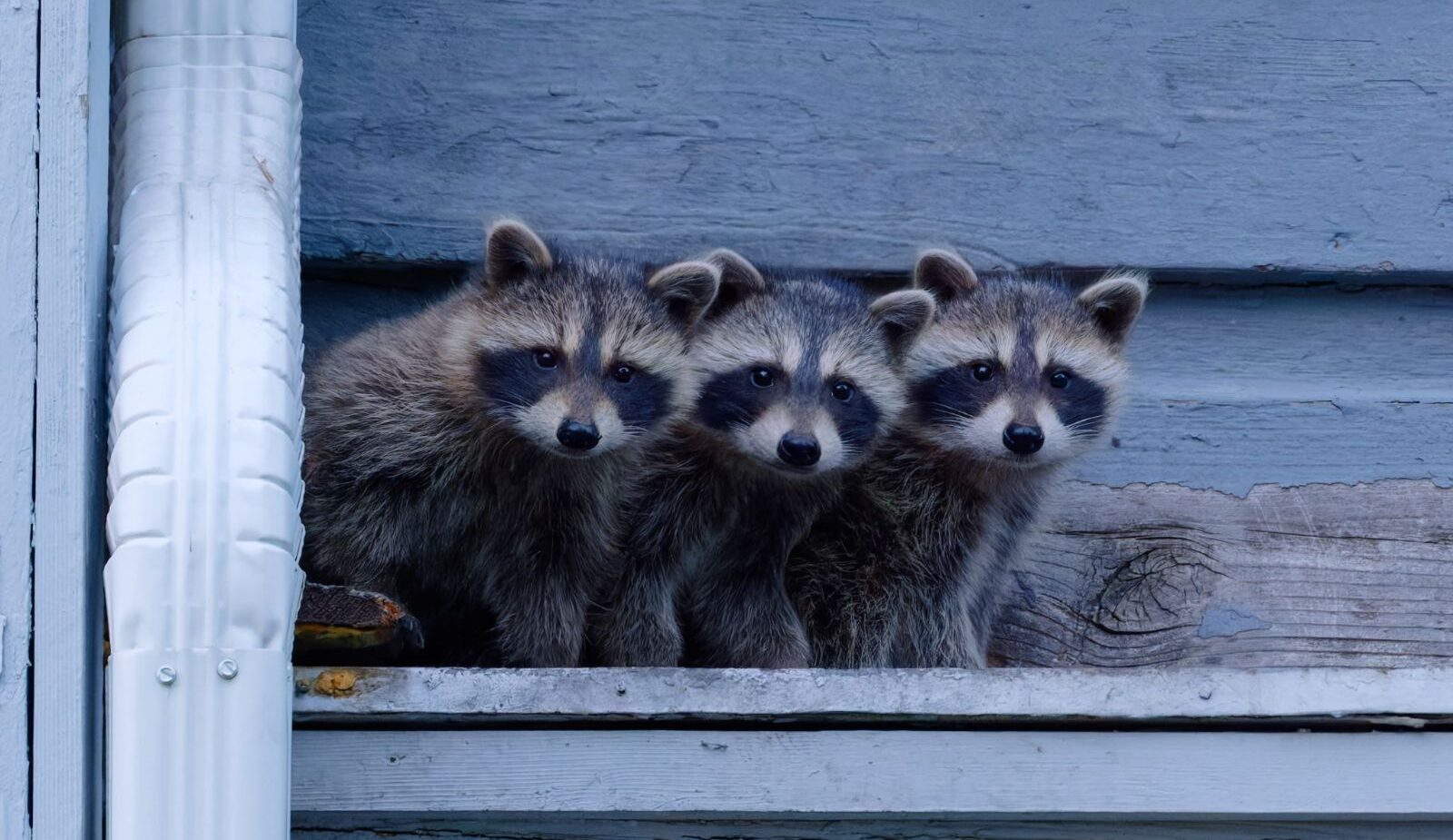
You may think a large, newer, well-maintained home would be safe from wildlife problems. However, the size and design of many Markham executive homes can create more possible entry points. Complex rooflines, dormers, soffit corners, vents, chimneys, and attached garages all add joints that may contain hidden weaknesses.
You do not need a damaged or poorly maintained house for an animal to get inside. One loose vent, narrow construction gap, or weak soffit panel may be enough. A home may look secure from the driveway while still having an opening high above the ground.
Larger houses also tend to have more attic space, wall cavities, garage ceilings, and quiet storage areas. These spaces can provide warmth and protection for raccoons, squirrels, bats, birds, or mice. Once they find a reliable opening, they may return or stay inside to raise their young.
At Skedaddle Humane Wildlife Control in Markham, we look at the full building instead of judging a property by its age or appearance. In this blog, we explain how rooflines, dormers, soffits, and attached garages increase the risk of entry. We also cover warning signs and how professional removal and prevention protect your home.
Why Do Wildlife Get Into Newer or Well-Maintained Homes?
Wildlife gets into newer or well-maintained homes because these buildings still provide warmth, shelter, and quiet spaces. The animals only need one suitable opening to reach an attic, wall, garage, or roof space. A clean exterior does not mean every structural joint is secure.
Some parts of a home are built to manage water or airflow rather than stop determined animals. Roof vents, soffits, flashing, and siding may be made from lightweight materials. A raccoon may pull at a loose panel, while a squirrel can chew through wood or softer metal.
Other species do not need to create a new hole. Bats and mice can use narrow openings that already exist around vents, roof edges, or utility lines. A professional inspection can locate these gaps before the problem grows.
Complex Rooflines Create More Points of Weakness
A complex roofline may make your home look impressive, but every angle creates another joint. These connections must remain secure through changing temperatures, wind, rain, snow, and freezing conditions.
- Roof Valleys: Valleys form where two sloped roof sections meet. Water, leaves, snow, and ice may collect near these low points and weaken nearby materials. Small gaps can then provide access below the shingles.
- Roof-to-Wall Junctions: Some roof sections end against an upper wall. Flashing and trim must seal the connection while directing water away from the house. A lifted or loose edge may become an entry point.
- Different Roof Heights: Executive homes often include porches, garages, and upper rooms at several levels. A lower roof can help raccoons or squirrels reach a higher section. This gives them access to more vents, edges, and corners.
- Chimneys and Vents: Larger homes may have several chimneys, exhaust outlets, and roof vents. Every feature creates another opening that must be protected without blocking airflow. Lightweight covers may bend, crack, or pull away.
You may not be able to see these areas clearly from the ground. One part of the roof can also hide another section from view. Our professionals inspect the full roofline without asking you to climb or search for openings.
Dormers and Intersecting Soffits Hide Small Openings
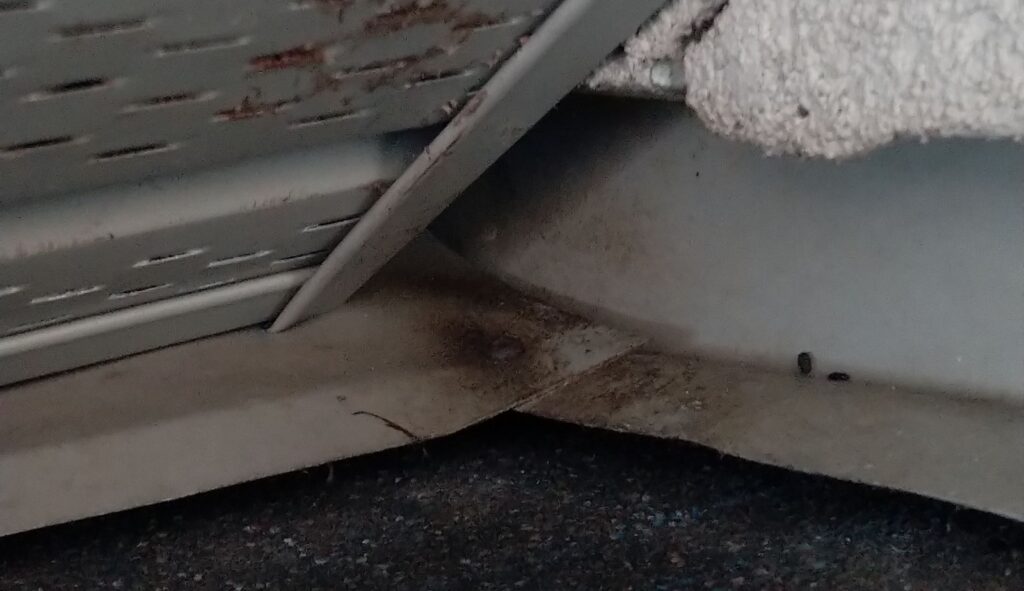
Dormers bring light and extra space into upper rooms. They also create more places where roofing, siding, flashing, fascia, and soffits must connect. A small weakness at one of these joints can lead directly into the attic.
- Dormer Corners: Each dormer meets the main roof along several edges. Gaps may remain beneath the siding, flashing, or shingles at these corners. The opening can be difficult to see even when you know where to look.
- Soffit Returns: A soffit return is where the soffit changes direction or meets another part of the house. Panels may not fit tightly when several roof angles come together. Raccoons and squirrels may pull or push at a weak section.
- Fascia Connections: Fascia covers part of the roof edge and meets the gutters, soffits, and trim. Moisture and changing temperatures can create separation between these materials. Once an edge becomes loose, the gap may grow.
- Decorative Roof Details: Peaks, gables, towers, and deep eaves add many seams to an executive home. They can also create quiet spaces protected from wind and rain. Birds, bats, or squirrels may inspect these areas for shelter.
A small opening can cause a much larger problem once it reaches the attic. The animals may damage insulation, wiring, vents, or wood after entering. Professional removal must be followed by strong exclusion to prevent another visit.
Attached Garages Can Extend Access Into the House
An attached garage is part of the building’s outer shell. It may share walls, ceilings, wiring, plumbing, and roof space with the main house. An entry point in the garage can therefore affect more than the area where you park.
- Garage-Door Gaps: An overhead door has long seals along the bottom and sides. Openings may form when the seal wears out or the concrete floor shifts. Mice can squeeze through gaps that look too small to cause concern.
- Shared Wall Spaces: Pipes, wires, ducts, and vents often pass through the wall between the garage and living space. Small gaps may remain around these services. Once inside, mice can travel through hidden wall cavities.
- Garage Roof Junctions: The garage roof may meet a taller wall, second floor, or main roof. These intersections involve siding, flashing, shingles, and soffits. A single loose connection may provide a route toward the attic.
- Quiet Storage Areas: Garages often contain cardboard boxes, birdseed, pet food, or seasonal items. These supplies can offer food, cover, and nesting material after entry occurs. You should not move contaminated items or handle droppings yourself.
A sighting in the garage should not be treated as a problem limited to that room. The entry route may connect with the rest of the building. Our technicians inspect both the garage exterior and the spaces it shares with the house.
Why Home Size Makes Inspection More Complicated
A larger house has more exterior surfaces to examine. It may contain several roof sections, dozens of vents, long soffit runs, many windows, and several utility openings. Every added feature creates another place where materials can separate or wear down.
Some entry points may sit two or three storeys above the ground. Others may be hidden behind decorative trim, deep eaves, mature trees, or a lower roof. You may hear sounds in one room even though the animals entered through a distant part of the building.
Different species can also use separate areas at the same time. Mice may enter near an attached garage while squirrels target the roofline. A complete professional assessment is needed to identify every active and possible route.
Signs of Activity Around an Executive Home
You may hear scratching, chewing, chirping, rolling, or heavy movement in the attic or walls. The type and timing of the sound can provide useful clues. However, noises often travel through large open roof and wall spaces.
Exterior warning signs may include bent vents, loose soffit panels, damaged shingles, or marks around an edge. You may also see repeated movement near one dormer, chimney, gable, or garage. Frequent activity around the same spot can point to an entrance.
Droppings, nesting material, unusual smells, and damaged insulation may mean the problem has moved indoors. Homeowners should not touch, sweep, or vacuum these materials. Skedaddle can inspect and clean affected areas using proper equipment and methods.
Markham Homes Face Pressure Throughout the Year
Markham combines large residential developments with mature neighbourhoods, parks, trails, ravines, and other green spaces. These connected areas allow animals to move between natural habitat and nearby properties. A home does not need to back directly onto a forest to receive visits.
Seasonal needs can change where they go. Spring brings nesting and baby season, while summer increases travel and feeding. During fall and winter, warm attics, garages, and wall spaces can become more attractive.
Markham weather can also affect the building. Wind, snow, freezing rain, and changing temperatures may loosen vents, flashing, shingles, and soffits. This means both newer and older homes can develop fresh entry points over time.
Why One Visible Repair May Not Protect the Whole Structure
Repairing one damaged vent may seem to solve the problem. However, nearby gaps may remain around the roof edge, dormer, chimney, or soffit. Another entrance could also exist on a different side of the home.
The opening you notice may not be the original entrance. An animal can enter through the garage and travel toward an upper wall, or enter near one roof section and move across the attic. Treating only the visible area may leave the main route open.
An active opening should never be sealed before the interior is assessed. Doing so could trap wildlife inside or separate a mother from dependent young. Professional removal and structural prevention must be planned together.
Wildlife Removal and Prevention with Skedaddle
At Skedaddle Humane Wildlife Control in Markham, our work begins with a detailed inspection. We examine rooflines, dormers, soffits, fascia, vents, chimneys, siding, attached garages, foundations, attics, and interior connections. This helps us locate active entrances and other areas that could be used later.
Our professional wildlife team identifies the species and checks whether young are present. We then create a humane removal plan suited to the home and the time of year. When appropriate, we install one-way doors that allow wildlife to leave but prevent re-entry.
Removal alone does not provide lasting protection. After the animals have left, our technicians secure vulnerable areas with durable exclusion materials. We also protect nearby weak points instead of repairing only the most obvious opening.
If droppings, nesting material, odours, or damaged insulation are present, our team can complete professional cleanup and restoration. You do not need to enter the attic, handle waste, or move contaminated materials. We manage the work from inspection through prevention.
Frequently Asked Questions
Are large homes more likely to have wildlife problems?
Size alone does not cause an entry problem. However, larger houses often have more vents, roof sections, dormers, and structural joints. Each extra feature creates another area that must stay secure.
Can wildlife enter without visible roof damage?
Yes, animals can enter without leaving damage that is easy to see. Bats and mice may use very small construction gaps, while other species may move a loose panel without destroying it. Our professional inspection can identify subtle openings around flashing, vents, siding, and soffits.
Why do squirrels and raccoons target soffits?
Soffits can provide direct access to a warm and protected attic. Some panels are made from materials that can be pushed, pulled, or chewed. Once raccoons or squirrels find a weak section, they may continue using it until the area is professionally secured.
Can an attached garage lead to an attic problem?
Yes, a garage may connect with wall cavities, upper floors, or attic space. Openings around the garage door, roofline, or utility lines can become the first part of a longer route. The full connected structure should be inspected.
Should droppings or nesting materials be removed?
They should be removed by trained professionals. Sweeping, vacuuming, or handling contaminated material may spread dust and create health concerns. Our team can assess the area and complete the required cleanup.
Does seeing one animal mean more are inside?
One sighting does not always mean that several animals are present. However, repeated noises, damage, droppings, or movement near one opening may point to nesting activity. Our professional assessment can determine what is living inside and whether dependent young are involved.
Protect Every Part of a Large Markham Home
Markham’s large executive homes can develop wildlife problems because their size and design create many possible access points. Complex rooflines, multiple dormers, intersecting soffits, vents, chimneys, and attached garages add joints that can become weak. One small opening may lead to a large, warm, and quiet interior space.
You cannot judge the risk by the home’s age, value, cleanliness, or appearance. Even a carefully maintained property may have a loose vent, concealed roof junction, or narrow construction gap. Repairing one visible area may not address every route.
At Skedaddle Humane Wildlife Control in Markham, we provide a complete approach to humane removal and prevention. Our team inspects the entire structure, identifies what is present, removes the animals, cleans affected areas, and secures vulnerable openings. You do not need to climb onto the roof, enter a contaminated attic, or complete any physical work yourself.
Contact our team to schedule a professional assessment. You can request an estimate to learn more about humane wildlife removal and long-term protection for your Markham home.

 Loading...








