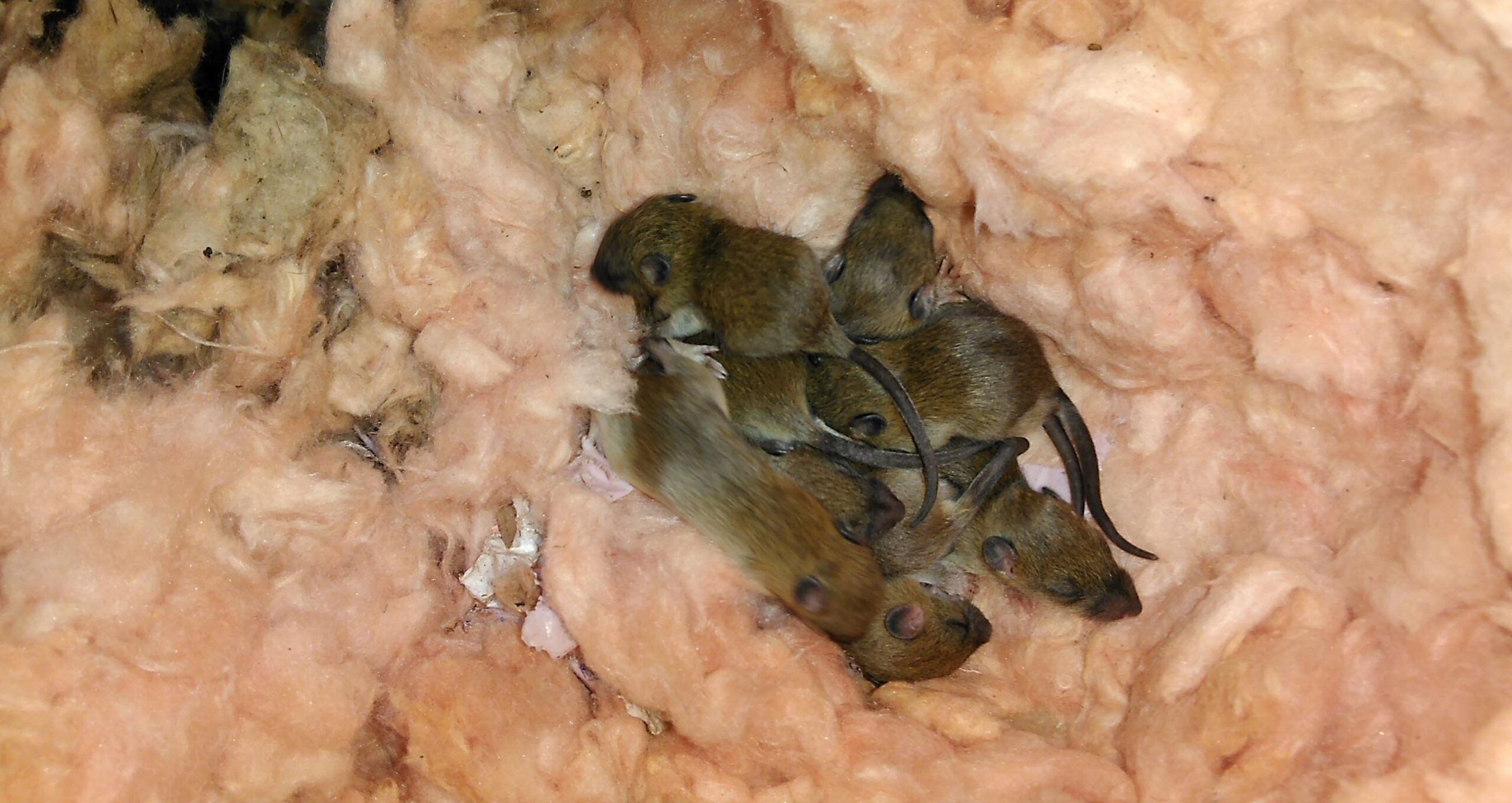
Rats in restaurants during winter is a challenge that many business owners in Toronto must confront as the cold weather settles in. As temperatures drop, rats seek the warmth and food security offered by commercial kitchens and storage facilities, posing unique problems for both restaurants and warehouses. At Skedaddle Humane Wildlife Control in Toronto, we have seen how quickly a single sighting can threaten not just a business’s reputation, but its day-to-day functions, compliance with health regulations, and ultimately the trust of customers and suppliers. It’s vital to understand how the changing seasons, industry-specific risks, and evolving urban landscapes make effective pest control solutions essential for every Toronto business.
Let’s explore why rat activity increases in winter, the biggest challenges facing restaurants and warehouses, and the proactive steps that can help safeguard your business throughout the cold months.
Seasonal Patterns: Why Winter Brings More Rodent Activity Indoors
When winter hits Toronto, rodents adapt rapidly to survive. Outdoor food and shelter become scarce, pushing these animals to find new nesting sites in places like restaurants and warehouse storage areas.
Rats thrive in the city due to several seasonal factors:
- Snow and freezing weather limit their natural outdoor food sources, such as seeds and plants.
- Commercial dumpsters, exposed food waste, and leaking water sources supply an accessible buffet.
- Warmth from appliances, HVAC systems, and stored goods creates ideal breeding conditions.
- Buildings with unseen cracks, open vents, or improperly sealed doors offer easy entry.
As rats invade indoor areas for survival, their presence becomes a costly and hazardous problem for business owners. This pattern is especially noticeable in urban centres, making thorough inspections and protocols for winter rat problems essential for property managers throughout the city.
Understanding how these patterns influence rodent movement during winter is the first step. The next is examining the distinct threats to restaurants and warehouses.
Identifying Winter Risks in Restaurants
Restaurants offer exactly what rats need most during winter: food, warmth, and shelter. The kitchen chaos that keeps customers happy also creates a haven for rodents—especially after-hours when the building is quiet.
Key factors attracting rats to restaurants in the winter include:
- Dropped or poorly secured food debris behind large kitchen equipment
- Overflowing or unsealed waste containers in garbage areas
- Condensation, water leaks, and drips near plumbing lines
- Storage rooms packed with boxes that provide nesting materials
- Gaps around delivery entrances and damaged screens
These issues often go unnoticed until signs of a rat infestation appear: chewed packaging or gnawed electrical wires, oily rub marks along baseboards, small droppings behind appliances or in corners, and squeaking or scratching noises at night.
The presence of rats in restaurants not only poses immediate health risks—such as hantavirus, leptospirosis, and salmonella—but can also result in failed inspections, hefty fines, lost star ratings, and, in the worst cases, business closures.
Unique Winter Rat Problems in Warehouses
Like restaurants, warehouses attract rats seeking warmth and food, but the challenges are unique due to space and inventory scale. Winter rat problems for warehouses can quickly escalate if left unchecked.
Distinct risks for warehouses in winter include:
- Vast storage aisles with little daily foot traffic, allowing rodents to hide easily
- Cardboard, fabric, and insulation in packaging materials, providing ideal nesting spots
- Large delivery doors kept open for extended periods, especially during peak shipping times
- Spilled grains, flour, or other dry goods that go unnoticed in dim corners
- Rodents using stacked pallets and shelving to climb or conceal movement
The impacts of rodents in warehouses can be severe: product contamination, chewed wires and packaging, a higher risk of fire from damaged electrical systems, compromised inventory integrity, and frequent need for regulatory audits.
These challenges underline the importance of winter pest control programs specifically designed for large, busy facilities with unique access challenges.
The Impacts of Pandemic-Induced Changes on Rodent Activity
Since the pandemic, Toronto’s food supply patterns and service models have changed. Temporary closures, altered operating hours, and supply chain disruptions have influenced rodent populations city-wide.
Some key factors contributing to increased rodent activity include fewer people occupying downtown buildings for prolonged periods, which allowed rats to roam freely with minimal disturbance. Sporadic waste pickup or overflowing bins created abundant and undisturbed food sources, while unused kitchen and storage areas became ideal environments for thriving rodent colonies. These conditions combined to make certain properties particularly attractive to rats during this time.
Businesses that have experienced stop-start operations or irregular cleaning schedules should be particularly vigilant. Pandemic-induced shifts have made rodents bolder and more adaptable, increasing the value of expert intervention and long-term exclusion strategies.
Recognizing these evolving threats helps businesses anticipate rodent behaviour and refine proactive winter controls, so these creatures do not exploit pandemic aftershocks to gain a foothold.
Actionable Business Pest Control in Winter
The key to minimizing rats in restaurants this winter and reducing winter rat problems in warehouses is a multifaceted approach. By implementing ongoing preventive measures, regular inspections, and timely interventions, you can minimize risks and avert costly infestations.
Here are proven strategies to help keep rats away from your business this winter:
- Schedule thorough cleaning of food preparation and storage spaces, focusing on areas behind equipment and storage racks.
- Store all ingredients and prepared foods in rodent-proof containers.
- Seal all cracks, gaps, and openings using durable materials.
- Elevate goods off the floor to reduce hiding spots and quickly detect rat pathways.
- Install sturdy door sweeps and repair damaged screens or vents.
- Invest in regular staff training on pest awareness and reporting protocols.
- Partner with a professional pest control provider for periodic inspections and treatments.
These steps work best together. The more comprehensive your approach, the less likely rats will target your premises when temperatures drop.
Skedaddle’s Professional Solutions for Toronto Businesses
At Skedaddle, we equip Toronto business owners with tailored solutions to the unique winter challenges that restaurants and warehouses face. Our more than 30 years of experience allows us to approach every property, from St. Lawrence Market bakeries to sprawling supply depots, with expertise and discretion.
Our rat control process includes:
- Comprehensive site assessments using advanced detection tools to identify entry points and rodent activity, even in the toughest-to-reach spaces.
- Strategic removal techniques such as one-way doors, allowing rodents to safely exit while preventing their return.
- Sealing and reinforcing all discovered entry points, customized to the needs of commercial kitchens and large-scale storage facilities.
- Cleaning, sanitizing, and deodourizing affected areas to address contamination and eliminate odours.
- Education and ongoing support for business owners and facility managers to minimize future risks.
By focusing on both removal and prevention, we ensure winter rat problems do not threaten your operation or reputation.
Working with our professionals also provides several key advantages. You benefit from minimal business disruption, as our teams work quickly, quietly, and on a schedule that suits your operations. Year-round protection ensures that preventative strategies keep rats out not only during winter but throughout every season. Additionally, we provide compliance support with thorough documentation to meet inspection requirements and help protect your business from potential regulatory penalties.
Protect Your Business from Winter Rat Risks with Skedaddle
As winter descends on Toronto, the influx of rats into restaurants and warehouses poses serious threats to business operations, reputation, and health compliance. Recognizing the seasonal patterns behind rodent activity and the distinct vulnerabilities facing commercial kitchens and storage facilities is the first step toward protecting your premises. Proactive strategies—like thorough cleaning, sealing entry points, secured storage, and vigilant monitoring—are essential for minimizing infestations before they jeopardize your business.
Don’t let winter pests put your hard work at risk. Skedaddle’s expert team brings over 30 years of experience in humane rat removal, precise entry-point exclusion, and comprehensive sanitation tailored to the unique needs of businesses in Toronto. Take action now to prevent costly disruptions and safeguard your facility, staff, and customers. Contact Skedaddle today and ensure your business stays clean, compliant, and rodent-free throughout the winter and beyond.

 Loading...