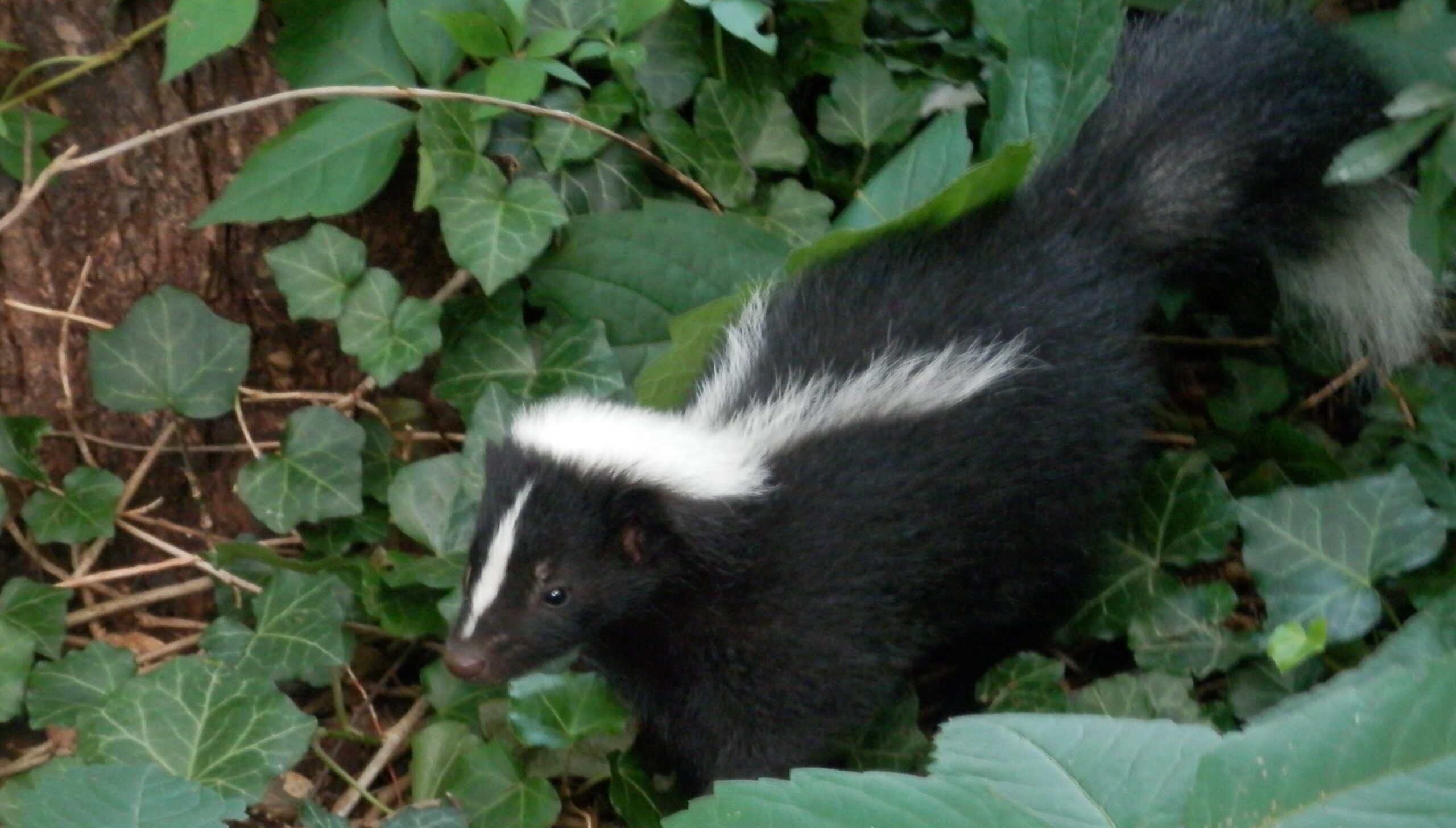
Skunks are well-known for their distinctive look and strong-smelling spray, and they are a common sight in Toronto and across the GTA. While these animals play an important role in the ecosystem by controlling pests like insects and rodents, they can sometimes wander too close for comfort.
If a skunk sets up a home under your deck or in your garden, it’s easy to feel frustrated and want to act quickly. Some people try to solve the problem by using poison, thinking it’s a simple fix. However, poisoning skunks is not just harmful to the animal; it can also endanger your pets, create serious health risks for your family, and often violates local laws. The good news is that there are better, safer ways to address these problems.
At Skedaddle Humane Wildlife Control in Toronto, we specialize in humane and effective solutions to keep your property and the local wildlife safe. This blog will explain why poisons should never be used and share expert tips on how to handle skunk issues responsibly. Whether you’re dealing with a skunk now or want to be prepared for the future, we’ve got the information you need. Keep reading to learn more!
Where Do Skunks Build Dens?
Skunks are burrowing creatures. They use their long, strong claws to dig dens under porches, decks, sheds, and along the base of fences. In Toronto, they often take advantage of crawl spaces and gaps in foundations — especially in older homes.
They prefer dark, low-traffic areas that offer protection from predators. Once a skunk finds a good spot, it will settle in and may even raise a litter of young there. That’s why getting them out quickly — and humanely — matters. The longer they stay, the harder removal becomes.
Poison Doesn’t Just Affect Skunks
One of the biggest problems with poison is that it doesn’t target only the skunk you’re trying to get rid of. It can affect any creature that comes into contact with it.
- Pets are at Serious Risk: Dogs and cats are curious by nature. If poison is placed near a den site, your pet can easily find it before the skunk does. The results can be fatal.
- Other Wildlife Can Be Harmed: Foxes, owls, and other animals that scavenge or hunt may consume a poisoned skunk and die as a result. This is called secondary poisoning, and it can ripple through the local food chain.
- Children Can Be Exposed: If poison is placed in a yard where kids play, the risk of accidental contact is very real. Even trace amounts can cause a serious reaction.
There is no way to control who or what comes into contact with poison once it’s set out. That alone makes it a dangerous option for any property.
It’s Inhumane and Causes Suffering
Poison does not kill quickly. Most substances used on skunks cause a slow, painful death by gradually shutting down the body’s organs. The skunk suffers greatly before it dies — sometimes for days.
Wildlife experts and animal welfare organizations widely agree that poisoning is one of the most inhumane methods of control. It’s cruel, unpredictable, and completely unnecessary when humane alternatives exist.
At Skedaddle, we believe that wildlife deserves to be treated with care, even when it needs to be removed from your property. That’s why everything we do is built around humane removal and long-term prevention.
The Carcass Problem Is a Real Headache
Here’s something many homeowners don’t think about: what happens after the skunk dies?
A poisoned skunk often crawls into the tightest, darkest space it can find before it dies. That might be deep under your porch, inside a wall cavity, or beneath your shed. When it dies there, decomposition begins — and the smell can be overwhelming.
Locating and removing a carcass from a confined space is a difficult, unpleasant job. There are also health risks involved. Handling a dead skunk without proper protective equipment can expose you to potential infections and diseases, including rabies.
This is exactly the kind of situation you want to avoid. Calling our professionals before the problem escalates is always the better option.
Poisoning Is Often Illegal in Canada
Many homeowners are surprised to learn that poisoning skunks is illegal in most parts of Canada. There are no registered poisons approved specifically for use on these animals. Using rodent poison or other toxic substances to try to kill them can violate federal and provincial wildlife protection laws. These regulations exist to protect wildlife and to prevent harmful chemicals from spreading through the environment.
Poisoning wildlife can also create serious safety risks for people, pets, and other animals in the area. Poison does not always stay where it is placed, and other animals may accidentally eat it. In addition, poisoned wildlife may crawl into hidden areas such as crawl spaces, sheds, or under decks before dying. This can lead to strong odors, sanitation problems, and difficult cleanup situations for homeowners.
Most importantly, poison does not solve the real reason the animals are visiting your property. Wildlife usually returns because there is food, shelter, or easy access to a safe den site. Fallen fruit, open compost bins, and unsecured garbage often attract them to residential yards. Without removing these attractants and securing entry points, other animals may simply move in later and repeat the problem.
It’s a Temporary Fix, Not a Real Solution
Even if poison worked perfectly (which it doesn’t), it still wouldn’t solve the underlying issue. Skunks don’t randomly appear on a property. They’re drawn by food, shelter, and accessible den sites. Until those factors are addressed, more skunks will keep showing up.
Effective skunk control means:
- Identifying what’s attracting skunks to your property in the first place.
- Securing potential den sites so skunks can’t get back in after removal.
- Blocking entry points with professional-grade exclusion materials.
This is the kind of work that keeps skunks away for good — not a bag of poison tossed under a deck.
Local Skunk Control in Toronto
Toronto’s unique urban environment creates specific challenges when it comes to skunk control. The city’s climate, architecture, and regulations all play a role in managing skunk issues effectively. Here are some key things to know about handling skunks in the Toronto area:
- Cold Winters and Seasonal Activity: Toronto’s cold winters mean wildlife seek warm, sheltered spaces like under decks or sheds. Preventing access to these spaces before winter is critical.
- Older Homes and Building Styles: Many Toronto homes have older foundations or crawl spaces, which can serve as easy entry points for skunks looking for a den. Sealing these spaces properly is important.
- Regional Wildlife Rules: The City of Toronto has guidelines for humane wildlife removal. Trapping and relocating skunks must comply with local laws to avoid penalties and ensure ethical treatment.
- Spring and Fall Challenges: Skunks are most active during these seasons, as they search for food in the spring and prepare dens in the fall. Acting during these times can prevent future infestations.
By addressing these specific conditions, wildlife control services in Toronto can be tailored to meet the needs of local homeowners, ensuring long-term results while following regional guidelines. Our reliable and professional service is key to keeping properties free of skunks year-round.
Humane Skunk Removal with Skedaddle
When a skunk has made a den on your property, the safest step is to contact our team at Skedaddle Humane Wildlife Control in Toronto. It is very important not to approach, trap, or try to remove the animal yourself. Skunks can carry diseases such as rabies, and they may spray when they feel threatened or frightened. That spray can create a strong smell that is extremely difficult to remove from clothing, pets, or the outside of your home.
Our trained technicians begin by carefully inspecting your property to locate the den and understand how the animal is entering and leaving the area. Once we identify the exact location, we use proven humane methods to guide the skunk out safely. One of the most effective tools we use is a one-way door system that allows the animal to leave the den naturally while preventing it from coming back inside. This approach keeps the process safe for both the wildlife and the people living in the home.
After the skunk has left the area, our team focuses on preventing the problem from happening again. We seal the entry points using durable materials and check the surrounding area for conditions that may attract wildlife. This may include open gaps under decks, sheds, or other structures where animals can build dens. With Skedaddle, the process is simple, humane, and effective—protecting your property while respecting local wildlife.
Frequently Asked Questions
Can a skunk spray through a one-way door?
These animals typically only spray when they feel threatened or cornered. A properly installed one-way door allows them to leave at their own pace, which significantly reduces the chance of spraying.
How do I know if a skunk is denning under my property?
Common signs include a strong musky odour near your foundation, digging or scratch marks around the perimeter of your deck or shed, and visible holes in the ground near structures.
Can skunks carry diseases?
Yes. Skunks are one of the most common carriers of rabies in Canada. They can also carry other parasites and pathogens. This is another reason why you should never attempt to handle a skunk on your own — always call a professional.
What time of year are skunks most active in Toronto?
These animals are most active in late winter and spring when they come out of their winter torpor and begin searching for mates and food. This is also the time of year when they're most likely to den under residential structures.
Are skunk dens dangerous to my property?
Skunk digging can damage landscaping, undermine foundations, and create holes along fence lines and under decks. Over time, this structural disturbance can become a more serious problem if left unaddressed.
How can I prevent skunks from returning after removal?
Our team secures all potential entry points using durable, professional-grade materials. We also provide recommendations on removing food attractants — such as fallen fruit, open compost, and unsecured garbage — that draw these animals to residential properties.
Leave It to the Professionals
When it comes to dealing with skunks, it’s important to choose a solution that is safe, effective, and humane. At Skedaddle Humane Wildlife Control in Toronto, we are committed to ensuring the wellbeing of both our customers and local wildlife. Using poison or similar harmful methods isn’t just unsafe—it’s also inhumane and can create bigger problems, including health risks for you and your family.
Our team understands the stress that skunk problems can bring, but rest assured, we’re here to help. With specialized training and the right tools, we work to remove these animals in a way that solves the issue for good without causing harm. Our proven methods ensure that skunks are relocated safely and that your property is properly protected from future visits.
Instead of taking unnecessary risks with store-bought remedies or harmful techniques, turn to our professionals. Contact Skedaddle Humane Wildlife Control today to schedule an estimate. We’ll provide you with reliable, permanent solutions that you and your family can feel good about. Together, we can keep your property safe and skunk-free while respecting the natural ecosystem around us. Don’t wait—trust the experts to handle it the right way.

 Loading...