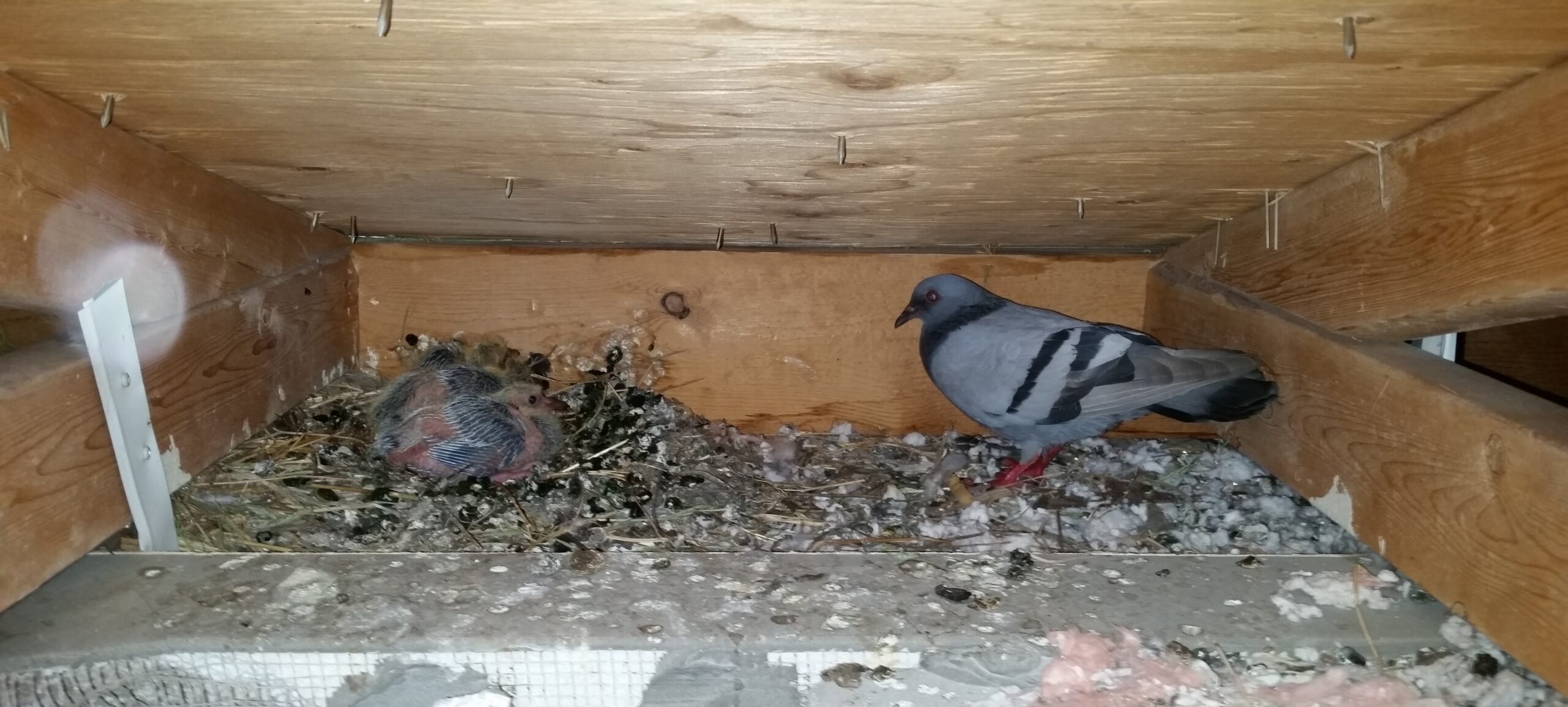
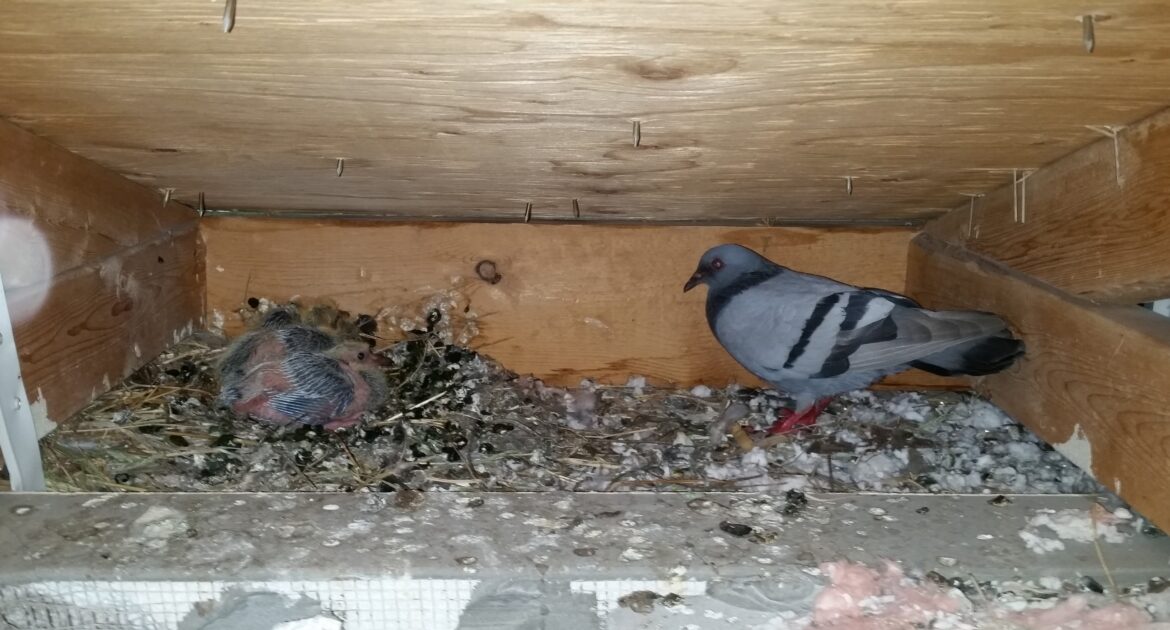
Spring is finally here! As the snow melts and the flowers start to bloom, the world around us comes back to life. It is a beautiful time of year, filled with new beginnings. But for homeowners, spring also brings the arrival of animals looking for a place to raise their young. You might hear chirping in the morning or see birds carrying twigs in their beaks. While birds are wonderful to watch in nature, they can cause big problems when they decide to move into your house.
Have you ever wondered where these feathered friends might try to build a home inside yours? Birds are very clever at finding safe, warm spots to nest. Unfortunately, the spots they choose are often inside vents, attics, or gutters. Understanding where to look is the first step in protecting your home this season.
At Skedaddle Humane Wildlife Control in Vaughan, we specialize in humane and effective methods to help keep your home free from unwanted bird intrusions. In this blog, we will explore the common bird nesting areas around your house and what you should look out for this spring.
Why Birds Choose Homes for Nesting
Before we talk about the specific spots, it helps to understand why birds want to be in your house in the first place. In the wild, birds look for shelter that protects them from the wind, rain, and predators like raccoons or cats. Your home offers all of these things perfectly. It is high up, dry, and often warmer than the trees outside.
When birds are getting ready to lay eggs, they need a safe environment. The structures on the outside of your house mimic cliffs or tree hollows that birds would use in nature. Because urban areas like Vaughan have fewer large trees than forests, birds have adapted to use man-made structures instead. This means your vents, chimneys, and eaves look like five-star hotels to a mother bird looking for a nesting site.
Vents and Exhaust Pipes
One of the most common places to find a bird nest is inside a vent. This includes bathroom exhaust vents, dryer vents, and kitchen range hoods. These spots are very attractive to birds because they are often warm and offer protection from the weather.
- Bathroom and Kitchen Vents: These vents usually have a flap on the outside that opens when air pushes out. However, birds can easily lift these flaps or peck through plastic covers to get inside. Once in, the long tube provides a perfect tunnel that is hard for predators to reach.
- Dryer Vents: The warmth from a dryer vent is especially inviting during chilly spring nights. Birds like Starlings are famous for stuffing dryer vents with nesting material.
- The Problem: When birds nest in vents, they block airflow. This can cause moisture to build up in your bathroom, leading to mold. In dryer vents, the nesting material (like dry grass and twigs) is a serious fire hazard because it can overheat.
If you see bits of grass sticking out of a vent cover or hear scratching sounds coming from the wall or ceiling, you likely have birds nesting in vents. It is important not to ignore these signs, as the babies will soon hatch, making the problem bigger.
Rooflines, Eaves, and Soffits
The area where your roof meets the walls of your house is another prime location for nesting. This area is called the soffit. Sometimes, there are small gaps or loose pieces of material in the soffit that you might not notice from the ground. However, a small bird can easily squeeze through these cracks.
- Sheltered Ledges: The overhang of the roof provides a great shelter from rain and snow. Birds often build nests right on the ledge where the roof meets the wall if they can’t get inside.
- Inside the Soffit: If a bird can find a hole, it will build a nest inside the hollow space of the soffit. This gives them a safe, enclosed room to raise their babies. Starlings and Sparrows are small enough to fit into very tiny openings.
- Damage Risks: Birds pecking at wood or pulling at aluminum to make the hole bigger can cause damage to the exterior of your home. Once they are inside, they might also damage insulation.
Chimneys and Fireplaces
Chimneys are classic nesting spots for certain types of birds. To a bird, a chimney looks just like a hollow tree trunk. It is deep, dark, and very safe from most predators.
- Chimney Swifts: There is even a bird called a Chimney Swift that prefers to nest inside chimneys. They build nests that stick to the vertical walls of the chimney flue.
- On Top of the Chimney: Other birds might build a large, messy nest right on top of the chimney or inside the chimney cap if it is broken or missing.
- The Dangers: A nest in a chimney can block smoke and dangerous gases like carbon monoxide from escaping your home if you use the fireplace. It can also bring bird mites and other bugs into your living space.
If you hear chirping sounds coming from your fireplace, it is a strong sign that birds have moved in. Never try to smoke them out by lighting a fire. This is dangerous for the birds and for you, as it can cause a fire or smoke to flood your house.
Gutters and Downspouts
Gutters are designed to move water away from your home, but in the spring, they often become dry and filled with leaves. This makes them an easy foundation for a nest.
- The Perfect Bowl: The shape of a gutter is like a perfect bowl for a nest. If the gutter is already clogged with debris, it makes the bird’s job even easier.
- Downspouts: Sometimes, birds will build nests right at the top of a downspout, specifically in the curved elbow sections where material can rest easily.
- Water Damage: The main issue here is water damage. When a nest blocks a gutter, rainwater cannot drain properly. It spills over the sides, which can damage your roof, siding, and even the foundation of your house over time.
Garage and Porch Light Fixtures
Have you ever walked up to your front door and been swooped by a bird? Many homeowners are surprised to find nests built on top of outdoor light fixtures or inside open garages.
- Light Fixtures: The flat top of a porch light is warm and sheltered by the porch roof. Robins and Phoebes love to build mud and grass nests in these spots.
- Inside Garages: If you leave your garage door open often, birds may fly in and build nests on the rafters or on top of the garage door opener motor. It is dry and safe from the wind.
- The Mess: The biggest problem with these nests is the mess. Bird droppings can pile up on your porch, car, or walkway. This is not only unsightly but can also be slippery and carry bacteria.
Signs You Have Birds Nesting
Knowing where to look is helpful, but you also need to know what to look for. Birds are good at hiding, but they leave clues behind. By paying attention to these signs, you can catch a problem early.
- Noise: This is often the first clue. You might hear scratching, rustling, or chirping sounds coming from vents, walls, or ceilings. The sound of babies crying for food can be quite loud, especially in the early morning.
- Activity: Watch the birds in your yard. Are they carrying grass, twigs, or mud in their beaks? Are they flying repeatedly to a specific spot on your house? If a bird disappears into a vent or a hole in the roof and doesn’t come out right away, it is likely building a nest.
- Debris: Look for nesting material on the ground. If you see piles of dried grass or twigs below a vent or a corner of the roof, it might have fallen while the bird was building. Also, look for white bird droppings on the walls or ground below a suspected nesting site.
Spring Bird Nesting Prevention and Removal: How Skedaddle Helps with Bird Issues
Bird problems can be tricky to handle. You want to protect the birds, but you also need to protect your home. That’s where Skedaddle Humane Wildlife Control can help. We understand bird behaviour and how birds use buildings.
Our team inspects your home to find where birds are getting in, including vents, rooflines, and other openings. Once a nest is found, birds are removed safely using one-way doors. These allow birds to fly out but stop them from getting back in.
After removal, nesting material, droppings, and debris are cleaned up and the area is sanitized. Entry points are then secured with strong steel screens that allow airflow but block birds. Any gaps in soffits or rooflines are also sealed to help prevent future nesting.
Bird Nests Everywhere? Call the Pros.
Spring is a busy time for birds in Vaughan, and your home offers many tempting spots for them to nest. From birds nesting in vents to families raising babies in your attic, wildlife can cause damage and create health risks. Knowing the common bird nesting areas around your house is the best way to stay prepared.
If you suspect you have a bird issue, or if you want to get ahead of the season with spring bird nesting prevention, do not try to handle it alone. Climbing ladders and dealing with wildlife can be dangerous. Let the professionals handle the hard work.
Protect your home this season. Request an estimate from us at Skedaddle Humane Wildlife Control in Vaughan today to learn more about how we can help you keep your home bird-free.

 Loading...







