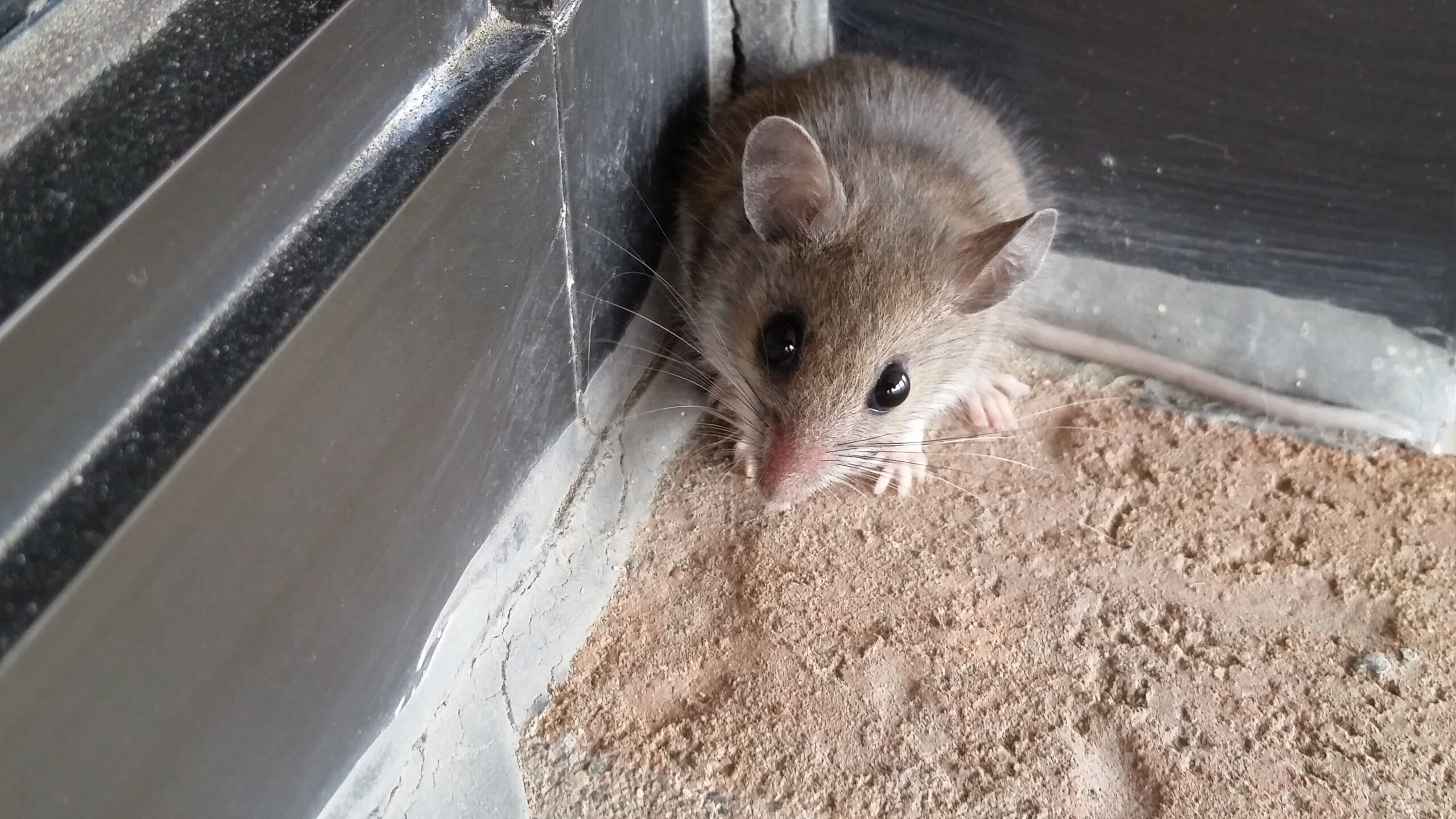
Seeing a single mouse or hearing faint scratching might seem like a minor issue, but with mice, what you don’t see is what matters most. They are masters of concealment, and overlooking just one can perpetuate an entire infestation.
At Skedaddle Humane Wildlife Control, we understand that a thorough inspection is the cornerstone of a lasting solution. A proper mouse inspection goes beyond the obvious, assessing your entire home to uncover entry points, travel routes, and hidden damage.
While short-term fixes offer temporary relief, a complete inspection is the only way to resolve the problem for good. In this blog, we’ll explain why a comprehensive inspection is a critical first step in wildlife removal and how it protects your home, health, and peace of mind.
Small Animals Use More Openings Than You Expect
You may assume there is only one way in. In reality, small animals like mice rarely rely on a single opening. A full inspection looks at the entire structure, not just the area where signs appear.
Mice can fit through very small gaps. Rooflines, vents, siding seams, and foundations often hide openings that go unnoticed. These areas change over time due to weather and wear.
When inspections miss these details, mice continue to enter. A proper wildlife inspection process finds all access points so mice can leave through one-way doors and stay out for good.
Common access issues found during inspections include:
- Tiny Gaps Along Siding or Foundations: Even very small gaps can allow entry. These openings often form where materials meet or shift over time. From the ground, they may look harmless, but they can lead directly into the wall or attic spaces. Without close inspection, these gaps remain open and active.
- Roofline Damage and Vent Openings: Roof edges, vents, and soffits are common entry areas. Weather and age can loosen these parts, creating space mice can use. Once inside, these paths often lead straight into the attic. Inspections focus closely on these high-risk zones.
- Wear from Age or Weather: Homes naturally change as materials expand, shrink, and settle. Cracks can form slowly and go unnoticed for years. Storms and ice can also weaken seals and edges. These changes create new access points that mice quickly discover.
Finding every opening is the first step toward lasting protection.
One Missed Mouse Can Restart the Problem
You may think removal is complete once activity slows. The truth is that missing even one mouse can undo all progress. A full inspection helps prevent this common issue.
Mice leave scent trails that attract others. If one remains behind, or if access points stay open, new mice often follow. This creates repeat activity that feels endless.
A proper mouse infestation inspection ensures mice leave safely using one-way doors and that all openings are addressed. This stops the cycle instead of repeating it.
Why missed mice cause repeat problems:
- Scent Trails Remain Active: Mice use scent to mark safe paths and nesting areas. Even after one leaves, these scents stay behind. Other mice follow the same route back inside. Without inspection, the cycle continues.
- Breeding Continues Unnoticed: Small mice reproduce quickly. If even a few remain hidden, populations can grow fast. What seems quiet for a short time can become active again within weeks. Inspections help prevent this growth.
- Access Points Stay Open: Openings that are not found remain easy entry points. New mice move in once space is available. Without full inspection, removal only solves part of the problem.
A full inspection protects you from repeat infestations.
Damage Often Exists Where You Cannot See It
Surface signs like noise or droppings rarely tell the full story. Damage often spreads into walls, ceilings, and attic spaces where it remains hidden. Mice chew, nest, and move through these areas without being seen. Inspections help reveal what is happening beyond the visible signs.
Over time, hidden damage continues to build. Wires may be chewed as mice wear down their teeth, increasing fire risk. Insulation is often torn apart for nesting, reducing energy efficiency and comfort. These problems usually go unnoticed until they become serious.
Structural wear can also develop quietly. Wood beams and supports may weaken as mice move through the attic. This damage is not always visible from inside the home. The wildlife inspection process helps catch these risks early, making hidden dangers visible before they grow worse.
Health Risks Increase Without Full Assessment
You may never touch the attic, but air moves through your home. Waste and nesting material affect indoor air quality. A full inspection identifies contamination areas before they spread.
Health risks do not require direct contact. Airborne particles travel through vents and gaps. Over time, comfort and breathing quality suffer.
Our professional wildlife assessment looks at the full space to understand health impact, not just animal presence.
Health concerns inspections help identify:
- Contaminated Insulation: Waste soaks into insulation over time. As air moves, particles spread into living spaces. This affects air quality and comfort. Inspections locate these problem areas.
- Parasites Linked to Nesting Areas: Nesting materials can support mites and other parasites. These pests can move beyond the attic. Without inspection, they spread unnoticed. Early detection helps limit exposure.
- Odour Sources: Strong smells often signal deeper contamination. Odours rarely stay in one place. Inspections trace smells back to their source. This allows proper treatment planning.
Inspections protect both structure and health.
Activity Is Often Spread Across Multiple Areas
You may hear noise in one place and assume the problem is isolated. Mice often move between attics, walls, and crawl spaces. Full inspections follow these movement patterns.
Mice do not stay in one spot. They travel along beams, pipes, and wiring paths. Without inspection, these routes remain active.
A full wildlife inspection process tracks how mice use the home. This helps stop activity across all affected areas.
Movement patterns inspections include:
- Travel Through Wall Cavities: Mice move quietly inside walls. Sounds may appear in different rooms at different times. This can confuse homeowners. Inspections map these travel paths.
- Shared Nesting and Feeding Zones: One area may be used for resting, another for feeding. Mice move between zones daily. Without inspection, only part of the activity is addressed.
- Multiple Access Routes: Mice often use more than one entry point. One opening may be used to enter, another to exit. Inspections identify all routes to stop movement completely.
Stopping movement is just as important as removal.
Partial Inspections Lead to Partial Results
A real solution requires more than a quick look at what is easy to see. Partial inspections often focus on obvious signs, leaving hidden risks untouched. When key areas are skipped, mice continue to find ways back inside. A full inspection removes guesswork and creates lasting protection.
When important details are missed, activity often returns. Missed access points stay open, allowing new mice to enter without notice. Hidden damage continues to grow, leading to repeat stress and added costs for homeowners. Full inspections take the time to examine the entire structure, not just one problem area.
Our professional wildlife assessment builds a clear and complete plan from the start. Every finding supports long-term results instead of short-term relief. Nothing is assumed or overlooked during the process. This careful approach protects the home while restoring peace of mind.
Seasonal Changes Make Inspections Even More Important
You may notice activity increases as temperatures drop. Mice look for warmth and shelter when outdoor conditions change. Seasonal shifts often drive new behaviour. Inspections account for these patterns before problems grow.
Openings that seem harmless in summer can become high-traffic entry points in winter. Snow, ice, and cold air push mice toward heat sources inside homes. Temperature changes also affect how mice move and nest. Inspections adjust for these seasonal risks.
A mouse infestation inspection looks beyond current activity. It considers how weather changes influence future movement. This approach helps protect the home year-round. Planning ahead prevents sudden infestations.
Seasonal factors inspections consider:
- Winter Entry Points: Cold weather forces mice to seek indoor warmth. Areas with heat loss become prime targets. Small gaps suddenly become busy access routes. Inspections focus on these zones before winter activity peaks.
- Spring Nesting Activity: Breeding season increases movement and nesting behaviour. More mice search for safe places to raise young. Attics and walls become attractive during this time. Inspections help prepare before populations grow.
- Weather-Related Wear: Storms, wind, and ice damage roofs and siding. New gaps can form quickly after harsh weather. These openings may not be obvious from the ground. Seasonal inspections catch changes early before mice take advantage.
Planning for seasons prevents surprise activity and ongoing problems.
Why Professional Wildlife Assessment Makes the Difference
You should never guess when it comes to mouse activity. Our professional assessments focus on the entire home, not just symptoms.
At Skedaddle Humane Wildlife Control, we take time to understand how mice entered, where they moved, and why they chose your space. Our inspections guide humane removal using one-way doors and long-term prevention.
Our full professional wildlife assessment ensures mice leave safely and cannot return. It protects your home from repeat damage and restores peace of mind.
A Full Inspection Is the First Step Toward Lasting Results
You deserve answers that solve the full problem. A complete mouse infestation inspection prevents missed animals, hidden damage, and repeat activity. It is the foundation of effective wildlife removal.
When inspections are thorough, outcomes last. If you suspect activity in your home, request an estimate to learn more about our wildlife inspection process and professional wildlife assessment.
We’re here to help! Skedaddle Humane Wildlife Control in Oshawa is ready when you need us.

 Loading...