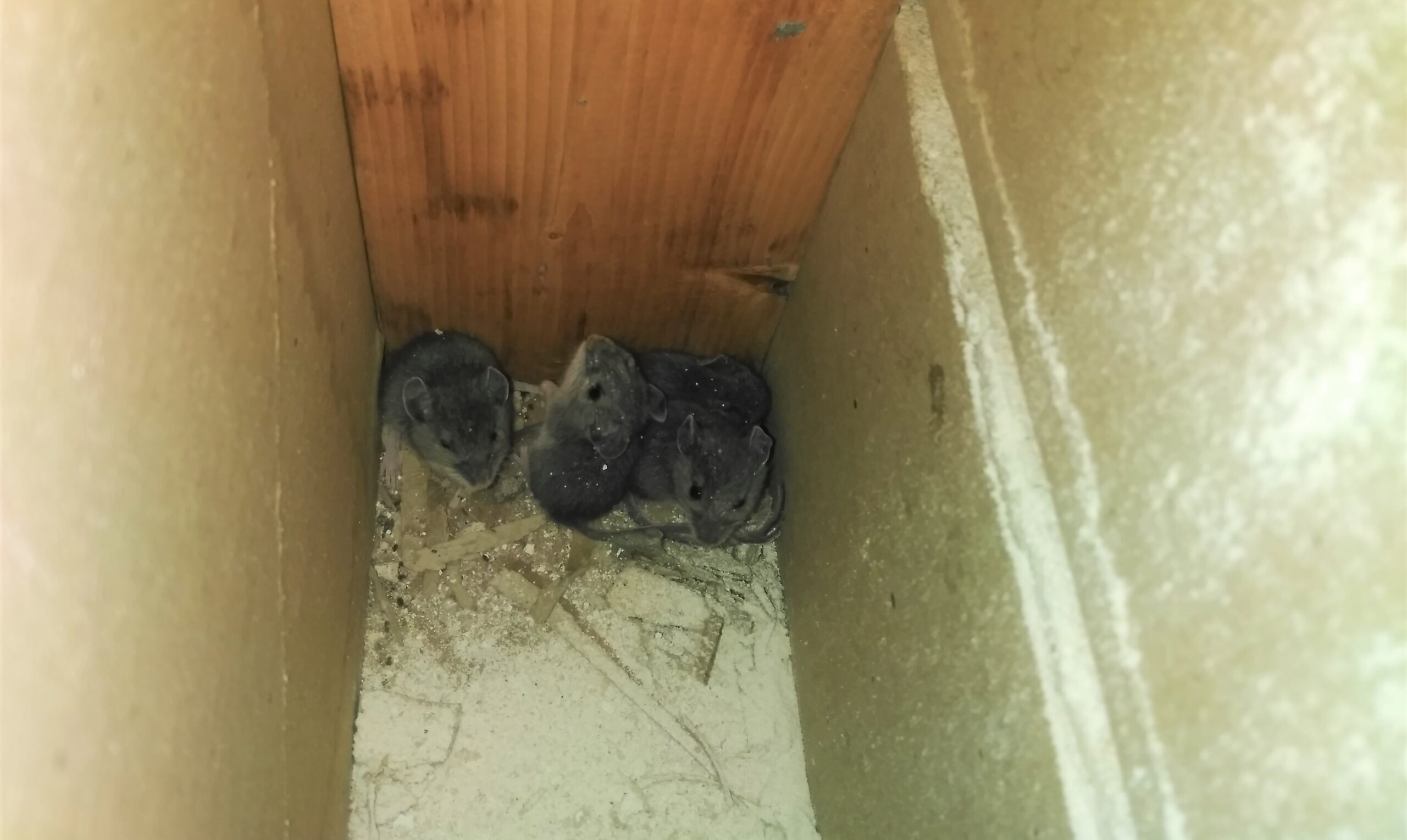
You may notice small sounds in the walls, faint smells, or tiny marks near baseboards. You may feel unsure about what is causing them or how serious the issue might be. When activity starts inside your space, stress can rise quickly.
You may not realize that mice look for shelter for very simple reasons. Cold weather, easy access, and quiet spaces draw them inside. Once they find a safe spot, they tend to stay. That is why professional help matters right away.
You may think the problem will pass on its own, but signs often point to a bigger issue. Mouse infestation signs can appear long before mice are seen. When this happens, mouse removal in Colorado should always be handled by trained professionals. At Skedaddle Humane Wildlife Control in Westminster, we see how these situations start and why early action helps.
Below, you’ll learn why mice seek shelter inside homes and what professionals look for when handling mice in homes.
Cold Weather Drives Them Indoors
You may notice more activity as temperatures begin to drop. Cold weather pushes mice to search for warm, dry places where they can survive. Homes provide steady heat and shelter from wind, snow, and freezing air. Once these animals sense warmth, they often move closer to buildings.
Colorado winters can be harsh, especially in open or windy areas. When outdoor shelter becomes buried or damaged, mice look for safer options. Warm walls, basements, and attic spaces become very appealing during colder months. This is often when indoor activity starts.
Why does cold weather play a big role? There are several reasons.
- Homes Hold Heat All Winter: Warm air escapes through walls, roofs, and vents. Mice are drawn to this heat as they search for shelter. Once inside, staying warm becomes much easier than surviving outdoors. This comfort encourages them to remain.
- Snow Covers Natural Shelter: Snow hides food sources and blocks ground nests. Finding shelter outdoors becomes harder with each storm. Indoor spaces offer steady protection during long cold spells. This makes homes a reliable option.
- Quiet Indoor Spaces Feel Safer: Walls, basements, and attics stay calm during harsh weather. These areas protect mice from noise, wind, and danger. Feeling safe allows them to rest and settle in. Safety is a strong reason they stay once inside.
- Seasonal Patterns Repeat Every Year: Cold weather returns each fall and winter without fail. If access points remain open, mice will return again. Seasonal shelter-seeking behaviour is very common in Colorado. Professional prevention helps stop this cycle.
Easy Access Makes Entry Simple
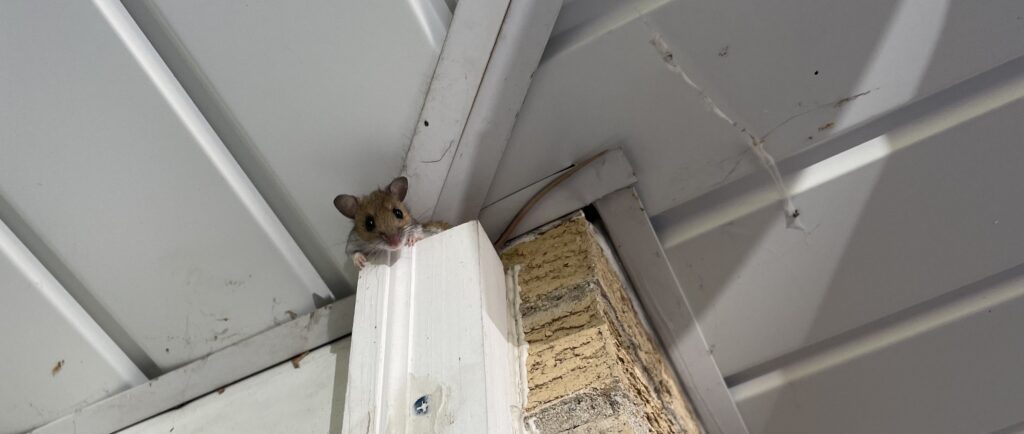
You may be surprised how small an opening can be when mice look for shelter. They do not need large holes to get inside. Tiny gaps around the home are often enough to allow entry. Over time, these small openings become easy access points that mice remember and reuse.
Homes naturally settle as seasons change. Gaps can form around pipes, vents, siding, and foundations. These spaces are often hidden from view and easy to miss during everyday routines. Once mice find them, entry becomes quick and repeated.
How do access points attract these animals? Let’s break it down.
- Small Gaps are Easy to Use: Openings near foundations or utility lines are common around many homes. These gaps often go unnoticed from the outside and grow larger over time. Once mice discover them, they are used again and again. Repeated use increases indoor activity.
- Rooflines and Vents are Common Paths: Roof edges and vents create quiet access routes into upper areas of the home. These areas are rarely checked without a full inspection. Mice follow these paths into attics and ceiling spaces. Once inside, they stay hidden and undisturbed.
- Garage and Door Gaps Offer Entry: Small gaps near doors can lead directly indoors. Attached garages often connect to the rest of the home, making entry easier. Once inside the garage, mice can move into walls and living spaces. This allows activity to spread quickly.
- Hidden Entry Points Allow Repeat Access: When one gap stays open, new mice can enter later on. Closing only one opening does not stop future entry. Mice will search for other weak spots nearby. Professional inspections look at the entire structure to stop repeat access.
Food and Water Are Easy to Find
You may not see food inside your home as a problem, but even small crumbs can attract mice. Kitchens, pantries, and storage areas give off strong food smells. Once mice follow these smells inside, they often stay close to the source. Easy access to food supports longer stays.
You may also have pet food in bowls or storage containers. These areas are easy for mice to reach and provide a steady food supply. Food left out overnight can draw attention quickly. This makes indoor spaces feel safe and dependable.
Even though you may not notice, water sources are often nearby. Leaky pipes, condensation, and damp areas supply enough water to survive. Basements, bathrooms, and laundry rooms are common spots. Reliable water helps mice stay indoors longer.
Also, stored items help with nesting. Paper, fabric, and insulation are useful for building nests. Storage areas offer food, water, and nesting materials all in one place. This combination makes homes an ideal shelter for mice.
Homes Offer Protection From Predators
You may not think much about predators, but mice are always aware of them. Hawks, owls, and other predators are common in Colorado. Staying inside a home greatly lowers the risk of being hunted. Indoor spaces offer protection that outdoor areas cannot.
Buildings block sight lines and limit movement from above. Inside walls, ceilings, and floors, mice can rest without being seen. These hidden spaces help them feel safe and secure. Safety is one of the biggest reasons mice stay indoors.
Indoor space feels safer in a lot of ways. Here are four of them.
- Predators Cannot Reach Indoor Areas: Walls, roofs, and ceilings block access from natural predators. Hawks and owls cannot reach mice inside buildings. This protection makes indoor shelter very appealing. Safety encourages mice to remain.
- Noise and Movement Stay Hidden: Movement inside walls is hard to detect from the outside. Quiet activity helps mice avoid attention. Staying hidden lowers stress. This allows these animals to settle in comfortably.
- Weather Does Not Affect Indoor Spaces: Wind, rain, and snow stay outside the structure. Indoor spaces remain dry and calm year-round. Stable conditions help mice survive longer. Consistency matters for safety.
- Young are Protected Indoors: Nesting inside keeps young hidden from danger. Safe shelter lowers the risk of loss. Protecting young encourages mice to stay longer. Indoor spaces support family groups.
Nesting Spaces Are Ready to Use
You may never see nesting areas, but they are often very close. Attics, wall spaces, and crawl spaces stay quiet and undisturbed. These areas offer warmth, darkness, and protection. This makes them ideal nesting locations.
Once a nesting spot is found, activity often increases. Mice explore nearby areas for food and materials. Movement spreads through walls and ceilings. Nesting quickly becomes established.
Why do homes support nesting?
- Insulation Offers Warmth and Comfort: Insulation holds heat and provides soft material. It is easy to shape into nests. Warm nesting areas support longer stays. Comfort plays a big role.
- Wall Voids Stay Hidden: Walls protect nests from light and noise. These spaces are rarely disturbed. Nesting can continue without interruption. Quiet areas support growth.
- Basements Stay Quiet: Basements have low foot traffic and steady temperatures. Darkness helps mice stay hidden. These areas feel safe and secure. Activity often begins here.
- Stored Items Add Materials: Boxes, paper, and fabric provide nesting material. Storage areas offer everything in one place. This makes nesting easy. Mice settle in faster.
Mouse Removal in Colorado With Our Professional Team
You may feel overwhelmed once signs appear. That is where professional support matters. Mouse removal in Colorado requires training, planning, and proper tools.
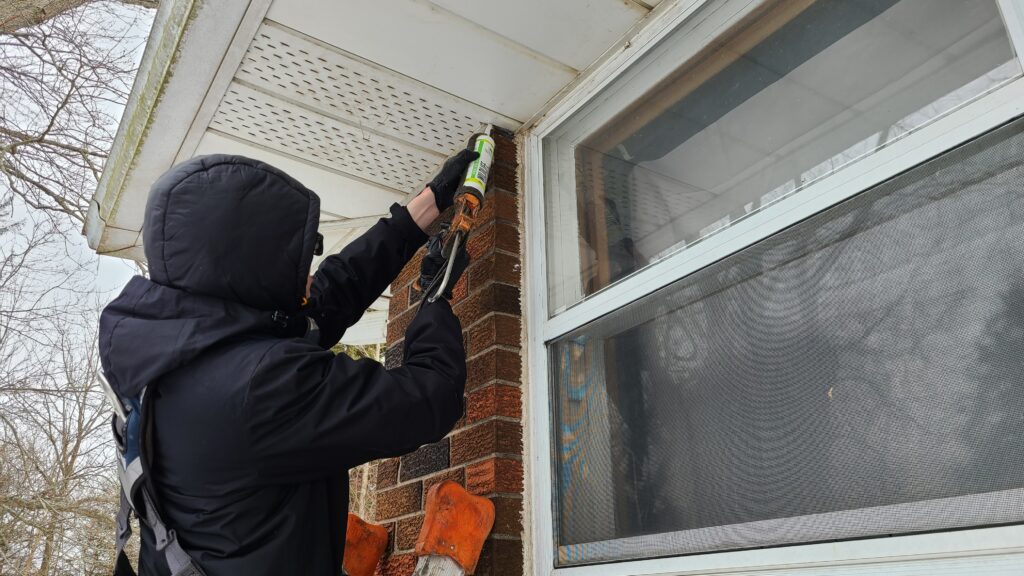
At Skedaddle, we focus on humane solutions that address the full problem. We use one-way doors that allow mice to leave but block re-entry. This clears the home without trapping or forcing movement deeper inside.
After exit points are managed, entry areas are sealed. This helps prevent future access. Our approach supports long-term protection for mice without putting homeowners at risk.
Protect Homes From Mice In Colorado Homes
You deserve clear answers when activity starts indoors. Mice seek warmth, food, safety, and shelter. Spotting mouse infestation signs early helps reduce long-term issues.
When signs appear, mouse removal in Colorado should always be handled by professionals. At Skedaddle Humane Wildlife Control in Westminster, we provide safe, effective solutions designed to protect homes year-round.
Request an estimate today to learn how we can help protect your space with professional care you can trust.

 Loading...







