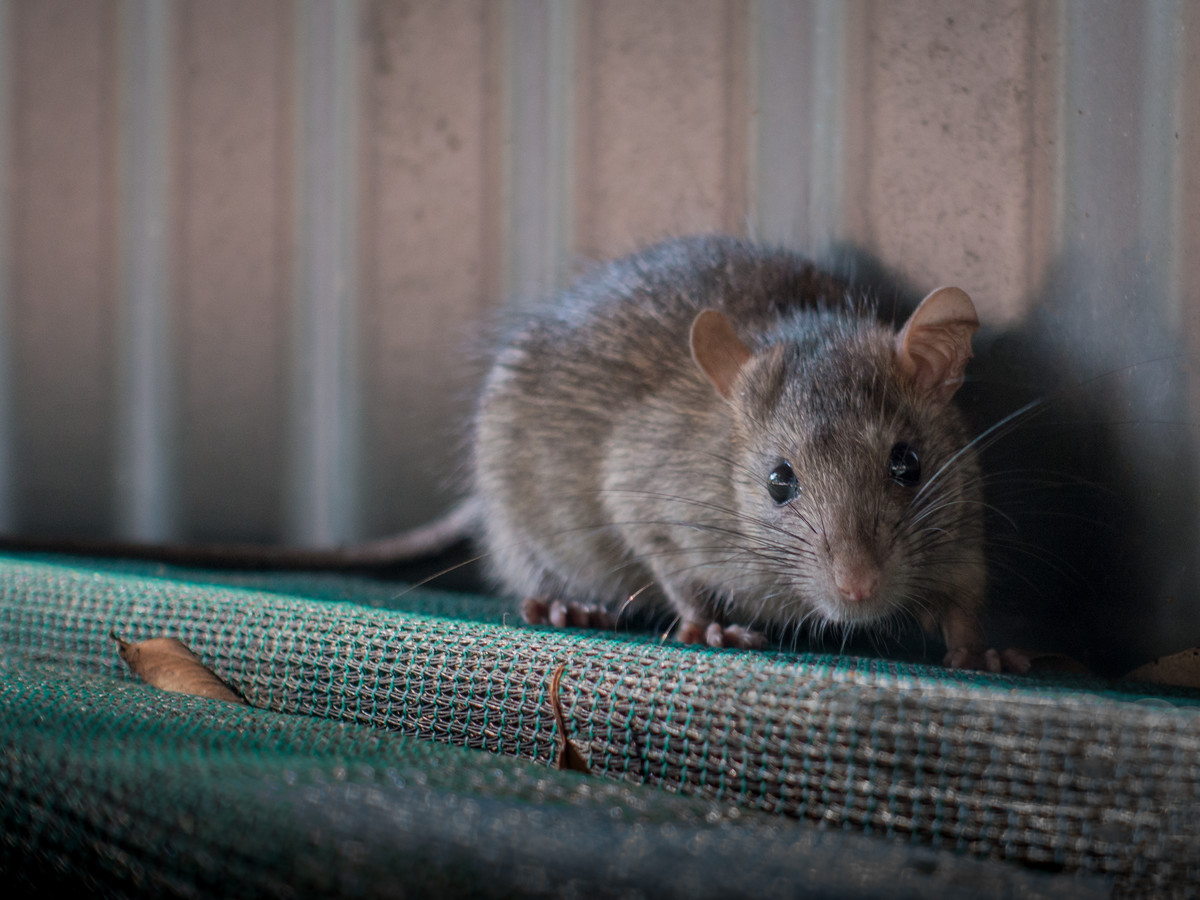
Most homeowners believe their home is sealed tight. Walls look solid. Doors and windows close properly. But wildlife doesn’t always come in through places you can see. In many cases, animals entering through drains use hidden pipe systems as quiet pathways into the home.
Drain pipes connect your house to the outside world. They run underground, pass through foundations, and move up inside walls. When pipes crack, shift, or open into wall spaces, they can become drain pipe wildlife entry routes. Wildlife may never appear outside because the access point stays hidden below ground.
These pipes are often part of a larger network of wildlife home entry points. Drain access can work alongside roof vents, foundations, or siding gaps. This is why hidden entry points can affect how long wildlife removal takes, especially when activity spreads inside walls or lower levels.
In this blog, we explain how drain pipes can become a highway into your home, which types of wildlife use these routes, and why professional removal is the safest option. We also share how our team at Skedaddle Humane Wildlife Control in Whitby approaches drain-related wildlife issues to stop animals from entering through drains for good.
Underground Pipes Create Hidden Travel Routes
Most of the drain system inside a home stays out of sight. Only the sink, shower, or floor drain is visible, while the pipes below run underground through soil and foundation walls. These underground routes already exist where wildlife naturally travels.
Drain pipes create ideal movement paths because they offer:
- Shelter from Weather and Predators: Drain pipes stay dark, enclosed, and protected from rain, wind, and cold. Underground pipes also hide wildlife from larger predators that hunt above ground. This makes pipes feel safer than open yards or exposed spaces. Once wildlife finds this shelter, it often keeps using the same path.
- Steady Moisture and Mild Temperatures: Drain pipes hold moisture year-round, even during dry weather. Underground spaces also stay warmer in winter and cooler in summer. These stable conditions make pipes comfortable places to travel through. Wildlife prefers areas where the temperature does not change too much.
- Organic Buildup that Attracts Insects and Food Sources: Grease, food particles, and waste collect inside drain pipes over time. This buildup attracts insects that feed on the residue. Insects then attract larger wildlife looking for an easy meal. When food is available, pipes become more than a pathway; they become part of the feeding area.
Over time, pipes can connect sewer lines, yards, or storm systems directly to the foundation. When cracks or openings form, wildlife can move from underground spaces straight into wall cavities or floor areas without ever being seen outside.
Early signs often show up indoors. Noises near bathrooms or basements may appear long after the entry route is established. By then, the drain system is already acting as a hidden highway.
Cracked and Aging Pipes Allow Wildlife to Exit Underground Systems
Older plumbing systems face wear from soil movement, water pressure, and natural aging. Underground drain pipes can crack, separate, or weaken, especially near foundation walls.
Common causes include:
- Soil Settling or Shifting: Soil around a home slowly moves over time. Heavy rain, freezing and thawing, or nearby construction can cause the ground to shift. When this happens, drain pipes can pull apart or crack at weak points. Even small shifts can create gaps large enough for wildlife to pass through.
- Breakdown of Aging Pipe Materials: Older drain pipes wear down as the years pass. Materials can weaken, rust, or become brittle. Small cracks may form and slowly grow larger. These weak spots make it easier for wildlife to leave underground pipes and enter the home.
- Pressure from Growing Tree Roots: Tree roots search for water and often grow toward drain pipes. As roots grow thicker, they press against the pipe walls. This pressure can crack or break the pipe over time. Once a pipe is damaged, wildlife can use the opening to move into nearby spaces.
These changes create gaps that allow wildlife to exit underground systems and enter wall cavities or crawl spaces. Because the damage happens below ground, this type of drain pipe wildlife entry often goes unnoticed.
Movement inside walls may be heard without any visible outdoor opening. That hidden entry point allows wildlife to move freely while remaining out of sight.
Vertical Pipes and Vents Let Wildlife Travel Upward
Drain systems don’t only move water downward. Many pipes run vertically through walls and connect to roof vents.
Some wildlife can climb rough pipe surfaces, navigate vertical shafts, and use vent stacks as access points
Rodents and other skilled climbers often use these routes to travel upward into wall spaces, attic areas, or ceiling voids. Activity may appear near kitchens, bathrooms, or laundry rooms, where vertical plumbing is most common.
These areas become active wildlife home entry points when drain access connects directly to living spaces.
Organic Buildup Turns Pipes Into Living Spaces
Drain pipes rarely stay clean inside. Grease, food particles, soap residue, and organic material collect along pipe walls over time.
This buildup supports insect populations, which then attract larger wildlife searching for food. A pattern often develops:
- Organic Residue Builds Inside Pipes: Grease, food scraps, soap, and waste slowly stick to the inside of drain pipes. Over time, this material forms a slimy layer along the pipe walls. The buildup does not wash away easily and continues to grow. This creates a surface that supports other forms of life.
- Insects Thrive in Dark, Moist Spaces: Drain pipes stay dark and damp, which makes them a good place for insects. Small bugs feed on the organic material inside the pipes. They also lay eggs in these moist areas. As insect numbers grow, the pipes become an active food source.
- Wildlife Follows the Food Source: When insects are present, larger wildlife follow. The smell and movement of insects signal an easy meal. Wildlife uses drain pipes to reach these food sources without being seen. Once food is found, pipes are used again and again as a travel route.
When pipes become part of a feeding area, animals entering through drains no longer need open gaps to access interior spaces. The drain itself becomes part of the habitat and travel route.
Gaps Where Pipes Enter the Home Act Like Doorways
Small gaps form where pipes pass through floors, walls, and foundations. These openings often remain hidden behind cabinets, inside wall cavities, or under sinks.
Gaps develop because homes naturally settle, seals weaken over time, and pipes shift slightly during regular use. Once wildlife reaches these areas through drain systems, the gaps become easy access points into wall spaces and living areas. Even well-sealed homes can develop these hidden wildlife home entry points.
Different Wildlife Use Drain Pipes in Different Ways
Not all wildlife uses drain pipes the same way. Behaviour patterns change based on species, which directly affects how entry occurs and how removal is planned.
Rodents often travel between underground systems and interior spaces using pipes and vertical shafts. Their cautious nature can influence how quickly they exit once access routes are controlled.
Insects and spiders follow moisture and organic buildup, frequently appearing near sinks, showers, or floor drains.
Some wildlife combines drain access with roof vents, foundations, or siding gaps, creating layered entry routes. This is why full inspections remain essential before setting expectations for removal.
Why Drain Pipe Entry Affects Wildlife Removal Timelines
Hidden entry routes make wildlife removal more complex. When drain-related access is involved, wildlife can move through walls, floors, and connected spaces before anyone notices a problem. This hidden movement allows activity to spread, which can affect how removal is planned and how long the process takes.
Timelines depend on how far wildlife has travelled through the drain system, whether more than one entry point connects to those pipes, and how much damage exists near exit areas. Some situations are straightforward and may be resolved within days. Others require careful monitoring and staged prevention to ensure wildlife has fully exited. Our professional planning keeps the process controlled, thorough, and safe from start to finish.
How Our Team Handles Drain Pipe Wildlife Entry
Drain-related wildlife problems are often harder to spot than other entry issues. Pipes run underground, behind walls, and through floors, which means access points stay hidden. Wildlife can move through these spaces without being seen, creating risks that go beyond noise alone. Contamination, damage, and repeated entry are all concerns when drain systems are involved.
Because these situations are complex, professional handling matters. The goal is not just to remove wildlife, but to make sure every part of the hidden pathway is addressed. Treating only what can be seen often leaves the real problem untouched.
Our wildlife team focuses on:
- Locating all drain-based access routes
Locating all drain-based access routes - Identifying exit locations inside the home
- Installing one-way doors that allow wildlife to leave but not re-enter
- Securing all connected entry points once activity stops
This approach treats the full route wildlife used, not just the signs that were easiest to spot.
Wildlife Drain Pipe Prevention With Our Professional Team
Removal alone is not enough when drain systems are involved. Lasting protection depends on prevention that targets every access point connected to pipes and plumbing areas.
Drain-related entry often works together with other weak spots. If even one opening is missed, wildlife can return through the same network. Prevention is planned carefully and only completed once wildlife has fully exited.
Our professional prevention focuses on:
- Sealing pipe entry gaps properly
- Reinforcing vulnerable plumbing access areas
- Repairing damage caused by the drain pipe wildlife entry
- Protecting all connected wildlife home entry points
This process prevents repeat infestations while keeping removal humane and controlled.
Stop Animals Entering Through Drains Before the Problem Grows
Drain pipes rarely seem like a problem, but wildlife often sees them as an easy way inside. These hidden systems connect the outside of your home to spaces you never see, which is why animals entering through drains can happen without warning. Over time, drain pipe wildlife entry can become part of a larger pattern of wildlife home entry points.
Clear answers make it easier to know what comes next. When drain systems are involved, our professional inspection helps explain where wildlife is entering and how the issue can be resolved safely. To take the next step, request an estimate from Skedaddle Humane Wildlife Control in Whitby to stop wildlife from returning and protect your home with confidence.

 Loading...







