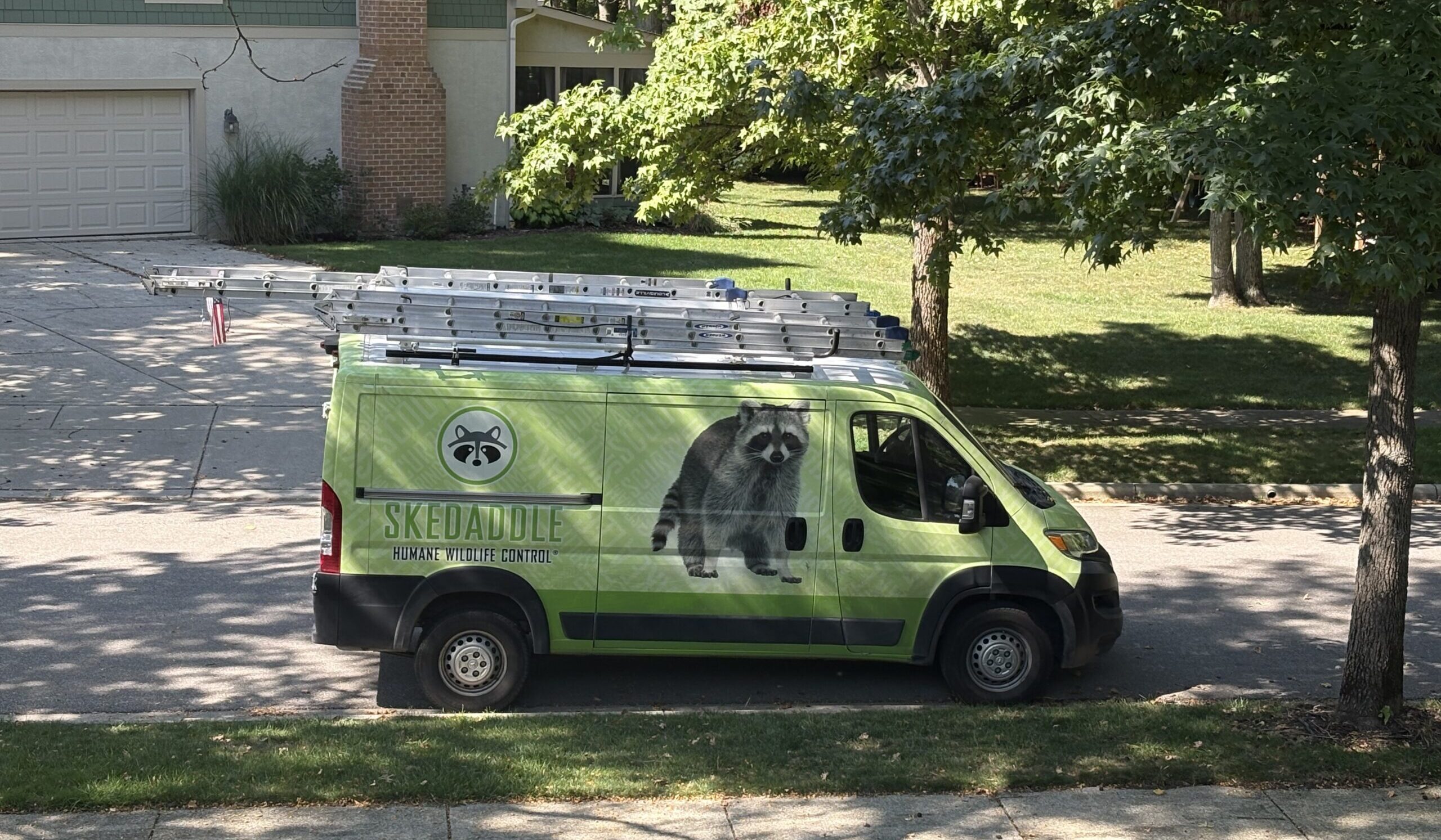
You love your home. You picked out the colors, the furniture, and maybe even the layout. But did you know that some of those design choices might be rolling out the red carpet for unwanted guests? It’s true—your home’s design could play an unexpected role in attracting wildlife like raccoons, squirrels, and mice. Features such as exterior vents, roofing gaps, or even specific landscaping choices can create easy access points—or worse, an open invitation—for these animals to move in.
This blog is for homeowners who want to protect their living spaces, no matter if you live in a sleek, modern home or a charming, older residence. We’ll explore the top home design that attracts wildlife trends and highlight practical steps to mitigate these risks. You’ll gain insight into vulnerable areas of your property, learn how to identify trouble spots, and understand the value of professional solutions.
Why is this important? Wildlife inside your home isn’t just a nuisance—it can lead to property damage, health risks, and costly repairs. That’s why taking proactive measures is key. At Skedaddle Humane Wildlife Control in Reynoldsburg, we’re here to help you identify and address these concerns before they turn into bigger problems. Keep reading to take the first step toward a safer, critter-free home.
Why Do Animals Get into New Homes?
It seems strange to think that a brand-new house could have wildlife problems. After all, everything is fresh and clean. But animals are very smart, and they are always looking for a warm, safe place to sleep. Sometimes, the way modern homes are built gives them exactly what they need.
Builders often use materials and designs that look great but might have tiny hidden gaps. A mouse only needs a hole the size of a dime to squeeze through. A bat needs even less space. When you combine these small openings with the warmth coming from your house, it becomes a perfect shelter for animals.
In areas like Reynoldsburg, where neighborhoods are often close to parks or wooded areas, the risk is even higher. Animals are used to living near people. When they smell food or feel heat leaking from a vent or a roofline, they will try to get in. It is not because your house is dirty; it is often just because of home design that attracts wildlife without you even knowing it.
Modern Architecture and Hidden Gaps
Modern homes look sleek and clean. They often have flat roofs, sharp angles, and mixed materials like wood and stone. While these look beautiful, they can create unique problems. The spots where different materials meet are often where gaps form.
- Roof Overhangs: Modern designs often have large overhangs. These are great for shade, but they can be easy climbing spots for squirrels or raccoons. If the soffit (the material under the overhang) is not secure, animals can push it up and climb right into the attic.
- Vents and Pipes: New homes have lots of vents for bathrooms, kitchens, and laundry. If these vents are placed where animals can reach them, or if the covers are made of weak plastic, animals can chew right through.
- Hidden Corners: Sharp angles create corners that are hard to see from the ground. These dark, hidden spots are perfect for animals to nest or chew a hole without you noticing until it is too late.
Decks and Patios Low to the Ground
We all love a good deck or patio. It is a great place to relax outside. Low-profile decks that are just a few inches off the ground are very trendy right now. They look nice and blend in with the yard. However, these low spaces are like five-star hotels for digging animals.
- Skunks and Groundhogs: These animals love to dig burrows under structures. A low deck provides a perfect roof for their home. It keeps them dry and safe from predators.
- Hard to Inspect: When a deck is very low to the ground, you cannot see what is happening underneath. An animal could live there for months, having babies and causing damage, without you knowing.
- Foundation Damage: If animals dig too close to your house foundation under the deck, it can cause water to pool or even cracks to form over time.
If you have a low deck, never try to crawl under it to chase animals out. That is dangerous. Instead, relying on a professional team like ours is the safest way to deal with wildlife problems in modern homes.
The Problem with Decorative Vents and Chimneys
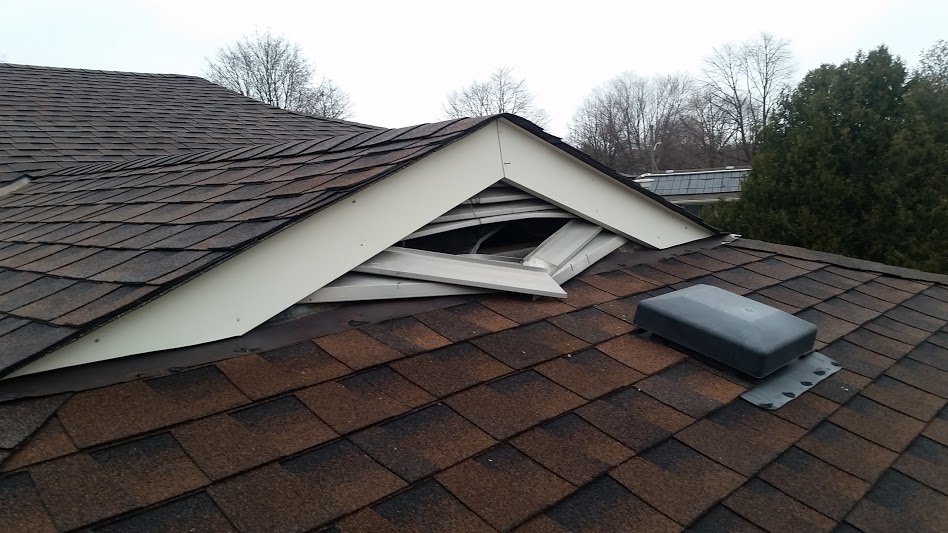
Chimneys and vents are important parts of your home, but they can also become easy entry points for animals. In the past, chimneys were simple brick stacks. Today, they are often designed to match the style of the house. Decorative caps may look nice, but if they are not made of strong metal, they will not stop a determined raccoon.
Many builders use plastic vent covers because they are affordable and look clean. However, squirrels can chew through plastic in just a few minutes. Once the cover is damaged, the vent becomes an open tunnel into your attic. What looks sealed from the ground may actually be wide open to animals.
Uncapped chimneys are another major risk. Birds, bats, and raccoons can climb down or fall inside to build nests. Loose flashing around the base of the chimney can also create small gaps. Even tiny openings are enough for animals to squeeze into your attic and make themselves at home.
Landscaping Choices Right Against the House
Landscaping is a huge part of curb appeal. Thick bushes, tall trees, and climbing ivy look beautiful. However, planting these things too close to your home is one of the top home design trends that accidentally invite wildlife.
- Tree Branches: If tree branches touch your roof or hang over it, they act like bridges. Squirrels and raccoons use them to jump onto your house. Once on the roof, they search for weak spots to break in.
- Dense Shrubs: Thick bushes right against the wall give animals cover. They can hide there while they chew on your siding or dig under your foundation. It makes them feel safe because you cannot see them.
- Climbing Plants: Ivy looks classic, but it is basically a ladder for mice and bugs. It creates a textured surface that is easy to climb, leading straight to windows and eaves.
It is important to keep a clear space between your plants and your house. This makes it harder for animals to get close unnoticed.
Outdoor Kitchens and Fire Pits
Outdoor living spaces are very popular. Full outdoor kitchens with fridges, grills, and sinks make hosting easy and fun. But these spaces can also attract hungry animals. Food smells, water, and shelter all draw them in.
Even after you clean the grill, grease and food scents can linger. Animals have strong noses and can smell leftovers from far away. Sinks and leaky hoses provide fresh water, which animals need just as much as food. This makes your patio an inviting stop.
Outdoor kitchen cabinets and built-in structures can also create warm, dry hiding spots. Mice and other small animals may nest inside these spaces. If animals move in, trapping them yourself usually does not fix the problem long-term. Professional removal and prevention are the safest way to protect your home.
Large Windows and Glass Doors
Modern homes often feature walls of glass or huge sliding doors to let in natural light. This connects the indoors with the outdoors. But sometimes, it confuses wildlife.
- Bird Strikes: Birds often cannot see glass. They see the reflection of trees and sky. This leads to birds flying into windows, which can hurt them or damage your home.
- Seeing Inside: While it is rare for animals to break glass to get in, seeing plants or food inside might make them more curious. They might explore around the window frames, looking for gaps in the seal.
- Seal Failures: Large glass doors have large frames. If the weather stripping wears out, it creates a gap at the bottom. Mice can squeeze through incredibly small gaps under doors to get inside where it is warm.
Checking the seals around your doors and windows is a good habit. But if you find a gap, you need to make sure no animals are already inside before you seal it up.
How We Protect Your Home
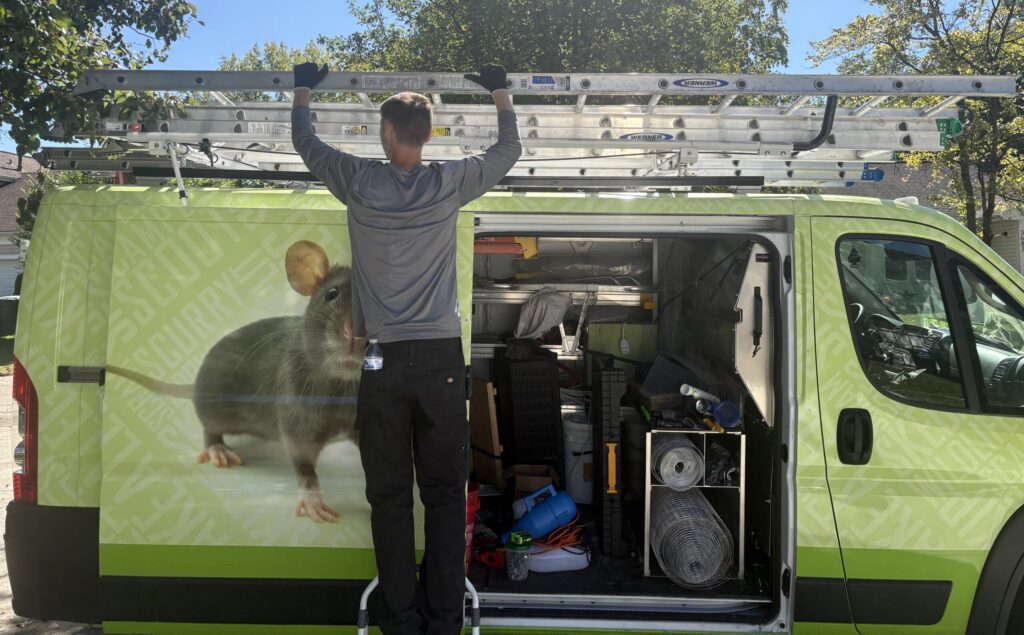
At Skedaddle Humane Wildlife Control, we handle things differently. We don’t just guess; we have a proven process. We understand home design that attracts wildlife and know exactly where to look.
First, we start with a complete inspection. We look at your roof, your vents, your deck, and every inch of your home’s exterior. We find the entry points that you might have missed. We also check for babies, because keeping animal families together is important to us.
Next, we use specialized hands-on techniques to remove the animals safely. We do not use harmful poisons. Instead, we use clever one-way doors. These devices are placed over the entry hole. They allow the animals to leave your house to find food, but they cannot open the door to get back in. It is a simple, humane way to clear your home.
Finally, we seal up the entry points with heavy-duty metal screening and sealant. This prevents the animals from chewing their way back in. We also clean up the mess they left behind to keep your family safe from germs.
Protect Your Home Today
Your home should be a safe and comfortable place for your family. It should not become a shelter for animals looking for warmth and protection. When you understand how certain home design attracts wildlife, you take the first step toward real prevention. Features like low decks, modern rooflines, and thick landscaping may look great, but they can also create easy access points. Knowing this helps you protect your investment before damage begins.
You do not want to ignore early warning signs like scratching sounds, nesting material, or small gaps along your roof. The longer animals stay inside your home, the more insulation they damage and the more contamination they leave behind. Small openings can quickly turn into larger problems. Acting early helps prevent costly repairs and ongoing stress.
You deserve peace of mind knowing your home is secure. Our team at Skedaddle Humane Wildlife Control in Reynoldsburg understands how animals think and how they find entry points. We inspect, remove, and seal your home using proven, humane methods that work long term. Contact us today to request an estimate and protect your home before minor issues become major repairs.

 Loading...







