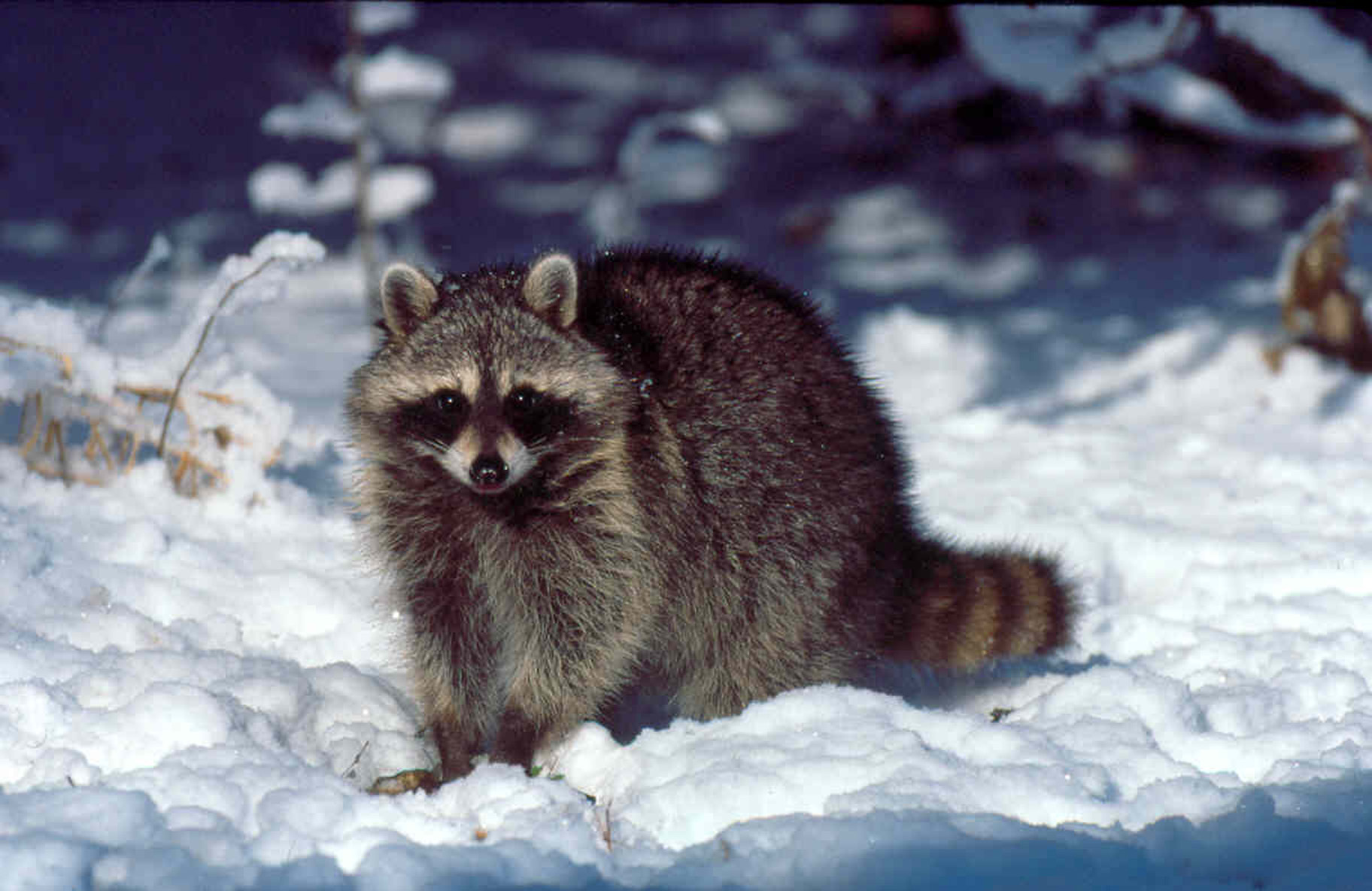
You walk into your garage and notice a mess. Garbage bags torn open. Paw prints on the floor. Maybe you even hear scratching in the corner. If this sounds familiar, you may be dealing with raccoons in your garage.
These animals are smart, strong, and curious. Once they find their way inside, they can cause big problems. They rip into bins, damage wiring, and leave droppings behind. The longer they stay, the worse the damage gets. That’s why you need to get rid of raccoons in your garage and prevent damage for good.
So, how do you keep raccoons out of your garage for good? The answer starts with knowing the signs, spotting weak points, and calling experts when you need emergency raccoon removal. At Skedaddle Humane Wildlife Control in Whitby, we help families protect their homes every day.
In this blog, you’ll learn how to spot the warning signs, how professionals keep raccoons out, and why acting fast makes all the difference.
Signs of Raccoons in Your Garage: What to Look For
If you’re not sure what’s happening in your garage, there are clear clues to watch for.
- Loud Noises at Night: Raccoons are most active after dark. If you hear scratching, thumping, or knocking sounds in the garage when the house is quiet, that’s a big warning. These noises often mean animals are moving around, looking for food, or building a nest.
- Garbage Strewn Across the Floor: One of the easiest signs to spot is trash spread everywhere. Raccoons are strong enough to knock over bins and smart enough to pull lids open. If you see garbage scattered often, it usually means they have already made your garage part of their nightly routine.
- Droppings and Urine Smells: If your garage smells bad, you may have more than just a mess. Droppings and urine leave strong odours that don’t go away on their own. These smells also attract other wildlife, which can make the problem worse if it’s not addressed quickly.
- Tracks and Paw Prints: Dusty floors or surfaces can reveal small hand-shaped prints. These tracks are a clear sign of raccoon activity. The more tracks you find, the more likely it is that your garage is being used as a regular hangout.
- Chewed Items: Raccoons chew through almost anything—plastic, wood, even wires. If you see damaged corners, cords, or storage boxes, it’s time to act fast. Left alone, this chewing can turn into serious safety issues, like damaged wiring or fire hazards.
Once you notice these clues, don’t wait. Every day you delay makes it harder to get rid of raccoons in your garage and prevent damage for good.
Why Raccoons Target Garages
Garages seem safe and warm compared to the outdoors, especially in winter. Raccoons are looking for food, water, and shelter. If your garage offers any of these, it becomes an easy target.
- Food: Garbage bins, pet food, or even bird seed can attract them.
- Shelter: Dark corners, attics above garages, or cluttered storage areas look like safe nesting spots.
- Warmth: Garages hold heat better than sheds or porches, making them perfect when the temperature drops.
You can’t control the needs of wildlife, but you can control whether your garage looks like a welcome mat.
Humanely Keep Raccoons Out of Your Garage: Safe & Effective Methods
You may be wondering—what actually works when it comes to keeping raccoons out for good? Here’s how professionals approach it:
- Seal Entry Points: Every gap, hole, or broken vent is a doorway. Experts inspect carefully and seal these spots so animals can’t return.
- Install One-Way Doors: Humane wildlife control uses doors that let raccoons leave, but not re-enter. This clears the garage without trapping or harming them.
- Protect Food Sources: Garbage bins with tight lids, no open bags, and no pet food outdoors. Removing easy meals keeps raccoons from coming back.
- Reinforce Weak Spots: Thin siding, loose soffits, or gaps near the roofline are reinforced. Strong barriers stop repeat visits.
These methods aren’t just quick fixes. They’re long-term solutions designed to keep raccoons out of your garage and prevent damage for good.
The Dangers of Waiting Too Long
It may be tempting to hope the problem goes away on its own. But waiting almost always makes things worse.
- Bigger Mess: Trash, droppings, and nesting materials pile up quickly.
- More Damage: Chewed wires, ripped insulation, and broken vents cost more to repair.
- Health Risks: Droppings can carry bacteria that spread to surfaces or even through the air.
- Repeat Problems: Once a raccoon finds shelter in your garage, they’re likely to return again and again.
Getting our professional emergency raccoon removal early saves you stress, money, and safety concerns.
Everyday Habits That Make a Difference
Small changes in how you maintain your garage can help prevent animals from moving in.
- Check Doors and Windows: Even small gaps give raccoons a way in. Keep seals tight and repair broken frames.
- Keep Things Organized: Clutter gives raccoons places to hide. Storing boxes on shelves instead of the floor makes your garage less inviting.
- Use Motion Lights: Sudden bright lights can scare animals away before they get too close.
- Inspect Regularly: A quick look around once a week can catch small problems before they turn into big ones.
These steps help, but they work best when paired with professional support to fully keep raccoons out of your garage.
Why Professional Help Matters
You may wonder—why not just try to handle it yourself? The truth is, raccoons are stronger and smarter than most people expect. They can bite, scratch, and carry diseases. Trying to deal with them without training is unsafe.
At Skedaddle Humane Wildlife Control, we use proven methods that protect both your home and the animals. Our goal isn’t just to remove them once, but to keep them out for good. That’s the peace of mind you need when your family and property are on the line.
Protecting Your Garage for Every Season
Garages are often the easiest part of the house for raccoons to enter. But with the right steps, you can stop problems before they start.
- Winter: Animals seek warmth. Seal openings early.
- Spring: Breeding season makes garages even more appealing. Extra inspections help.
- Summer: Food is plentiful outdoors, but raccoons may still sneak in. Stay alert.
- Fall: As the weather cools, prepare your garage for the months ahead.
Staying on top of seasonal changes helps you get rid of raccoons in your garage and prevent damage for good.
Protecting Pets and Family
It’s not just about property. A raccoon in the garage puts your pets and family at risk. Pets may try to chase or fight them, leading to injuries. Children may wander into the garage without knowing there’s danger inside.
Professional emergency raccoon removal gives you peace of mind. You know your garage is safe, your pets are protected, and your family doesn’t have to worry about surprise encounters.
Long-Term Prevention Tips
Want to make sure your garage stays raccoon-free? Experts often suggest these steps:
- Keep garbage in strong bins with secure lids.
- Repair damaged vents, soffits, or siding right away.
- Trim branches that hang near the garage roof.
- Don’t store pet food or bird seed where animals can reach it.
- Schedule regular inspections with wildlife professionals.
These raccoon-proofing habits go a long way in keeping your garage safe.
Keep Raccoons Out of Your Garage For Good
If you’ve seen signs of wildlife in your garage, don’t wait. The damage only grows with time. You need expert support to get rid of raccoons in your garage and prevent damage for good.
At Skedaddle Humane Wildlife Control in Whitby, we specialize in humane solutions that keep your family, pets, and property safe. Our emergency raccoon removal services ensure your garage is cleared and secured the right way.
Contact Skedaddle for emergency raccoon removal from your garage. Let us help you keep raccoons out of your garage—and out of your life—for good.

 Loading...