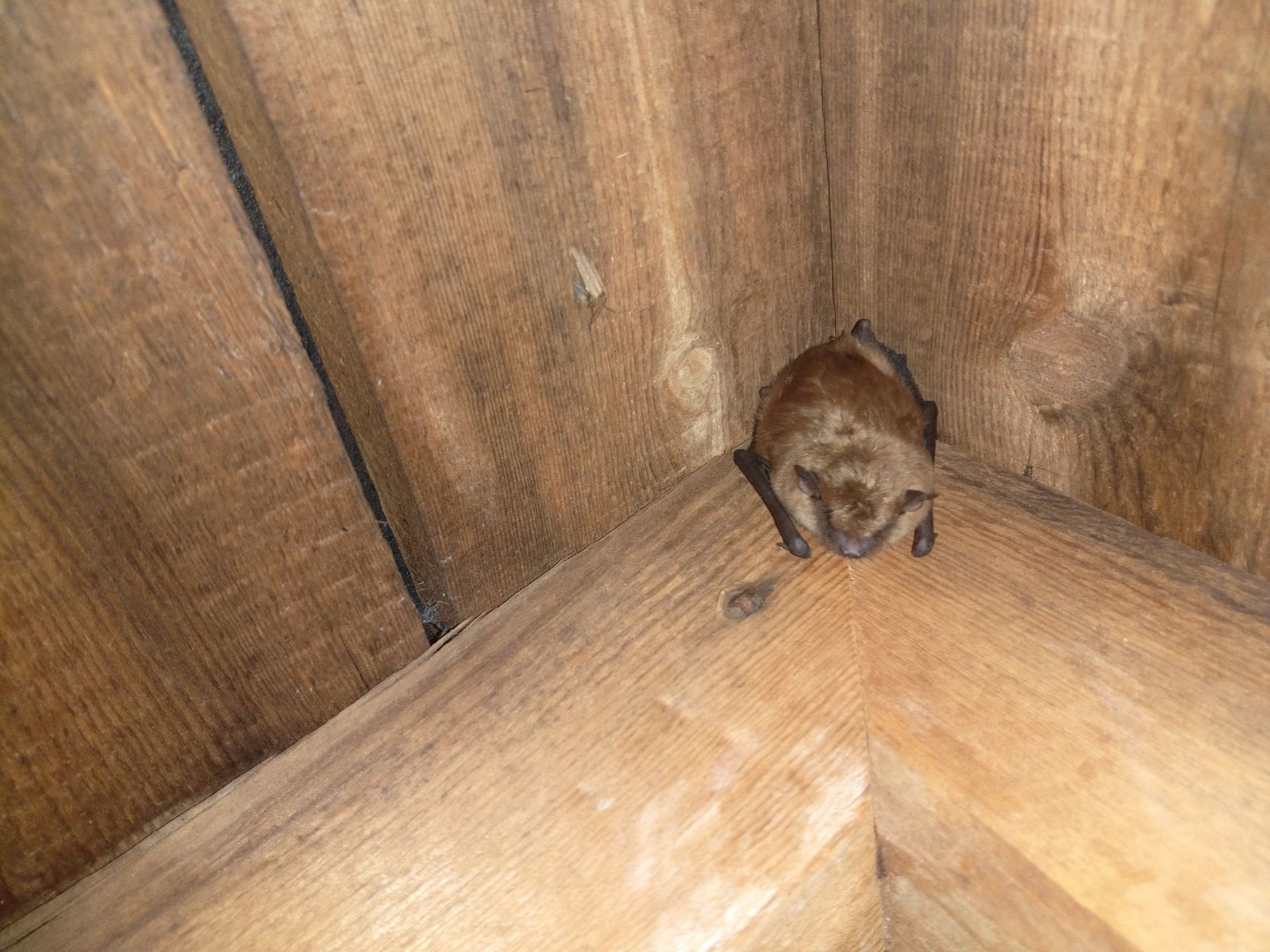
Each winter, homeowners around Franklinton and beyond face a wave of confusion due to winter bat myths in Ohio. Many believe these mammals completely disappear during the colder months, while others worry about sudden invasions or misunderstand what bat activity inside a home really means. Bats have unique and surprising ways of surviving winter, and not all of our assumptions are accurate. We’re here to clear up these bat hibernation misconceptions and provide you with the facts every Ohio homeowner needs.
Let’s separate fact from fiction and address the most common homeowner bat myths associated with winter. By understanding the real story, you’ll be better prepared to keep your home, family, and local wildlife safe throughout the winter season.
Hibernation Misconceptions
Hibernation often brings to mind animals retreating to distant caves or disappearing entirely until spring. However, the reality of hibernation, particularly for Ohio’s native species, is much more complex.
Common misconceptions include the belief that all bats fly south for the winter or that they can’t survive Ohio’s cold. Additionally, many assume that finding a bat in their attic during winter means it’s active or that bats won’t awaken during hibernation. Some even think it’s safe to remove bats from the home at any time of year.
In truth, bats enter a state called torpor—a deep sleep that significantly slows their breathing and heart rate to conserve energy. This ability allows them to survive the cold but doesn’t make them completely out of reach or unmovable. In fact, certain species remain in Ohio, taking refuge in attics, walls, or microhabitats, especially in places like Franklinton, where older buildings provide ample nooks for them to settle in.
Learning how bats survive winter is the first step to becoming a more informed homeowner. Let’s delve deeper into what’s actually happening inside your home during the colder months.
Debunking Homeowner Myths This Winter
We often hear from Franklinton residents who are surprised to find bats—or evidence of their activity—in winter. These myths can lead to stress and costly mistakes.
Here are key facts homeowners should know:
- Bats can enter homes through holes as small as a dime, invading attics, chimney gaps, or wall spaces—especially as temperatures drop.
- If you see one indoors in winter, it most likely originated from within the home rather than outside.
- A single bat in your living space usually signals a hidden colony, especially if an inspection hasn’t been conducted.
- Bats hibernate quietly, so large infestations might go unnoticed until spring unless you know the signs to look for.
Disrupting bats during their hibernation is both unsafe and illegal in many areas of North America. Waking a hibernating bat drains its energy reserves, crucial for surviving winter, and increases the risk of disease exposure due to heightened movement and droppings in your living space.
To mitigate these risks, Skedaddle technicians conduct comprehensive attic and roofline inspections in late summer or early fall when colonies are most active, facilitating humane exclusion before full hibernation sets in and preventing long-term contamination and health risks.
What Really Happens to Bats in Winter?
Let’s illuminate winter bat myths using scientific insight and field experience.
While some common species, like the Little Brown Bat and Big Brown Bat, migrate, many remain local. Here’s a look at what transpires:
- Some bats may migrate south; however, many hibernate locally, finding refuge within buildings or natural crevices.
- Warm spaces such as attics, wall voids, and chimney proximities offer prime hibernation spots.
- During hibernation, bats appear motionless but may occasionally shift or rouse.
- They survive long cold intervals by drastically slowing their metabolism, relying on the safety of their chosen space.
It’s vital to note that species like the Red Bat don’t migrate to caves or out of state, as commonly assumed. This species seeks protected microhabitats, such as under leaf litter or inside hollow trees. Therefore, even urbanized areas like Franklinton can serve as winter habitats for native bats.
Key winter behavior facts to remember include:
- Not all bats migrate; many hibernate locally.
- Bats require uninterrupted, safe roosts to endure the cold.
- Homeowners can help protect these creatures and their property by understanding hibernation requirements.
Grasping these behaviors is crucial for making informed wildlife control decisions, particularly in older neighborhoods that may conceal numerous bat entry points.
Common Winter Bat Myths Busted
Misinformation about bats’ winter behavior and whereabouts abounds. Here are five myths we often hear, with the facts you need:
- “All bats leave for the winter.” Despite this belief, several species, like the Red Bat and Big Brown Bat, hibernate locally, occupying places from attics to leafy ground cover.
- “If I see one bat in winter, it flew in through an open door.” In reality, a winter sighting suggests an unseen colony within your home.
- “Droppings found in winter indicate they live elsewhere.” Guano found in attics or near wall voids is direct proof of bats roosting in your home, even if unseen.
- “You can remove or exclude bats at any time.” Hibernating bats may not survive if exclusion happens in winter. Timing is crucial; it’s safest and most humane in late summer or early fall.
- “If bats are hibernating, there’s nothing to worry about.” Their droppings contain health risks, such as histoplasmosis, and colonies can cause costly insulation damage over time.
By dispelling these myths, Franklinton homeowners sidestep surprises and damage linked to outdated beliefs.
Why Expert Help is Required for Bat Removal
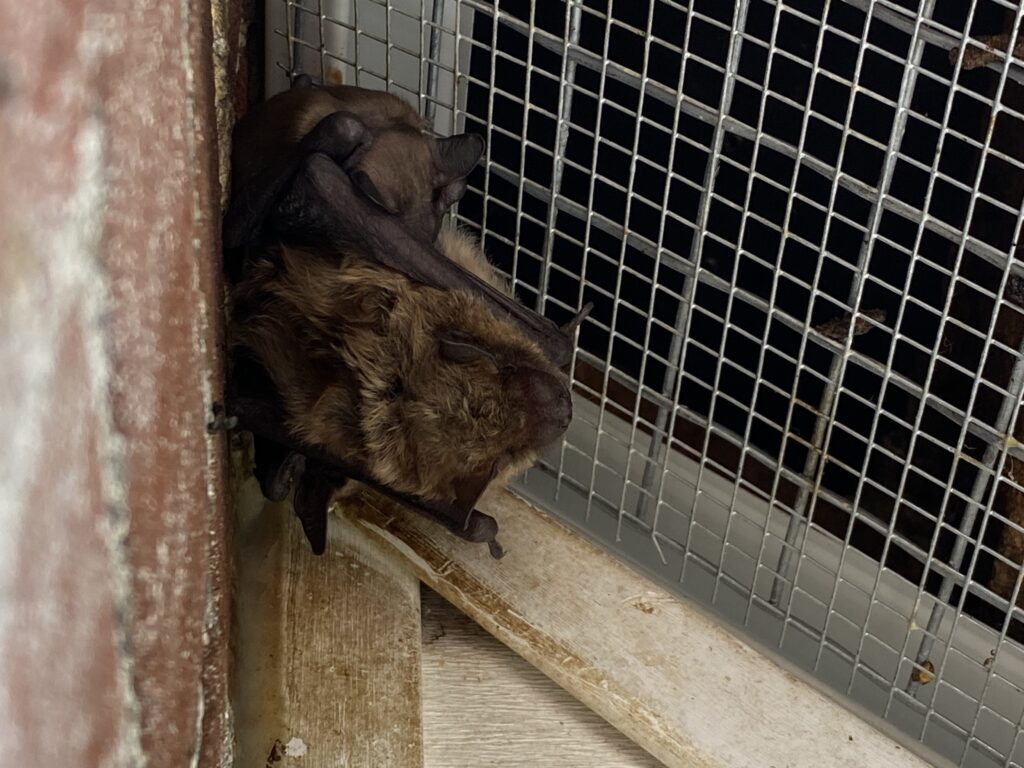
Having explored winter bat myths, here’s what happens if you find bats on your property during winter. In such situations, expert intervention from Skedaddle is invaluable. We prioritize safeguarding your home, health, and the bats themselves.
Our control services deliver precision and care at every step. We begin with a meticulous property inspection covering 35–50 points to identify all entry and exit locations, since bats can fit through gaps as small as 6 millimeters.
For existing colonies, we determine the optimal timing for humane removal, following legal and biological guidelines to prevent harm. Temporary one-way doors allow bats to exit but not re-enter, and every entry point is sealed with our wildlife exclusion sealant, backed by a lifetime warranty.
Comprehensive cleanup, including removal of potentially contaminated insulation and odor control, is also provided. For Franklinton residents, we bring specialized knowledge of local construction styles and aging roofs, including properties near landmarks like the Scioto Mile.
Contacting Skedaddle at the first sign of winter bat activity helps prevent risks such as unintended exposure to diseases like histoplasmosis, ongoing structural damage from guano accumulation, and recurrent invasions if entry points are not properly sealed.
When Is It Safe to Remove Bats?
Confusion about bat myths often stems from a misunderstanding of when removal is safe. Removal should occur:
- Before hibernation begins in late summer or early fall, when bats are active and young are ready to fly.
- After hibernation in spring, when bats vacate their winter roosts.
- Never during baby season (June to August), to avoid orphaning pups.
Attempting exclusion at improper times endangers bats and can result in legal and ethical dilemmas. Through expert timing and humane exclusion, Skedaddle ensures that bats and homeowners remain protected.
Planning is always preferable. In places like Franklinton, where older homes prevail, a pre-winter or autumn inspection can preempt frustrations, safeguard living spaces, and uphold Ohio’s vital populations.
Get Ahead of Winter Challenges with Skedaddle
Debunking these winter bat myths is the first step towards effective, humane management in your Ohio home. Bats don’t all flee for warmer climates; many remain, residing in attics and wall voids, quietly enduring the winter. Ignoring their presence or acting on misleading myths can lead to structural damage, health risks, and unintentional harm to these crucial, protected species.
Protect your family, home, and local wildlife by turning to the experts. Skedaddle’s trained technicians possess the expertise and tools to detect hidden colonies, schedule safe humane exclusions, and seal every entry point guaranteed with a lifetime warranty. Don’t wait for surprising encounters or damaging guano build-up.
Schedule your professional inspection with Skedaddle now, and enjoy peace of mind, confident that your home and its wild inhabitants are safely and responsibly managed this winter and beyond.

 Loading...