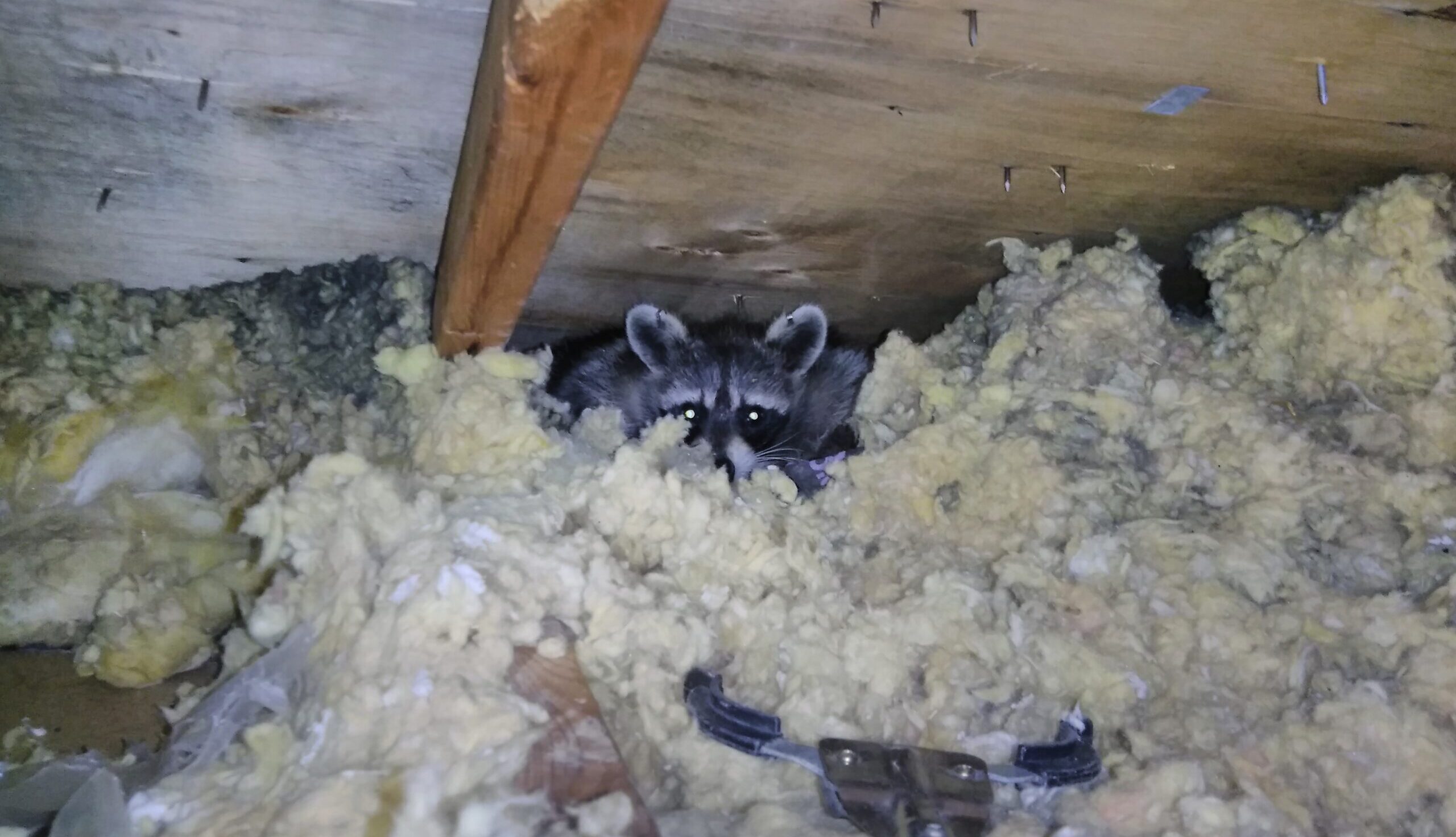
As winter fades and temperatures begin to rise, many homeowners start noticing more wildlife activity around their neighbourhoods. One animal that becomes especially noticeable in the spring is the raccoon. You might spot one crossing a yard at dusk, walking along a fence, or exploring areas around your home.
This seasonal increase in activity isn’t random. Spring marks an important turning point in the raccoon’s yearly cycle. After spending the colder months conserving energy, raccoons begin moving more frequently as they search for food and safe places to raise their young.
For homeowners, this can sometimes lead to unexpected encounters. Rooflines, attics, sheds, and other sheltered areas can occasionally attract raccoons looking for a quiet denning space during baby season.
Understanding why raccoons behave differently in spring can help homeowners recognize what’s normal, what signs to watch for, and when professional wildlife removal may be needed. For residents in Windsor, being aware of these seasonal changes is an important step in protecting both homes and local wildlife.
Why Are Raccoons So Active in Spring?
Spring represents a major shift in the natural rhythm of raccoon behaviour. During the winter months, raccoons enter a slower period where they conserve energy and spend extended time resting in sheltered spaces.
Once temperatures begin to rise, however, that quieter winter pattern ends.
Raccoons begin venturing out more often and travelling greater distances. This increased activity is largely driven by two important seasonal needs: finding food and preparing for the arrival of young.
Food sources that were scarce during winter slowly return in the spring. Insects become active again, plants begin to grow, and other natural food options become easier to find. As a result, raccoons spend more time exploring their surroundings in search of meals.
At the same time, female raccoons are looking for secure den sites where they can safely give birth and care for their babies.
These two factors combined—feeding and denning—lead to the noticeable spike in raccoon activity that many Windsor homeowners observe once spring arrives.
Spring Is Baby Season for Raccoons
One of the most important reasons raccoons behave differently in the spring is that it’s baby season.
Female raccoons typically give birth between March and May. Before this happens, they must find a den that offers safety, warmth, and protection for their young. In natural environments, raccoons may use hollow trees, rock crevices, or abandoned burrows.
In urban and suburban areas, however, structures around homes can sometimes provide similar shelter.
Attics, chimneys, roofline gaps, and other elevated spaces offer several features raccoons look for in a den:
- Protection from predators
- A warm and dry environment
- A quiet, enclosed space
- A location elevated off the ground
Because of this, some female raccoons may attempt to settle in or around parts of a home during the spring.
Once the babies are born, the mother stays close to the den and spends much of her time caring for them. Young raccoons are completely dependent on their mother in the early weeks of life.
Homeowners may notice signs of this denning activity, including:
- Movement in the attic or walls
- Soft chirping or vocal sounds from young raccoons
- Scratching or shuffling noises above ceilings
These sounds often appear during early morning or evening hours when the mother is coming and going to gather food.
Raccoons Spend More Time Searching for Food
Another major driver of spring behaviour is the need to rebuild energy after winter.
Even though raccoons do not hibernate in the traditional sense, they do spend extended periods resting during colder months when food is limited. As spring arrives, they become much more active while searching for reliable sources of nutrition.
Raccoons are highly adaptable foragers and will explore a wide range of environments to find food. Their diet can include:
- Insects and larvae
- Fruits and berries
- Nuts and seeds
- Bird eggs
- Small animals
- Aquatic life such as crayfish and frogs
Because they are intelligent and curious animals, raccoons often investigate residential areas as well. Neighbourhoods can sometimes provide easy access to food sources that wildlife quickly learn to recognize.
This increased searching behaviour means raccoons may spend more time travelling through yards, climbing trees, and moving across rooftops.
For homeowners, these sightings are often the first sign that spring wildlife activity has begun.
Increased Movement Throughout Neighbourhoods
As spring progresses, raccoons tend to expand their range of movement. This means homeowners may notice them travelling through neighbourhoods more frequently than they would during winter.
Male raccoons, in particular, can cover large distances while searching for food and potential mates. Female raccoons may also travel more as they look for safe denning sites before giving birth.
Urban and suburban environments provide a surprising number of resources for wildlife. Mature trees, gardens, and nearby water sources can create ideal habitats within residential areas.
Because raccoons are skilled climbers and excellent problem-solvers, they move easily through these environments. They may be seen:
- Walking along fences
- Climbing trees near homes
- Travelling across rooftops
- Moving through yards at dusk or dawn
While these sightings can be surprising, they are usually part of normal seasonal behaviour.
However, if raccoons begin settling in or around parts of a home, it may indicate that a denning site has been established.
Why Homes Can Become Denning Locations
During the spring, certain parts of a home can sometimes resemble the protected den sites raccoons use in nature.
Attics and roof cavities, in particular, offer several appealing qualities. They are warm, sheltered from the elements, and often quiet enough for a mother raccoon to raise her young without disturbance.
Some of the most common areas raccoons may investigate include:
- Roof vents
- Soffits and fascia boards
- Chimneys
- Gaps along rooflines
- Sheds and outbuildings
Once a female raccoon selects a den location and gives birth, she will remain dedicated to that site while her babies are still dependent on her.
Because of this, situations involving young raccoons require specialized knowledge and careful handling. Separating a mother from her babies can create serious problems for both the animals and the home.
At Skedaddle Humane Wildlife Control, we understand how raccoons behave during baby season. Our team is trained to resolve these situations carefully while ensuring the animals can safely continue their natural cycle outside the home.
Signs Raccoons May Be Denning on Your Property
During the spring months, certain clues can suggest that raccoons may be using part of a property as a denning location.
These signs are often subtle at first but may become more noticeable over time.
Some of the most common indicators include:
- Scratching or shuffling sounds coming from the attic
- Soft chattering or chirping noises from young raccoons
- Movement above ceilings during early morning or evening hours
- Visible entry points along the roofline or soffits
- Frequent sightings of raccoons around the home
In some cases, homeowners may also notice debris or insulation near openings in the roof or attic area.
Because raccoons are intelligent and determined animals, they can sometimes take advantage of small structural gaps that provide access to sheltered spaces.
If these signs appear, it is important to have the situation assessed by trained wildlife professionals who understand how raccoons behave during baby season.
At Skedaddle Humane Wildlife Control, we help Windsor homeowners identify these signs early and address wildlife concerns in a responsible and effective way.
Windsor Wildlife FAQ
Why do raccoons choose attics in the spring?
Attics provide a warm, dry, and protected environment that can resemble natural den sites like hollow trees. For female raccoons preparing to raise their young, these spaces can appear to offer safety and shelter.
Are raccoons more active during the daytime in spring?
Raccoons are generally most active at night, but mothers caring for babies may sometimes be seen during daylight hours while gathering food. Daytime sightings during spring are not unusual.
How long do baby raccoons stay in the den?
Young raccoons typically remain in the den for several weeks while they grow and develop. During this time, the mother regularly leaves the den to search for food and then returns to care for them.
What should homeowners do if they hear animals in the attic?
If unusual sounds are coming from an attic or walls, it is best to contact experienced wildlife professionals who can assess the situation and determine the safest way to resolve it.
At Skedaddle Humane Wildlife Control, we specialize in identifying wildlife activity and resolving these situations with care and expertise.
Why is spring a sensitive time for raccoon removal?
Spring is the period when raccoons are raising their young. Because baby raccoons rely entirely on their mother, any wildlife removal situation must be handled carefully to ensure the animals are protected and the problem is resolved responsibly.
At Skedaddle Humane Wildlife Control, we take this seasonal behaviour into account and ensure that both the home and the animals are treated with the proper care.
Understanding Spring Raccoon Behaviour
Spring is one of the busiest times of year for raccoons. Warmer temperatures, the return of food sources, and the arrival of baby season all contribute to a noticeable increase in wildlife activity.
For homeowners, this can mean seeing raccoons more frequently around neighbourhoods or hearing unexpected sounds coming from areas like attics or rooflines.
In many cases, these behaviours are simply part of the natural seasonal cycle. However, when raccoons begin using parts of a home as a denning space, the situation requires careful attention.
Understanding how raccoons behave during the spring can help homeowners recognize the signs early and respond appropriately.
If you suspect raccoons may be denning in your home, we can help. At Skedaddle Humane Wildlife Control, our team understands raccoon behaviour and uses proven methods to safely resolve wildlife situations while protecting both your home and the animals involved.

 Loading...







