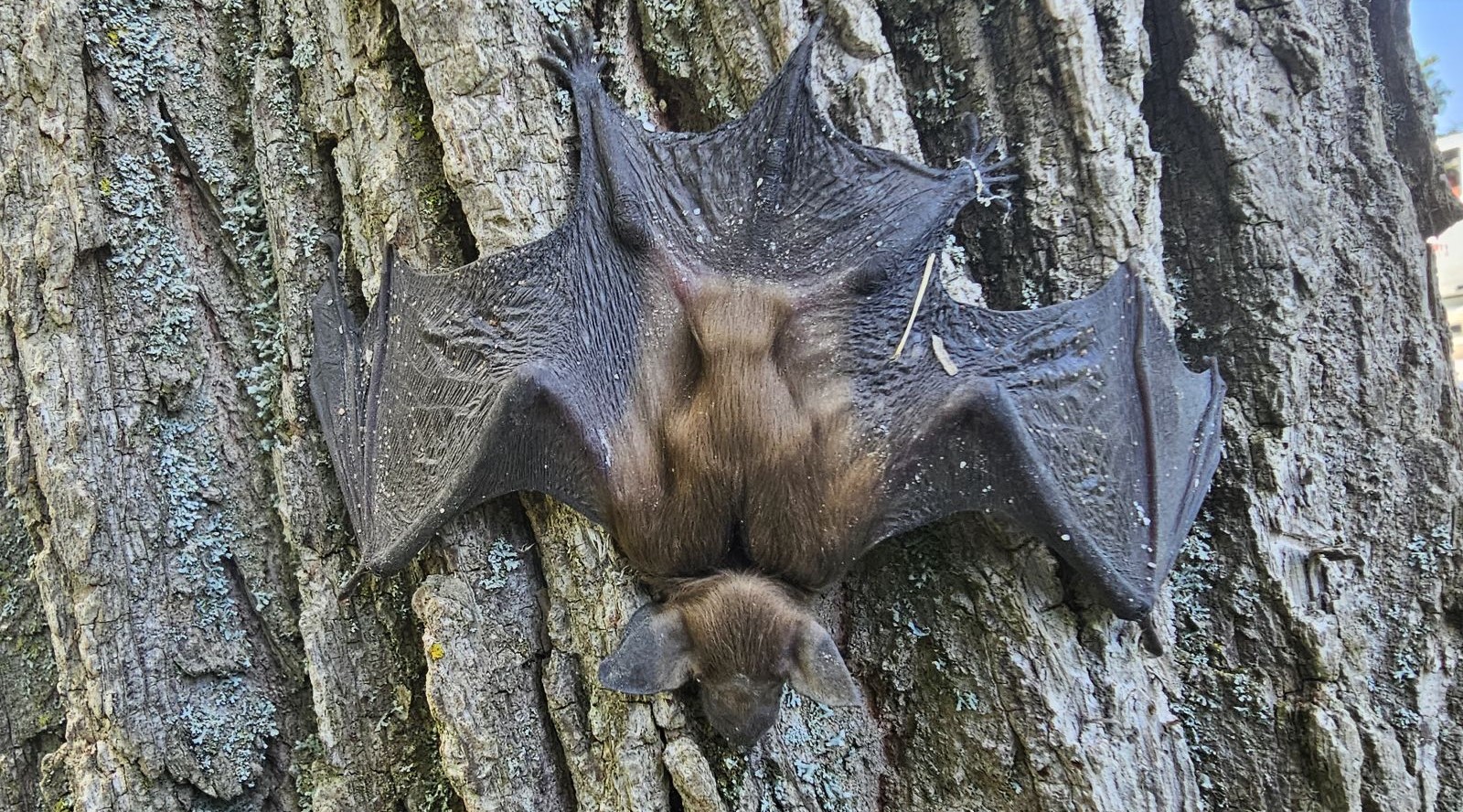

Bats are fascinating creatures that play an important role in keeping Woodbridge’s ecosystem balanced. They help by eating countless insects every night and even pollinate flowers. But while they’re useful outdoors, you definitely don’t want them making a home inside your roof or attic. Because they’re quiet and sleep during the day, it’s easy for bats to go unnoticed—they rarely announce themselves. Paying attention to the early signs of bat infestation can protect your family and home from costly and even dangerous problems down the line.
If you think bats might have moved in, you’re not alone. In Canada, thousands of homeowners discover bats in their homes every year, especially in older neighbourhoods with lots of mature trees. This blog will make it easy to understand what to look for, how to spot the signs, and most importantly—what you should do about it.
Strange Noises in Your Walls and Attic
It’s common for the first warning sign to be strange noises, especially when the house is quiet in the early morning or late at night.
Have you heard any of these?
- Squeaking, high-pitched chirping, or clicking
- Scratching or skittering sounds behind the walls or ceiling
- Gentle fluttering, especially around dusk or dawn
These noises aren’t just imagination—they’re a top clue you may have bats. Bats are most active at dusk when they head outside to hunt, and at dawn when they come home to sleep. If you notice odd nighttime sounds coming from your attic, wall cavities, or chimney space a few times a week, it’s a sign worth investigating.
About 80% of Canadian bat encounters happen after homeowners hear noises first. The earlier you recognize these sounds, the better your chances of preventing a full-blown colony.
Visual Evidence: The Telltale Signs of Bat Infestation
Bats leave behind some unmistakable evidence, even if you never see the animals themselves.
Spotting Bat Guano
One of the clearest indicators is a pile of bat droppings, called guano. Bat guano is different from anything else you’ll find in your home:
- Small, dark pellets about the size of a grain of rice
- Slightly shiny because of the insects bats eat
- Crumbles easily into dust (unlike mouse droppings)
Guano often gathers in piles beneath the main roost area, like on attic floors or window sills. You may also see it beneath eaves or on decks. Health experts warn that disturbing guano is unsafe, as it can contain harmful spores. This is definitely a situation where you need a professional, not a broom.
Oily Stains at Entry Points
Another visual clue is dark, greasy stains near small holes or gaps outside your house. These marks are caused by oils and dirt rubbing off bats’ fur as they squeeze through tight spaces.
Look for smudges:
- Along the roofline, especially where the roof meets walls
- Around vents, attic windows, siding gaps, or the chimney area
A Little Brown Bat, one of Ontario’s most common species, can fit through a crack just 1.3 cm across—smaller than a dime! If you see these stains, there’s a good chance bats have found a way in.
A Distinct, Unpleasant Odour
The smell of a bat colony is hard to ignore once it starts to spread. If there’s a growing bat population in your home, you’ll probably notice:
- A strong, musky odour similar to ammonia
- The smell is worst in hot weather or after heavy rain
- Sometimes, the scent reaches your main living space
This odour isn’t just unpleasant; it’s a health concern. Bat waste builds up over time and soaks into insulation and walls, which can cause real property damage. In fact, studies have shown that lingering odours are one of the reasons nearly 1 in 10 homeowners with bats need professional cleanup. If you notice this persistent smell, it’s time to consider bat problem solutions before the problem gets worse.
Spotting Bats at Dusk and Dawn
While bats are secretive indoors, you can sometimes spot them coming or going at twilight. If you want proof, watch your house closely at sunset or sunrise.
What to Observe:
- Groups of bats flying out from a specific part of your home (roofline, chimney, or attic vent)
- The same exit point used by multiple bats night after night
It’s normal to see a few bats flying over Woodbridge at night—they live all around us. But if you notice several emerging right from your home, you likely have a colony on your property. The “evening exodus” is a classic indicator of an active roost.
Don’t worry if you can’t spot their entry points yourself. Bats only need a tiny gap. Professional technicians have the training and tools to track down these hard-to-find access spots—often overlooked by the untrained eye.
The Risks of DIY and the Need for Professional Help
Finding bats in your home can be unsettling, but tackling the problem yourself can backfire—literally and figuratively.
Here’s why bat removal services are always the best choice:
- Wrong timing can harm bats: Bats give birth to pups in the summer, and young bats can’t fly for weeks. Sealing up entry points during this period can trap babies inside, separating them from their mothers.
- Legal protection: Canadian bats are protected by law, especially during maternity season (usually June through August). Removing or disturbing bats at the wrong time can result in fines or, worse, dead or trapped animals.
- DIY can cause bigger problems: Sealed bats may panic and enter living areas. Trapped bats can also die, causing foul smells and more complex cleanup.
Bats are intelligent, social creatures. Professional bat problem solutions are designed to ensure humane, lasting results that protect both the animals and your home. At Skedaddle, we’ve helped hundreds of local homeowners resolve bat issues permanently.
The Skedaddle Solution for Signs of Bat Infestation
Recognizing the signs of bat infestation is just step one. The next step? Bringing in the right experts with experience in safe, effective removal.
Here’s how Skedaddle Humane Wildlife Control approaches every case:
- Full Home Inspection: A trained technician searches for all entry points, checks for damage, and identifies the type and size of the bat colony.
- Humane Exit Process: Where bats are present, we install special one-way doors that allow bats to exit but not return. These are removed only when all bats have safely left the home.
- Permanent Prevention: All holes, gaps, and cracks are professionally sealed using proven, long-lasting materials to ensure bats cannot re-enter.
- Cleanup and Restoration: Bat guano and soiled insulation are thoroughly removed, and odours neutralized so your home is clean and safe.
Skedaddle prioritizes your safety, the integrity of your home, and the well-being of the bats. Our approach is trusted by homeowners across Woodbridge and beyond.
Taking the Next Step
If you’re experiencing any of these signs of bat infestation, don’t wait. Studies show that bat colonies can double in size each year—a small issue now quickly becomes a big headache.
- Strange noises in attics or walls
- Guano or oily stains near entry points
- Musky, persistent odours indoors
- Bats flying out from your home at dusk
These are all reasons to seek out professional bat removal services right away. Skedaddle Humane Wildlife Control is here for Woodbridge families with proven, humane bat removal backed by years of experience.
Our team can give you an expert assessment and walk you through every step, from the initial inspection to final clean-up. You’ll get a solution that lasts and peace of mind knowing your home is protected.
Ready for a bat-free home? Reach out today for effective, friendly help you can trust. Your comfort—and the safety of local wildlife—are always our top priorities.

 Loading...