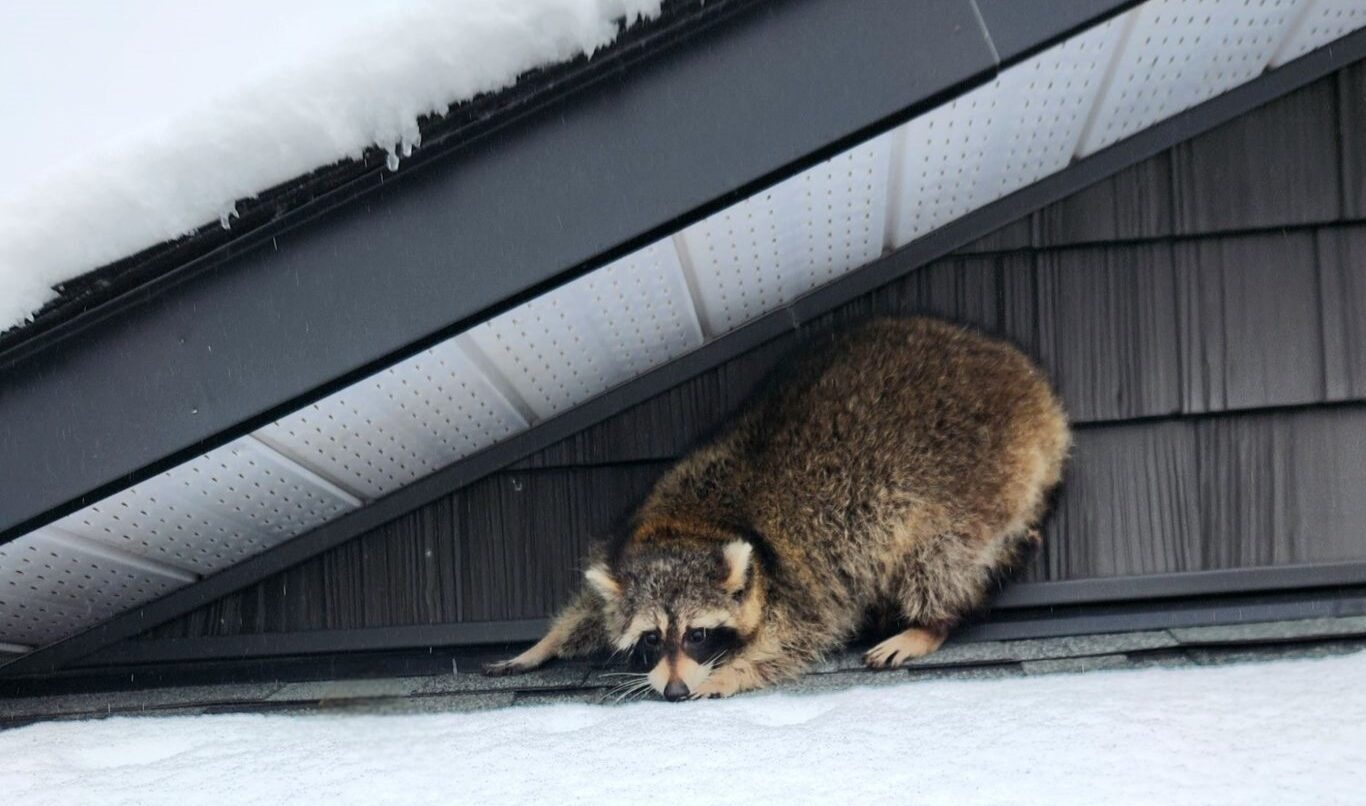
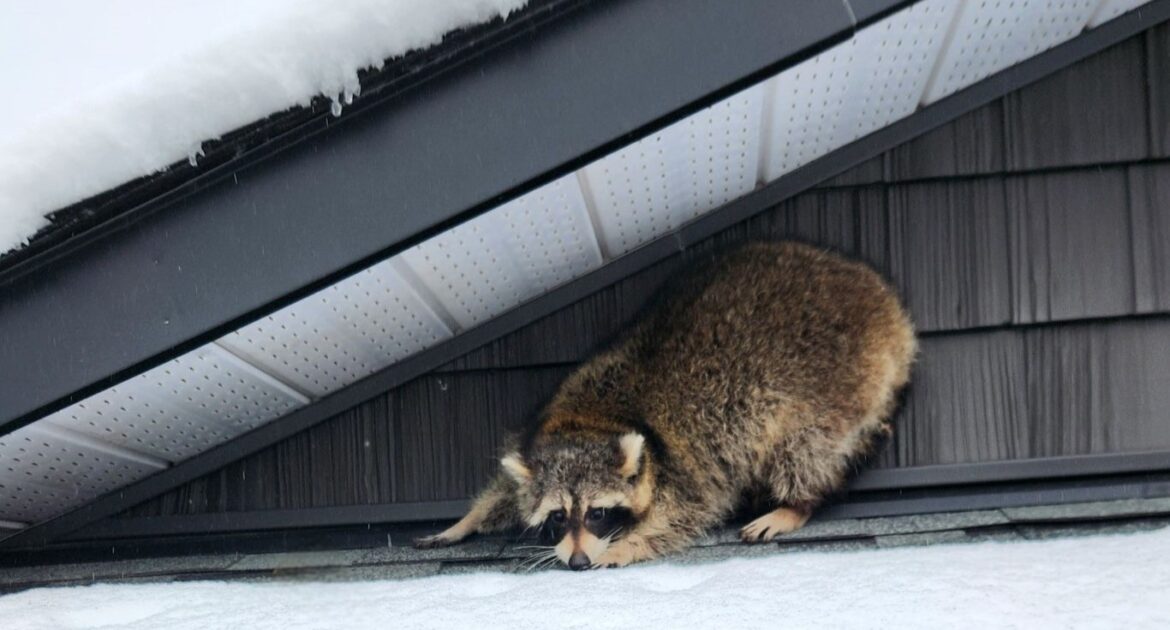
Raccoons in frozen chimneys are a hidden winter hazard for many Milwaukee homeowners and businesses. As temperatures drop and snow accumulates, raccoons become determined to find warmth and shelter—often targeting the highest and coziest spots in our homes.
Understanding why these animals focus on rooflines during the coldest months is key to safeguarding your attic and chimney. At Skedaddle, we’ve spent decades helping Milwaukee property owners solve the unique challenges that come with winter wildlife intrusions.
Why Raccoons Are Drawn to Rooflines in Winter
Milwaukee winters are tough, and survival depends on finding safe and warm spaces. Raccoons are curious and clever animals that seek shelter in the upper reaches of our homes.
Raccoons are known to:
- Climb effortlessly, making rooflines, chimneys, and attics easy targets
- Use strong paws and sharp teeth to exploit weak spots
- Prefer areas that offer protection from wind, snow, and predators
- Look for spots near food sources, like trash bins or outdoor pet food
- Return to dens year after year if they find a comfortable location
The high vantage point of a roofline or chimney is naturally appealing. It offers safety, warmth from rising home heat, and privacy. When chimneys freeze over, the structure can become even more inviting—a space poorly defended from the elements but still warm from occasional fireplace use or attic heat loss.
Raccoons in frozen chimneys and attics are not just seeking comfort; they’re making strategic choices for survival. Understanding this behavior helps us address the problem at its source and prevents recurring issues in future winters.
Let’s examine how these winter intrusions occur and what damage these animals can leave behind.
The Unique Risks of Winter Roofline Raccoon Damage
Once raccoons choose a roofline or attic space, they can cause significant trouble in a short time. Frozen chimneys, cracked vents, and aged shingles become prime weak spots.
Some of the risks and types of damage raccoons cause in winter include:
- Tearing apart soffits, shingles, and roof vents while gaining entry
- Compressing and soiling insulation, which reduces energy efficiency and increases heating bills
- Damaging wiring and ductwork, risking electrical fires and air quality problems
- Leaving droppings that may carry dangerous diseases, such as roundworm and leptospirosis
- Creating new openings that allow water or snow inside, leading to mold and rot concerns
The cold months make discovering these problems more difficult. With raccoons in a state of torpor, their activity drops, and noise levels are minimal. But while they rest, the damage slowly grows.
Milwaukee homes and businesses often feature older construction or storm damage—creating more access points for raccoons during harsh winters. Protecting your property during these critical months means acting before a small intrusion becomes a costly repair.
What Attracts Raccoons to Attics in Winter?
Raccoons are resourceful and have adapted to city life with remarkable skill. During winter, their main drives are warmth and safety, but several specific features pull them to attics and rooflines. Retained heat in attics, which can be felt through weak insulation or leaks, creates inviting warmth. Quiet and undisturbed areas where raccoons won’t be noticed offer refuge, while entry points from damaged or aged building materials make access easy. Access from nearby trees or outbuildings is another factor, as well as the potential for finding leftover food in garages or garbage bins.
In Milwaukee, attics are especially appealing compared to alternative den sites like hollow trees or sheds, particularly on freezing nights. Raccoons are not looking for a temporary stay—they often return through the same routes year after year unless vulnerabilities are addressed.
Recognizing what attracts these animals can help you take proactive measures to prevent raccoons in attic spaces before the cold sets in.
Signs You Have a Raccoon Intrusion
Early detection is vital. Because these animals are nocturnal and less active in winter, their presence can go unnoticed for several weeks. Keep an eye out for these common signs:
- Scratching or shuffling sounds in the attic, chimney, or walls at dusk or dawn
- Strong, unpleasant odors or sudden drops in indoor air quality
- Noticeable droppings near entry points or in insulation
- Damaged or displaced soffits, vents, and shingles around the roofline
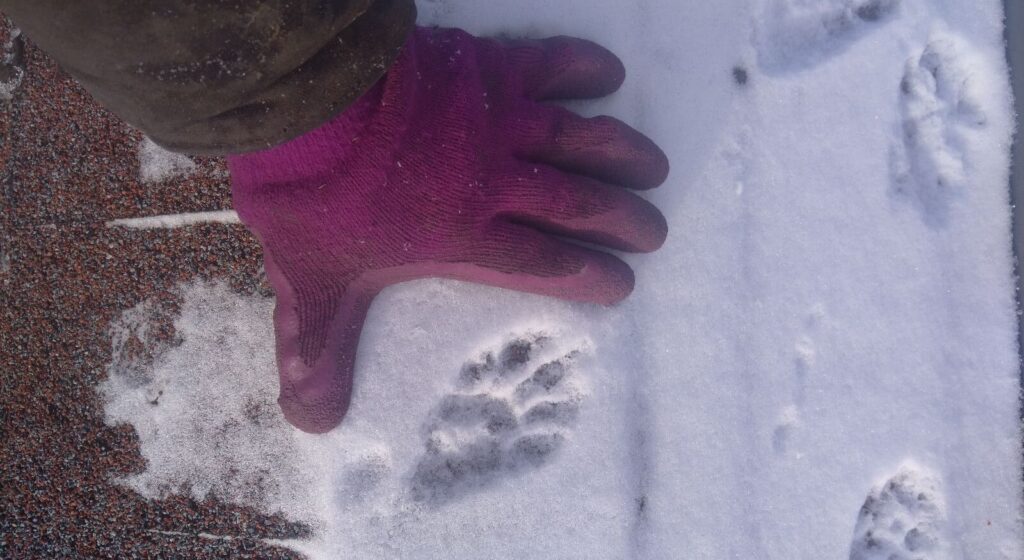
- Footprints leading to or from a chimney or nearby trees
You may also spot paw prints in the snow around your home, especially near downspouts or garden walls—common raccoon pathways.
Noticing one or more of these signs means it’s time to act quickly. Raccoon presence in winter is often followed by nesting and baby rearing in early spring, making intervention increasingly complex and expensive if left unaddressed.
Let’s discuss ways to prevent raccoon intrusion and protect your home.
Effective Strategies to Prevent Raccoons in Attic Spaces
We believe preventative care is the best defense against winter roofline raccoon damage. Securing your home now saves significant stress, money, and health risks later.
- Inspect your roofline, soffits, and vents for damage or aging materials.
- Repair or replace cracked shingles, loose siding, or rotten wood right away.
- Install heavy gauge screening over attic vents and chimney tops.
- Trim tree branches that hang over or near the house.
- Keep garbage bins securely closed and pet food indoors.
Adding another layer of protection, our Skedaddle team recommends:
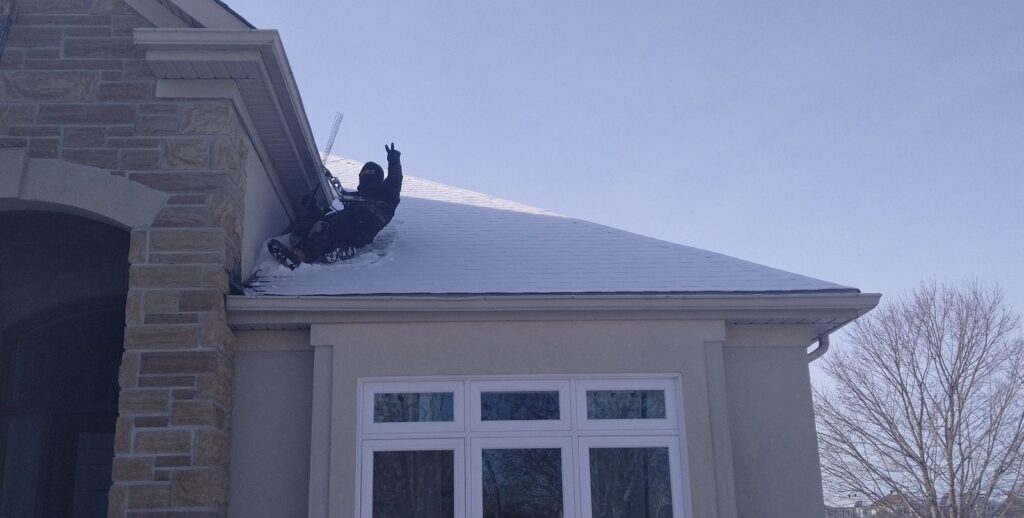
- Having professionals perform a thorough roof and attic assessment
- Sealing every entry point, backed by our expertise in humane wildlife exclusion
- Cleaning and restoring contaminated insulation or affected areas to stop future attraction
Our team has seen too many Milwaukee families faced with winter emergencies that could have been avoided with these simple steps. Prevention is a year-round effort, but it’s especially critical in late fall and early winter.
Wondering what to do if raccoons have already moved into your attic or chimney? Humane removal is the next step.
The Importance of Humane Raccoon Removal and Rehabilitation
Dealing with raccoons in frozen chimneys and attics is not just about protecting property—it’s about caring for families, pets, and the animals themselves.
Raccoons are intelligent, social mammals that often establish family dens in homes. Removing them in winter, especially with babies present, requires both expertise and compassion.
At Skedaddle, here’s how we approach humane raccoon removal:
- Conducting a careful, hands-on inspection—even using thermal cameras to detect hidden animals
- Hand-removing adults and babies, ensuring all family members are found
- Placing babies in a heated reunion box outdoors so their mother can relocate them safely
- Sealing every re-entry point to keep raccoons out for good
- Cleaning and deodorizing to eliminate health risks and prevent future visits
As part of our commitment to Milwaukee’s communities, we understand the emotional toll of a wildlife intrusion. Homeowners often feel a loss of safety and peace of mind. Pursuing humane strategies doesn’t just solve the problem; it restores comfort—and ensures raccoons are cared for and given a fair chance to survive elsewhere.
We believe every raccoon and every family deserves a solution that balances safety and compassion. By focusing on humane techniques and long-term exclusion methods, we help communities live in harmony with urban wildlife instead of in conflict.
Now that you know the risks raccoons pose in winter, the types of damage they can cause, and strategies to secure your property, you’re equipped with the knowledge to take action—before winter’s next big chill.
Safeguard Your Milwaukee Home from Winter Raccoon Intruders
Winter may bring picturesque snowfalls to Milwaukee, but for homeowners, it also ushers in hidden threats from raccoons seeking warmth in chimneys and attics. These clever climbers exploit frozen chimneys and vulnerable rooflines, causing structural damage and threatening your family’s health. Early action and preventive care are essential, as raccoon intrusions can quickly escalate from minor disturbances to costly repairs and unsanitary conditions.
Don’t let raccoons make your attic their winter den. Trust Skedaddle’s decades of expertise to humanely and thoroughly resolve wildlife problems before they worsen. Our team goes beyond removal—we identify every entry point, repair damage, restore safe living conditions, and secure your home against future invasions. Milwaukee winters are tough enough; let us help you reclaim peace of mind and protect what matters most. Reach out to Skedaddle today and take the smart step in defending your home this season.

 Loading...

