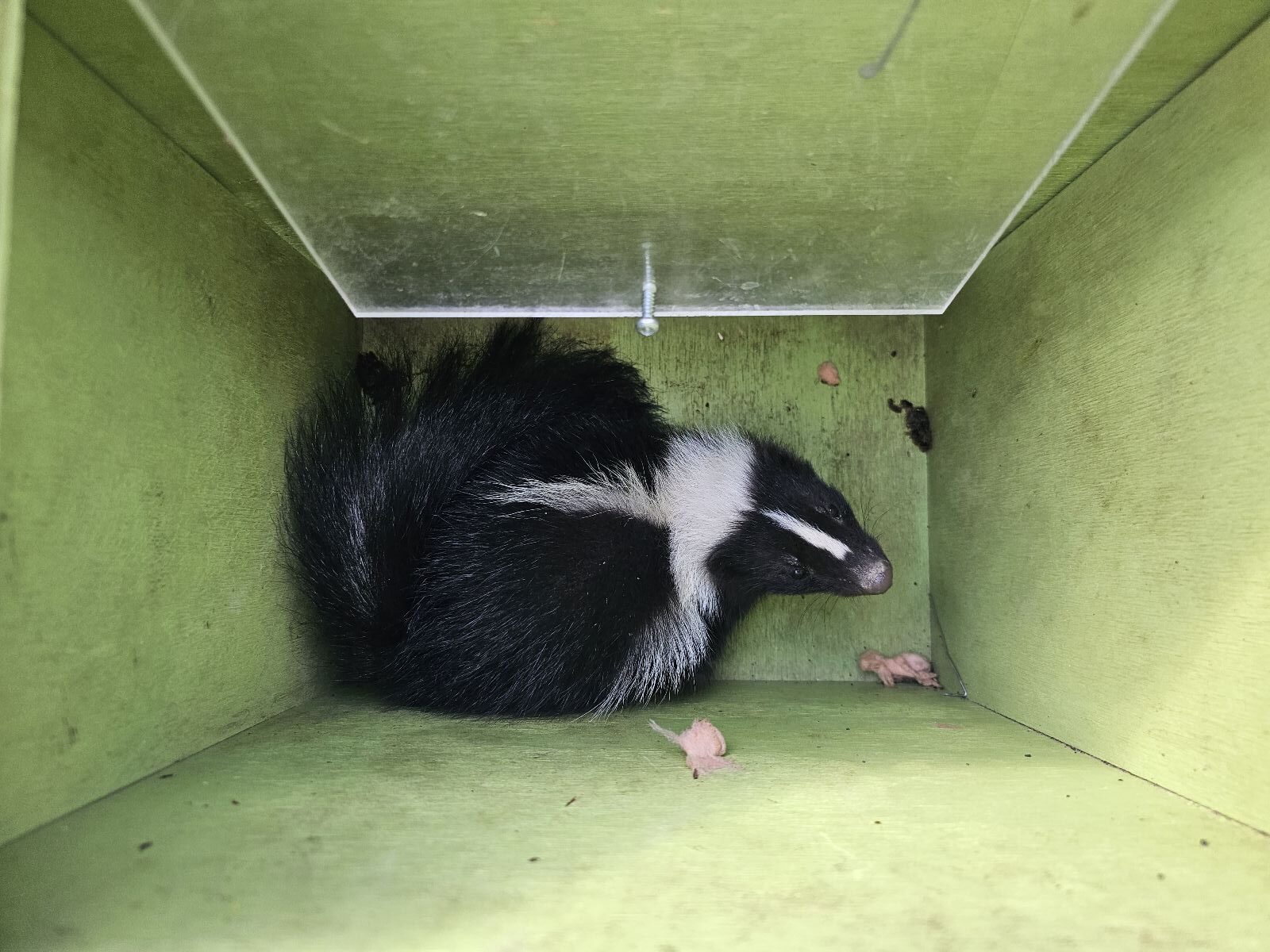
Skunks are fascinating creatures that many homeowners in Coon Rapids encounter, often unexpectedly. Understanding skunk behavior is key to keeping both your home and local wildlife safe. These nocturnal animals are rarely aggressive, but they do have a reputation that can make homeowners nervous. By learning how skunks act, you can coexist safely and prevent unwelcome surprises around your property.
Skunks are more common than many people realize. In fact, the North American striped skunk population is estimated to be over 7 million. While they play a vital role in controlling insect and rodent populations, their presence near homes can create challenges. At Skedaddle, we focus on helping homeowners understand skunk behavior and implement safe, humane strategies to manage their environment.
Understanding Skunk Behavior
Skunk behavior is unique and often misunderstood. These animals are primarily nocturnal, meaning they are most active at night. They spend daylight hours resting in dens, under decks, or in sheds.
Key aspects of skunk behavior include:
- Defensive spraying: Skunks only spray as a last resort when they feel threatened.
- Diet habits: They eat insects, small rodents, fruits, and vegetables, which sometimes leads them to gardens or compost bins.
- Seasonal activity: Skunks are more active in spring and summer when mating and raising kits, but they can be seen year-round in Coon Rapids.
Understanding these patterns helps homeowners anticipate where skunks might appear and how to prevent conflicts.
Signs of Skunks Around Your Home
Recognizing skunks around your home early can prevent problems and reduce stress. Some of the most common indicators include:
- Distinctive, musky odor in yards or near structures
- Tracks with five toes and visible claw marks
- Small, cone-shaped holes in lawns from foraging for insects
- Nighttime sightings along property edges or near garden areas
It’s important to note that seeing one skunk does not necessarily indicate a larger problem, but repeated signs mean your property is attractive to them.
Health and Safety Considerations
While skunks are generally non-aggressive, they can pose health risks if approached or handled. The most significant concern is rabies. According to the Centers for Disease Control and Prevention, skunks are one of the primary carriers of rabies in the United States.
Other considerations include:
- Allergic reactions to spray: A skunk’s defensive spray can irritate eyes and skin.
- Secondary issues: Skunks may attract insects or other wildlife to their dens.
- Observation safety: Never attempt to handle or confront skunks; their natural defenses are potent.
At Skedaddle, we advise homeowners on how to safely monitor skunks and reduce risks without interfering with the animals.
Skunk Prevention Tips for Your Home
Preventing skunks from becoming a problem is always safer and more effective than reacting after they arrive. We recommend several skunk prevention tips that are humane and easy to implement:
- Secure garbage and compost: Use tightly sealed bins to prevent attracting skunks.
- Remove pet food and fallen fruit: Outdoor food sources are a major attraction.
- Maintain clean yards: Keep debris, woodpiles, and brush clear to limit shelter options.
- Seal access points: Check for gaps under decks, sheds, and porches where skunks may nest.
- Lighting and sound deterrents: Motion-activated lights or gentle noise devices can discourage nighttime visits.
Following these skunk prevention tips can reduce the likelihood of encounters and make your property less appealing to skunks while keeping them safe.
Why Professional Guidance Matters
Managing skunks humanely requires knowledge and experience. At Skedaddle, we help homeowners implement solutions that respect wildlife while maintaining a safe home environment.
Professionals can:
- Identify areas of skunk activity and potential risks
- Offer advice on effective deterrent methods
- Provide guidance on long-term prevention strategies
Research shows that professionally guided wildlife management reduces repeat skunk incidents by up to 70%, compared to DIY attempts. Using expert support ensures your home stays skunk-free without harming these important animals.
Common Myths About Skunks
Skunks are often misunderstood, which can lead to fear or ineffective management. Some common myths include:
- “Skunks are aggressive.” In reality, they are defensive and usually only spray when threatened.
- “Skunks can’t be deterred.” Properly managed environments can effectively discourage skunks from frequenting your property.
- “All skunks carry disease.” While skunks can carry rabies, not all do. Precautionary measures keep risks low.
Dispelling these myths helps homeowners make informed decisions about coexistence.
Coexisting Safely With Skunks
Humane coexistence is possible when you understand skunk behavior and implement preventive measures. Some practical tips include:
- Observe skunks from a safe distance at night
- Avoid leaving attractants outside, including food and debris
- Maintain secure fences and yard boundaries
- Consult professionals when necessary for ongoing guidance
By taking these steps, skunks can continue to play their role in the local ecosystem without becoming a nuisance.
Living Safely and Humanely With Skunks
Skunks are an essential part of our local wildlife in Coon Rapids, but they can create challenges for homeowners. By understanding skunk behavior, recognizing signs of activity, and applying effective skunk prevention tips, you can coexist safely and responsibly.
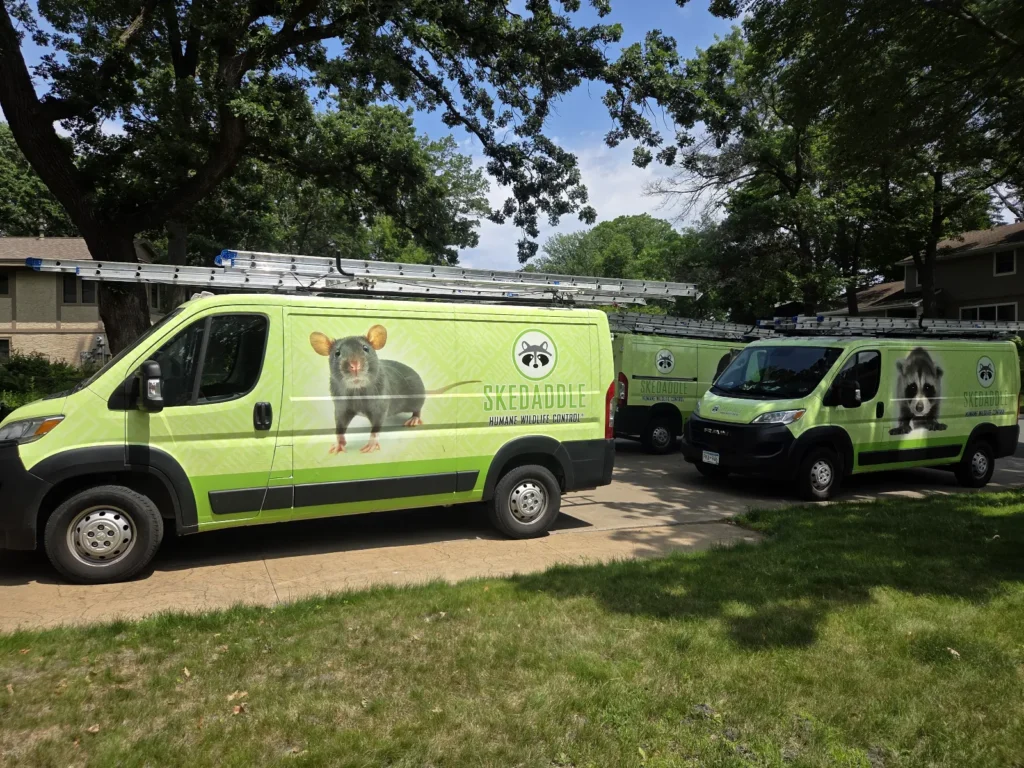
At Skedaddle Humane Wildlife Control, we specialize in helping homeowners manage skunk interactions with care and expertise. Our approach emphasizes safety, education, and humane solutions that protect both families and wildlife. Contact us today to learn how to make your home less appealing to skunks while respecting these fascinating creatures.

 Loading...