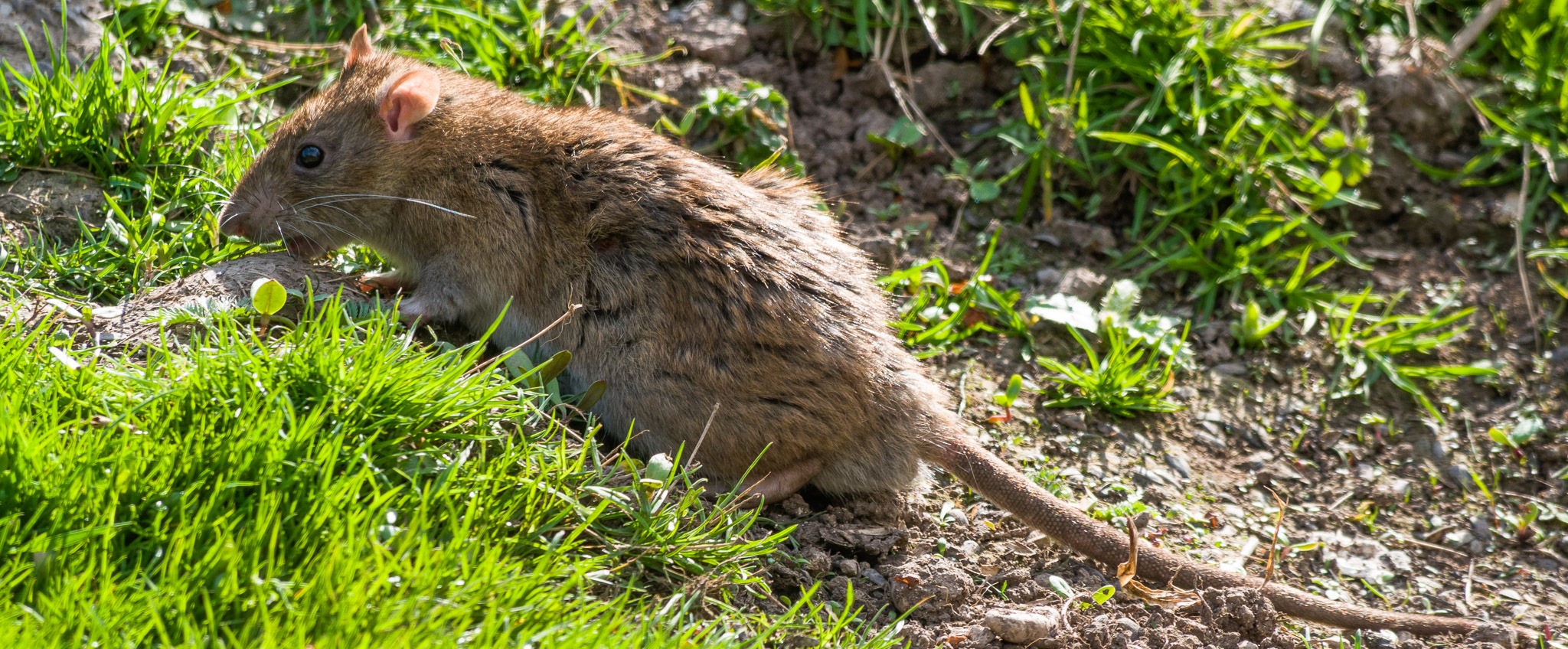
Rats in your car are more than just unsettling, it’s a real health and safety concern. The short answer: yes, you need to act quickly if you find them. Rats are drawn to food, warmth, and shelter, and a vehicle, especially one parked in a garage, can offer all three.
If rats are in your car, remove all food sources immediately, avoid direct contact, and call Skedaddle Humane Wildlife Control. Rats can carry bacteria and contaminate surfaces like seats and vents. A full inspection of your garage and home is critical to stop the source of the problem and prevent re-entry.
Is It Common For Rats To Get In Your Car?
It’s not the most common call we get, but it’s far from rare. At Skedaddle Humane Wildlife Control in London, we’ve seen situations where a larger rat problem on a property spreads into unexpected areas, including vehicles.
Rats don’t randomly choose cars. They end up there for a reason:
- Food left behind (especially in child car seats)
- Warmth during colder months
- Easy access from a garage already infested
- Nesting opportunities in insulation or engine compartments
In a recent job in nearby St. Thomas, our team responded to what homeowners believed was a mouse issue. What we discovered told a very different story.
How A Small Garage Problem Turned Into Rats In A Family Car
This situation started like many others, with a few subtle warning signs that didn’t seem urgent at first. The homeowners noticed droppings in their garage and assumed they were dealing with mice. It’s a common assumption, but when our technician and owner, Reubin Kuc, arrived on-site, he quickly recognized something more serious.
“From the tracks and droppings, it was clear we were dealing with rats, not mice,” Reubin explained.
Once we confirmed the species, our team shifted focus to understanding how the rats were getting inside. That’s always the first step, because without solving the entry point, the problem never truly goes away.
Reubin and his team began a detailed inspection of the garage and immediately noticed damage around the structure. The corners of the garage door had been chewed out, creating clear access points for the rats. This type of damage often starts with something small, like rotting or weakened wood. Over time, rats take advantage of these soft spots, chewing through and expanding them into full entry holes.
Inside the garage, more evidence started to surface. Droppings were scattered along the perimeter, confirming frequent activity. But what stood out most was what we found next.
Further investigation revealed a hole in the drywall inside the garage. This wasn’t just surface-level damage, it was a direct pathway. The rats were using this opening to move from the garage into the home itself.
At this point, the situation had clearly escalated beyond a simple garage issue. The garage had become a staging area, the home was now accessible, and the car, parked right inside, became an easy extension of that activity.
From there, the rats discovered food inside the vehicle, specifically crumbs left behind in a child’s car seat. That’s all it takes. With a reliable food source and easy access, the car quickly became part of their routine.
What started as a small, unnoticed vulnerability in the garage structure had turned into a widespread problem affecting multiple areas of the property. This is exactly how rat infestations grow, quietly at first, then rapidly once conditions are right.
Why Rats in Your Car Are a Serious Health Risk
This is where things shift from inconvenient to dangerous.
In the St. Thomas case, rat droppings were found directly on the child’s car seat. That’s not just unpleasant, it’s a serious health concern.
Rats can carry bacteria and pathogens that spread through:
- Droppings
- Urine
- Contaminated surfaces
- Airborne particles when disturbed
When those contaminants end up in a vehicle, especially one used daily, the risk increases significantly. Heating and air systems can circulate particles, and repeated exposure becomes a real concern for families.
This is not something that should be handled casually or cleaned up without proper precautions.
The Hidden Damage Rats Can Cause To Your Vehicle And Property
Beyond health risks, rats can cause expensive damage, and it adds up quickly.
In this case, the damage wasn’t limited to the car. It extended across multiple areas:
- Garage door structure (chewed wood and entry points)
- Drywall inside the garage
- Potential access points into the home
- Contamination inside the vehicle
Rats are persistent chewers. They gnaw through wood, drywall, and even wiring. In vehicles, this can lead to:
- Electrical issues
- Engine problems
- Costly repairs that aren’t always covered by insurance
What started as a small hole in the garage turned into a multi-area problem involving the garage, home, and car.
How Our Team Solved The Problem Safely And Humanely
This situation required more than a quick fix, it needed a structured, professional approach that addressed every part of the problem, from the car to the garage to the home itself. At Skedaddle, we don’t just remove wildlife; we solve the entire issue so it doesn’t come back.
Reubin and our team began with a full-property assessment, taking the time to understand how the rats were moving through the space. This included inspecting the garage, the vehicle, and the connecting points into the home. Every track, droppings pattern, and damage point helped build a clear picture of the infestation.
Once we identified the entry points, the next step was securing the structure. The chewed-out corners of the garage door were reinforced and sealed to prevent further access. We also addressed the hole in the drywall that was allowing rats to move directly into the home. These repairs are a critical part of our process, because removal without prevention is only temporary.
With the pathways identified and secured, we installed our humane one-way door systems at the main access points. These specially designed devices allow rats to leave the space naturally in search of food and water, but prevent them from getting back inside. It’s a safe, effective method that works with the animals’ instincts rather than against them.
This is one of the biggest differences in how we operate. We don’t rely on harmful or short-term methods. Instead, we focus on:
- Letting wildlife exit safely
- Preventing re-entry completely
- Solving the root cause of the problem
Another essential part of this job was addressing the health risks inside the vehicle. Finding rat droppings on a child’s car seat is not something that can be taken lightly. Our team provided guidance on proper cleanup and sanitation to ensure the area was safe for the family again. Removing contamination is just as important as removing the animals themselves.
Throughout the process, we also worked closely with the homeowners to help them understand what attracted the rats in the first place. In this case, food left behind in the car played a role—but it was the existing garage access that made everything possible. Education is a key part of what we do, because prevention starts with awareness.
Once all the work was complete, we didn’t just walk away. Our service includes long-term protection backed by our lifetime guarantee, giving homeowners peace of mind that their property is protected moving forward. If wildlife ever tries to return through the areas we’ve secured, we’ll be there to address it.
This job is a perfect example of why professional wildlife removal matters. What looked like a small issue turned out to involve multiple entry points, structural vulnerabilities, and serious health concerns. By following a thorough, humane process, we were able to resolve the problem completely, and help prevent it from happening again.
Common DIY Mistakes That Make The Problem Worse
When people discover rats in their car or garage, the first instinct is often to try to fix it themselves. Unfortunately, this can make things worse.
Here are some common mistakes we see:
- Ignoring the source (focusing only on the car, not the garage)
- Cleaning without protection, spreading contaminants
- Blocking holes without removing the animals first
- Leaving food sources accessible
- Using ineffective or unsafe methods
DIY solutions rarely address the full scope of the problem. Rats are highly adaptable, and if even one entry point is missed, the issue continues.
Professional removal ensures:
- Proper identification of the species
- Safe and thorough cleanup
- Long-term prevention
Wildlife In London, Ontario: It’s Not Just Rats
Living in London means sharing space with a wide range of urban wildlife. At Skedaddle, we regularly help homeowners and businesses deal with:
- Raccoons in attics near Wortley Village
- Skunks under decks in Hyde Park
- Squirrels nesting in roofs around Masonville
- Bats in older homes near downtown
- Birds nesting in vents and soffits
- Mice and rats in garages and basements
Each species brings its own challenges, but the approach remains the same: humane removal, prevention, and long-term protection.
What You Should Do Immediately If You Suspect Rats In Your Car
If you think rats have gotten into your vehicle, take these steps right away:
- Remove all food items and vacuum crumbs
- Avoid touching droppings or contaminated surfaces
- Keep the car doors closed when not in use
- Check your garage for signs of activity
- Contact a professional wildlife removal service
Timing matters. The longer rats have access, the more damage and contamination can occur.
This is not just about your car; it’s about your entire property.
This kind of situation can feel overwhelming, especially when it involves spaces tied to your family’s safety. Seeing signs of wildlife in your garage is one thing, but discovering contamination in your car, especially a child’s car seat, changes the urgency completely. It’s no longer just a nuisance; it’s a situation that requires immediate, professional attention to protect both health and home.
Rats don’t operate in isolation. When they find a reliable food source and shelter, they expand their activity quickly. What starts in a garage can move into walls, ceilings, and yes—even vehicles. That’s why addressing the root cause is always more important than focusing on just one symptom of the problem.
At Skedaddle, we approach every case with that bigger picture in mind. Our goal isn’t just to remove wildlife, it’s to restore safety, prevent recurrence, and give homeowners peace of mind knowing the issue has been handled properly.
Common FAQs About Rats
FAQ: Why would rats go into a car parked in a garage?
Rats are attracted to food and shelter. If crumbs or food are left inside the car and the garage already has a rat problem, the vehicle becomes an easy target. Wildlife removal professionals can identify the root issue and prevent further access.
FAQ: Can I clean rat droppings in my car myself?
It’s not recommended without proper protective equipment. Rat droppings can carry bacteria and airborne particles that pose health risks. Professional wildlife control services ensure safe cleanup and proper sanitation.
FAQ: How do I prevent rats from coming back after removal?
Sealing entry points, removing food sources, and using humane one-way doors are key steps. A professional wildlife removal service in London can provide long-term solutions backed by a lifetime guarantee.
Keep Your Home and Family Safe With Skedaddle
Rats in your car might not be the most common issue, but when it happens, it’s serious. As we saw in St. Thomas, a small garage problem can quickly escalate into something that affects your entire home and your family’s health.
At Skedaddle Humane Wildlife Control in London, we focus on doing the job right:
- Humane removal using one-way doors
- Thorough inspections and prevention
- Safe cleanup of contaminated areas
- Long-term protection with our lifetime guarantee
If you’re dealing with rats, mice, or any wildlife issue in London or nearby areas, don’t wait for it to spread. Our team is ready to help you take back your space, safely and effectively.
Reach out to schedule an inspection today!

 Loading...







