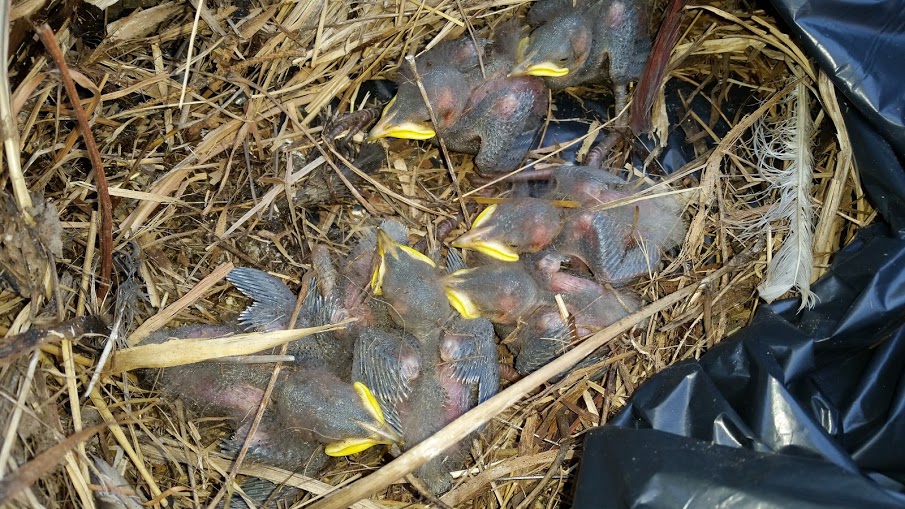
Spring brings warm weather, blooming flowers, and the arrival of baby birds. Where might birds be nesting in your home in the spring? You will often find them in sheltered, elevated spots like chimneys, soffits, roof vents, exhaust pipes, gutters, and porch crevices. Birds look for safe, warm, and secure areas to raise their young, and human houses offer the perfect shelter from weather and predators.
You might hear chirping behind a wall or see birds constantly flying toward your roof. These are clear signs that an animal has moved into your space. While it is fun to watch nature from a distance, having a nest directly on or inside your house can lead to serious property damage and health risks. It is important to know exactly where these animals prefer to hide so you can take action before the babies hatch.
In this blog, we will guide you through the most common hiding spots around your property. We want to help you understand the habits of these feathered guests. Skedaddle Humane Wildlife Control in Roswell is ready to help you handle any wildlife issues safely and professionally.
How long do baby birds stay in a nest with the mother?
Baby birds usually stay in the nest with their mother for about two to three weeks after hatching. You will see that this timeline depends entirely on the specific type of bird. Small songbirds grow very quickly and leave the nest in just 12 to 14 days.
Larger birds might take up to a month or more before they are ready to fly. During this time, the mother works tirelessly to bring food back to the babies. You should never disturb a nest during this period, as it is often illegal to remove a nest containing eggs or flightless young.
Attics and Vents
You will frequently find birds making their homes inside your household vents. Vents offer a warm, dry space that mimics the hollow cavities of trees. This section explores the specific vents birds love to target.
- Dryer Vents: Dryer vents blow out warm air, making them highly attractive during chilly spring nights. You might notice birds pulling dry grass and twigs into the vent opening. The nesting material can quickly block the airflow, which creates a dangerous fire hazard for your home.
- Bathroom Vents: Bathroom exhaust vents provide another cozy tunnel for birds to build a home. You will often hear loud scratching and chirping coming directly from your bathroom ceiling. Our team safely clears these areas out so you do not have to worry about clogs or damage.
- Kitchen Vents: Kitchen vents easily attract birds because they are sheltered from the wind and rain. The smell of cooking might also draw them in. When these animals block these spaces, your kitchen fan will stop working properly, pushing bad air back into your house.
Chimneys
Birds are naturally drawn to places where they feel safe and secure, away from predators and the elements. An uncapped chimney provides the perfect space for them to settle in and build their nests. The warmth and darkness of the chimney make it even more appealing as a shelter, especially during colder months. Unfortunately, this can lead to unintended problems for homeowners.
When these animals enter a chimney, their nests can block the proper flow of smoke and harmful gases, such as carbon monoxide, from escaping your home. A blocked chimney increases the risk of dangerous fumes accumulating inside, which can pose a serious safety hazard for you and your family. Additionally, birds can accidentally get trapped in the narrow chimney shaft, putting them in danger and creating unpleasant situations for homeowners.
To prevent these issues, it’s important to address the problem professionally. Attempting to remove nests or free birds on your own can cause harm to the birds and damage your chimney. Our experienced team specializes in safe and effective removal, nest clean-up, and chimney maintenance. By relying on our services, you can ensure your chimney remains clean, safe, and free of obstruction, while protecting both your home and local wildlife.
Soffits and Eaves
The gap between your roof and the outer walls provides a prime location for nesting. You will often see birds squeezing into broken or loose soffit panels. This section details how they use your roofline.
- Broken Soffit Panels: A missing piece of soffit is an open invitation for an animal to move in. You will see birds carrying mud and grass right into the roof cavity. We have the right tools to access these high areas safely and remove the nest material.
- Overhanging Eaves: Eaves provide excellent protection from the harsh sun and heavy spring rains. You might spot mud nests stuck right into the corners of the overhang. Our wildlife technicians know exactly how to detach these structures without causing any damage to your exterior paint or siding.
- Fascia Board Gaps: Small gaps along the fascia boards allow tiny birds to slip inside your roof. You will find that these small openings are hard to see from the ground. We inspect every inch of your roofline to ensure these hidden entry points are properly secured.
Gutters and Roof Lines
Bird nests on your roof can lead to many problems for your home. When these animals settle into areas like gutters, roof valleys, or near ventilation openings, their nests can cause blockages. This buildup prevents water from draining properly, increasing the chances of leaks, mold, and structural damage to your home over time.
Flat roof surfaces and hidden areas like behind solar panels are especially attractive to birds. These locations give them protection and a good vantage point to watch for predators. Unfortunately, the shelter that works so well for them can turn into significant repair costs for homeowners if not addressed quickly.
It’s always best to handle nest removal professionally and safely. Working on roofs can be risky, especially on wet or uneven surfaces. Our experienced team is equipped to remove nests thoroughly, ensuring your roof stays clear and your home remains protected from potential water damage.
Porches and Door Frames
Birds often find porches to be quiet, safe places to build their nests. Light fixtures and door frames offer good spots for them to settle down and stay out of reach of predators. While it might seem cute at first, nesting on your porch can cause surprising problems for homeowners.
One common issue is the mess left behind on your porch. Droppings can pile up quickly, especially near welcome mats or doorways. Not only is this unsightly, but it can also carry harmful germs and bacteria that may risk your family’s health if not handled properly.
Our professional team is here to help keep your porch clean and bird-free. We safely remove nests without harming the animal and ensure they don’t return to those same spots. By relying on our services, you can enjoy a safe, clean entrance to your home without taking on the mess yourself.
Signs of Nesting
You need to know the warning signs of a bird invasion before it gets out of hand. These clues tell you that an animal has officially moved in.
- Increased Noise: You will hear constant chirping, fluttering, and scratching from inside your walls or vents. The noise usually gets much louder early in the morning when the babies are hungry. If the sounds are coming from the attic, a nest is likely nearby.
- Constant Flying: You might see birds flying back and forth to the exact same spot on your house. They will have their beaks full of dry grass, mud, or food. This repeated flight path points directly to their chosen nesting location.
- Droppings and Debris: You will find fresh piles of droppings appearing in specific areas on your porch or siding. You might also see loose twigs and dry grass scattered directly below a vent or eave. This mess indicates a highly active nest just above you.
Bird Nests in Roswell
Roswell is home to various bird species that often build their nests near homes and buildings. These nests can be found in vents, eaves, or other secluded spots, providing birds with a safe place to raise their young. While these animals are an essential part of the ecosystem, their nests can sometimes create problems for homeowners.
Bird nests in vents or eaves can block airflow, causing potential damage to the structure. Additionally, the debris and droppings from these nests may lead to unsightly messes and even health concerns. If left unchecked, a nest can also attract pests, like mites or insects, enhancing the need for proper management.
Taking early action can help prevent further issues caused by nests. Homeowners in Roswell should inspect their homes regularly for signs of nesting activity. If a nest is found, it’s important to handle its removal safely and in accordance with local wildlife regulations to protect both the home and the birds.
Bird Nest Removal and Prevention with Skedaddle
Trying to remove a bird nest on your own can be dangerous and may even be illegal. Birds can carry diseases that can harm humans, and disturbing them while they are nesting can hurt the birds or their eggs. That’s why it’s important to trust our professionals who know how to handle these situations properly.
At Skedaddle Humane Wildlife Control, we follow humane methods to make sure the birds are safe and your home is protected. When a nest is found, our team checks if it’s still active or if the animals have moved on. If the nest is empty, we remove it carefully, ensuring no harm comes to the animals or to your property.
To prevent the animals from returning, we take extra steps to seal off entry points. We use strong protective materials, like heavy-duty caging, to cover vents and other openings. Paired with one-way doors, these solutions allow the animals to leave without being able to re-enter, giving you peace of mind while keeping wildlife safe.
Frequently Asked Questions
Why do birds swoop at my head?
Birds swoop at people when they feel their nest or babies are in danger. This behavior is common during nesting season when parent birds become very protective. They are not trying to seriously hurt you, but they do want to scare you away from the area. Some of them will make loud noises or fly close to your head as a warning. It is best to calmly leave the area and avoid getting too close to nests.
Are bird droppings dangerous to my health?
Yes, droppings can be dangerous if they are not cleaned up properly. The waste may contain harmful bacteria and fungi that can spread disease. When droppings dry out, tiny dust particles can float into the air and be breathed in. This can lead to breathing problems and other health issues. Professional cleanup is the safest way to remove bird waste from your property.
Can birds damage my house?
Yes, birds can cause serious damage to homes over time. Nests built inside vents can block airflow and create dangerous fire hazards. Droppings are also very acidic and may damage paint, siding, roofs, and other surfaces. Some birds pull apart insulation or leave debris behind while nesting. Fixing this damage can become expensive if the problem is ignored for too long.
Will birds return to the same nest next year?
Many birds return to the same safe nesting spots every year. If a nest protected them well in the past, they are likely to come back again. This is especially common around vents, roofs, and covered areas on homes. Removing old nesting material and sealing entry points can help stop future nesting problems. Our professional wildlife prevention makes it much harder for birds to return.
When is the best time to wildlife-proof my home?
The best time to wildlife-proof your home is before nesting season begins in the spring. This helps stop birds and other animals from moving in before they lay eggs or raise babies. Another good time is after young birds have fully left the nest. Sealing entry points early can prevent major problems later in the year. Regular home inspections also help catch small issues before wildlife finds them.
Let Us Help You with Your Bird Nests
Birds nesting in your home might seem harmless at first, but it can lead to some serious problems over time. The noise can be disruptive, and the mess they leave behind can be tricky to clean. Even more concerning, their nests may cause damage to your property by blocking vents, creating a fire hazard, or weakening structures. It’s important to deal with this situation as soon as possible to protect both your home and the birds.
At Skedaddle Humane Wildlife Control in Roswell, we understand how stressful this can be, and we’re here to help. Our professional team takes a safe and humane approach to bird removal, ensuring the animals are treated with care while keeping your home secure. With years of experience, we know how to handle the removal process efficiently and cleanly, giving you peace of mind.
Don’t wait until the problem gets worse. Contact us today to request an estimate and learn how we can assist you. With Skedaddle on your side, you can trust that your home will remain safe, clean, and free from unwanted visitors. We are committed to providing reliable and effective solutions for homeowners just like you.

 Loading...